Introduction to Fluorescent to LED Conversion
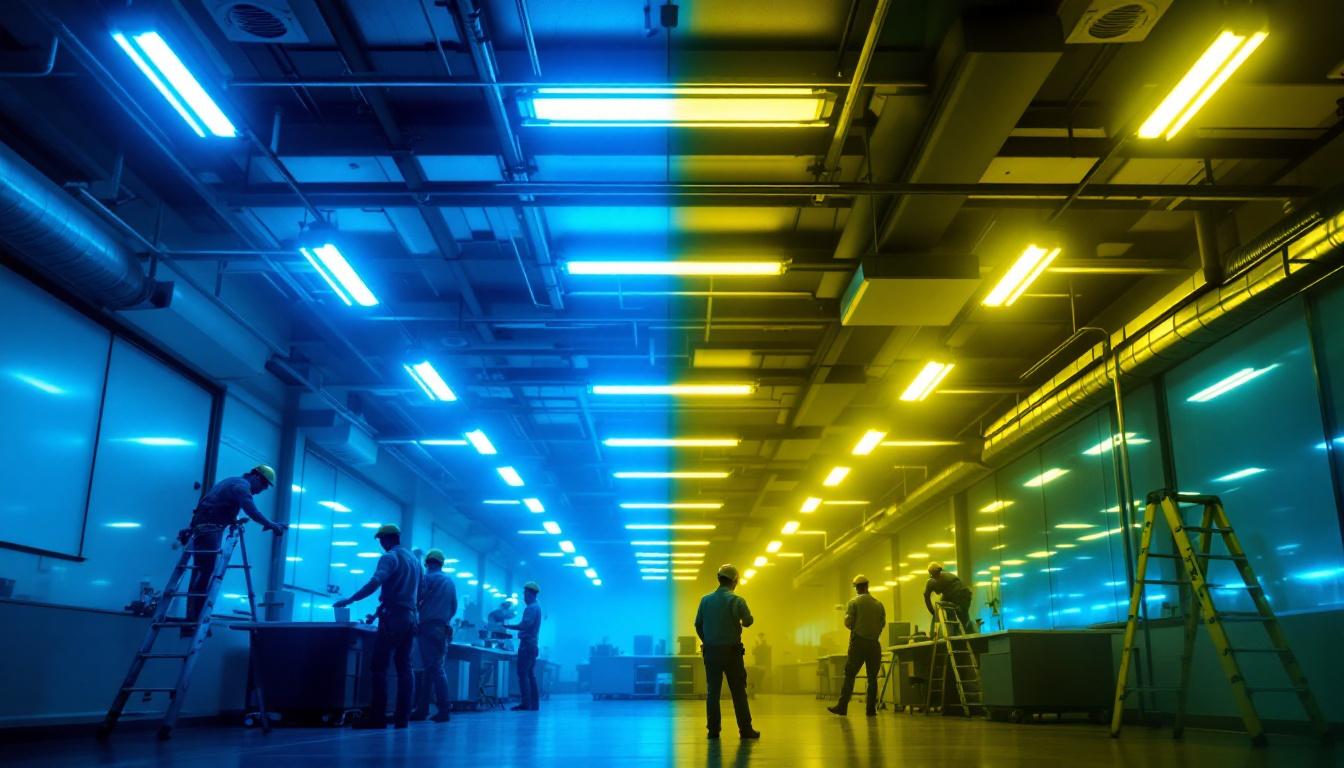
Lighting contractors today face increasing demand for energy-efficient, cost-effective solutions that deliver superior performance and sustainability. One of the most impactful upgrades available is the conversion of traditional fluorescent lighting systems to LED technology. This transition not only enhances lighting quality but also offers significant financial benefits for contractors and their clients.
Fluorescent to LED conversion is more than just swapping out bulbs; it involves understanding the technical, economic, and operational factors that influence project success. For lighting contractors, mastering these elements can maximize profitability while delivering value-driven installations that meet evolving market expectations.
One of the primary advantages of LED technology is its remarkable energy efficiency. LEDs consume up to 75% less energy than fluorescent lights, leading to substantial reductions in electricity bills. This efficiency is particularly beneficial in commercial settings, where lighting can account for a significant portion of energy costs. Additionally, LEDs have a longer lifespan, often lasting 25,000 hours or more, which translates to fewer replacements and lower maintenance costs over time. These factors not only enhance the bottom line for businesses but also contribute to a reduced carbon footprint, aligning with the growing emphasis on sustainability in today’s market.
Moreover, the conversion process can also involve upgrading lighting controls and systems to further enhance energy savings and user experience. Smart lighting solutions that integrate sensors and automation can optimize energy use based on occupancy and natural light levels, providing an even greater return on investment. As clients become more aware of the benefits of smart technology, offering these advanced solutions can set contractors apart in a competitive landscape. Understanding the nuances of these technologies and how they can be tailored to specific environments will empower contractors to deliver comprehensive lighting solutions that not only meet but exceed client expectations.
Why LED Conversion is a Game-Changer for Lighting Contractors
Energy Efficiency and Cost Savings
LED lighting consumes substantially less energy than fluorescent fixtures—often reducing electricity usage by 40% to 60%. This dramatic reduction translates into lower utility bills for clients, a compelling selling point when proposing upgrades. For contractors, energy savings can be quantified and used to justify project costs, making sales conversations more persuasive.
Additionally, LEDs have a longer lifespan, typically lasting 50,000 hours or more compared to 10,000 to 15,000 hours for fluorescent tubes. This longevity reduces maintenance frequency and costs, which is especially attractive in commercial and industrial settings where labor expenses for fixture replacement can be significant. The reduced need for replacements not only saves money but also minimizes disruption in operations, allowing businesses to maintain productivity without the interruptions that come with frequent lighting changes.
Improved Lighting Quality and Flexibility
LED technology offers superior light quality, including better color rendering and uniformity. This enhances visual comfort and productivity in workplaces, retail environments, and public spaces. Unlike fluorescents, LEDs do not flicker or produce a humming noise, which can improve occupant satisfaction and reduce complaints. The ability to provide a more pleasant and inviting atmosphere can be particularly beneficial in settings like restaurants and showrooms, where ambiance plays a crucial role in customer experience.
Moreover, LEDs provide greater flexibility in terms of dimming capabilities, color temperature options, and smart controls integration. These features enable contractors to tailor lighting solutions to specific client needs, adding value and differentiation to their services. For instance, the ability to adjust color temperatures can help create different moods or enhance specific tasks, making LEDs an ideal choice for multi-functional spaces. As smart technology continues to evolve, the integration of LED systems with IoT devices opens up new avenues for automation and remote control, further enhancing user convenience and energy management.
Environmental and Regulatory Advantages
Fluorescent lamps contain mercury, a hazardous substance that requires careful disposal. LED lighting eliminates this environmental concern, aligning with increasing regulatory pressures and sustainability goals. Many jurisdictions now incentivize or mandate energy-efficient lighting upgrades, creating additional opportunities for contractors to secure projects through rebates and grants. This not only supports the financial aspect of the upgrade but also positions contractors as proactive contributors to environmental stewardship, appealing to clients who prioritize sustainability in their operations.
By positioning themselves as experts in environmentally responsible lighting solutions, contractors can enhance their reputation and appeal to a growing segment of eco-conscious clients. Furthermore, as businesses increasingly seek to meet corporate social responsibility (CSR) objectives, contractors who can provide comprehensive assessments and solutions that highlight energy savings and environmental benefits will find themselves in high demand. This trend not only fosters long-term client relationships but also opens doors to new markets focused on sustainable practices, ultimately contributing to the contractor’s growth and success in a competitive landscape.
Technical Considerations for Successful LED Conversion
Assessing Existing Fluorescent Systems
Before initiating a conversion, contractors must thoroughly evaluate the existing fluorescent infrastructure. This includes identifying fixture types, ballast compatibility, wiring conditions, and mounting configurations. Understanding these factors is crucial to selecting the appropriate LED retrofit kits or replacement fixtures.
For example, some LED tubes are designed to work with existing ballasts (“plug and play” or “ballast compatible”), while others require ballast bypass or complete fixture replacement. Each approach has implications for installation complexity, cost, and long-term reliability.
Choosing the Right LED Products
Product selection is a critical step that impacts both installation efficiency and end-user satisfaction. Contractors should prioritize LEDs that meet industry standards for performance, such as ENERGY STAR or DesignLights Consortium (DLC) certification. These certifications ensure energy savings, quality, and eligibility for incentive programs.
Key specifications to consider include lumen output, color temperature (measured in Kelvins), color rendering index (CRI), and beam angle. Matching or improving upon the existing fluorescent lighting levels is essential to maintain or enhance the visual environment.
Installation Best Practices
Proper installation techniques are vital to maximize the lifespan and performance of LED lighting. This includes safely removing or bypassing ballasts when necessary, ensuring secure electrical connections, and verifying compatibility with dimming or control systems.
Contractors should also conduct post-installation testing to confirm uniform light distribution and identify any issues early. Providing clients with documentation on maintenance and warranty information further reinforces professionalism and trust.
Maximizing Profitability Through Strategic Project Management
Accurate Cost Estimation and Pricing Models
Successful projects begin with precise cost estimation that accounts for materials, labor, disposal fees, and potential contingencies. Lighting contractors can improve profitability by leveraging detailed takeoffs and supplier relationships to negotiate competitive pricing on LED products.
Pricing models should reflect the value delivered, including energy savings and reduced maintenance costs. Offering clients financing options or energy savings guarantees can also facilitate project approval and increase sales conversion rates.
Leveraging Incentives and Rebates
Many utility companies and government agencies offer incentives for upgrading to energy-efficient lighting. Contractors who proactively identify and incorporate these rebates into project proposals can reduce upfront costs for clients, making LED conversions more attractive.
Staying current with available programs and managing application processes efficiently can differentiate contractors in a competitive market while boosting overall project margins.
Building Long-Term Client Relationships
Beyond the initial installation, contractors can enhance profitability by offering ongoing maintenance, monitoring, and upgrade services. Establishing service contracts or performance-based agreements creates recurring revenue streams and strengthens client loyalty.
Educating clients about the benefits of LED technology and providing transparent reporting on energy savings helps build trust and positions contractors as trusted advisors rather than one-time vendors.
Case Studies: Real-World Examples of Profitable LED Conversions
Commercial Office Retrofit
A mid-sized office building replaced 200 fluorescent fixtures with LED tubes using a ballast bypass approach. The project reduced energy consumption by 55%, resulting in annual savings of over $15,000. The contractor secured a utility rebate covering 20% of the project cost, shortening the payback period to under two years. The client reported improved employee comfort and fewer lighting-related complaints.
Industrial Warehouse Upgrade
An industrial facility upgraded high-bay fluorescent fixtures to LED replacements with integrated drivers. The new lighting system delivered superior illumination and reduced maintenance downtime by 70%. The contractor’s detailed energy savings analysis helped the client qualify for a substantial government grant, increasing project profitability and client satisfaction.
Retail Store Lighting Enhancement
A retail chain implemented LED conversion across multiple locations, focusing on color temperature optimization to enhance product displays. The contractor bundled the lighting upgrade with smart controls, enabling dynamic lighting scenes and further energy reductions. This comprehensive approach generated repeat business and referrals, expanding the contractor’s market presence.
Future Trends and Opportunities in LED Lighting
The LED lighting industry continues to evolve rapidly, with advancements in smart technology, IoT integration, and human-centric lighting design. Lighting contractors who stay informed about these trends can offer cutting-edge solutions that command premium pricing and meet sophisticated client demands.
Emerging technologies such as Li-Fi (light-based wireless communication) and tunable white lighting present new avenues for innovation. Additionally, increasing emphasis on sustainability and carbon footprint reduction will drive further adoption of LED lighting in commercial and industrial sectors.
Conclusion
Fluorescent to LED conversion represents a significant opportunity for lighting contractors to enhance profitability while delivering superior lighting solutions. By understanding the technical nuances, leveraging financial incentives, and adopting strategic project management practices, contractors can differentiate themselves in a competitive marketplace.
Successful LED conversions not only reduce energy and maintenance costs but also improve lighting quality and environmental impact. Embracing this technology positions contractors as leaders in the transition to sustainable, efficient lighting systems, ensuring long-term business growth and client satisfaction.
Start Your LED Conversion Journey with LumenWholesale
Ready to take the next step in maximizing profitability through LED conversions? LumenWholesale is here to support your success. We provide contractors with the highest quality, spec-grade lighting products at unbeatable wholesale prices. Say goodbye to middleman markups and hello to a vast selection of reliable, high-performance lighting that meets strict industry standards. With the added benefits of free shipping and bulk buying made simple, you can ensure your projects shine with excellence while keeping costs down. Don’t compromise on quality or value—choose LumenWholesale for your lighting needs and experience the ultimate in quality, affordability, and convenience. Wholesale Lighting at the Best Value is just a click away.