Introduction to Patio Light Strands
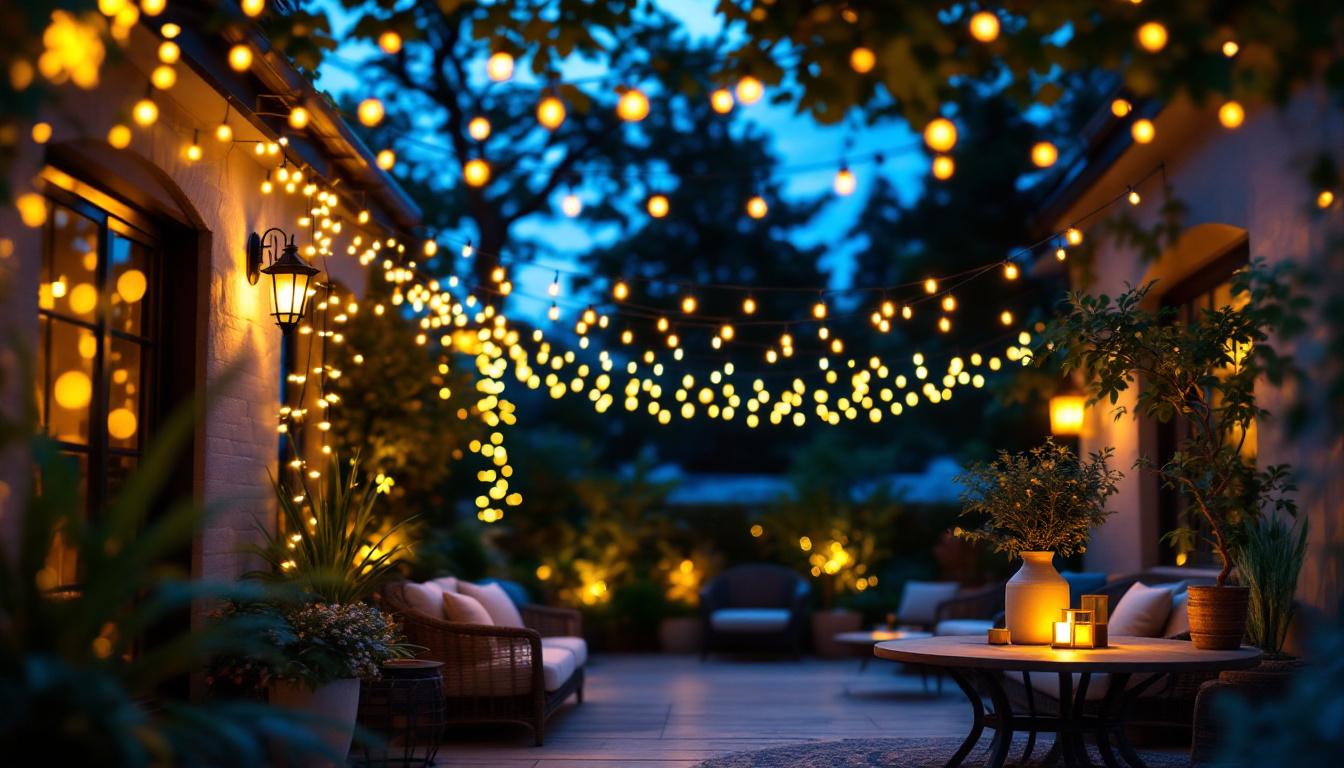
Patio light strands have become an essential element in both residential and commercial outdoor lighting design. For lighting contractors, understanding the nuances of these versatile fixtures is crucial to delivering effective, safe, and aesthetically pleasing installations. Patio light strands not only enhance the ambiance of outdoor spaces but also offer practical illumination solutions for patios, decks, gardens, and event venues.
Given the increasing demand for outdoor living spaces, the market for patio light strands continues to grow rapidly. This growth is driven by homeowners seeking to extend their living areas outdoors and businesses aiming to create inviting atmospheres for customers. For lighting contractors, this trend presents an opportunity to expand service offerings and deepen expertise in outdoor lighting technologies.
One of the most appealing aspects of patio light strands is their versatility in design and application. Available in a variety of styles, including vintage Edison bulbs, modern LED options, and even solar-powered variants, these lights can cater to a wide range of aesthetic preferences and functional needs. For instance, string lights can be draped elegantly across a patio for a cozy, romantic feel, or they can be arranged in geometric patterns for a more contemporary look. Additionally, the ability to customize the length and spacing of the strands allows for unique configurations that can fit any outdoor layout, making them a favorite among designers and homeowners alike.
Moreover, patio light strands are not just about aesthetics; they also play a significant role in enhancing safety and usability in outdoor spaces. Properly placed lighting can illuminate pathways, steps, and seating areas, reducing the risk of accidents during evening gatherings. Furthermore, with advancements in smart lighting technology, many patio light strands now come equipped with features such as dimming capabilities, color-changing options, and remote control functions. This integration of technology not only adds convenience but also allows for dynamic lighting schemes that can adapt to different occasions, from lively summer parties to quiet, intimate dinners under the stars.
Types of Patio Light Strands
Incandescent vs. LED Light Strands
One of the primary distinctions in patio light strands is the type of bulbs used. Incandescent strands have been traditional favorites due to their warm glow and relatively low upfront cost. However, they consume more energy and have a shorter lifespan compared to LED strands.
LED patio light strands are increasingly preferred for their energy efficiency, durability, and versatility. LEDs can last up to 25 times longer than incandescent bulbs and use a fraction of the electricity, which significantly reduces operating costs over time. Furthermore, LEDs offer a range of color temperatures and dimming capabilities, allowing contractors to tailor lighting schemes to client preferences. The ability to select from warm white to cool daylight tones means that homeowners can create the perfect ambiance for any occasion, from cozy gatherings to vibrant parties.
Bulb Styles and Sizes
Lighting contractors should be familiar with the various bulb styles available for patio light strands. Common types include globe bulbs, Edison-style filament bulbs, and mini bulbs. Globe bulbs, often sized at G40, G50, or G60, provide a classic look and are popular for creating an inviting atmosphere. Edison bulbs, with their vintage filament design, add character and charm, especially in rustic or industrial-themed spaces.
Mini bulbs, while less common for patio strands, can be used for accent lighting or in tighter spaces. Understanding the visual impact and technical specifications of each bulb style helps contractors recommend the best option for each project. Additionally, the choice of bulb can influence the overall design aesthetic; for instance, using a mix of bulb styles can create a playful and eclectic vibe, while uniformity in bulb type can lend a more polished and cohesive look. The right combination can transform an outdoor area into a stunning visual experience.
Wiring and Voltage Considerations
Patio light strands typically come in low-voltage (12V) and line-voltage (120V) options. Low-voltage systems are safer and often preferred for residential installations, especially where the wiring will be exposed or accessible. They require a transformer to step down the voltage and allow for flexible placement without the risk of electrical hazards.
Line-voltage strands are more common in commercial settings or where longer runs are needed without voltage drop concerns. Contractors must evaluate the installation environment, local electrical codes, and client needs when selecting the appropriate voltage system. Additionally, it’s essential to consider the potential for expansion; opting for a low-voltage system can provide the flexibility to easily add more lights in the future without the need for extensive rewiring. This adaptability not only enhances the functionality of the lighting design but also allows homeowners to evolve their outdoor spaces as their needs change over time.
Installation Best Practices for Lighting Contractors
Site Assessment and Planning
Successful patio light strand installations start with thorough site assessments. Contractors should evaluate the layout of the outdoor space, power source locations, and potential mounting points. It is essential to consider factors such as tree placement, pergolas, or existing structures that can support the strands.
Planning also involves calculating the total length of light strands required and determining the optimal spacing between bulbs to achieve uniform illumination. Contractors often use layout diagrams or software tools to visualize the design and communicate it effectively with clients.
Mounting Techniques and Hardware
Proper mounting is critical to ensure the longevity and safety of patio light strands. Common mounting hardware includes hooks, eye bolts, and cable ties. Lighting contractors should select hardware that is weather-resistant and compatible with the mounting surface, whether it is wood, metal, or masonry.
When installing, it is important to maintain appropriate tension on the strands to prevent sagging without overstressing the wires. Additionally, securing the strands away from high-traffic areas reduces the risk of accidental damage or tripping hazards.
Electrical Safety and Code Compliance
Adhering to electrical codes and safety standards is non-negotiable. Contractors must ensure that all outdoor lighting installations are rated for wet or damp locations and that connections are properly sealed against moisture ingress. Using outdoor-rated extension cords and GFCI-protected outlets is essential to prevent electrical shock and fire hazards.
Local codes may also dictate specific requirements regarding wiring methods, grounding, and circuit protection. Staying current with these regulations protects contractors from liability and ensures client safety.
Enhancing Outdoor Spaces with Patio Light Strands
Creating Ambiance and Mood
Patio light strands are a powerful tool for setting the mood in outdoor environments. Warm white bulbs create a cozy, inviting atmosphere ideal for residential patios and intimate gatherings. In contrast, cooler white or color-changing LEDs can energize commercial spaces or event venues.
Lighting contractors can recommend dimmable systems or smart controls that allow clients to adjust brightness and color temperature according to the occasion. This flexibility enhances user experience and adds value to the installation.
Combining with Other Lighting Elements
For comprehensive outdoor lighting designs, patio light strands are often combined with other fixtures such as pathway lights, spotlights, and wall sconces. This layered approach improves functionality and highlights architectural or landscape features.
Contractors should consider how patio light strands integrate with existing lighting systems and ensure compatibility with control mechanisms. Coordinated lighting schemes can transform outdoor spaces into multifunctional areas suitable for dining, entertaining, or relaxation.
Seasonal and Event Lighting Applications
Patio light strands are popular for seasonal decorations and special events, including weddings, festivals, and holiday celebrations. Their ease of installation and removal makes them ideal for temporary setups.
Lighting contractors working with event planners or property managers should offer flexible solutions that accommodate varying layouts and power availability. Portable power sources and modular strand designs can facilitate quick changes and reconfigurations.
Maintenance and Troubleshooting Tips
Routine Inspection and Cleaning
Regular maintenance extends the life of patio light strands and ensures consistent performance. Contractors should advise clients to inspect bulbs for damage, check wiring for wear or corrosion, and clean lenses to maintain brightness.
Accumulated dirt, insects, or moisture can degrade light quality and pose safety risks. Using gentle cleaning methods and weatherproof covers helps preserve the integrity of the installation.
Common Issues and Solutions
Lighting contractors often encounter problems such as flickering bulbs, strand failures, or uneven illumination. Flickering can result from loose connections, incompatible dimmers, or voltage fluctuations. Tightening connections and verifying compatibility usually resolves these issues.
Strand failures may require replacing individual bulbs or sections of wiring. Contractors should stock compatible replacement parts and be prepared to perform quick repairs. Uneven illumination often stems from improper bulb spacing or voltage drop, which can be addressed during the design phase or corrected by adding additional power sources.
Upgrading and Retrofitting Existing Installations
Many clients seek to upgrade older incandescent patio light strands to modern LED systems. Contractors can provide retrofit services that improve energy efficiency and lighting quality without extensive rewiring.
Retrofitting may involve replacing bulbs, installing new transformers, or integrating smart controls. Offering these upgrades positions contractors as trusted advisors and helps build long-term client relationships.
Conclusion: Mastering Patio Light Strands for Professional Success
For lighting contractors, expertise in patio light strands is a valuable asset that meets growing market demands. By understanding the types, installation techniques, design considerations, and maintenance requirements, contractors can deliver high-quality outdoor lighting solutions that enhance client satisfaction and safety.
Staying informed about technological advancements and evolving electrical codes ensures that installations remain compliant and efficient. Ultimately, mastering patio light strands empowers contractors to create inviting, functional outdoor spaces that stand out in a competitive industry.
Illuminate Your Projects with LumenWholesale
Ready to elevate your outdoor lighting projects with the finest patio light strands? At LumenWholesale, we provide lighting contractors with exceptional, spec-grade lighting solutions at the most competitive wholesale prices. Say goodbye to local distributor markups and hello to a vast selection of industry-standard lighting that promises reliability and high performance for every installation. With free shipping on bulk orders, LumenWholesale is your go-to source for premium lighting without the hidden fees. Don’t compromise on quality or value—discover wholesale lighting at the best value today and bring your outdoor spaces to life.