Understanding Linear Lamps: Fundamentals and Applications
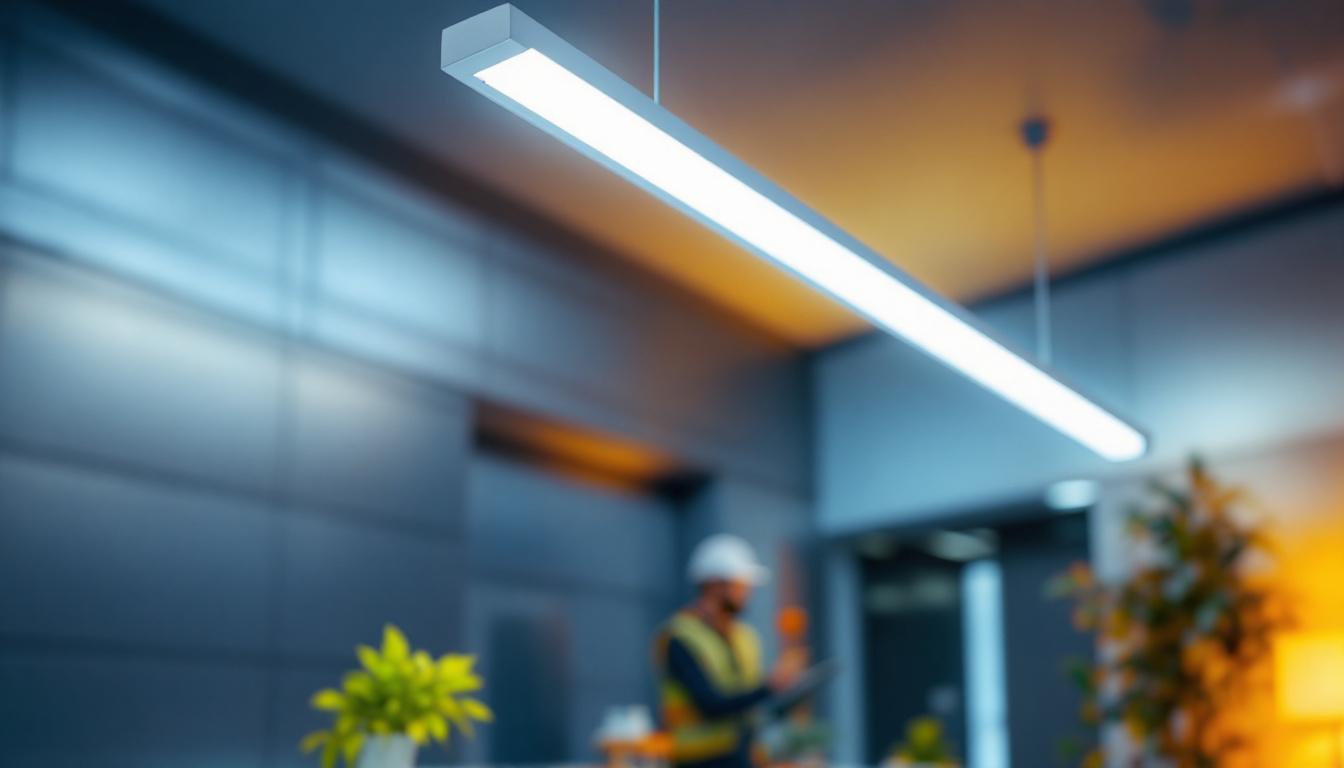
Linear lamps have become a cornerstone in modern lighting design, especially for commercial, industrial, and architectural projects. Their elongated shape and uniform light distribution make them ideal for a variety of applications, ranging from office spaces to retail environments and warehouses. For lighting contractors, understanding the nuances of linear lamps is essential to delivering efficient, durable, and aesthetically pleasing lighting solutions.
At their core, linear lamps are designed to provide consistent illumination over a broad area. Unlike point-source lamps, which concentrate light in a single spot, linear lamps spread light evenly along their length. This characteristic reduces shadows and glare, creating a comfortable visual environment. The most common types include fluorescent linear lamps, LED linear lamps, and, less frequently, incandescent or halogen linear options.
Common Types of Linear Lamps
Fluorescent linear lamps have been a staple in commercial lighting for decades due to their efficiency and relatively low cost. However, the rise of LED technology has revolutionized the market. LED linear lamps offer superior energy efficiency, longer lifespan, and greater design flexibility. They also provide instant-on capabilities and improved color rendering, which are critical factors in many lighting projects.
Lighting contractors should be familiar with the various sizes and configurations of linear lamps. Standard diameters such as T5, T8, and T12 refer to the lamp’s diameter in eighths of an inch, with T5 being the slimmest and most energy-efficient in many cases. The length of linear lamps can vary widely, from short 2-foot models to 8-foot variants, allowing for customization based on fixture design and lighting requirements.
In addition to their size and shape, linear lamps can also be tailored to specific applications through various color temperatures and dimming capabilities. Color temperatures, measured in Kelvin, can range from warm white (around 2700K) to cool daylight (up to 6500K), allowing designers to create the desired ambiance for different environments. For instance, warmer tones are often preferred in hospitality settings to create a cozy atmosphere, while cooler tones are ideal for workspaces that require focus and concentration. Furthermore, many modern linear lamps come with integrated dimming features, enabling users to adjust brightness levels according to the time of day or specific tasks, enhancing both energy savings and user comfort.
Another significant aspect of linear lamps is their mounting options. They can be installed in various configurations, including surface-mounted, suspended, or recessed fixtures, providing flexibility in design and functionality. This versatility allows architects and designers to incorporate linear lighting seamlessly into their projects, whether as a primary light source or as an accent feature. Additionally, the ability to link multiple linear lamps together in a continuous run can create a striking visual effect, making them a popular choice for long corridors, retail displays, and open-plan offices. As the demand for innovative lighting solutions continues to grow, understanding the full range of options available with linear lamps is crucial for lighting professionals looking to stay ahead in the industry.
Key Considerations When Selecting Linear Lamps
Choosing the right linear lamp involves more than just picking the correct size and type. Lighting contractors must evaluate several critical factors to ensure optimal performance and client satisfaction.
Energy Efficiency and Cost Savings
Energy consumption is a major concern for both contractors and clients. Linear LED lamps typically consume 40-60% less energy than traditional fluorescent lamps while delivering equivalent or superior light output. This efficiency translates directly into lower operating costs and reduced environmental impact. When specifying linear lamps, contractors should consider the lamp’s lumen output per watt, which indicates its efficiency.
Additionally, the longer lifespan of LED linear lamps—often exceeding 50,000 hours—reduces maintenance costs and downtime. In contrast, fluorescent lamps generally last between 15,000 and 30,000 hours. These factors can significantly influence the total cost of ownership over the life of the installation. Furthermore, many utility companies offer rebates or incentives for the installation of energy-efficient lighting solutions, providing an additional financial benefit that can enhance the appeal of LED options for clients.
Color Temperature and Color Rendering
Color temperature, measured in Kelvins (K), affects the ambiance and functionality of a space. Linear lamps are available in a range of color temperatures, from warm white (2700K-3000K) to cool white (4000K-5000K) and daylight (5000K-6500K). Selecting the appropriate color temperature is crucial; for example, warm white is often preferred in hospitality settings for its inviting feel, while cool white or daylight is favored in offices and industrial environments for better visibility and alertness.
Color Rendering Index (CRI) is another important metric, indicating how accurately a light source reveals the colors of objects compared to natural light. A CRI of 80 or above is generally recommended for most commercial applications, while retail or design-focused environments may require CRIs of 90 or higher to enhance product appearance. Additionally, the choice of color temperature and CRI can influence employee productivity and mood, making it essential for contractors to discuss these options with clients to align lighting choices with the intended use of the space.
Compatibility with Fixtures and Controls
Lighting contractors must ensure that the selected linear lamps are compatible with existing or planned fixtures. This includes verifying the lamp’s base type, length, and electrical requirements. For retrofit projects, compatibility with ballasts or drivers is critical. LED linear lamps often require specific LED drivers or may be designed to bypass fluorescent ballasts altogether.
Integration with lighting controls such as dimmers, occupancy sensors, and daylight harvesting systems is increasingly important for energy management. Not all linear lamps are dimmable or compatible with all control systems, so contractors should consult manufacturer specifications and test installations when possible. Moreover, the ability to control lighting dynamically can enhance user experience and energy savings, allowing spaces to adapt to varying occupancy levels and natural light conditions. As smart building technologies become more prevalent, ensuring that linear lamps can seamlessly integrate with these advanced systems will be a key consideration for forward-thinking contractors.
Installation Best Practices for Linear Lamps
Proper installation is vital to maximize the performance and longevity of linear lamps. Lighting contractors must follow industry standards and manufacturer guidelines to ensure safety and functionality.
Handling and Safety Precautions
Linear lamps, especially fluorescent tubes, can be fragile and contain hazardous materials like mercury. Contractors should handle lamps carefully, using protective gloves and eye protection when necessary. Disposal of fluorescent lamps must comply with local regulations due to their toxic components.
LED linear lamps are generally more robust but still require careful handling to avoid damage to the diodes and circuitry. Avoid touching LED surfaces directly and ensure proper static discharge precautions during installation.
Electrical and Mechanical Installation
Electrical connections must be secure and conform to local electrical codes. For fluorescent lamps, proper ballast wiring is essential to prevent flickering or premature failure. When installing LED linear lamps, ensure correct polarity and verify driver compatibility.
Mechanically, linear lamps should be securely mounted within fixtures to prevent vibration or movement that could damage the lamp or reduce light quality. In recessed or surface-mounted fixtures, alignment is critical to achieve uniform illumination and avoid dark spots.
Testing and Commissioning
After installation, thorough testing is necessary to confirm that lamps operate correctly and meet design specifications. This includes checking light output, color consistency, and control system functionality. Contractors should document test results and provide clients with maintenance recommendations to prolong lamp life and performance.
Emerging Trends and Innovations in Linear Lighting
The lighting industry is rapidly evolving, and linear lamps are at the forefront of several exciting innovations. Staying informed about these trends enables contractors to offer cutting-edge solutions that meet client demands for efficiency, aesthetics, and smart technology integration.
Smart Linear Lighting Systems
Integration of linear lamps with smart lighting controls and IoT (Internet of Things) technology is transforming how spaces are illuminated and managed. Smart linear lamps can be controlled remotely, programmed for dynamic lighting scenes, and integrated with building management systems to optimize energy use.
For contractors, this means expanding skill sets to include networked lighting controls and data analytics. Offering smart lighting solutions can differentiate services and add value for clients seeking modern, sustainable buildings.
Human-Centric Lighting
Human-centric lighting focuses on adjusting light quality and intensity to support human health and productivity. Linear lamps with tunable white technology allow dynamic changes in color temperature throughout the day, mimicking natural daylight patterns. This approach can improve occupant well-being, reduce fatigue, and enhance concentration.
Contractors involved in office, educational, or healthcare projects should consider specifying tunable linear lamps to meet growing demand for evidence-based lighting design.
Sustainability and Environmental Impact
With increasing emphasis on green building certifications and energy codes, sustainable lighting solutions are more important than ever. Linear LED lamps contribute to LEED and WELL certifications through energy savings, reduced waste, and improved indoor environmental quality.
Contractors can support sustainability goals by selecting lamps with recyclable components, low mercury content, and certifications such as ENERGY STAR. Additionally, promoting proper disposal and recycling of old lamps helps minimize environmental impact.
Conclusion: Maximizing Value with Linear Lamps
For lighting contractors, mastering the selection, installation, and maintenance of linear lamps is key to delivering high-quality lighting solutions that meet client expectations and regulatory requirements. By understanding the technical aspects, embracing emerging technologies, and adhering to best practices, contractors can enhance project outcomes and foster long-term client relationships.
Linear lamps continue to evolve, offering greater efficiency, flexibility, and integration possibilities. Staying informed and adaptable will ensure contractors remain competitive and capable of addressing the diverse needs of today’s lighting projects.
Illuminate Your Projects with LumenWholesale
Ready to elevate your lighting projects with the highest quality linear lamps on the market? At LumenWholesale, we specialize in providing lighting contractors with spec-grade lighting solutions that combine quality, efficiency, and cost-effectiveness. Say goodbye to inflated markups and hello to our unbeatable wholesale prices, backed by free shipping for hassle-free bulk purchases. Don’t compromise on performance or price. Choose LumenWholesale for your next project and experience the ultimate in lighting excellence. Discover our extensive selection and Wholesale Lighting at the Best Value today.