Understanding Colored Can Lights: A Primer for Lighting Contractors
Can lights, also known as recessed lights, have long been a staple in residential and commercial lighting design. Their sleek, unobtrusive profile allows for versatile illumination without disrupting architectural aesthetics. However, the integration of colored can lights introduces an additional layer of complexity and opportunity that lighting contractors must grasp to meet evolving client demands and design trends.
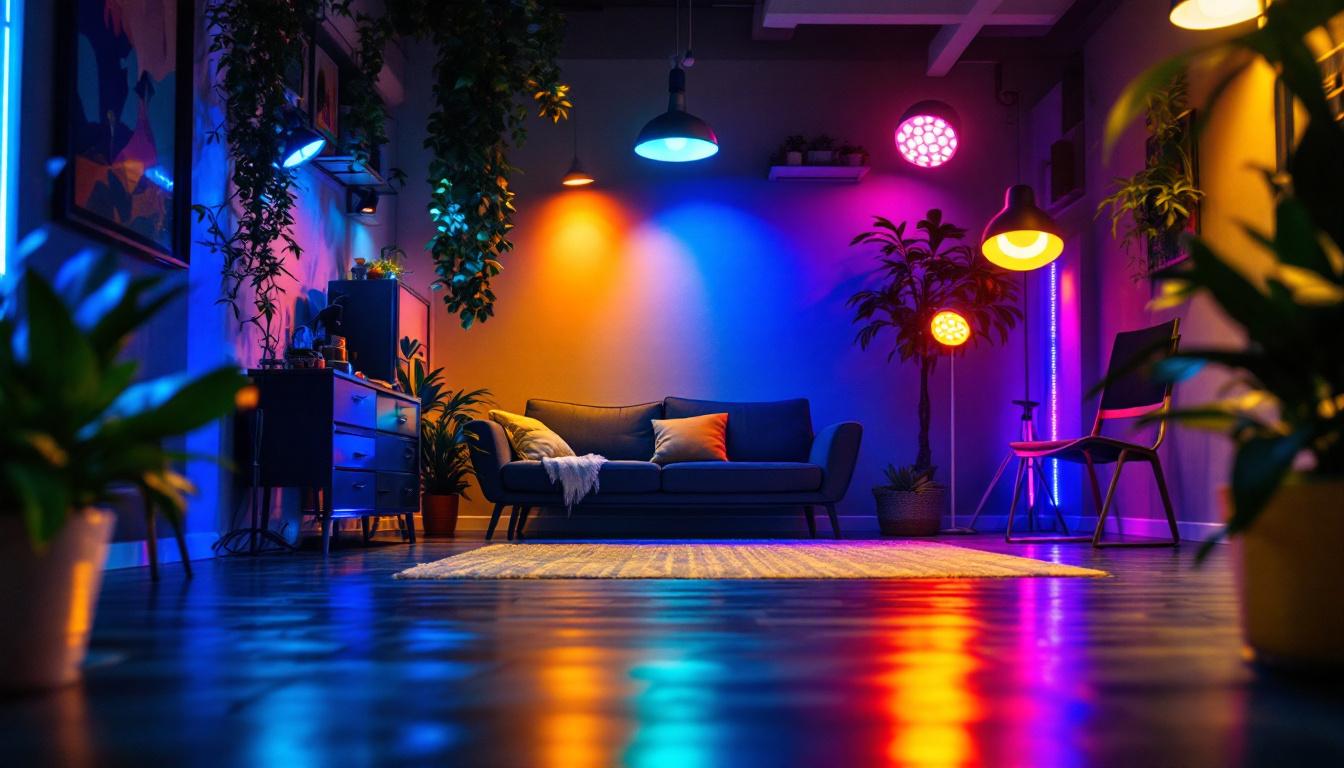
Colored can lights utilize LED technology to emit various hues, ranging from subtle warm tones to vibrant colors like blues, reds, and greens. This capability transforms a simple lighting fixture into a dynamic design element that can influence mood, highlight architectural features, and even impact the functionality of a space. For instance, using cooler tones can create a calming atmosphere in a spa-like bathroom, while warmer shades might be ideal for creating an inviting ambiance in a dining area.
For lighting contractors, understanding the technical, aesthetic, and practical implications of colored can lights is essential. It not only broadens the scope of services offered but also positions contractors as knowledgeable partners in creating innovative lighting solutions. Additionally, contractors should familiarize themselves with the various control systems available for colored can lights, such as dimmers and smart home integrations, which allow clients to customize their lighting experience. This knowledge can significantly enhance a contractor’s ability to provide tailored solutions that meet specific client needs and preferences.
Moreover, the application of colored can lights extends beyond mere aesthetics; they can be strategically employed to enhance safety and visibility in commercial spaces. For example, utilizing bright, attention-grabbing colors in retail environments can draw customers’ eyes to specific products or promotions, while softer hues in hallways can guide patrons without overwhelming them. Understanding the psychology of color and its effects on human behavior can empower lighting contractors to make informed recommendations that align with their clients’ branding and operational goals.
The Technical Considerations of Installing Colored Can Lights
LED Technology and Color Rendering
At the core of colored can lights is LED technology, which offers superior energy efficiency and longevity compared to traditional incandescent or halogen bulbs. However, when dealing with colored LEDs, contractors must pay close attention to the color rendering index (CRI) and color temperature. While CRI measures how accurately a light source reveals the colors of objects, colored LEDs often have lower CRI values, which can affect the appearance of surfaces and materials under their illumination.
Contractors should advise clients on selecting the appropriate color and intensity to ensure that the lighting enhances rather than detracts from the space. For example, in retail environments, accurate color rendering is critical to showcase merchandise effectively, whereas in entertainment venues, dramatic colored lighting may be prioritized over CRI. Additionally, the choice of color temperature, ranging from warm whites to cool blues, can evoke different moods and atmospheres. Warm tones can create a cozy and inviting environment, while cooler tones can lend a modern and energetic feel, making it essential for contractors to understand the psychological impact of color in their designs.
Power Requirements and Compatibility
Colored can lights often require specific drivers or transformers compatible with their LED modules. Unlike standard white LED can lights, which can sometimes be retrofitted into existing housings, colored variants may necessitate new fixtures or additional components. Lighting contractors must evaluate the existing electrical infrastructure to ensure compatibility and avoid issues such as flickering or premature failure.
Moreover, dimming capabilities are a significant consideration. Many colored LEDs are designed to work with specific dimmers, and using incompatible dimming controls can lead to inconsistent color output or damage to the fixture. Contractors should stay informed about the latest dimming technologies and manufacturers’ recommendations to provide reliable installations. Furthermore, it is essential to educate clients about the benefits of smart lighting systems, which allow for customizable color settings and scheduling, thereby enhancing the functionality and versatility of colored can lights in various settings.
Heat Management and Fixture Selection
Though LEDs generate less heat than traditional bulbs, colored LEDs can still produce heat that needs to be managed effectively to maintain performance and longevity. Can light housings must be selected with proper thermal management in mind, especially when multiple colored fixtures are installed in close proximity.
Contractors should consider the insulation contact (IC) rating of housings and ensure that fixtures are rated for the environment in which they will be installed, such as damp or wet locations. Proper ventilation and spacing can prevent overheating, which might otherwise lead to color shifts or fixture failure. Additionally, the choice of materials used in the fixture’s construction can impact heat dissipation; aluminum housings, for instance, can provide better thermal conductivity compared to plastic alternatives. By prioritizing these factors, contractors can ensure that their installations not only meet aesthetic goals but also perform reliably over time, reducing the need for future maintenance or replacements.
Design Implications and Client Communication
Enhancing Ambiance and Functionality
Colored can lights offer unparalleled flexibility in shaping the ambiance of a space. For instance, warm amber tones can create a cozy, inviting atmosphere in hospitality settings, while cooler blues and greens might be used in healthcare facilities to promote calmness and focus. Lighting contractors who understand these psychological effects can better guide clients in selecting colors that align with the intended use of the space.
Additionally, colored lighting can serve functional purposes beyond aesthetics. In museums or galleries, specific colored lighting can highlight artworks without causing damage, while in industrial settings, color-coded lighting can improve safety by signaling different operational statuses.
Collaboration with Designers and Clients
Successful implementation of colored can lights often requires close collaboration between lighting contractors, interior designers, architects, and clients. Contractors should be proactive in discussing the possibilities and limitations of colored lighting early in the project planning phase. This collaboration ensures that the lighting design complements other design elements and meets practical requirements.
Providing clients with visual aids such as mock-ups, renderings, or even temporary installations can help manage expectations and facilitate informed decision-making. Contractors who excel in communication and education are more likely to foster trust and repeat business.
Installation Best Practices and Troubleshooting
Pre-Installation Planning
Thorough planning is critical when installing colored can lights. Contractors should verify the specifications of each fixture, including voltage, wattage, and control compatibility. Mapping out the lighting layout to optimize color distribution and avoid unwanted shadows or glare is equally important.
Additionally, coordinating with electricians and other trades ensures that wiring and control systems are installed correctly and safely. This coordination helps prevent costly rework and project delays.
Installation Techniques
Proper installation techniques include securing fixtures firmly to prevent movement, ensuring airtight seals to maintain energy efficiency, and correctly wiring dimmers or controllers. When installing multiple colored can lights, maintaining consistent color temperature and brightness across fixtures is essential for a cohesive look.
Contractors should also test each fixture individually and as part of the overall system before project completion to identify and resolve any issues promptly.
Common Issues and Solutions
Some common challenges with colored can lights include color inconsistency, flickering, and dimmer incompatibility. Color inconsistency can arise from mixing different batches of LEDs or using fixtures from different manufacturers. To mitigate this, contractors should source fixtures from reputable suppliers and use fixtures from the same production batch when possible.
Flickering often results from incompatible dimmers or wiring problems. Using LED-compatible dimmers and verifying wiring integrity can resolve most flickering issues. Additionally, contractors should be prepared to educate clients on proper use and maintenance to prolong fixture life and performance.
Market Trends and Business Opportunities for Lighting Contractors
Growing Demand for Dynamic and Smart Lighting
The lighting industry is rapidly evolving with the rise of smart lighting systems that allow users to control color, intensity, and scheduling via mobile apps or voice commands. Colored can lights are increasingly integrated into these systems, offering clients unprecedented control and customization.
Lighting contractors who embrace these technologies can differentiate themselves in a competitive market. Offering expertise in smart lighting installation and programming positions contractors as forward-thinking professionals capable of delivering cutting-edge solutions.
Expanding into New Markets and Applications
Beyond traditional residential and commercial projects, colored can lights are gaining traction in hospitality, entertainment, retail, healthcare, and even outdoor environments. Each sector presents unique challenges and opportunities, from creating immersive experiences in restaurants to enhancing patient well-being in hospitals.
Contractors who develop specialized knowledge in these niches can expand their service offerings and tap into lucrative markets. Staying informed about industry standards, certifications, and emerging technologies is crucial for sustained success.
Environmental and Energy Efficiency Considerations
With increasing emphasis on sustainability, colored LED can lights offer significant energy savings compared to older lighting technologies. Contractors can leverage this advantage by promoting energy-efficient solutions that reduce operating costs and environmental impact.
Moreover, many jurisdictions have adopted regulations and incentive programs encouraging the use of energy-efficient lighting. Contractors who are knowledgeable about these programs can assist clients in securing rebates or tax credits, enhancing the value of their services.
Conclusion: The Strategic Importance of Colored Can Lights for Lighting Contractors
Colored can lights represent more than just a decorative option; they embody a convergence of technology, design, and functionality that can elevate any lighting project. For lighting contractors, mastering the nuances of colored can lights—from technical specifications to client communication—is essential for delivering superior results and staying competitive.
By investing in education, embracing smart technologies, and fostering collaborative relationships with designers and clients, contractors can unlock new business opportunities and contribute meaningfully to the evolving landscape of lighting design. Ultimately, understanding why colored can lights matter equips contractors to illuminate spaces with creativity, precision, and professionalism.
Illuminate with Excellence and Affordability at LumenWholesale
Ready to elevate your lighting projects with the vibrant versatility of colored can lights? At LumenWholesale, we provide lighting contractors with the highest quality, spec-grade lighting products at prices that can’t be beaten. Say goodbye to unnecessary markups and hello to a vast selection of reliable, high-performance lighting that meets rigorous industry standards. Plus, with free shipping on bulk orders, you can stock up on premium lighting solutions without worrying about hidden fees. Don’t compromise on quality or cost—choose LumenWholesale for the perfect fusion of excellence and value. Wholesale Lighting at the Best Value is just a click away.