Understanding Outdoor UV Lighting and Its Applications
Ultraviolet (UV) lighting has become an increasingly popular solution in outdoor environments, offering benefits ranging from aesthetic enhancements to functional applications such as pest control and sanitation. For lighting contractors, understanding the nuances of UV light technology is essential to delivering effective, safe, and durable installations.
UV light, invisible to the naked eye, spans wavelengths from approximately 100 to 400 nanometers and is divided into UVA, UVB, and UVC categories. Outdoor UV lighting typically utilizes UVA or UVB for decorative or insect-attracting purposes, while UVC is more commonly reserved for sterilization but is rarely used in open outdoor spaces due to safety concerns.
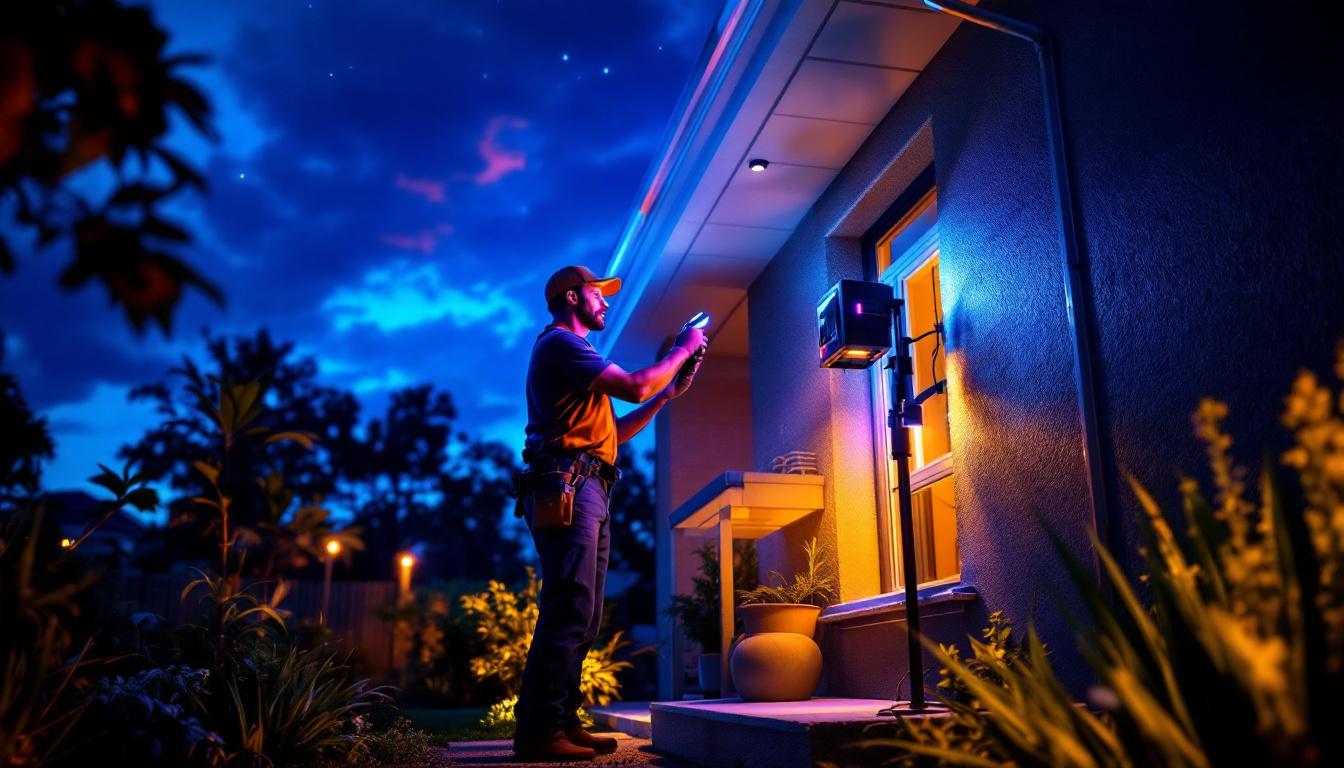
Applications for outdoor UV lighting include illuminating architectural features with a unique glow, enhancing security lighting, and integrating pest control systems that attract and eliminate insects without harmful chemicals. Contractors must tailor their approach based on the intended function and environment to maximize performance and client satisfaction.
Moreover, the integration of UV lighting into outdoor spaces can significantly enhance the ambiance of gardens, patios, and walkways. By strategically placing UV lights, contractors can create a captivating atmosphere that highlights the natural beauty of plants and landscaping features, making outdoor areas more inviting for social gatherings or quiet evenings. Additionally, UV lighting can serve as a deterrent for unwanted wildlife, as many pests are drawn to the light, allowing for a more enjoyable outdoor experience without the need for chemical repellents.
Furthermore, the energy efficiency of modern UV lighting technologies cannot be overlooked. Many UV lights now utilize LED technology, which not only reduces energy consumption but also extends the lifespan of the lighting fixtures. This advancement means that contractors can offer clients sustainable solutions that are both cost-effective and environmentally friendly. As awareness of the benefits of UV lighting continues to grow, it is likely that more innovative applications will emerge, further expanding the possibilities for outdoor lighting design and functionality.
Common Challenges Faced by Lighting Contractors with Outdoor UV Installations
Environmental Exposure and Durability
One of the most significant challenges in outdoor UV lighting is the harsh environmental conditions that fixtures must endure. Exposure to rain, wind, dust, and temperature fluctuations can degrade materials and reduce the lifespan of UV lamps and their housings.
UV light itself can accelerate material degradation, particularly plastics and certain coatings, leading to discoloration, brittleness, or cracking. Contractors must select fixtures with UV-resistant materials and robust weatherproof ratings, such as IP65 or higher, to ensure longevity and reduce maintenance costs. Furthermore, the installation location can also present unique challenges; for example, areas with high humidity or saltwater exposure, such as coastal regions, necessitate even more resilient materials and protective coatings to prevent corrosion and ensure functionality over time.
Safety Concerns and Regulatory Compliance
UV radiation poses health risks, including skin burns and eye injuries, if improperly managed. Lighting contractors need to be well-versed in safety standards and regulations governing UV light usage in outdoor settings. This includes understanding maximum permissible exposure limits and ensuring that installations do not inadvertently expose the public or workers to harmful UV levels.
Proper shielding, strategic placement, and the use of timers or sensors to control operation times can mitigate risks. Compliance with local codes and industry standards is not only a legal obligation but also critical for maintaining a contractor’s reputation and avoiding liability. Additionally, educating clients and end-users about the potential hazards and safety measures associated with UV lighting can foster a safer environment and enhance customer satisfaction. Providing clear signage and instructions for safe operation can further reduce the likelihood of accidents and promote responsible usage.
Electrical and Technical Challenges
UV lighting systems often require specialized ballasts, drivers, or power supplies that differ from conventional lighting. Incorrect electrical installation can lead to premature failure, flickering, or inconsistent UV output.
Additionally, contractors must consider compatibility with existing control systems, such as dimmers or smart lighting networks, which may not always support UV fixtures. Proper training and manufacturer consultation are vital to ensure seamless integration and optimal performance. Moreover, the installation of UV lighting systems may necessitate additional electrical infrastructure, such as dedicated circuits or enhanced grounding solutions, to manage the unique power demands and ensure safety. Understanding the intricacies of these systems can significantly impact the overall success of the project, making it essential for contractors to stay updated on the latest technologies and installation techniques in the rapidly evolving field of UV lighting.
Best Practices for Successful Outdoor UV Lighting Installations
Thorough Site Assessment and Planning
Before installation, conducting a detailed site assessment is crucial. This includes evaluating environmental conditions, potential sources of interference, and the specific objectives of the UV lighting system. For example, if the goal is insect control, positioning fixtures near entry points or areas of high insect activity is essential.
Understanding the spatial layout and potential obstacles helps in selecting appropriate fixture types and quantities. Planning also involves coordinating with other trades to avoid conflicts with landscaping, signage, or electrical infrastructure. Additionally, it is beneficial to consider the seasonal variations in light and weather conditions, as these can significantly impact the effectiveness of UV lighting. For instance, areas that receive heavy snowfall may require fixtures that can withstand the weight and prevent blockage, while regions with high humidity may necessitate additional moisture protection measures.
Choosing the Right Fixtures and Components
Selecting high-quality UV fixtures designed explicitly for outdoor use is fundamental. Features to prioritize include:
- UV-resistant materials: To prevent degradation from prolonged UV exposure.
- Weatherproof ratings: Ensuring protection against moisture and dust.
- Energy-efficient lamps: Such as LED-based UV lights, which offer longer life and lower power consumption compared to traditional mercury vapor lamps.
- Secure mounting options: To withstand wind and vandalism.
Consulting with manufacturers about the intended application can provide insights into the best products and configurations. Furthermore, it’s wise to explore the latest advancements in UV technology, such as smart UV lighting systems that can be integrated with IoT devices for enhanced control and monitoring. These systems can provide real-time data on performance and energy usage, allowing for more efficient management of outdoor lighting resources.
Implementing Safety Measures
Safety should be integrated into every stage of the project. This includes:
- Proper shielding: Using covers or louvers to direct UV light away from areas where people may be exposed.
- Signage and warnings: Informing occupants and maintenance personnel about UV light hazards.
- Operational controls: Installing timers, motion sensors, or remote controls to limit exposure duration.
- Training: Educating installation teams and clients on safe handling and maintenance procedures.
Adhering to these measures helps prevent accidents and ensures compliance with occupational health standards. Additionally, regular inspections and maintenance of the UV lighting system are vital to ensure ongoing safety and effectiveness. Implementing a routine check-up schedule can help identify any potential issues before they escalate, ensuring that the system operates at peak performance while maintaining a safe environment for all users. Furthermore, staying informed about the latest safety regulations and best practices in UV lighting can enhance the overall safety culture within the organization.
Maintenance Strategies to Prolong UV Light Effectiveness
Regular Cleaning and Inspection
Outdoor UV fixtures are prone to accumulating dirt, dust, and insect debris, which can significantly reduce UV output and effectiveness. Establishing a maintenance schedule that includes regular cleaning of lenses and housings is essential.
Inspections should also check for signs of wear, corrosion, or damage to wiring and mounting hardware. Early detection of issues can prevent costly repairs and downtime.
Timely Replacement of Lamps and Components
UV lamps degrade over time, even if they continue to emit visible light. Their UV output diminishes, reducing the system’s effectiveness, particularly in applications like pest control or sterilization. Contractors should advise clients on recommended replacement intervals based on manufacturer guidelines and usage patterns.
Using genuine replacement parts ensures compatibility and maintains system integrity. Keeping detailed maintenance records helps track performance and anticipate future needs.
Leveraging Technology and Innovations in Outdoor UV Lighting
Advancements in UV LED Technology
Recent developments in UV LED technology have transformed outdoor UV lighting by offering more energy-efficient, durable, and environmentally friendly options. Unlike traditional mercury vapor lamps, UV LEDs have instant start-up, longer lifespans, and do not contain hazardous materials.
Lighting contractors can leverage these benefits to provide clients with sustainable solutions that reduce operational costs and environmental impact. Additionally, UV LEDs enable more compact and versatile fixture designs, expanding the possibilities for creative and functional installations.
Integration with Smart Lighting Systems
Smart lighting controls, including wireless sensors and programmable timers, enhance the functionality and safety of outdoor UV lighting. These systems allow for precise control over operating hours, intensity, and response to environmental conditions such as ambient light or motion detection.
By integrating UV lighting with smart controls, contractors can optimize energy use, extend fixture life, and improve user experience. This approach aligns with the growing demand for intelligent and sustainable building technologies.
Conclusion: Delivering Reliable and Safe Outdoor UV Lighting Solutions
For lighting contractors, mastering the complexities of outdoor UV lighting is critical to avoiding common pitfalls and delivering high-quality installations. A comprehensive understanding of UV technology, environmental challenges, safety regulations, and maintenance requirements forms the foundation for success.
By adopting best practices in planning, product selection, safety implementation, and leveraging technological advancements, contractors can enhance the value they provide to clients while minimizing risks and operational issues. Ultimately, this expertise not only safeguards the contractor’s reputation but also contributes to the broader goals of sustainability, safety, and innovation in outdoor lighting.
Illuminate Your Projects with LumenWholesale
Ready to elevate your outdoor UV lighting installations with products that promise quality and value? Look no further than LumenWholesale. Our extensive range of spec-grade lighting solutions is designed to meet the rigorous demands of any outdoor environment, ensuring you deliver safe, reliable, and innovative lighting to your clients. With unbeatable wholesale prices and the convenience of free shipping on bulk orders, LumenWholesale is your go-to source for premium lighting without the premium price tag. Discover our selection and experience the best value in wholesale lighting today.