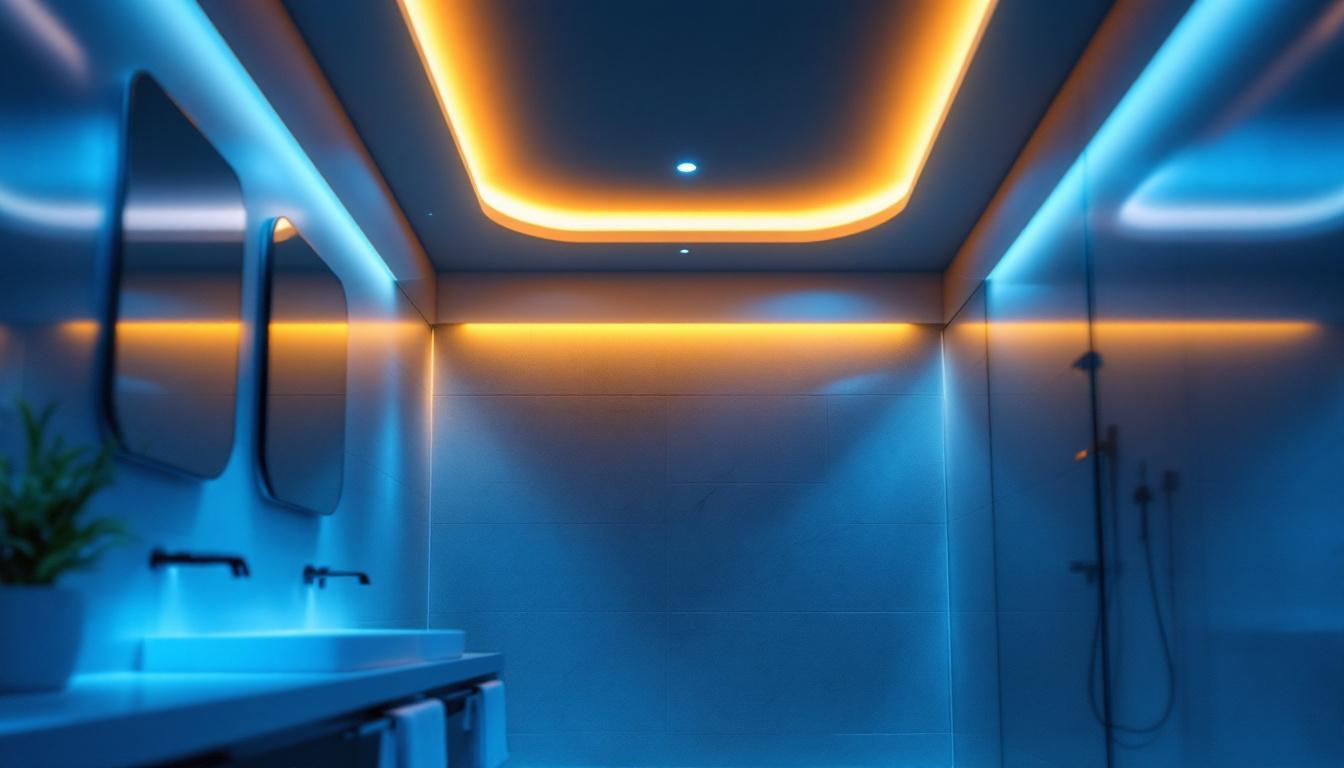
Understanding the Unique Challenges of LED Bathroom Ceiling Lighting
Lighting contractors working with LED bathroom ceiling fixtures face a distinct set of challenges that differ significantly from other residential or commercial lighting projects. Bathrooms, by nature, are high-moisture environments with varying temperature conditions, which can impact the performance and longevity of LED lighting installations. Moreover, the aesthetic and functional demands in bathrooms require careful consideration of light placement, brightness, and color temperature to ensure both safety and comfort.
One of the primary concerns contractors must address is moisture ingress. Bathrooms often experience high humidity levels, and condensation can accumulate on fixtures if they are not properly sealed or rated for damp or wet locations. This can lead to premature fixture failure, electrical hazards, or discoloration of the light output. Therefore, selecting LED ceiling lights with appropriate Ingress Protection (IP) ratings is critical to avoid these issues.
Another challenge is ensuring the lighting complements the bathroom’s design while providing sufficient illumination for tasks such as shaving, applying makeup, or showering. Poorly designed lighting can create shadows, glare, or uneven light distribution, which diminishes user experience and may lead to customer dissatisfaction.
In addition to moisture management and aesthetic considerations, the energy efficiency of LED fixtures presents both an opportunity and a challenge for contractors. While LEDs are known for their low energy consumption and long lifespan, the initial cost of high-quality fixtures can be a deterrent for some homeowners. Contractors must effectively communicate the long-term savings and environmental benefits of investing in quality LED lighting, emphasizing how these fixtures not only reduce electricity bills but also contribute to a more sustainable living environment. Educating clients about the importance of selecting energy-efficient products can help them make informed decisions that align with their values and budget.
Furthermore, the integration of smart technology into bathroom lighting systems is becoming increasingly popular. Many homeowners are looking for innovative solutions that allow them to control their lighting through mobile apps or voice commands. This trend presents an additional layer of complexity for contractors, who must stay updated on the latest smart lighting technologies and compatibility issues. Ensuring that LED fixtures can seamlessly integrate with existing smart home systems is essential for meeting modern consumer expectations and enhancing the overall functionality of bathroom spaces. As the demand for customizable lighting solutions grows, contractors must be prepared to offer tailored recommendations that cater to individual preferences and lifestyle needs.
Choosing the Right LED Ceiling Fixtures for Bathrooms
Importance of IP Ratings and Safety Certifications
Lighting contractors must prioritize fixtures that are specifically designed for bathroom use. The IP rating system classifies the degree of protection against solids and liquids. For bathroom ceilings, fixtures with at least an IP44 rating are generally recommended, meaning they are protected against water splashing from any direction. In zones closer to water sources, such as above the shower or bathtub, higher ratings like IP65 or IP67 may be necessary. These ratings ensure that the fixtures can withstand the unique challenges posed by a bathroom environment, where moisture levels can fluctuate dramatically.
Beyond IP ratings, ensuring fixtures have relevant safety certifications such as UL (Underwriters Laboratories) or ETL (Intertek) listings can provide additional assurance of product quality and compliance with electrical codes. These certifications indicate that the fixtures have undergone rigorous testing to meet safety standards, reducing risks of electrical faults or fire hazards. It’s also wise to consider the warranty offered by manufacturers; a longer warranty often reflects the confidence a brand has in the durability and reliability of its products, which is particularly important in high-moisture areas like bathrooms.
Fixture Design and Material Considerations
LED bathroom ceiling lights come in a variety of designs, from recessed downlights to surface-mounted panels. Contractors should assess the materials used in the fixture housing and lenses. Corrosion-resistant materials like aluminum or stainless steel are preferable in humid environments to prevent rust and degradation. Additionally, frosted or diffused lenses help in softening the light, reducing glare and creating a more comfortable ambiance. The choice of color temperature is also crucial; warmer tones (around 2700K to 3000K) can create a cozy atmosphere, while cooler tones (4000K and above) may be more suitable for tasks such as shaving or applying makeup.
Moreover, the aesthetic appeal of the fixtures should not be overlooked. With a wide range of styles available, from sleek modern designs to more traditional options, contractors can select fixtures that complement the overall decor of the bathroom. Consideration should also be given to the size and scale of the fixtures in relation to the bathroom space; oversized fixtures may overwhelm a small bathroom, while tiny lights may get lost in a larger area. Additionally, dimmable options can enhance versatility, allowing homeowners to adjust the brightness according to their needs, whether for a relaxing bath or a bright, invigorating morning routine.
Proper Installation Techniques to Prevent Common Issues
Ensuring Correct Electrical Connections and Wiring
One of the most frequent causes of LED lighting problems in bathrooms is improper wiring or electrical connections. Lighting contractors must follow local electrical codes meticulously and use waterproof connectors or junction boxes rated for damp locations. Loose connections or the use of non-rated components can lead to flickering, intermittent operation, or even electrical shorts.
It is also essential to verify the compatibility of LED drivers with the existing electrical system. Some LED fixtures require constant current drivers, while others operate on constant voltage. Using the wrong driver type can reduce fixture lifespan or cause performance issues.
Addressing Ventilation and Heat Dissipation
Although LEDs generate less heat than traditional incandescent bulbs, they still produce some heat that must be dissipated effectively. Bathrooms often have limited ventilation, which can trap heat and accelerate component wear. Contractors should ensure that ceiling fixtures have adequate clearance and are installed in a manner that allows airflow around the fixture. Some LED ceiling lights come with built-in heat sinks designed to manage thermal output, and these should not be obstructed during installation.
Optimizing Lighting Design for Functionality and Aesthetics
Balancing Brightness and Color Temperature
For bathroom ceiling lighting, achieving the right balance of brightness and color temperature is crucial. Lighting that is too dim can make routine tasks difficult, while excessively bright or cool-toned light can feel harsh and uninviting. Most lighting experts recommend LED lights in the range of 2700K to 3500K for bathrooms, which provides a warm to neutral white light that enhances skin tones and creates a relaxing atmosphere.
Contractors should also consider the lumen output to ensure sufficient illumination. A general guideline is to provide approximately 70-80 lumens per square foot of bathroom space, but this can vary depending on the size of the room and the presence of other light sources such as vanity lights or mirrors with integrated LEDs.
Strategic Placement and Layered Lighting
Ceiling lights should be positioned to minimize shadows and evenly distribute light across the bathroom. Recessed LED downlights spaced evenly can achieve this effect, but contractors should avoid placing lights directly above the user’s head to prevent unflattering shadows on the face. Combining ceiling lights with task lighting near mirrors and ambient lighting elements can create a layered lighting scheme that enhances both functionality and mood.
Maintenance and Longevity: Preventing Future Problems
Regular Inspection and Cleaning
To ensure long-term performance, contractors should advise clients on proper maintenance of LED bathroom ceiling lights. Moisture and dust can accumulate on fixtures, reducing light output and potentially causing damage. Regular cleaning with a soft, dry cloth and ensuring ventilation systems are functioning properly can extend fixture life.
Using Quality Components to Reduce Replacement Frequency
Investing in high-quality LED fixtures and components may have a higher upfront cost but can significantly reduce the frequency of replacements and repairs. Contractors should source products from reputable manufacturers with proven track records and warranties that cover both performance and safety.
Common Mistakes Lighting Contractors Should Avoid
Ignoring Local Building and Electrical Codes
Compliance with local codes is non-negotiable. Failure to adhere to regulations related to moisture-rated fixtures, wiring practices, and circuit protection can lead to failed inspections, safety hazards, and costly rework. Contractors must stay updated on code changes and ensure all installations meet or exceed these standards.
Overlooking Client Needs and Preferences
While technical expertise is vital, understanding the client’s lifestyle and preferences is equally important. Some clients may prioritize energy efficiency and long lifespan, while others may focus on aesthetics or dimming capabilities. Engaging clients in the selection process helps avoid dissatisfaction and ensures the lighting solution aligns with their expectations.
Neglecting Proper Testing Before Project Completion
Before finalizing an installation, contractors should thoroughly test all fixtures for proper operation, including dimming functions, color consistency, and absence of flicker. Early detection of issues allows for timely corrections and enhances overall project quality.
Conclusion: Best Practices for Successful LED Bathroom Ceiling Lighting Installations
LED bathroom ceiling lighting presents unique challenges that require lighting contractors to combine technical knowledge with careful planning and execution. By selecting fixtures with appropriate IP ratings and certifications, employing meticulous installation techniques, and optimizing lighting design for both function and aesthetics, contractors can avoid common pitfalls and deliver reliable, attractive lighting solutions.
Regular maintenance guidance and adherence to local codes further ensure that installations remain safe and effective over time. Ultimately, a thoughtful approach to LED bathroom ceiling lighting not only enhances the client’s experience but also strengthens the contractor’s reputation for quality and professionalism in this specialized niche.
Illuminate Your Projects with LumenWholesale
Ready to elevate your LED bathroom ceiling lighting installations? Choose LumenWholesale for an unparalleled selection of spec-grade lighting products at exceptional wholesale prices. Our commitment to quality and affordability ensures you have access to the best lighting solutions without the burden of inflated costs. Plus, with free shipping on bulk orders, you can stock up on premium lighting effortlessly. Don’t compromise on quality or value—visit Wholesale Lighting at the Best Value and discover the LumenWholesale difference for your next project.