Introduction to Pot Lights and Their Importance in Modern Lighting
Pot lights, also known as recessed lights or can lights, have become a staple in both residential and commercial lighting design. Their sleek, unobtrusive appearance allows for a clean ceiling line, making them ideal for a variety of applications. For lighting contractors, understanding the different types of pot lights is essential to delivering tailored lighting solutions that meet client needs and comply with building codes and energy standards.
Pot lights offer versatility in lighting design, from ambient illumination to accent lighting and task lighting. Their installation requires careful consideration of housing types, trims, bulb compatibility, and energy efficiency. This comprehensive guide explores the different types of pot lights, helping contractors make informed decisions to enhance project outcomes.
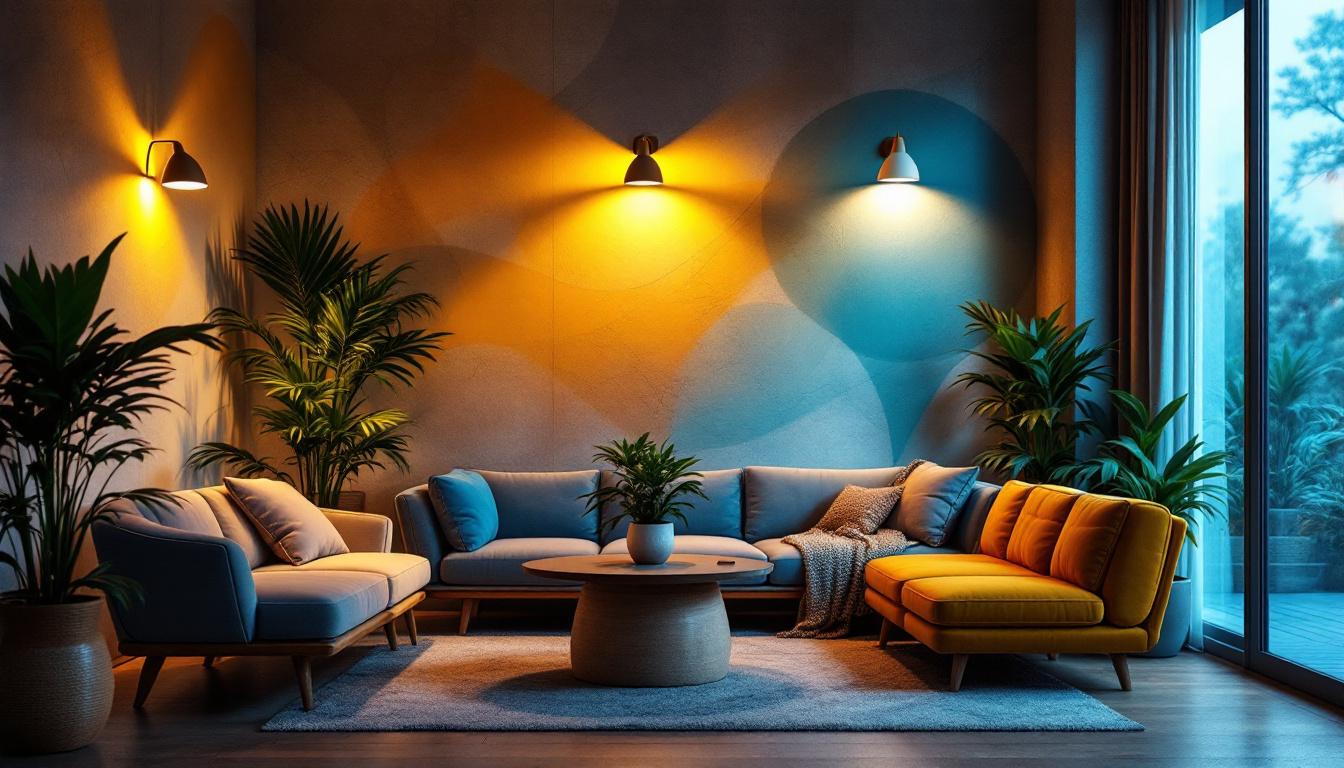
One of the key advantages of pot lights is their ability to blend seamlessly into any environment. Whether in a cozy living room, a modern kitchen, or a professional office space, pot lights can be strategically placed to create the desired atmosphere. For instance, in a kitchen, they can provide bright, focused light over countertops for meal preparation, while in a living room, they can be dimmed to create a warm and inviting ambiance for relaxation. Furthermore, advancements in LED technology have significantly improved the energy efficiency of pot lights, allowing homeowners and businesses to reduce their electricity bills while enjoying high-quality lighting.
In addition to their aesthetic and functional benefits, pot lights also offer flexibility in terms of control. Many modern pot lights can be integrated with smart home systems, allowing users to adjust brightness and color temperature through mobile apps or voice commands. This level of control not only enhances convenience but also enables users to customize their lighting to suit various activities or moods throughout the day. As the demand for smart lighting solutions continues to grow, understanding the integration of pot lights with smart technology will be crucial for contractors looking to stay ahead in the industry.
Types of Pot Light Housings: New Construction vs. Remodel
New Construction Housings
New construction housings are designed for installation in open ceiling spaces before drywall or ceiling finishes are applied. They typically feature mounting brackets or bars that attach directly to ceiling joists, ensuring secure placement. These housings are ideal for new builds or major renovations where the ceiling structure is accessible.
Lighting contractors should note that new construction housings often provide more options for insulation contact (IC) ratings and air-tightness, which are critical for energy efficiency and fire safety. Selecting the right housing type can prevent heat buildup and reduce energy loss. Additionally, many new construction housings come equipped with integrated LED technology, offering longer lifespans and lower energy consumption compared to traditional incandescent or halogen bulbs. This not only enhances the overall lighting quality but also contributes to a more sustainable building practice, aligning with modern energy codes and regulations.
Remodel Housings
Remodel housings are designed for retrofit installations where the ceiling is already finished. They can be inserted through a hole cut into the ceiling and secured with clips or springs that grip the drywall. Remodel housings are perfect for upgrading existing lighting without extensive demolition.
Contractors must ensure remodel housings are compatible with the ceiling thickness and insulation conditions. Some remodel housings are rated for direct contact with insulation (IC-rated), while others require clearance to prevent overheating. Furthermore, remodel housings often come with adjustable features that allow for precise positioning of the light fixture, enabling homeowners to achieve the desired ambiance in their spaces. This flexibility is particularly beneficial in rooms with varying ceiling heights or in areas where lighting needs may change over time. As technology advances, many remodel housings now support smart lighting options, allowing users to control brightness and color temperature through mobile devices or voice commands, making them an attractive choice for modern homes.
IC-Rated vs. Non-IC Rated Pot Lights: Safety and Efficiency Considerations
One of the most critical distinctions in pot light selection is whether the fixture is IC-rated (Insulation Contact) or non-IC rated. This rating determines if the housing can safely come into contact with ceiling insulation.
IC-Rated Pot Lights
IC-rated housings are designed to be installed in ceilings with insulation directly touching the fixture. They feature thermal protection to prevent overheating, reducing the risk of fire hazards. For lighting contractors, specifying IC-rated pot lights is essential in insulated ceilings to comply with building codes and ensure occupant safety.
Non-IC Rated Pot Lights
Non-IC rated housings require a minimum clearance from insulation, typically around 3 inches. These are often used in non-insulated spaces such as commercial ceilings or attics without insulation. Contractors must verify that the installation environment meets clearance requirements to avoid heat buildup and potential fire risks.
Trim Styles: Enhancing Aesthetic and Functional Outcomes
The trim of a pot light not only affects the fixture’s appearance but also influences light distribution and glare control. Choosing the appropriate trim style is key to achieving the desired lighting effect.
Standard Baffle Trim
Baffle trims feature ridged interiors that absorb excess light, reducing glare and creating a softer, more diffused illumination. They are popular in living spaces, kitchens, and hallways where comfort and visual appeal are priorities.
Reflector Trim
Reflector trims have a shiny, reflective interior that maximizes light output, producing a brighter and more focused beam. This trim style is suitable for task lighting or areas requiring high illumination levels, such as kitchens or workspaces.
Adjustable or Gimbal Trim
Adjustable trims allow the light direction to be changed post-installation. This flexibility is ideal for accent lighting, highlighting artwork, architectural features, or retail displays. Contractors should consider adjustable trims when clients desire customizable lighting schemes.
Decorative and Specialty Trims
Decorative trims come in various finishes and designs, including colored rings, square shapes, or ornate patterns. Specialty trims may include features like lenses or diffusers to alter light quality. These options enable contractors to meet specific design aesthetics or functional requirements.
Bulb Types Compatible with Pot Lights: LED, Halogen, CFL, and More
Choosing the right bulb type is as important as selecting the housing and trim. The bulb affects energy consumption, light quality, heat generation, and lifespan.
LED Bulbs
LED bulbs have become the preferred choice for pot lights due to their energy efficiency, long lifespan, and low heat output. LEDs are available in a range of color temperatures and dimmable options, providing contractors with flexibility to tailor lighting to client preferences.
Additionally, LED retrofit kits are available for upgrading existing pot lights, offering a cost-effective way to improve energy performance and reduce maintenance.
Halogen Bulbs
Halogen bulbs provide bright, crisp light with excellent color rendering, making them suitable for accent and task lighting. However, they generate more heat and consume more energy compared to LEDs, which can be a concern in insulated ceilings or energy-conscious projects.
Compact Fluorescent Lamps (CFLs)
CFLs were once popular for their energy savings over incandescent bulbs, but their bulkier size and longer warm-up times have made them less favored in pot light applications. They are still used in some retrofit scenarios but are generally being phased out in favor of LEDs.
Specialized Pot Lights: Wet Location, Airtight, and Smart Lighting Options
Wet Location Rated Pot Lights
For bathrooms, outdoor soffits, or other damp environments, wet location rated pot lights are essential. These fixtures are sealed to prevent moisture intrusion, ensuring safety and durability. Lighting contractors must verify the fixture’s rating to comply with local codes and client requirements.
Airtight Pot Lights
Airtight housings minimize air leakage between conditioned and unconditioned spaces, improving energy efficiency and indoor air quality. These are particularly important in energy-efficient homes and commercial buildings aiming for green certifications.
Smart Pot Lights
Smart pot lights integrate with home automation systems, allowing remote control, scheduling, and color tuning. While still an emerging trend, smart lighting offers contractors opportunities to provide cutting-edge solutions that enhance user experience and energy management.
Installation Considerations for Lighting Contractors
Successful pot light installation requires attention to several factors beyond product selection. Proper placement, spacing, and wiring are critical to achieving optimal lighting performance and safety.
Contractors should conduct thorough site assessments to determine ceiling type, insulation presence, and electrical capacity. Coordination with electricians and adherence to National Electrical Code (NEC) guidelines ensure compliance and reduce liability.
Moreover, understanding client needs—whether for ambiance, task lighting, or accentuation—guides fixture placement and selection. Utilizing lighting design software can assist in visualizing outcomes and communicating options effectively.
Energy Efficiency and Code Compliance
Energy codes increasingly influence lighting choices, with many jurisdictions requiring high-efficiency fixtures and controls. Pot lights with ENERGY STAR certification or similar standards help contractors meet these requirements while offering clients long-term cost savings.
Incorporating dimmers, occupancy sensors, and daylight harvesting controls enhances energy performance and user convenience. Lighting contractors should stay informed about evolving codes and technologies to maintain competitive advantage and ensure project success.
Conclusion: Mastering Pot Light Selection for Optimal Client Satisfaction
For lighting contractors, mastering the variety of pot lights—from housing types and trims to bulb technologies and specialized features—is fundamental to delivering high-quality, customized lighting solutions. Each project demands a nuanced approach that balances aesthetics, functionality, safety, and efficiency.
By staying current with industry trends, code requirements, and emerging technologies, contractors can confidently recommend and install pot lights that elevate spaces and satisfy client expectations. This ultimate guide serves as a foundation for making informed decisions and excelling in the dynamic field of lighting installation.
Get Your Premium Pot Lights at LumenWholesale
Ready to elevate your lighting projects with the highest quality pot lights on the market? Look no further than LumenWholesale, where we provide lighting contractors with spec-grade lighting solutions at unbeatable wholesale prices. Our extensive selection is designed to meet the most rigorous industry standards, ensuring every installation shines with reliability and performance. Plus, with free shipping on bulk orders, you can stock up on superior lighting without the worry of hidden fees. Don’t compromise on quality or value—choose LumenWholesale for the perfect blend of affordability and convenience. Wholesale Lighting at the Best Value is just a click away.