Introduction: The Rising Demand for Light Pendant Chandeliers
Lighting contractors operate in an industry where aesthetics, functionality, and innovation converge. Among the myriad lighting options available, light pendant chandeliers have emerged as a pivotal element in both residential and commercial projects. Their ability to blend style with practical illumination makes them indispensable tools for contractors aiming to satisfy clients and elevate their craft.
As design trends evolve, the demand for versatile and visually striking lighting solutions continues to grow. Pendant chandeliers, with their diverse styles and customizable features, offer lighting contractors a unique opportunity to enhance spaces while meeting technical requirements. Understanding the nuances of these fixtures is crucial for contractors who want to stay ahead in a competitive market.
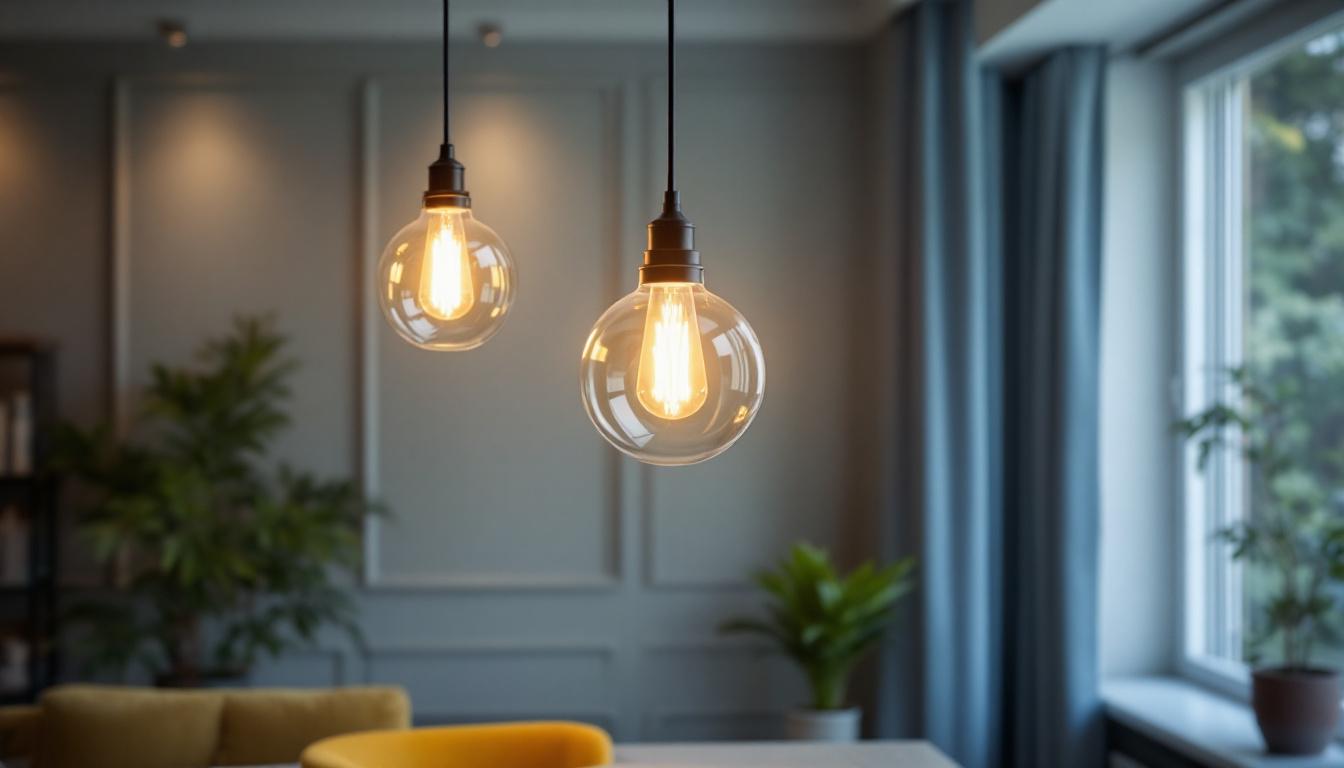
In recent years, the rise of open-concept living spaces has further fueled the popularity of light pendant chandeliers. These fixtures serve not only as functional light sources but also as focal points that can define a room’s character. From sleek, modern designs that complement minimalist aesthetics to ornate, vintage-inspired pieces that evoke a sense of nostalgia, the range of options available allows contractors to cater to a wide array of client preferences. Moreover, advancements in LED technology have enabled the creation of energy-efficient pendant chandeliers that do not compromise on style, making them an attractive choice for environmentally conscious consumers.
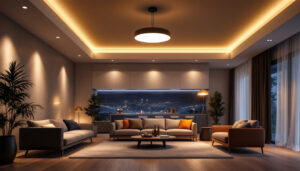
Additionally, the versatility of pendant chandeliers extends beyond mere aesthetics. They can be strategically placed to create layered lighting effects, enhancing the overall ambiance of a space. For instance, a cluster of pendant lights hung at varying heights can add depth and interest to a dining area, while a single, statement chandelier can elevate the sophistication of an entryway. As contractors become more adept at integrating these fixtures into their designs, they not only meet the functional needs of their clients but also contribute to the overall narrative of the space, making each project a unique reflection of the homeowner’s style and personality.
The Versatility of Light Pendant Chandeliers
Design Flexibility Across Different Spaces
One of the primary reasons pendant chandeliers have become a staple for lighting contractors is their adaptability. These fixtures come in a wide array of designs—from minimalist modern to ornate traditional—allowing contractors to tailor lighting solutions to the specific ambiance and architectural style of a space.
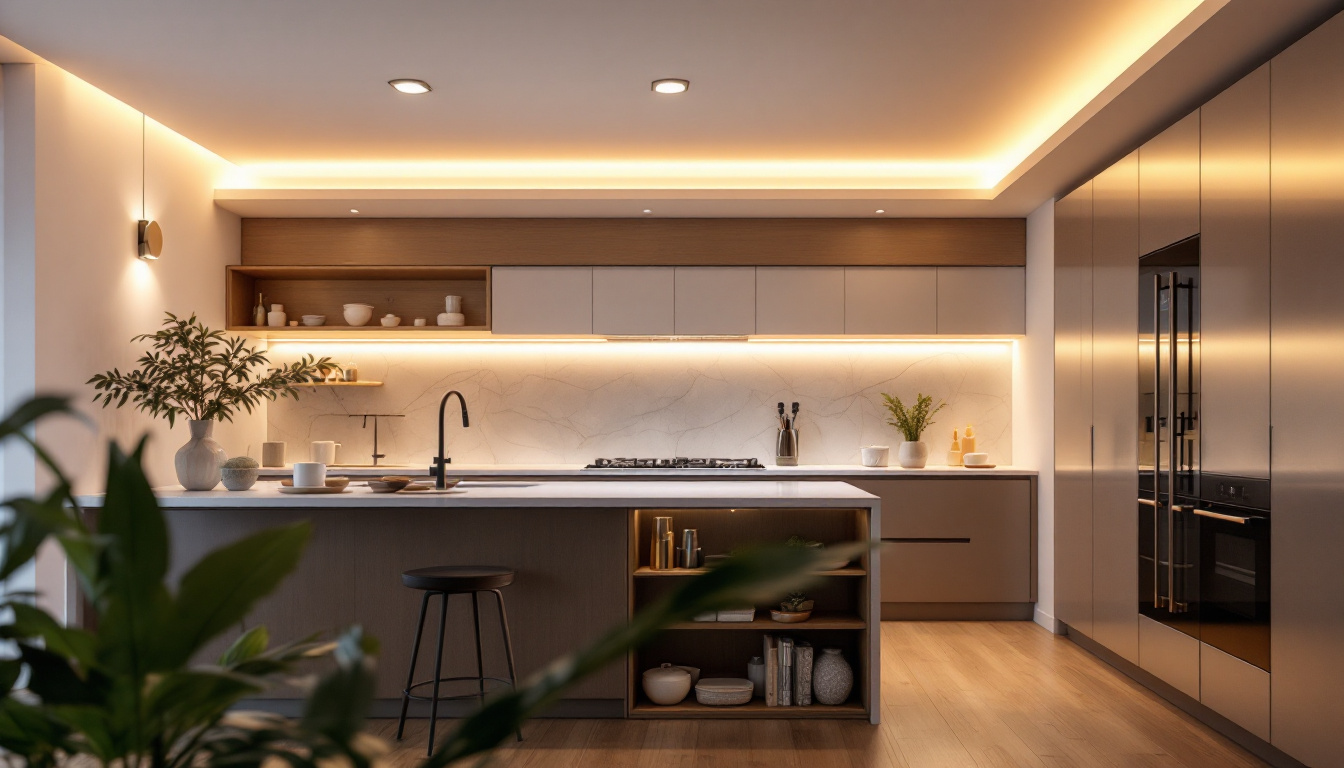
In residential settings, pendant chandeliers can serve as focal points in dining rooms, kitchens, and entryways. For commercial environments, such as hotels, restaurants, and office lobbies, they provide both functional lighting and an element of sophistication that can enhance brand identity and customer experience. The choice of materials, such as glass, metal, or even natural elements like wood, further allows for personalization, ensuring that each chandelier can harmonize with the surrounding decor. For instance, a sleek, chrome pendant might complement a contemporary kitchen, while a vintage-inspired brass fixture could add charm to a rustic dining area.
Additionally, the placement of these chandeliers can dramatically alter the perception of a space. Hanging a pendant chandelier at varying heights can create visual interest and depth, drawing the eye upward and making a room feel more expansive. In open-concept homes, strategically placed chandeliers can delineate different areas without the need for physical barriers, thus maintaining an airy and inviting atmosphere.
Customizable Lighting Options
Beyond aesthetics, pendant chandeliers offer flexibility in lighting output. Many models feature adjustable heights, dimmable bulbs, and compatibility with various light sources including LEDs and smart lighting systems. This adaptability enables contractors to fine-tune illumination levels to suit client preferences and energy efficiency goals.
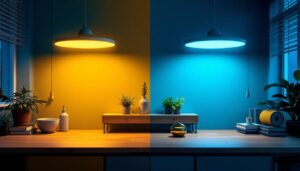
Moreover, the ability to incorporate color temperature adjustments allows contractors to create environments that range from warm and inviting to bright and energizing, depending on the intended use of the space. For example, a cooler light setting can enhance focus and productivity in a workspace, while warmer tones can foster relaxation in a living room or bedroom. Furthermore, the integration of smart technology allows users to control their lighting remotely, set schedules, and even change colors to match moods or occasions, making pendant chandeliers not just a source of light but a dynamic element of home automation.
In addition to these features, many pendant chandeliers now come with energy-efficient options that help reduce electricity consumption without sacrificing style. This is particularly important for environmentally conscious consumers who seek to minimize their carbon footprint. By choosing LED bulbs or energy-efficient designs, contractors can help clients achieve a balance between aesthetic appeal and sustainability, ensuring that their lighting choices are both beautiful and responsible.
Technical Advantages for Lighting Contractors
Ease of Installation and Maintenance
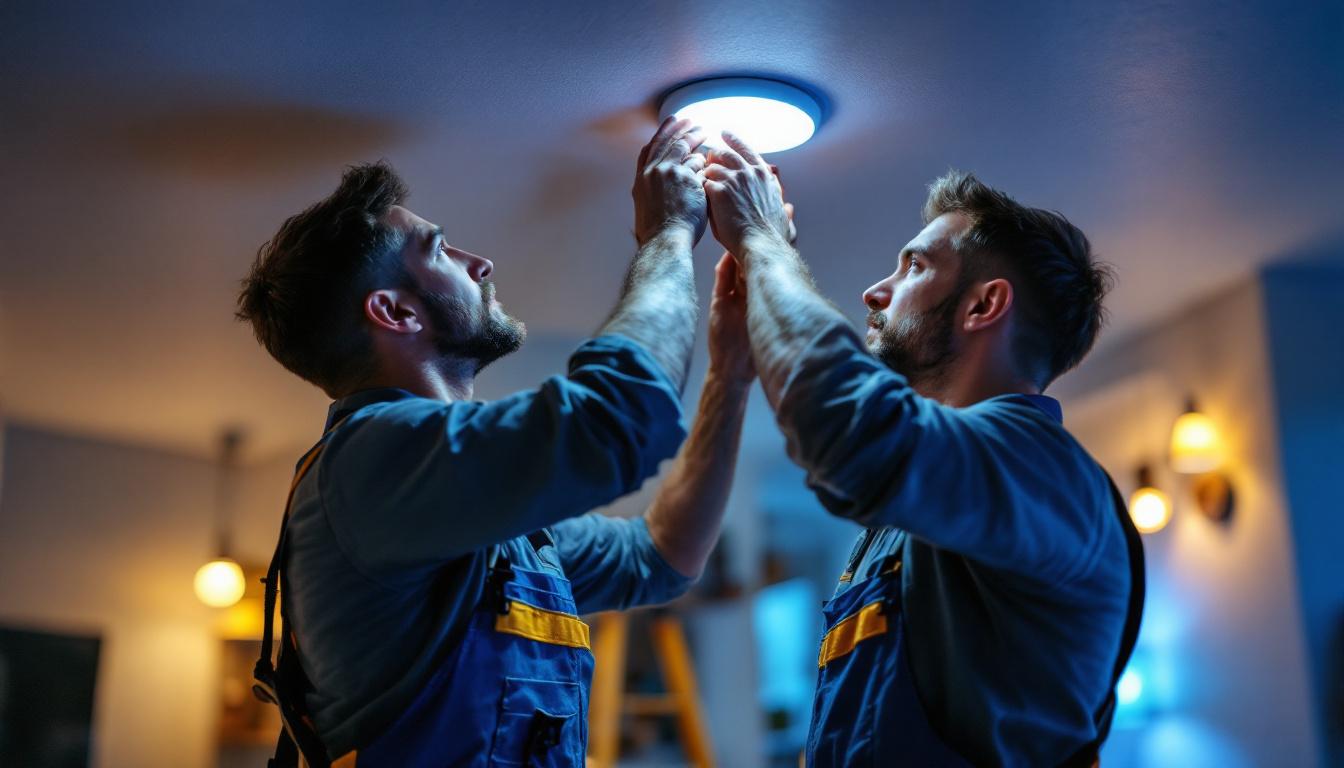
From a contractor’s perspective, the practicality of installation and maintenance is a significant consideration. Pendant chandeliers are generally easier to install compared to large, complex ceiling fixtures. Their modular design often allows for straightforward mounting and wiring, which can reduce labor time and associated costs.
Additionally, many modern pendant chandeliers are designed with maintenance in mind. Features such as accessible bulbs and durable materials help contractors provide long-term solutions that minimize client callbacks and service visits. The lightweight nature of many pendant designs also contributes to their ease of handling during installation, allowing contractors to work more efficiently and safely. Moreover, with the rise of smart home technology, many pendant chandeliers now come with integrated smart features that can be easily configured, further simplifying the installation process and enhancing the overall user experience.
Energy Efficiency and Sustainability
Energy efficiency is a growing priority in the lighting industry, driven by both environmental concerns and regulatory requirements. Pendant chandeliers equipped with LED technology offer substantial energy savings compared to traditional incandescent or halogen bulbs. LEDs consume less power, have longer lifespans, and produce less heat, making them ideal for sustainable projects.
Lighting contractors who specialize in energy-efficient installations can leverage pendant chandeliers to meet green building standards and certifications, such as LEED or WELL. This not only benefits clients but also enhances the contractor’s reputation as a forward-thinking professional. Furthermore, the aesthetic versatility of pendant chandeliers allows them to be incorporated into a variety of design schemes, from modern minimalist to rustic charm, making them a favorite choice among architects and designers focused on sustainability. By promoting the use of energy-efficient lighting solutions, contractors can play a pivotal role in reducing overall energy consumption in residential and commercial spaces, contributing to a greener future while also appealing to environmentally conscious clients.
Enhancing Client Satisfaction and Project Outcomes
Meeting Aesthetic Expectations
Clients increasingly seek lighting solutions that do more than illuminate—they want fixtures that complement their interior design and express their personal style. Pendant chandeliers excel in this regard, offering a wide spectrum of materials, finishes, and artistic designs.
Lighting contractors who understand how to select and position pendant chandeliers can transform ordinary rooms into extraordinary spaces. This expertise fosters client trust and often leads to repeat business and referrals, which are vital for sustained success.
Improving Functional Lighting
Beyond aesthetics, pendant chandeliers contribute to the functional quality of lighting. Properly designed and installed, they provide balanced illumination that reduces glare and shadows, enhancing comfort and usability. This is especially important in workspaces, kitchens, and commercial venues where lighting quality impacts productivity and safety.
Contractors who prioritize both design and function demonstrate professionalism and a commitment to comprehensive solutions, further distinguishing themselves in the marketplace.
Trends and Innovations Impacting Pendant Chandelier Use
Integration with Smart Home Systems
The rise of smart home technology has transformed lighting control, and pendant chandeliers are no exception. Many contemporary models are compatible with voice-activated assistants, smartphone apps, and automated schedules, allowing users to customize lighting scenes effortlessly.
For lighting contractors, this presents an opportunity to offer cutting-edge solutions that appeal to tech-savvy clients. Incorporating smart features can also streamline installation processes and provide added value through enhanced user experience.
Material and Design Innovations
Advances in materials science have expanded the possibilities for pendant chandelier design. Lightweight composites, sustainable woods, and recycled metals are increasingly popular, aligning with eco-conscious consumer preferences.
Designers are also experimenting with geometric shapes, mixed materials, and artistic lighting effects, enabling contractors to meet diverse client demands and push creative boundaries.
Key Considerations for Lighting Contractors When Selecting Pendant Chandeliers
Assessing Space and Ceiling Height
Choosing the right pendant chandelier requires careful evaluation of the installation environment. Ceiling height is a critical factor; fixtures that hang too low can impede movement, while those hung too high may fail to provide adequate illumination.
Contractors must balance scale and proportion to ensure the chandelier complements the room without overwhelming it. This often involves precise measurements and consultation with designers or clients to align expectations.
Evaluating Electrical Requirements and Safety Standards
Ensuring that pendant chandeliers meet electrical codes and safety standards is non-negotiable. Contractors need to verify wiring compatibility, load capacity, and fixture ratings to prevent hazards and ensure reliable performance.
Additionally, selecting fixtures with certifications from recognized bodies such as UL or ETL provides assurance of quality and compliance, which is essential for both liability protection and client confidence.
Conclusion: Why Pendant Chandeliers Are Essential for Lighting Contractors
Light pendant chandeliers represent more than just decorative lighting—they are strategic assets that empower lighting contractors to deliver superior results. Their versatility, technical advantages, and alignment with contemporary trends make them indispensable in a contractor’s toolkit.
By mastering the selection, installation, and integration of pendant chandeliers, lighting contractors can enhance project outcomes, boost client satisfaction, and position themselves as leaders in the evolving lighting industry. Embracing this key lighting solution is a proven pathway to sustained success and professional excellence.
Illuminate Your Projects with LumenWholesale
Ready to elevate your lighting projects with the finest pendant chandeliers? At LumenWholesale, we provide lighting contractors like you with the highest quality, spec-grade lighting products at prices that can’t be beaten. Say goodbye to local distributor markups and hello to our extensive selection that meets rigorous industry standards. With free shipping on bulk orders, you can trust that you’re getting premium lighting at the best value — no hidden fees, no compromises. Enhance your craft and delight your clients by choosing Wholesale Lighting at the Best Value with LumenWholesale.