Introduction to LED Roof Lighting
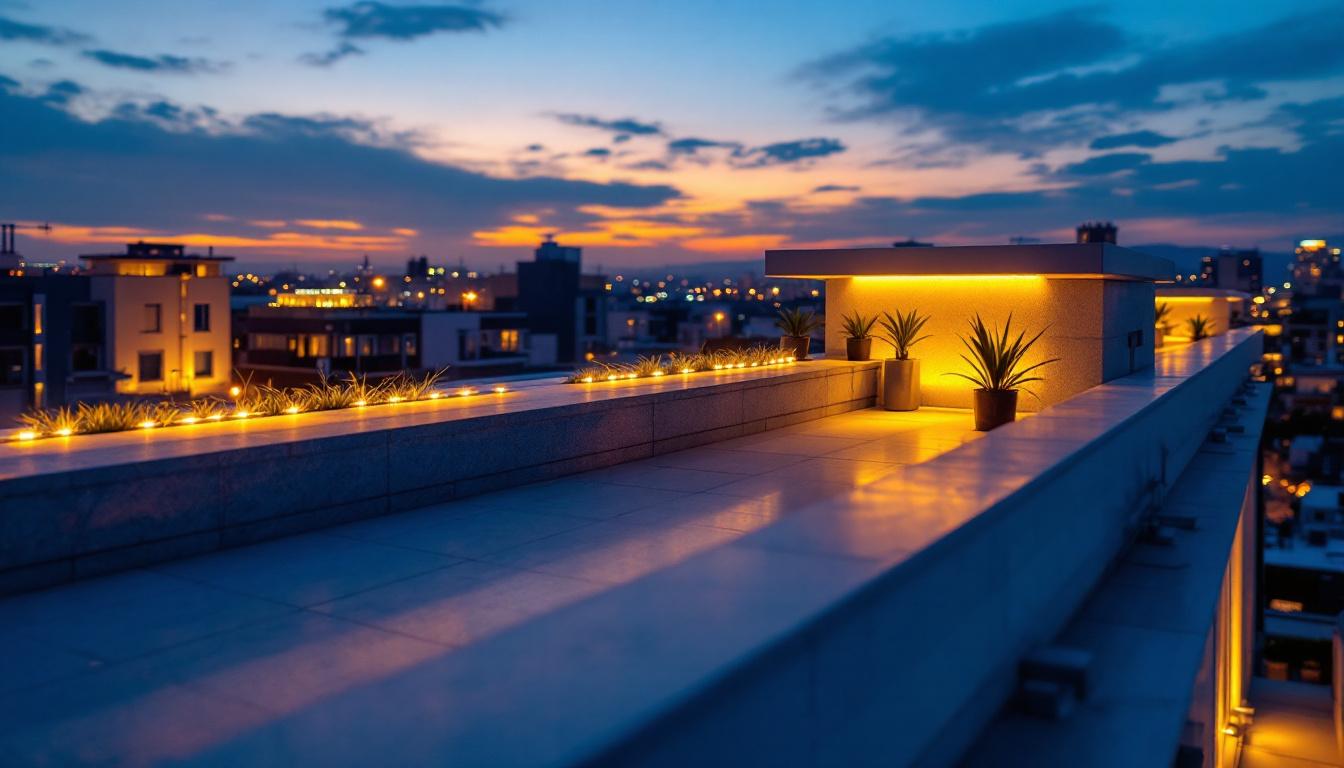
LED roof lighting has become an essential component in modern architectural and commercial lighting projects. For lighting contractors, understanding the nuances of LED technology, installation techniques, and maintenance requirements is crucial to delivering high-quality, energy-efficient solutions. This guide aims to provide a comprehensive overview of LED roof lighting, focusing on practical insights and technical considerations that contractors need to master.
As the demand for sustainable and cost-effective lighting solutions grows, LED roof lighting stands out due to its longevity, energy efficiency, and versatility. Whether illuminating industrial warehouses, commercial buildings, or residential complexes, LED roof lighting offers contractors a reliable option that meets both aesthetic and functional needs.
One of the key advantages of LED roof lighting is its adaptability to various environments and architectural styles. From sleek, modern designs to more traditional aesthetics, LEDs can be customized in terms of color temperature, brightness, and fixture design. This flexibility allows lighting contractors to create tailored solutions that enhance the visual appeal of a building while ensuring optimal illumination. Furthermore, advancements in smart lighting technology have enabled the integration of LED systems with automated controls, allowing for dynamic lighting scenarios that can adjust based on time of day or occupancy, thus maximizing energy savings.
In addition to their aesthetic benefits, LED roof lights contribute significantly to safety and security. Well-lit roofs can deter potential intruders and improve visibility for maintenance personnel, reducing the risk of accidents. Moreover, many LED fixtures are designed to withstand harsh weather conditions, making them ideal for outdoor installations. With options for waterproof and impact-resistant designs, contractors can ensure that their lighting solutions remain functional and effective, regardless of the environmental challenges they may face. As urban areas continue to expand, the role of effective roof lighting in enhancing safety and security will only become more critical.
Benefits of LED Roof Lighting for Contractors and Clients
Energy Efficiency and Cost Savings
One of the most compelling advantages of LED roof lighting is its superior energy efficiency compared to traditional lighting technologies such as metal halide or fluorescent fixtures. LEDs consume significantly less power while delivering equivalent or higher levels of brightness. For contractors, this translates into an attractive selling point when presenting proposals to clients focused on reducing operational costs.
Moreover, the energy savings achieved through LED installations can be substantial over the lifetime of the lighting system. This not only benefits clients by lowering utility bills but also supports sustainability goals, which are increasingly prioritized in commercial and industrial sectors.
Durability and Longevity
LED roof lights are designed to withstand harsh environmental conditions, including extreme temperatures, moisture, and vibration. Their solid-state construction means fewer fragile components, reducing the risk of damage during installation and operation. For contractors, this durability reduces the frequency of callbacks and maintenance visits, enhancing project reputation and client satisfaction.
Additionally, LEDs have a significantly longer lifespan than conventional bulbs, often exceeding 50,000 hours of operation. This longevity minimizes replacement costs and downtime, making LED roof lighting a smart investment for clients seeking long-term reliability.
Improved Lighting Quality and Flexibility
LED technology offers superior color rendering and uniform light distribution, which can improve visibility and safety in outdoor and industrial environments. For contractors, this means the ability to tailor lighting solutions to specific client needs, such as enhancing security around building perimeters or providing consistent illumination for rooftop work areas.
Furthermore, LED fixtures often come with adjustable color temperatures and dimming capabilities, allowing for greater control over the ambiance and energy consumption. This flexibility is particularly valuable in projects where lighting requirements may change over time or need to be integrated with smart building systems.
Key Considerations When Specifying LED Roof Lighting
Assessing Roof Structure and Environment
Before selecting LED fixtures, contractors must carefully evaluate the roof’s structural characteristics and environmental conditions. Factors such as roof material, slope, load-bearing capacity, and exposure to weather elements influence the choice of lighting equipment and installation methods.
For example, metal roofs may require specialized mounting brackets or corrosion-resistant fixtures, while flat roofs might necessitate different wiring strategies to ensure safety and accessibility. Understanding these variables helps prevent installation issues and ensures the longevity of the lighting system.
Choosing the Right LED Fixtures
The market offers a wide variety of LED roof lighting fixtures, including floodlights, high bays, linear lights, and wall packs. Contractors should select fixtures based on the intended application, desired light output, beam angle, and IP rating (Ingress Protection) to ensure suitability for outdoor use.
High IP ratings are essential for roof lighting to protect against dust, rain, and other environmental contaminants. Additionally, considering fixture efficiency (measured in lumens per watt) and compatibility with control systems can optimize performance and client satisfaction.
Compliance with Codes and Standards
Lighting contractors must ensure that all LED roof lighting installations comply with local building codes, electrical standards, and safety regulations. This includes adherence to the National Electrical Code (NEC) or equivalent standards, which dictate wiring practices, grounding, and fixture placement.
Furthermore, contractors should be aware of any energy efficiency mandates or incentive programs that may apply to their projects. Proper documentation and certification can facilitate client access to rebates and tax credits, enhancing the overall value proposition of LED roof lighting installations.
Installation Best Practices for LED Roof Lighting
Planning and Layout
Effective installation begins with thorough planning and layout design. Contractors should conduct detailed site surveys to determine optimal fixture placement, taking into account factors such as shadows, glare, and coverage area. Utilizing lighting design software can aid in creating accurate layouts that meet client specifications and regulatory requirements.
Proper spacing and aiming of fixtures are critical to achieving uniform illumination and avoiding dark spots or excessive brightness. Collaboration with architects and engineers during this phase ensures that the lighting complements the building’s design and functional needs.
Electrical Wiring and Safety
Roof lighting installations often involve complex wiring configurations, including power distribution, grounding, and integration with control systems. Contractors must follow strict safety protocols to prevent electrical hazards, especially when working at heights and in potentially wet conditions.
Using weatherproof conduit, connectors, and junction boxes is essential to protect wiring from environmental damage. Additionally, verifying circuit loads and ensuring proper breaker sizing helps prevent overloads and enhances system reliability.
Mounting and Securing Fixtures
Securing LED fixtures to the roof requires careful attention to mounting methods and hardware selection. Contractors should use manufacturer-recommended brackets and fasteners designed for the specific roof type and fixture weight.
Ensuring that mounts are properly sealed prevents water infiltration, which can cause damage to both the roof and the lighting system. In some cases, vibration dampening materials may be necessary to reduce stress on fixtures in windy conditions.
Maintenance and Troubleshooting of LED Roof Lighting
Routine Inspection and Cleaning
Regular maintenance is vital to sustaining the performance and lifespan of LED roof lighting. Contractors should advise clients on periodic inspections to check for dirt accumulation, corrosion, loose connections, and physical damage.
Cleaning LED lenses and housings enhances light output and prevents overheating. It is recommended to use non-abrasive cleaning agents and soft cloths to avoid scratching or degrading fixture surfaces.
Diagnosing Common Issues
Despite their reliability, LED roof lights can experience issues such as flickering, dimming, or complete failure. Contractors should be prepared to diagnose problems related to power supply, driver malfunctions, or wiring faults.
Using diagnostic tools such as multimeters and thermal cameras can help identify electrical anomalies or overheating components. Prompt troubleshooting and repair minimize downtime and maintain client trust.
Upgrading and Retrofitting Existing Systems
Many clients seek to upgrade traditional roof lighting to LED systems to capitalize on energy savings and improved performance. Contractors should be knowledgeable about retrofitting techniques, including fixture replacement, wiring upgrades, and compatibility with existing control systems.
Proper planning and execution of retrofits can reduce installation time and costs while delivering enhanced lighting quality. Offering retrofit services positions contractors as experts in sustainable lighting solutions.
Emerging Trends and Technologies in LED Roof Lighting
Integration with Smart Lighting Controls
Smart lighting systems are transforming the landscape of roof lighting by enabling remote monitoring, scheduling, and adaptive control based on occupancy or ambient light levels. Contractors who incorporate smart controls into LED roof lighting projects can offer clients enhanced energy management and convenience.
Technologies such as wireless sensors, IoT connectivity, and programmable drivers allow for dynamic lighting scenarios that improve safety and reduce waste. Staying current with these advancements ensures contractors remain competitive in the evolving market.
Advances in LED Efficiency and Design
Continuous improvements in LED chip technology and fixture design are pushing the boundaries of efficiency and light quality. Newer LEDs deliver higher lumens per watt ratios and better thermal management, which translates into smaller, lighter fixtures with longer lifespans.
Contractors should monitor these developments to recommend the most advanced products that meet client demands for performance and sustainability.
Solar-Powered LED Roof Lighting
Solar-powered LED roof lighting is gaining traction as a sustainable alternative in locations where grid access is limited or where clients prioritize renewable energy. These systems combine photovoltaic panels with energy-efficient LEDs and battery storage to provide autonomous lighting solutions.
Contractors interested in expanding their service offerings should consider training in solar lighting design and installation to meet this growing niche.
Conclusion
LED roof lighting represents a significant opportunity for lighting contractors to deliver energy-efficient, durable, and high-quality lighting solutions that meet modern demands. By understanding the technical aspects of LED fixtures, installation best practices, maintenance requirements, and emerging technologies, contractors can enhance their expertise and provide superior service to clients.
Staying informed about industry trends and regulatory changes ensures that contractors remain competitive and capable of addressing diverse project needs. Ultimately, mastering LED roof lighting empowers contractors to contribute meaningfully to sustainable building practices and client satisfaction.
Illuminate Your Projects with LumenWholesale
Ready to elevate your LED roof lighting installations with premium products that promise both quality and value? Look no further than LumenWholesale. Our extensive selection of spec-grade lighting products is designed to meet the highest industry standards, ensuring that your projects shine with reliability and high performance. Say goodbye to local distributor markups and hello to unbeatable wholesale prices, free shipping, and the convenience of hassle-free bulk buying. Make the smart choice for your business and your clients by choosing Wholesale Lighting at the Best Value with LumenWholesale.