Introduction to Ultra Thin LED Technology
In the evolving landscape of lighting solutions, ultra thin LED technology has emerged as a game-changer for lighting contractors and designers alike. These LEDs, characterized by their remarkably slim profiles, offer a unique combination of efficiency, flexibility, and aesthetic appeal that traditional lighting technologies struggle to match. As the demand for sleek, energy-efficient, and versatile lighting grows, understanding the role and benefits of ultra thin LEDs becomes essential for professionals seeking to deliver cutting-edge solutions.
Ultra thin LEDs are defined by their minimal thickness, often measuring just a few millimeters or less. This design innovation enables their integration into spaces and applications where conventional lighting fixtures would be impractical or visually intrusive. From architectural lighting to commercial and residential projects, ultra thin LEDs are redefining how light is incorporated into modern environments.
One of the standout features of ultra thin LED technology is its adaptability. These lights can be easily integrated into various settings, including under-cabinet lighting in kitchens, accent lighting in retail spaces, and even in intricate designs for art installations. Their slim profile allows for seamless incorporation into furniture, walls, and ceilings, creating a clean and modern aesthetic that enhances the overall design of a space. Moreover, the flexibility of ultra thin LEDs extends beyond their physical attributes; they can be customized in terms of color temperature and brightness, enabling designers to create the perfect ambiance for any occasion.
Additionally, the energy efficiency of ultra thin LEDs cannot be overstated. With a significantly lower energy consumption compared to traditional incandescent or fluorescent lights, they not only reduce electricity bills but also contribute to a more sustainable environment. Many ultra thin LED products also come with advanced features such as dimming capabilities and smart technology integration, allowing users to control their lighting remotely and optimize energy use further. This combination of aesthetic appeal and energy efficiency positions ultra thin LED technology as a preferred choice for environmentally conscious consumers and businesses looking to reduce their carbon footprint while maintaining high-quality lighting solutions.
Advantages of Ultra Thin LEDs in Modern Lighting
Space-Saving Design and Aesthetic Flexibility
One of the most compelling advantages of ultra thin LEDs is their ability to fit into tight spaces without compromising on light output. For lighting contractors, this means greater freedom to design and install fixtures in locations previously considered inaccessible or unsuitable for lighting.
The slim profile also contributes to a minimalist aesthetic, which is highly sought after in contemporary architecture and interior design. Ultra thin LEDs can be seamlessly embedded into ceilings, walls, furniture, and even signage, providing a clean, unobtrusive lighting source that enhances rather than dominates the space. This versatility allows designers to create innovative lighting solutions that can transform ordinary environments into extraordinary experiences, such as using these LEDs in artistic installations or as part of interactive displays that engage viewers in unique ways.
Furthermore, the ability to integrate ultra thin LEDs into various surfaces opens up new possibilities for creative expression. For instance, they can be used to create ambient lighting in unexpected places, such as under countertops or within furniture, adding a layer of sophistication and warmth to the overall design. This adaptability not only elevates the aesthetic appeal but also allows for personalized lighting solutions that cater to the specific needs and tastes of clients.
Energy Efficiency and Longevity
Ultra thin LEDs maintain the inherent energy efficiency of LED technology, consuming significantly less power than incandescent or fluorescent alternatives. This efficiency translates into lower operating costs and reduced environmental impact, a critical consideration for clients aiming to meet sustainability goals.
Moreover, these LEDs boast impressive lifespans, often exceeding tens of thousands of hours. Their durability reduces maintenance frequency and costs, an important factor for commercial installations where downtime can be costly. In addition to their longevity, ultra thin LEDs generate less heat compared to traditional lighting options, which not only contributes to energy savings but also minimizes the load on HVAC systems, further enhancing overall energy efficiency in buildings.
As businesses and homeowners increasingly prioritize eco-friendly practices, the adoption of ultra thin LEDs aligns perfectly with green building initiatives. By reducing energy consumption and extending the lifespan of lighting fixtures, these LEDs play a significant role in lowering carbon footprints and promoting sustainable living, making them an ideal choice for environmentally conscious consumers.
Enhanced Light Quality and Control
Modern ultra thin LEDs offer excellent color rendering and a range of color temperatures, allowing contractors to tailor lighting to specific environments and moods. Their compatibility with advanced control systems, including dimming and smart lighting networks, further enhances their versatility.
This level of control enables precise lighting schemes that can improve occupant comfort, productivity, and even safety, making ultra thin LEDs a valuable tool in both residential and commercial projects. For instance, in office spaces, adjustable lighting can be programmed to mimic natural daylight, which has been shown to boost employee morale and concentration. Similarly, in retail environments, dynamic lighting can highlight products and create an inviting atmosphere that encourages customer engagement.
Additionally, the integration of ultra thin LEDs with smart home technology allows users to customize their lighting experiences effortlessly. With the ability to control brightness, color, and even lighting schedules from a smartphone or voice-activated device, homeowners can create the perfect ambiance for any occasion, whether it’s a cozy movie night or a vibrant gathering with friends. This seamless blend of technology and design not only enhances the functionality of living spaces but also elevates the overall quality of life for occupants.
Applications of Ultra Thin LEDs in Lighting Projects
Architectural and Interior Lighting
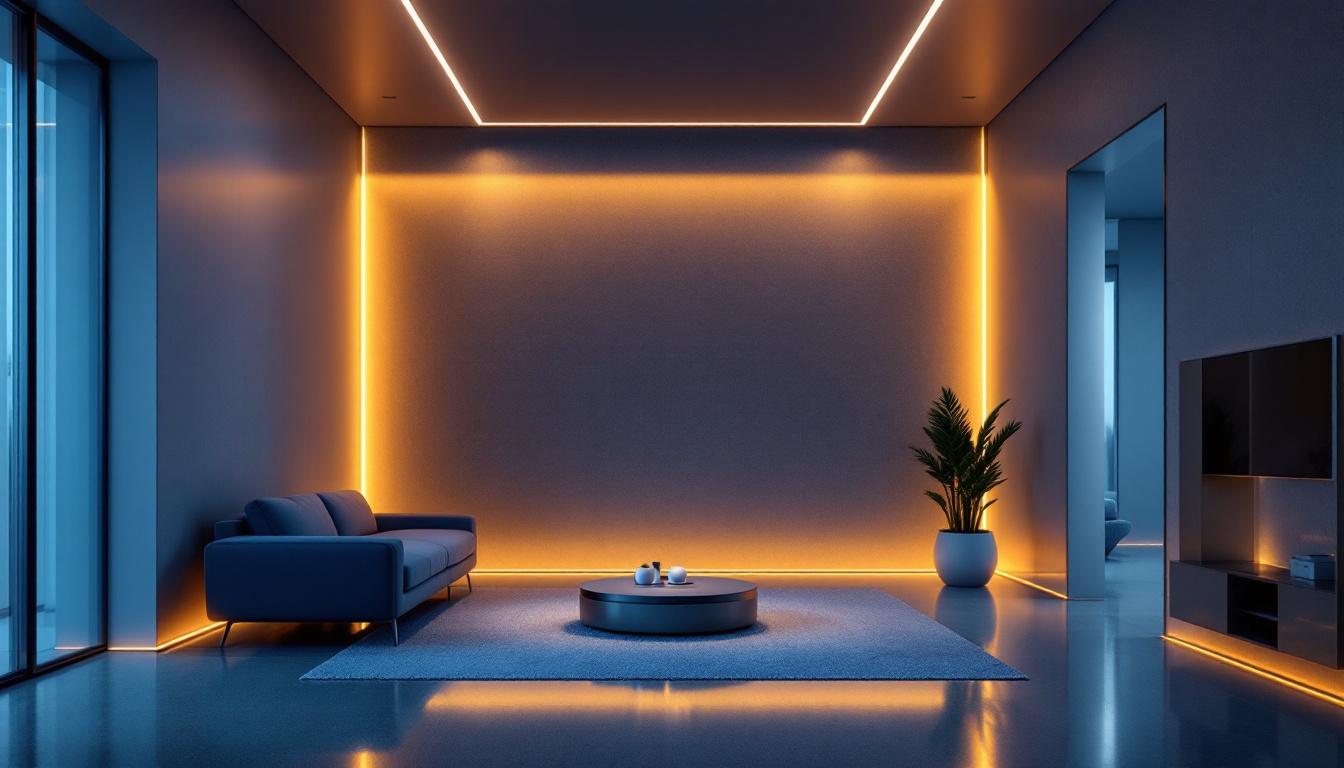
Ultra thin LEDs have become indispensable in architectural lighting due to their ability to integrate seamlessly with building elements. They are frequently used for cove lighting, accentuating architectural features without visible fixtures. Their slim form factor allows for creative installations in ceilings, walls, and floors, providing indirect or ambient lighting that enhances spatial perception.
In interiors, these LEDs enable designers to achieve clean lines and modern aesthetics. Under-cabinet lighting in kitchens, backlighting for shelves, and integrated lighting in furniture are common applications that benefit from ultra thin LED technology.
Commercial and Retail Environments
Lighting contractors working in commercial and retail spaces appreciate ultra thin LEDs for their ability to create inviting atmospheres that highlight products and architectural details. Their energy efficiency aligns with the operational cost concerns of businesses, while their flexibility supports dynamic lighting setups that can be adjusted for different events or seasons.
Additionally, ultra thin LEDs are ideal for signage and display lighting, where space constraints and visual impact are critical. Their ability to deliver uniform, bright illumination in a compact form factor makes them perfect for these applications.
Specialized and Emerging Uses
Beyond traditional lighting roles, ultra thin LEDs are increasingly used in specialized applications such as automotive lighting, wearable technology, and even horticultural lighting. Their lightweight and slim design make them suitable for integration into devices and products where space and weight are limiting factors.
For lighting contractors, staying informed about these emerging uses can open new avenues for innovation and service offerings, positioning them as leaders in a competitive market.
Installation Considerations for Lighting Contractors
Compatibility and Integration
When incorporating ultra thin LEDs into projects, contractors must consider compatibility with existing electrical systems and control interfaces. Many ultra thin LED modules are designed for low-voltage operation, requiring appropriate drivers and transformers. Ensuring seamless integration with smart lighting controls and automation systems is also critical for maximizing functionality.
Understanding the technical specifications and installation requirements upfront can prevent costly adjustments and ensure optimal performance.
Thermal Management
Despite their slim profile, ultra thin LEDs generate heat that must be managed to maintain longevity and performance. Proper heat dissipation techniques, such as using aluminum backplates or integrating LEDs into heat-conductive surfaces, are essential.
Contractors should assess the installation environment and select appropriate mounting solutions to avoid overheating, which can degrade LED lifespan and light quality.
Durability and Environmental Factors
Ultra thin LEDs are often used in environments with varying conditions, including moisture, dust, and temperature fluctuations. Selecting products with suitable ingress protection (IP) ratings and robust construction is vital for ensuring durability.
For outdoor or industrial applications, contractors must verify that ultra thin LED fixtures can withstand exposure to elements and comply with relevant safety standards.
Future Trends and Innovations in Ultra Thin LED Lighting
The ultra thin LED market continues to evolve rapidly, driven by advances in materials science, manufacturing techniques, and smart technology integration. Emerging trends include the development of flexible and transparent ultra thin LEDs, which promise even greater design freedom and novel applications.
Integration with Internet of Things (IoT) platforms is also expanding, enabling lighting systems to interact with other building technologies for enhanced energy management and user experience. For lighting contractors, staying abreast of these innovations is crucial for delivering state-of-the-art solutions that meet the demands of modern clients.
Conclusion
Ultra thin LEDs represent a significant advancement in lighting technology, offering unparalleled design flexibility, energy efficiency, and performance. For lighting contractors, mastering the use of these LEDs opens opportunities to create innovative, aesthetically pleasing, and sustainable lighting solutions across a wide range of applications.
By understanding the technical nuances, installation considerations, and emerging trends associated with ultra thin LEDs, professionals can position themselves at the forefront of modern lighting design, delivering value and satisfaction to their clients in an increasingly competitive industry.
Illuminate Your Projects with LumenWholesale
Ready to harness the power of ultra thin LED technology for your next lighting project? Look no further than LumenWholesale, where we provide lighting contractors with the highest quality, spec-grade lighting products at unbeatable wholesale prices. Say goodbye to local distributor markups and hello to superior lighting solutions that meet the strictest industry standards. With LumenWholesale, bulk buying is a breeze, thanks to our hassle-free process and free shipping. Elevate your lighting designs with the perfect combination of quality, affordability, and convenience. Discover the best value in wholesale lighting by visiting Wholesale Lighting at the Best Value today and light up your projects with confidence.