Introduction to Under Cabinet Hardwired LED Lighting
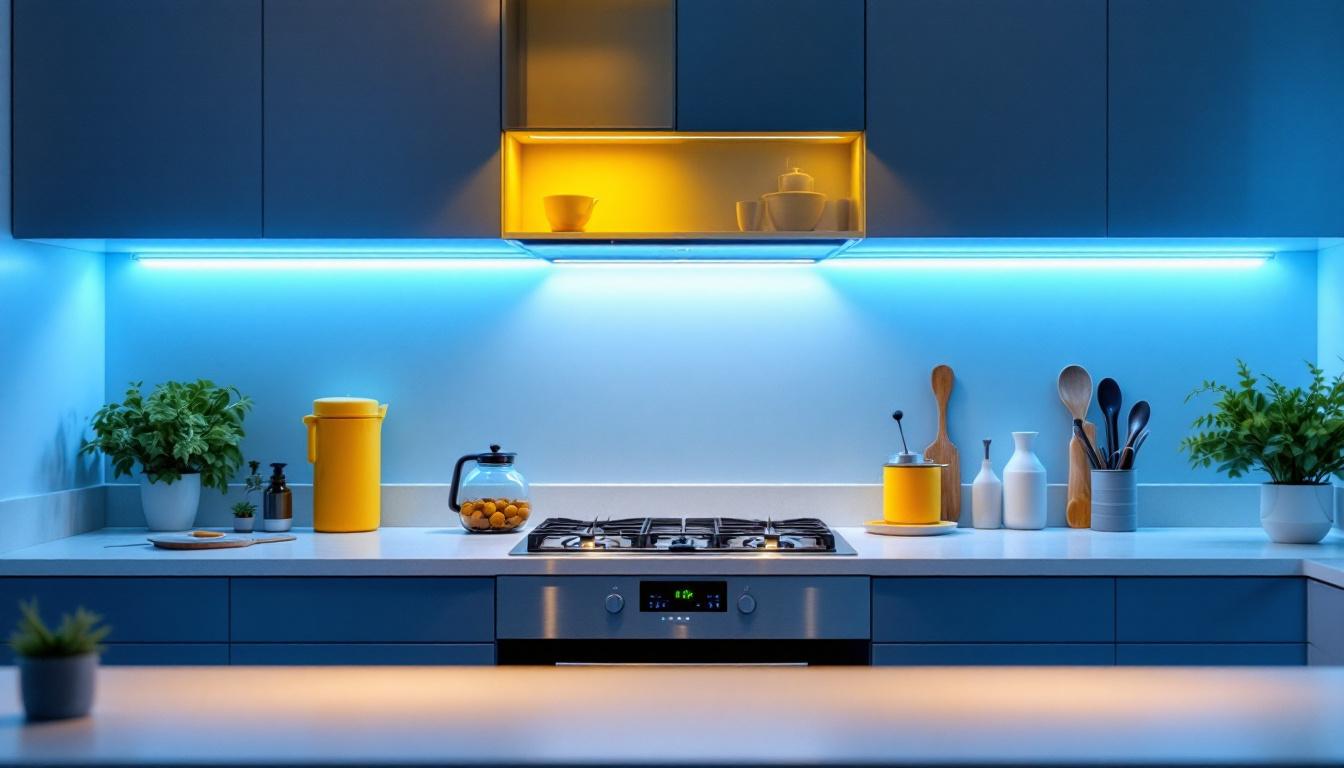
Under cabinet lighting has become a staple in modern residential and commercial spaces, offering both functional illumination and aesthetic enhancement. Among the various lighting solutions available, hardwired LED lights stand out for their efficiency, reliability, and sleek integration. For lighting contractors, understanding the nuances of under cabinet hardwired LED lighting is essential—not only for delivering superior installations but also for promoting energy-efficient solutions that benefit clients and the environment.
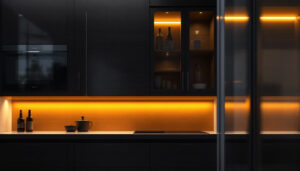
Hardwired LED lighting refers to fixtures that are permanently connected to a building’s electrical system, as opposed to plug-in or battery-operated alternatives. This direct connection ensures consistent power delivery and reduces the need for frequent maintenance or battery replacements. When applied under cabinets, these lights provide focused illumination ideal for kitchens, workspaces, and retail displays.
One of the key advantages of hardwired LED lighting is its versatility in design and functionality. Available in a variety of styles, from slim linear fixtures to recessed lighting options, these lights can be tailored to fit any aesthetic preference or spatial requirement. Additionally, many hardwired LED systems come with dimming capabilities, allowing users to adjust the brightness according to the time of day or specific tasks, enhancing both comfort and energy efficiency. This adaptability makes them an excellent choice for homeowners looking to create a warm and inviting atmosphere in their kitchens or for businesses aiming to highlight products effectively without overwhelming the space.
Furthermore, the energy efficiency of LED technology cannot be overstated. Compared to traditional incandescent or fluorescent lighting, hardwired LEDs consume significantly less energy while providing a brighter output. This not only translates to lower electricity bills but also contributes to a reduced carbon footprint, making it an environmentally friendly option. Many hardwired LED fixtures also boast a longer lifespan, with some lasting up to 50,000 hours, which means less frequent replacements and less waste in landfills. As sustainability becomes increasingly important in design and construction, integrating hardwired LED lighting into projects aligns perfectly with eco-conscious practices, appealing to a growing demographic of environmentally aware consumers.
Energy Efficiency Advantages of Hardwired LED Systems
Lower Energy Consumption Compared to Traditional Lighting
One of the most compelling reasons to specify hardwired LED lighting under cabinets is its significantly lower energy consumption. LEDs use up to 75% less energy than incandescent bulbs and about 50% less than fluorescent lighting. This reduction translates directly into lower utility bills and a smaller carbon footprint for the end user.
For contractors, this means offering clients a solution that aligns with growing energy conservation standards and sustainability goals. The efficiency gains are particularly notable in spaces where lighting is used extensively, such as commercial kitchens or retail environments, where under cabinet lighting may operate for many hours daily. Furthermore, the ability to integrate smart technology with hardwired LED systems allows for enhanced control over energy usage. Features such as motion sensors and dimming capabilities can further optimize energy consumption, ensuring that lights are only on when needed. This level of customization not only boosts efficiency but also enhances the user experience by providing tailored lighting solutions for various tasks and activities.
Longer Lifespan Reduces Replacement Frequency
LEDs boast an average lifespan of 25,000 to 50,000 hours, far surpassing traditional lighting options. This longevity reduces the frequency of replacements, which benefits both the client and the contractor. Fewer replacements mean less labor and material costs over time, enhancing the overall value proposition of hardwired LED installations.
Additionally, the durability of LEDs contributes to their extended lifespan. Unlike traditional bulbs, which are often fragile and prone to breakage, LEDs are built with solid-state technology that makes them more resistant to shocks, vibrations, and temperature fluctuations. This resilience is particularly advantageous in high-traffic areas or environments where lighting fixtures may be subject to wear and tear. As a result, not only do clients save on replacement costs, but they also enjoy a more reliable lighting solution that requires minimal maintenance. This reliability can be a significant selling point for contractors, as it enhances their reputation for providing quality, long-lasting installations that meet the demands of modern living and working spaces.
Technical Considerations for Lighting Contractors
Installation and Wiring Requirements
Hardwired LED under cabinet lighting requires a more involved installation process compared to plug-in alternatives. Contractors must plan for proper electrical wiring, ensuring compliance with local electrical codes and safety standards. This includes selecting appropriate gauge wiring, integrating dimmer switches if desired, and ensuring that power sources can handle the load without risk of overloading circuits.
Proper installation not only guarantees safety but also maximizes the energy efficiency of the system. For example, using dimmable LED drivers allows users to adjust brightness levels, further reducing energy consumption during periods of low activity. Additionally, contractors should consider the layout of the cabinetry and the placement of fixtures to minimize shadows and ensure even light distribution. This careful planning can significantly enhance the overall aesthetic of the kitchen or workspace, creating a more inviting atmosphere.
Compatibility with Smart Controls and Automation
Modern hardwired LED systems often integrate seamlessly with smart home or building automation platforms. This compatibility enables advanced energy-saving features such as motion sensors, daylight harvesting, and programmable schedules. Lighting contractors who are proficient in these technologies can offer clients enhanced control over their lighting environment, leading to additional energy savings and convenience. Furthermore, the ability to control lighting through mobile apps or voice commands adds a layer of sophistication and ease of use that many homeowners and businesses are looking for today.
Incorporating smart controls also opens up opportunities for customization. For instance, contractors can design lighting scenes that adjust based on the time of day or specific activities, such as cooking, entertaining, or working. This level of personalization not only improves functionality but also enhances the user experience, allowing clients to create the perfect ambiance for any occasion. As the demand for smart home features continues to grow, lighting contractors who stay updated on the latest technologies will be better positioned to meet their clients’ evolving needs.
Impact on Energy Efficiency in Practical Applications
Residential Kitchens and Workspaces
Under cabinet hardwired LED lighting in residential kitchens provides targeted illumination for countertops, improving task visibility and reducing the need for overhead lighting. This focused approach means homeowners can rely less on energy-intensive ceiling fixtures during meal preparation or other activities.
Furthermore, LEDs emit very little heat compared to incandescent or halogen bulbs, contributing to a more comfortable kitchen environment and reducing cooling loads in warmer climates. The combination of reduced electricity use and minimized heat output makes hardwired LED lighting a highly energy-efficient choice for residential applications.
Commercial and Retail Environments
In commercial settings, under cabinet LED lighting enhances product displays and work areas while supporting energy management goals. Retailers benefit from the ability to highlight merchandise with bright, consistent lighting that draws customer attention without incurring high energy costs.
For contractors working in commercial projects, specifying hardwired LED lighting can contribute to achieving certifications such as LEED or ENERGY STAR, which increasingly influence client decisions and building regulations. The energy savings realized through efficient lighting systems also improve operational budgets over the long term.
Environmental and Economic Benefits
Reduction in Greenhouse Gas Emissions
Energy-efficient lighting directly correlates with reduced greenhouse gas emissions, particularly when electricity is sourced from fossil fuel-based power plants. By installing hardwired LED under cabinet lighting, contractors help clients reduce their environmental impact. This is an important consideration in today’s market, where sustainability is a key factor in purchasing decisions.
Cost Savings Over Time
Although the upfront cost of hardwired LED lighting can be higher than traditional options, the total cost of ownership is significantly lower due to energy savings and reduced maintenance. Lighting contractors can emphasize this long-term economic advantage when advising clients, helping to justify initial investments and promote energy-conscious choices.
Best Practices for Maximizing Energy Efficiency
Proper Fixture Selection and Placement
Choosing the right LED fixtures is critical. Factors such as lumen output, color temperature, and beam angle influence both the quality of light and energy consumption. Contractors should select fixtures that provide sufficient illumination without excess brightness, which wastes energy.
Placement is equally important. Positioning lights to minimize shadows and maximize coverage reduces the need for additional fixtures, further enhancing efficiency.
Utilizing Controls and Sensors
Incorporating dimmers, occupancy sensors, and timers can significantly reduce energy use by ensuring lights operate only when needed. These controls are especially effective in commercial environments where lighting needs fluctuate throughout the day.
Regular Maintenance and Inspection
Although LEDs require less maintenance than traditional bulbs, periodic inspection ensures that fixtures and wiring remain in optimal condition. Dust accumulation or damaged components can reduce efficiency and light quality, so contractors should advise clients on maintenance best practices.
Conclusion: The Role of Lighting Contractors in Promoting Energy Efficiency
Under cabinet hardwired LED lighting represents a powerful tool for lighting contractors aiming to deliver energy-efficient, high-quality lighting solutions. By understanding the technical, environmental, and economic aspects of these systems, contractors can guide clients toward choices that reduce energy consumption, lower costs, and support sustainability goals.
As energy efficiency standards continue to evolve and consumer awareness grows, the demand for expertly installed hardwired LED lighting is set to increase. Lighting contractors who stay informed and skilled in this area will not only enhance their service offerings but also contribute meaningfully to a more sustainable built environment.
Illuminate Your Projects with LumenWholesale
Ready to elevate your lighting installations with the most energy-efficient, cost-effective solutions? Look no further than LumenWholesale for all your under cabinet hardwired LED lighting needs. Our extensive selection of spec-grade lighting products is designed to meet the highest industry standards, ensuring you deliver top-notch performance to your clients. With unbeatable wholesale prices and the convenience of free shipping on bulk orders, you can trust LumenWholesale to provide premium lighting without hidden fees or compromises. Take the next step in promoting energy efficiency and enhancing your service offerings. Visit Wholesale Lighting at the Best Value and make the smart choice for your business and the environment today.