Understanding Ceiling Lights: Types and Terminology
When working on lighting projects, especially those involving ceilings, it’s crucial for lighting contractors to have a solid grasp of the different types of ceiling lights and their specific terminology. This knowledge not only ensures clear communication with clients and suppliers but also helps in selecting the right fixtures that meet both aesthetic and functional requirements.
Ceiling lights come in a variety of styles and configurations, each suited for different applications. Some are designed for general illumination, while others serve decorative or task-specific purposes. Recognizing these differences can prevent costly mistakes such as over-lighting, under-lighting, or installing incompatible fixtures.
Recessed Lighting (Can Lights)
Recessed lights, often called “can lights” or “downlights,” are fixtures installed flush with the ceiling surface. They are popular for their sleek, unobtrusive appearance and ability to provide focused or ambient lighting. These lights are typically housed in cylindrical cans that are recessed into the ceiling cavity.
Recessed lighting is ideal for modern interiors, kitchens, hallways, and commercial spaces where a clean ceiling line is desired. However, improper spacing or choosing the wrong trim can result in uneven lighting or glare, which can detract from the space’s overall ambiance. Additionally, the choice of bulb type—whether LED, incandescent, or halogen—can significantly affect the color temperature and energy efficiency of the lighting, making it essential to consider the intended mood and functionality of the space.
Flush Mount and Semi-Flush Mount Lights
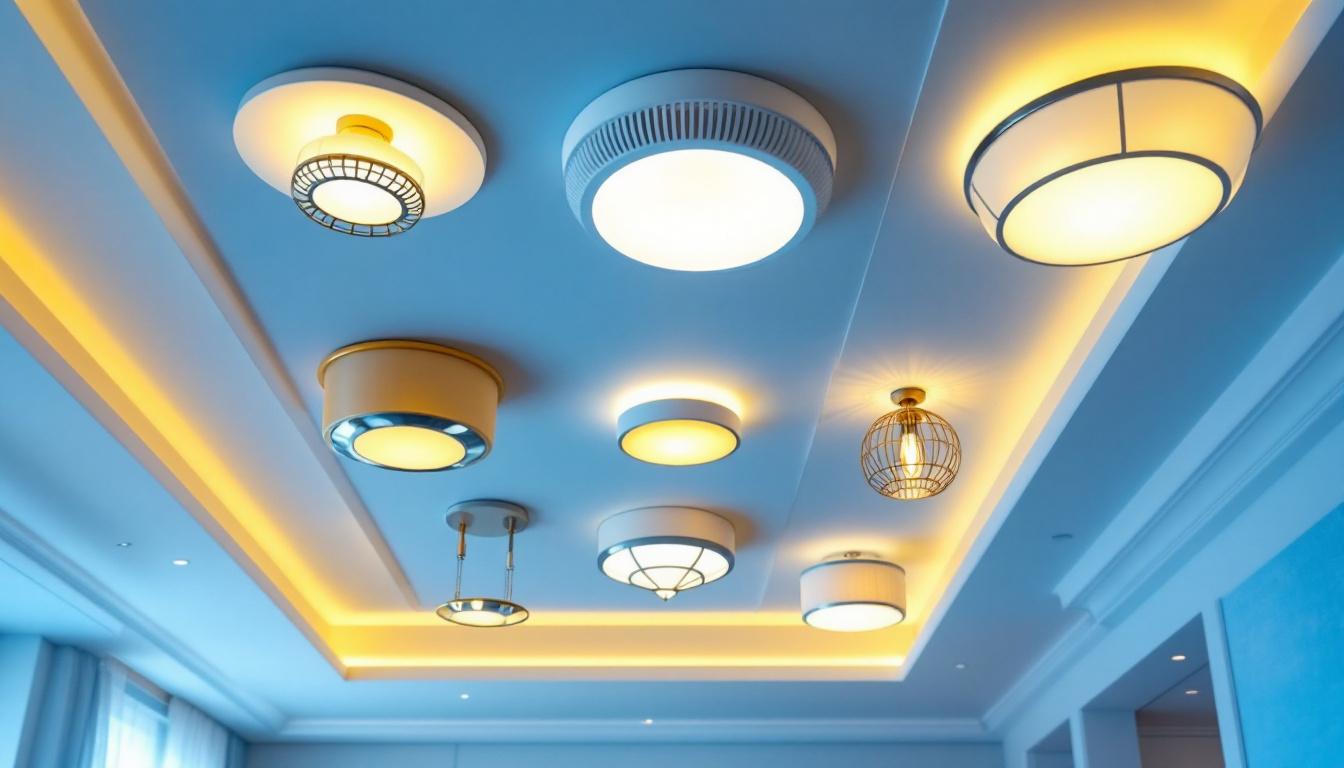
Flush mount lights sit directly against the ceiling, making them a common choice for rooms with lower ceilings. Semi-flush mount fixtures hang slightly below the ceiling, offering a bit more visual interest while still being space-conscious.
These fixtures are versatile and come in many styles, from traditional to contemporary. Selecting the right size and style is critical to complement the room’s scale and design. Overly large fixtures can overwhelm a space, while too-small lights may fail to provide adequate illumination. Moreover, the materials and finishes of these fixtures can greatly influence the overall aesthetic; for instance, a polished chrome finish can lend a modern touch, while an antique bronze may evoke a more classic feel, allowing contractors to tailor their choices to the specific design language of the project.
Track Lighting and Pendant Lights
Track lighting consists of multiple light heads attached to a continuous track, allowing for adjustable and directional lighting. This makes it excellent for highlighting artwork, kitchen counters, or retail displays. Pendant lights hang from the ceiling by cords, chains, or rods and are often used as focal points over dining tables, kitchen islands, or entryways.
Both types require careful planning regarding placement, height, and wattage to avoid shadows and ensure balanced lighting. Mistakes in these areas can lead to costly rework and dissatisfied clients. Additionally, the versatility of track lighting allows for future adjustments; light heads can be repositioned to adapt to changing needs or to refresh the space without the need for extensive renovations. Pendant lights, on the other hand, can be selected in various shapes and colors, allowing for personalization that can enhance the character of the room, making them not just functional but also artistic statements in their own right.
Common Mistakes in Ceiling Lighting Projects and How to Avoid Them
Lighting contractors frequently encounter challenges that can lead to expensive errors if not addressed early in the project. Understanding these pitfalls and implementing best practices is essential to delivering successful lighting installations.
Inadequate Planning and Design
One of the most common mistakes is insufficient planning. Lighting is not merely about installing fixtures; it’s about creating an environment that enhances the space’s functionality and aesthetics. Failing to consider the room’s purpose, natural light sources, and existing electrical infrastructure can result in poor lighting quality.
Using lighting design software or consulting with interior designers can greatly improve project outcomes. These tools and collaborations help visualize light distribution, fixture placement, and energy consumption before installation begins. Additionally, creating a lighting plan that includes layering different types of lighting—ambient, task, and accent—can elevate the overall design, ensuring that each area of the room serves its intended purpose effectively.
Ignoring Electrical Load and Compatibility
Ceiling lights, especially LED fixtures, have specific electrical requirements. Overloading circuits or mixing incompatible dimmers and drivers can cause flickering, reduced fixture lifespan, or even safety hazards. Contractors must verify load capacities and ensure compatibility between all components.
Consulting manufacturer specifications and adhering to local electrical codes is non-negotiable. Investing time in these checks prevents costly callbacks and liability issues. Furthermore, it’s wise to consider future-proofing the installation by selecting fixtures and systems that allow for easy upgrades or modifications as technology evolves, ensuring longevity and adaptability in the design.
Poor Fixture Selection and Placement
Choosing the wrong type or size of ceiling light can drastically affect the room’s ambiance and functionality. For example, installing recessed lights too far apart can create dark spots, while placing pendant lights too low can obstruct movement.
Contractors should perform mock-ups or temporary installations when possible to assess lighting effects. Additionally, understanding the beam angle, color temperature, and lumen output of fixtures ensures that lighting meets client expectations. It is also beneficial to consider the room’s color palette and furnishings, as these elements can influence how light is perceived. For instance, warmer tones may require different lighting strategies compared to cooler tones, and reflective surfaces can amplify or diminish light intensity, affecting the overall atmosphere of the space.
Best Practices for Successful Ceiling Lighting Installations
Adopting a strategic approach to ceiling lighting projects can save time, reduce costs, and enhance client satisfaction. Here are some best practices lighting contractors should follow:
Conduct Thorough Site Assessments
Before selecting fixtures, conduct a detailed site assessment. Measure ceiling heights, note architectural features, and identify existing wiring and power sources. Understanding the physical context helps in choosing fixtures that fit seamlessly and function optimally.
Additionally, assess the client’s lifestyle and preferences. For instance, a family room may require warm, inviting lighting, while a home office benefits from bright, focused illumination. It’s also important to consider the activities that will take place in each room; for example, a kitchen may need brighter task lighting for food preparation, while a bedroom could benefit from softer, ambient lighting to promote relaxation.
Use Energy-Efficient and Quality Fixtures
Energy efficiency is a significant consideration for clients and contractors alike. LED ceiling lights offer long lifespans, low energy consumption, and reduced maintenance costs. Selecting high-quality fixtures from reputable manufacturers ensures reliability and compliance with safety standards.
Furthermore, specifying dimmable LEDs with compatible controls provides flexibility and enhances the user experience, making the lighting adaptable to different activities and moods. Incorporating smart lighting technology can also elevate the installation, allowing clients to control their lighting remotely or set schedules, which not only adds convenience but can also lead to further energy savings.
Plan for Accessibility and Maintenance
Ceiling lights, especially recessed fixtures, can be challenging to access once installed. Planning for easy maintenance access, such as including removable trims or using fixtures with accessible bulbs, reduces future service costs and downtime.
Documenting the installation details and providing clients with maintenance guidelines also contributes to the longevity and performance of the lighting system. Additionally, consider the potential need for future upgrades or changes; leaving space for additional fixtures or wiring can make it easier to adapt the lighting as the client’s needs evolve over time. This foresight not only enhances the practicality of the installation but also demonstrates a commitment to long-term client satisfaction.
Emerging Trends and Technologies in Ceiling Lighting
The lighting industry is continually evolving, with new technologies and design trends shaping how ceiling lights are used. Staying informed about these developments can give contractors a competitive edge and enhance project outcomes.
Smart Lighting Integration
Smart ceiling lights that integrate with home automation systems allow users to control brightness, color temperature, and scheduling via smartphones or voice commands. This technology not only improves convenience but also contributes to energy savings by optimizing usage patterns.
Contractors should familiarize themselves with popular smart lighting platforms and ensure compatibility with existing electrical systems during installation.
Human-Centric Lighting
Human-centric lighting focuses on adjusting light intensity and color to support natural circadian rhythms. Ceiling lights with tunable white LEDs can shift from cool daylight tones during the day to warmer hues in the evening, promoting well-being and productivity.
Incorporating this approach requires understanding the client’s needs and selecting fixtures capable of dynamic color control, which can be a valuable selling point in residential and commercial projects.
Minimalist and Architectural Designs
Modern ceiling lighting trends favor minimalist and integrated designs that blend seamlessly with architectural elements. Linear recessed lights, cove lighting, and ultra-thin panels create clean lines and subtle illumination, enhancing the spatial experience without visual clutter.
Contractors should develop skills in installing these specialized fixtures and advising clients on design possibilities to stay ahead in the market.
Conclusion: Mastering Ceiling Lighting for Project Success
Ceiling lights are a fundamental component of any lighting project, and understanding their types, functions, and installation nuances is essential for lighting contractors. Avoiding common mistakes through careful planning, proper fixture selection, and adherence to electrical standards can prevent costly rework and ensure client satisfaction.
Embracing emerging technologies and design trends further enhances the value contractors bring to their projects. By combining technical expertise with thoughtful design, lighting professionals can create environments that are both beautiful and functional, ultimately leading to successful and profitable lighting installations.
Illuminate Your Projects with LumenWholesale
Ready to elevate your lighting projects to new heights of success? At LumenWholesale, we provide lighting contractors with the exceptional quality and value needed to master any ceiling lighting challenge. Our spec-grade lighting products are crafted to meet the highest industry standards, ensuring your installations shine with reliability and performance. Say goodbye to inflated markups and hello to unbeatable wholesale prices, complete with the convenience of free shipping on bulk orders. Don’t compromise on quality or cost—choose LumenWholesale for the best in lighting solutions. Start browsing our selection now and discover the ideal lighting for your next project at the best value. Wholesale Lighting at the Best Value.