Introduction to Wall Mounted Outdoor Solar Lights
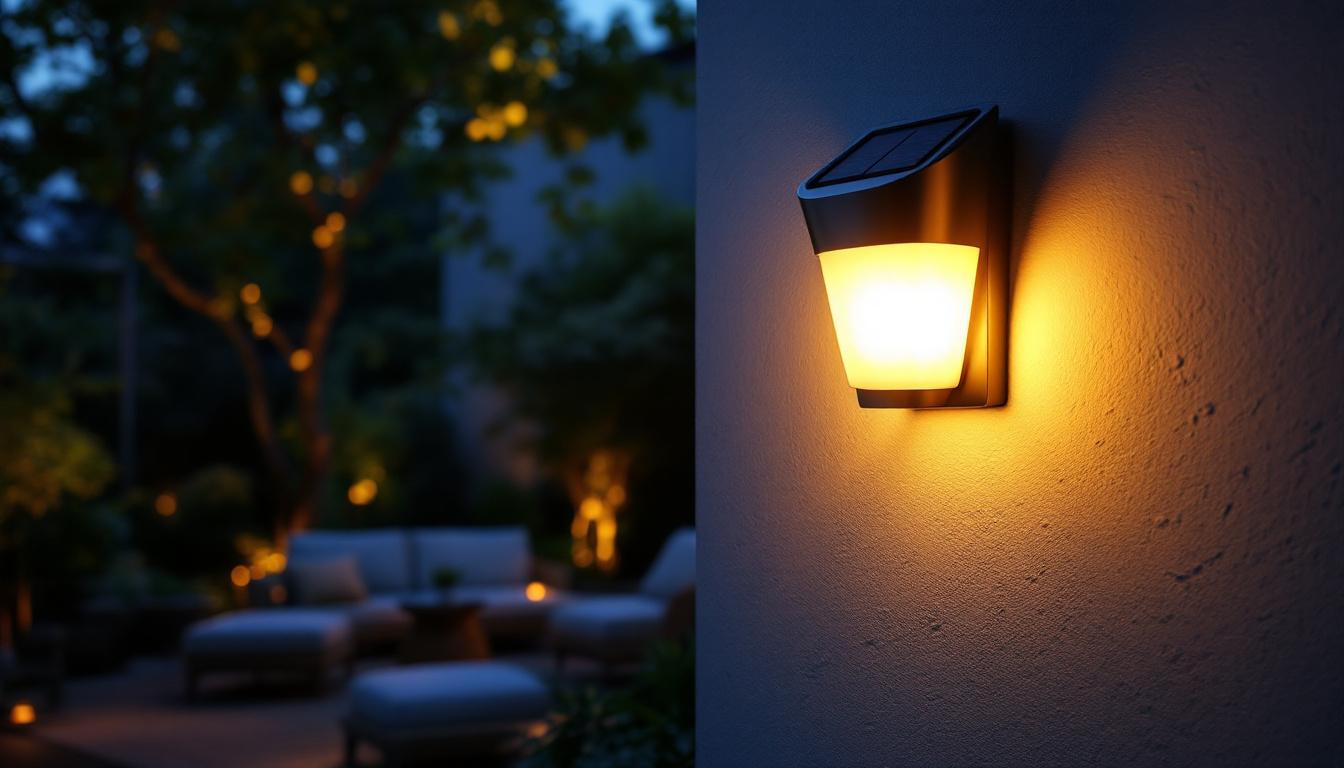
In the evolving landscape of outdoor lighting, wall mounted outdoor solar lights have emerged as a pivotal solution for energy-efficient, sustainable, and cost-effective illumination. For lighting contractors, understanding the nuances of these fixtures is essential to delivering modern lighting solutions that meet both client expectations and regulatory standards.
Solar lighting technology has matured significantly, offering reliable performance even in less-than-ideal weather conditions. This advancement makes wall mounted solar lights an increasingly attractive option for residential, commercial, and municipal applications. Their ease of installation, minimal maintenance, and environmental benefits align well with the growing demand for green building practices and smart home integration.
One of the most compelling features of wall mounted outdoor solar lights is their versatility. Available in a variety of styles, colors, and brightness levels, these fixtures can complement any architectural design while providing functional lighting. From sleek, modern designs that enhance contemporary homes to classic lantern styles that evoke a sense of nostalgia, there is a solar light solution for every aesthetic preference. Additionally, many models come equipped with motion sensors, allowing for enhanced security by illuminating pathways or entryways only when movement is detected, thereby conserving energy and extending battery life.
Moreover, the integration of advanced solar technology means that these lights can be equipped with features such as adjustable brightness settings and remote control operation, allowing users to customize their lighting experience. This adaptability not only enhances the ambiance of outdoor spaces but also contributes to energy savings, as users can adjust the lighting based on their specific needs or preferences at different times of the day. As cities and communities continue to prioritize sustainability, the adoption of wall mounted outdoor solar lights is likely to increase, paving the way for innovative designs and smart technology that further enhance outdoor living environments.
Why Lighting Contractors Should Embrace Solar Wall Lights
Energy Efficiency and Cost Savings
One of the primary advantages of wall mounted outdoor solar lights is their ability to operate independently of the electrical grid. This independence translates into significant energy savings for clients, as solar lights harness free, renewable energy from the sun. For contractors, this means fewer wiring complexities and reduced labor costs during installation.
Moreover, solar lighting systems eliminate ongoing electricity expenses, which is a compelling selling point for budget-conscious clients. The initial investment in high-quality solar fixtures is often offset by the long-term savings and minimal maintenance requirements. With advancements in solar technology, many of these lights now come equipped with smart sensors that adjust brightness based on ambient light levels, further optimizing energy use and extending the lifespan of the fixtures. This innovation not only enhances the user experience but also showcases the contractor’s commitment to providing cutting-edge solutions.
Environmental Impact and Sustainability
With increasing awareness of environmental issues, many clients prioritize sustainable solutions. Solar-powered lighting reduces carbon footprints by cutting down on fossil fuel-based electricity consumption. Lighting contractors who recommend and install solar wall lights position themselves as eco-conscious professionals, enhancing their reputation and appeal in a competitive market.
Additionally, many municipalities and building codes now incentivize or mandate the use of renewable energy solutions, including solar lighting. Contractors adept at integrating these products are better equipped to navigate regulatory landscapes and secure projects that emphasize sustainability. Furthermore, as communities strive to create greener spaces, solar wall lights can play a pivotal role in urban planning and landscape design. By incorporating these fixtures into public parks, pathways, and residential areas, contractors not only contribute to the aesthetic appeal but also foster a sense of safety and accessibility, encouraging outdoor activities and community engagement.
Key Features and Technologies in Wall Mounted Solar Lights
Solar Panel Efficiency and Placement
The heart of any solar lighting system is its photovoltaic panel. Advances in solar panel technology have led to higher conversion efficiencies, enabling smaller panels to generate sufficient power for bright, consistent lighting. Contractors must evaluate the quality and specifications of solar panels, considering factors such as wattage, panel size, and durability.
Proper placement of the solar panel is critical. Since these lights are wall mounted, the panel must be positioned to maximize sun exposure, typically facing south in the northern hemisphere. Contractors should assess site conditions, including shading from trees, buildings, or other obstructions, to ensure optimal performance.
Battery Capacity and Lifespan
Energy storage is another crucial aspect. Most wall mounted solar lights use rechargeable lithium-ion or lithium iron phosphate batteries, which offer longer lifespans and better performance in varying temperatures compared to older nickel-cadmium options. High-capacity batteries enable the light to operate through multiple cloudy days, enhancing reliability.
Contractors should specify battery capacity based on expected usage hours and local weather patterns. Additionally, battery replacement ease is an important consideration for maintenance planning and client satisfaction.
Lighting Output and Control Systems
Modern solar wall lights often feature LED technology, known for energy efficiency and long service life. Lighting contractors must assess lumen output to match the intended application, whether for pathway illumination, security, or decorative purposes. Adjustable brightness settings and motion sensors can enhance functionality, providing brighter light when needed and conserving energy otherwise.
Smart control systems, including remote management via smartphone apps or integration with home automation platforms, are increasingly popular. These features allow users to customize lighting schedules, monitor battery status, and even adjust color temperature, offering added value to clients.
Installation Best Practices for Lighting Contractors
Site Assessment and Planning
Successful installation begins with a thorough site assessment. Contractors should evaluate the mounting surface’s material and condition, sun exposure, and potential obstructions. Understanding the client’s lighting needs and preferences is equally important to tailor the solution appropriately.
Documentation of the site conditions and a clear installation plan help avoid common pitfalls such as inadequate solar exposure or improper mounting height. In some cases, repositioning the solar panel or supplementing with additional fixtures may be necessary to achieve optimal results.
Mounting Techniques and Hardware Selection
Wall mounted solar lights require secure attachment to withstand weather conditions and potential vandalism. Contractors should select appropriate anchors and fasteners based on the wall material—whether brick, wood, stucco, or metal. Weather-resistant hardware ensures longevity and reduces maintenance calls.
Attention to waterproofing and sealing around mounting points prevents moisture ingress, which can damage electrical components. Following manufacturer guidelines and industry standards during installation safeguards the system’s integrity.
Electrical Considerations and Safety
Although solar lights eliminate the need for external wiring, contractors must still adhere to electrical safety standards, especially when integrating with existing lighting systems or backup power sources. Proper grounding and surge protection are recommended to protect sensitive electronics from lightning strikes or power surges.
In commercial or municipal projects, compliance with local electrical codes and obtaining necessary permits may be required. Contractors should stay current with regulations to avoid costly delays or rework.
Maintenance and Troubleshooting Strategies
Routine Inspection and Cleaning
Maintaining optimal performance of wall mounted solar lights involves regular inspection and cleaning. Solar panels should be cleaned periodically to remove dust, dirt, and debris that can reduce energy absorption. Checking for physical damage, corrosion, or loose connections helps identify issues early.
Contractors can offer maintenance contracts to clients, providing ongoing support and ensuring the longevity of installed systems. This service can be a valuable revenue stream and strengthen client relationships.
Battery Replacement and Component Upgrades
Batteries typically require replacement every few years, depending on usage and environmental conditions. Contractors should educate clients on signs of battery degradation, such as reduced illumination time or dimming lights. Offering timely battery replacement services prevents system downtime and maintains customer satisfaction.
As technology evolves, upgrading components like LEDs or control modules can enhance system capabilities without full replacement. Contractors who stay informed about industry advancements can advise clients on cost-effective upgrades that extend the life and functionality of their solar lighting systems.
Common Troubleshooting Scenarios
Typical issues include insufficient charging due to shading, faulty batteries, or sensor malfunctions. Contractors should develop a systematic troubleshooting approach, starting with solar panel inspection, battery testing, and verifying sensor operation. Utilizing diagnostic tools and manufacturer support resources can expedite problem resolution.
Training technicians in these troubleshooting techniques ensures efficient service calls and reduces repeat visits, improving operational efficiency and client trust.
Market Trends and Future Directions
Integration with Smart Home and IoT Technologies
The integration of solar lighting with smart home ecosystems and Internet of Things (IoT) devices is a growing trend. Lighting contractors can leverage this by offering solutions that allow remote monitoring, automated scheduling, and adaptive lighting based on environmental conditions or occupancy.
These advanced features not only enhance user experience but also provide data insights that can inform energy usage optimization and predictive maintenance, opening new avenues for contractor services.
Advancements in Solar Materials and Design
Emerging materials, such as perovskite solar cells and flexible photovoltaic films, promise higher efficiencies and novel form factors for solar lighting. Contractors should monitor these developments to anticipate future product offerings that could simplify installation or improve aesthetics.
Design trends are also shifting towards minimalist and modular fixtures that blend seamlessly with architectural styles. Offering contemporary designs can differentiate contractors in a competitive marketplace.
Regulatory and Incentive Landscape
Government incentives, rebates, and mandates related to renewable energy adoption continue to evolve. Lighting contractors must stay informed about available programs that can reduce client costs or provide competitive advantages in bidding processes.
Understanding and communicating these incentives can be a key component of the contractor’s value proposition, facilitating project approval and client decision-making.
Conclusion
Wall mounted outdoor solar lights represent a smart, sustainable, and increasingly popular choice for outdoor illumination. For lighting contractors, mastering the technical, installation, and maintenance aspects of these systems is essential to delivering high-quality solutions that satisfy client needs and regulatory requirements.
By embracing the latest technologies, adhering to best practices, and staying attuned to market trends, contractors can position themselves as leaders in the renewable lighting sector, unlocking new business opportunities and contributing to a greener future.
Illuminate Your Projects with LumenWholesale
Ready to elevate your lighting solutions and lead the way in renewable outdoor illumination? LumenWholesale is here to support your journey. Our extensive range of spec-grade lighting products, including wall mounted outdoor solar lights, are designed to meet the highest industry standards. With unbeatable wholesale prices and the convenience of free shipping on bulk orders, you can provide your clients with top-quality lighting while maximizing your project’s value. Don’t let middleman markups dim your competitive edge. Choose LumenWholesale for premium lighting at the best price — without hidden fees or compromises. Wholesale Lighting at the Best Value is just a click away.