Upgrading or installing LED lighting for baseball fields requires a deep understanding of both the technical and practical aspects of sports lighting. For lighting contractors, delivering a high-quality LED baseball lighting system means balancing illumination standards, energy efficiency, durability, and player safety. This comprehensive checklist guides lighting contractors through the essential considerations and best practices to ensure successful LED baseball lighting projects.
Understanding Baseball Lighting Requirements
Illumination Standards and Uniformity
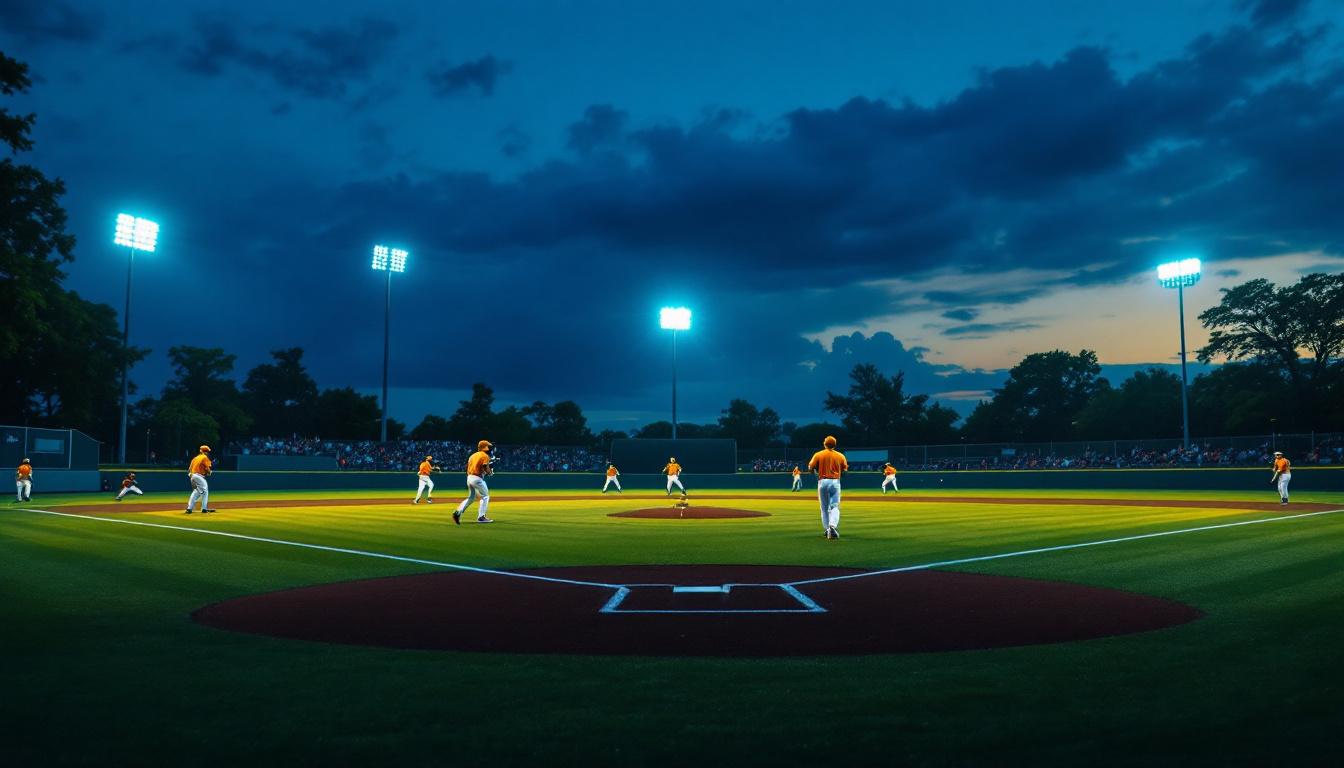
Baseball fields have specific lighting requirements to ensure optimal visibility for players, officials, and spectators. The Illuminating Engineering Society (IES) provides recommended foot-candle levels for various levels of play, from recreational leagues to professional stadiums. Typically, infield areas require higher illumination levels than the outfield due to the faster pace and closer action. For instance, professional stadiums may require upwards of 100 foot-candles in the infield, while recreational fields might only need around 30 foot-candles. This variance highlights the importance of tailored lighting solutions that meet the specific needs of each level of play.
Uniformity is equally important. Uneven lighting can create shadows and glare, affecting player performance and safety. Contractors must design lighting layouts that maintain a uniformity ratio (minimum to average illuminance) of at least 0.6 across the playing surface. This ensures consistent visibility without dark spots or overly bright areas. Additionally, the layout of the lighting fixtures plays a crucial role; strategic placement can help mitigate the effects of natural light during twilight hours, ensuring that the transition from day to night is seamless for both players and spectators.
Color Rendering and Correlated Color Temperature (CCT)
Color rendering index (CRI) measures how accurately a light source reveals the colors of objects compared to natural light. For baseball fields, a CRI of 70 or higher is recommended to help players and officials distinguish the ball and field markings clearly. Additionally, CCT values between 4000K and 5700K provide a natural daylight appearance, enhancing visual clarity and reducing eye strain during evening games. The choice of lighting technology, such as LED or metal halide, can significantly affect both CRI and CCT, making it essential for field operators to select the right fixtures that balance energy efficiency with performance.
Moreover, the psychological effects of lighting should not be overlooked. A well-lit field can enhance the overall atmosphere of the game, contributing to a more enjoyable experience for fans and players alike. Studies have shown that players perform better in environments where they feel comfortable and can see clearly, which is why investing in high-quality lighting systems is crucial for the success of any baseball program.
Glare Control and Light Spill
Glare can significantly impair player performance and spectator comfort. Proper fixture selection and aiming techniques minimize direct glare. Furthermore, controlling light spill is critical to avoid disturbing neighboring properties and comply with local ordinances. Contractors should use full cutoff or shielded fixtures and carefully calculate mounting heights and angles to direct light precisely where needed. This meticulous planning not only enhances the playing experience but also fosters good relationships with the surrounding community by reducing light pollution.
In addition to these technical considerations, the integration of smart lighting systems is becoming increasingly popular in modern baseball facilities. These systems allow for real-time adjustments based on game conditions, weather, and even crowd size, ensuring that the lighting is always at optimal levels. By embracing technology, stadium operators can create a dynamic environment that enhances both gameplay and fan engagement, making each game an unforgettable experience under the lights.
Design and Layout Considerations
Fixture Placement and Mounting Heights
Optimal fixture placement ensures balanced coverage and minimizes shadows. Lighting poles are typically positioned around the perimeter of the field, with heights ranging from 60 to 100 feet depending on field size and desired illumination levels. Higher poles allow wider light distribution but require more powerful fixtures. The strategic placement of these fixtures not only enhances visibility for players and spectators but also contributes to the overall aesthetic of the venue, creating a welcoming atmosphere during night games.
Contractors should perform detailed photometric analyses using lighting design software to simulate the lighting layout before installation. This helps identify potential problem areas and optimize pole locations and aiming angles for maximum efficiency. By utilizing advanced software tools, designers can visualize how light interacts with the field’s surface, ensuring that all areas receive adequate illumination while avoiding excessive brightness that could distract players or fans. Furthermore, considering the surrounding environment, such as nearby buildings or trees, can also influence the placement of fixtures to prevent light pollution and maintain compliance with local regulations.
Number and Type of Fixtures
The number of fixtures depends on the field dimensions, desired foot-candle levels, and fixture lumen output. LED fixtures designed specifically for sports applications often feature asymmetric optics to direct light evenly across the playing surface. Modular LED floodlights with adjustable beam angles offer flexibility in achieving uniform coverage. Selecting the right type of fixture is crucial, as it not only affects the quality of light but also impacts maintenance schedules and operational costs. For instance, fixtures with longer lifespans and lower energy consumption can significantly reduce the total cost of ownership over time.
Incorporating dimmable fixtures allows for lighting adjustments based on game requirements or practice sessions, improving energy savings and extending fixture life. This adaptability is particularly beneficial for multi-use fields, where different sports may have varying lighting needs. Additionally, the implementation of smart lighting technologies can enable automated adjustments based on ambient light conditions or occupancy, further enhancing energy efficiency and user satisfaction.
Integration with Existing Infrastructure
When retrofitting existing baseball fields, contractors must assess the current electrical infrastructure, pole conditions, and mounting hardware. Compatibility with existing poles can reduce costs, but structural integrity must be verified to support new LED fixtures, which may have different weights or mounting requirements. It is essential to conduct a thorough inspection of the existing setup to ensure that any upgrades do not compromise safety or performance. This may involve reinforcing poles or updating wiring to handle the increased load and energy demands of modern lighting systems.
Additionally, integrating LED lighting with existing control systems or upgrading to smart lighting controls can enhance operational efficiency and user experience. Such systems can provide remote monitoring and control capabilities, allowing facility managers to adjust lighting settings from a distance, schedule automatic on/off times, and even receive alerts for maintenance needs. This level of integration not only streamlines operations but also fosters a more responsive and adaptable environment for athletes and spectators alike, ensuring that the lighting enhances the overall experience of the game.
Energy Efficiency and Sustainability
Energy Consumption and Cost Savings
LED lighting offers significant energy savings compared to traditional metal halide or high-pressure sodium lamps. LEDs consume up to 50-70% less energy while providing superior light quality. For baseball fields with long operating hours, this translates into substantial cost reductions on electricity bills.
Lighting contractors should calculate the expected energy consumption and highlight potential savings to clients, emphasizing the long-term financial benefits of LED upgrades.
Longevity and Maintenance
LED fixtures typically have a lifespan of 50,000 to 100,000 hours, far exceeding traditional lighting technologies. This reduces maintenance frequency and costs, an important consideration for outdoor sports facilities where fixture replacement can be labor-intensive and disruptive.
Contractors should specify LED products with robust housings rated for outdoor use, including IP65 or higher ingress protection to withstand weather conditions. Additionally, selecting fixtures with easy access for maintenance can streamline future servicing.
Environmental Impact
LED lighting contributes to sustainability goals by reducing energy consumption and minimizing carbon footprints. Many LED fixtures are mercury-free and recyclable, aligning with environmental regulations and community expectations. Contractors can leverage these benefits to promote green initiatives and secure environmentally conscious clients.
Installation Best Practices
Site Assessment and Preparation
Before installation, a thorough site assessment is critical. Contractors should evaluate pole foundations, electrical capacity, and potential obstructions such as trees or buildings that could affect light distribution. Soil conditions and drainage must also be considered to ensure stable pole installation.
Coordination with field managers and local authorities is essential to schedule work during off-hours and comply with safety regulations.
Electrical Wiring and Control Systems
Proper wiring practices ensure reliable operation and safety. Contractors should use weather-resistant conduit and connectors designed for outdoor use. Grounding and surge protection are vital to safeguard fixtures and control equipment from electrical faults and lightning strikes.
Incorporating smart control systems enables remote monitoring, dimming, and scheduling, enhancing operational flexibility. These systems can also provide valuable data on energy usage and fixture performance.
Testing and Commissioning
After installation, comprehensive testing verifies that lighting levels meet design specifications. Contractors should measure illuminance and uniformity across the field using calibrated light meters. Adjustments to fixture aiming and control settings may be necessary to optimize performance.
Documenting test results and providing clients with detailed reports supports warranty claims and future maintenance planning.
Compliance and Safety Considerations
Regulatory Standards and Permits
Lighting contractors must ensure compliance with local codes, ordinances, and sports governing body standards. This includes obtaining necessary permits and adhering to regulations regarding light trespass, glare, and electrical safety.
Understanding the specific requirements for baseball fields, such as those set by the National Federation of State High School Associations (NFHS) or other relevant organizations, helps avoid costly rework or legal issues.
Player and Spectator Safety
Proper lighting reduces the risk of accidents and injuries on the field. Avoiding glare and shadows enhances players’ ability to track the ball and react quickly. For spectators, well-lit seating and pathways improve safety and comfort during evening events.
Contractors should also consider emergency lighting and backup power solutions to maintain illumination during outages.
Emerging Trends and Technologies
Adaptive and Dynamic Lighting
Advancements in LED technology now allow for adaptive lighting systems that adjust brightness and color temperature based on real-time conditions such as game phase, weather, or ambient light. These systems enhance energy efficiency and improve the viewing experience.
Integration with Broadcast and Media
Modern baseball lighting must accommodate high-definition broadcasting and media requirements. LED systems with flicker-free operation and high CRI support better image quality for televised games, an increasingly important consideration for professional and semi-professional venues.
Wireless Controls and IoT
Wireless lighting controls and Internet of Things (IoT) integration enable centralized management of multiple fields and facilities. Contractors can offer clients scalable solutions that simplify maintenance, scheduling, and energy management across sports complexes.
Conclusion
LED baseball lighting projects demand meticulous planning, technical expertise, and adherence to industry standards. By following this checklist, lighting contractors can deliver efficient, durable, and high-performance lighting systems that enhance player safety, spectator experience, and operational sustainability. Staying informed about emerging technologies and best practices ensures contractors remain competitive in this evolving market.
Illuminate Your Baseball Field with LumenWholesale
Ready to hit a home run with your next LED baseball lighting project? At LumenWholesale, we provide lighting contractors with the highest quality, spec-grade lighting products at prices that can’t be beaten. Say goodbye to local distributor markups and hello to a vast selection of industry-standard lighting solutions that promise reliability and high performance. With free shipping on bulk orders, you can secure premium lighting for your baseball field at the best value — no hidden fees, no compromises. Elevate your game with the efficiency, durability, and cost-effectiveness of LumenWholesale. Wholesale Lighting at the Best Value is just a click away.