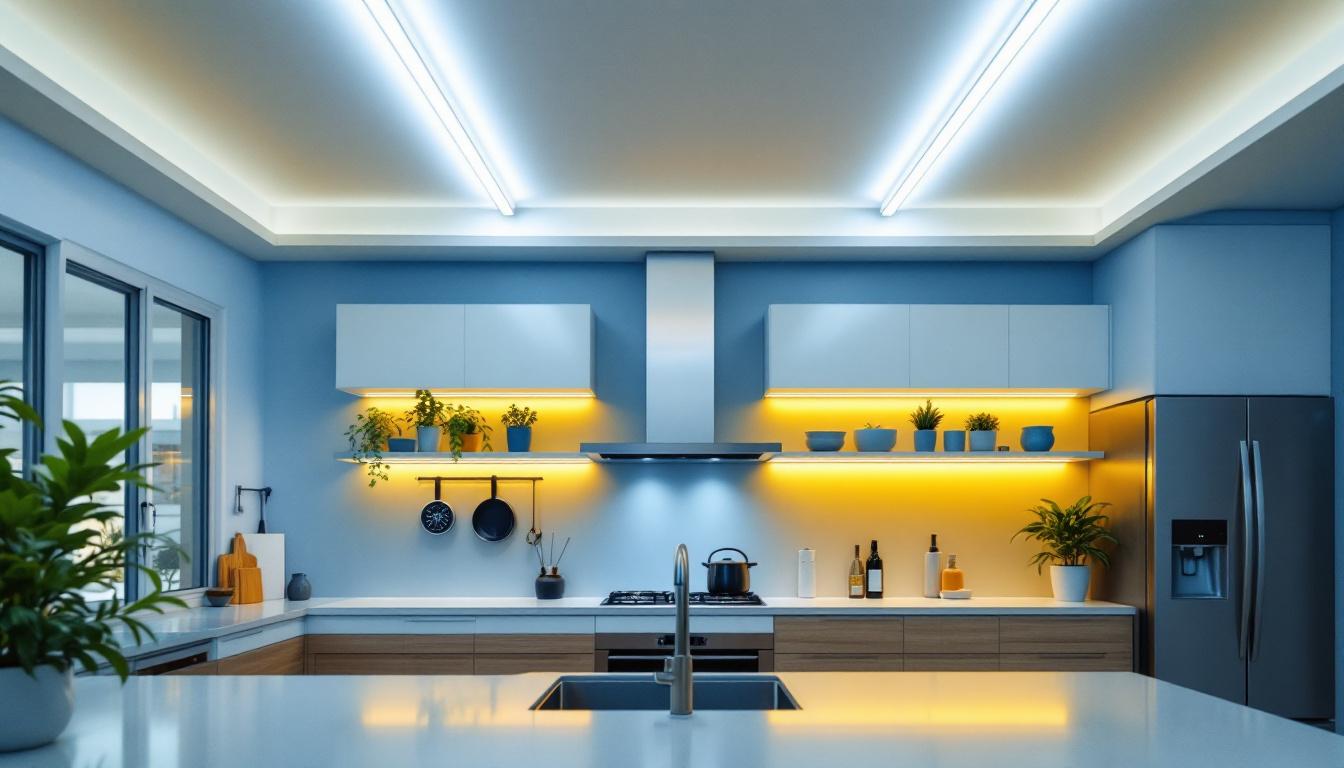
Introduction to Effective Lighting Contracting
Lighting contractors play a pivotal role in shaping the ambiance, functionality, and safety of residential, commercial, and industrial spaces. The complexity of modern lighting systems, combined with evolving technologies and stringent regulations, demands a thorough and systematic approach to every project. Maxlight Lighting has developed an ultimate checklist designed to help lighting contractors streamline their workflow, ensure compliance, and deliver exceptional results.
Whether installing LED systems, integrating smart lighting controls, or retrofitting existing setups, contractors must balance technical precision with client expectations. This comprehensive checklist covers essential phases from pre-project planning to post-installation maintenance, helping contractors minimize errors, optimize efficiency, and enhance customer satisfaction.
In addition to technical considerations, understanding the psychological impact of lighting on occupants is crucial for contractors. Different lighting temperatures can evoke various moods; for instance, cooler white lights can enhance alertness and productivity in office environments, while warmer tones can create a cozy and inviting atmosphere in homes and restaurants. By factoring in the intended use of each space, contractors can tailor their lighting solutions to not only meet functional needs but also improve the overall experience for users.
Moreover, the rise of sustainable practices in the lighting industry cannot be overlooked. With increasing awareness of environmental issues, many clients are seeking energy-efficient solutions that reduce their carbon footprint. This includes the use of energy-efficient bulbs, smart lighting that adjusts based on occupancy, and systems that can be easily integrated with renewable energy sources. By staying informed about the latest advancements in sustainable lighting technologies, contractors can position themselves as leaders in the field, offering innovative solutions that appeal to environmentally conscious clients.
Pre-Project Planning and Assessment
Understanding Client Requirements
Before any physical work begins, it is crucial to gather detailed information about the client’s needs. This includes the purpose of the lighting (e.g., ambient, task, accent), preferred aesthetics, budget constraints, and any specific energy efficiency goals. Open communication at this stage prevents costly revisions and ensures that the lighting design aligns with the client’s vision.
Documenting these requirements in a project brief or proposal can serve as a reference throughout the project lifecycle, reducing misunderstandings and scope creep. Furthermore, engaging the client in discussions about their lifestyle or business operations can uncover additional insights that may influence the lighting design. For instance, a restaurant may require a different ambiance during lunch hours compared to dinner service, necessitating a flexible lighting solution that can adapt to varying needs throughout the day.
Site Survey and Environmental Assessment
A thorough site survey is indispensable for understanding the physical conditions that will influence the lighting installation. Contractors should assess existing electrical infrastructure, ceiling heights, natural light availability, and potential obstructions. This assessment helps in selecting appropriate fixtures, wiring methods, and mounting techniques.
Additionally, evaluating environmental factors such as moisture levels, temperature fluctuations, and exposure to chemicals or dust is essential, especially for industrial or outdoor installations. Choosing fixtures with suitable IP ratings and materials ensures durability and safety. During the site survey, it is also beneficial to consider the surrounding landscape and architecture, as these elements can impact the effectiveness of the lighting design. For example, strategically placed outdoor lighting can enhance the beauty of landscaping while ensuring safety and security during nighttime hours.
Regulatory Compliance and Permitting
Lighting projects must comply with local building codes, electrical standards, and energy efficiency regulations. Contractors should verify all relevant requirements, including those related to emergency lighting, exit signs, and occupancy sensors. Early engagement with permitting authorities can expedite approvals and prevent delays.
Understanding standards such as the National Electrical Code (NEC) and guidelines from organizations like the Illuminating Engineering Society (IES) is critical. Staying updated on changes in legislation helps contractors maintain compliance and avoid potential liabilities. Moreover, it is essential to consider the impact of lighting on the environment, as many jurisdictions are increasingly enforcing regulations aimed at reducing light pollution and promoting sustainable practices. This might involve using fixtures that minimize glare and directing light only where it is needed, thereby enhancing both safety and ecological responsibility.
Design and Specification Phase
Fixture Selection and Energy Efficiency
Choosing the right lighting fixtures is a balance between aesthetics, functionality, and energy consumption. LED technology has become the industry standard due to its longevity, efficiency, and versatility. Contractors should prioritize fixtures with high lumens per watt ratios and appropriate color temperatures to suit the space’s purpose. The choice of fixture design can also influence the overall ambiance of a space; for instance, pendant lights can create a cozy atmosphere in dining areas, while recessed lighting may be ideal for a sleek, modern look in commercial settings.
Energy-efficient lighting not only reduces operational costs for clients but also contributes to sustainability goals. Incorporating controls like dimmers, occupancy sensors, and daylight harvesting systems can further optimize energy use. Additionally, selecting fixtures that are made from recyclable materials or that have low environmental impact during production can enhance a project’s green credentials. As energy codes become more stringent, staying informed about the latest technologies and regulations is crucial for contractors aiming to deliver compliant and forward-thinking solutions.
Lighting Layout and Photometric Analysis
A well-planned lighting layout ensures uniform illumination, minimizes glare, and highlights architectural features effectively. Utilizing photometric software allows contractors to simulate lighting performance, adjust fixture placement, and predict energy consumption before installation. This software can also provide valuable data on how light interacts with different surfaces, helping to create a more dynamic and visually interesting environment. For example, the use of reflective surfaces can enhance brightness and reduce the number of fixtures needed, leading to further energy savings.
Accurate lighting calculations help meet client expectations and comply with recommended illuminance levels for different environments, such as offices, retail spaces, or warehouses. This proactive approach reduces the risk of under- or over-lighting, which can impact comfort and productivity. Moreover, considering the human factors in lighting design, such as circadian rhythms and the psychological effects of light color and intensity, can significantly enhance the user experience in various settings, from healthcare facilities to educational institutions.
Integration with Building Systems
Modern lighting systems often integrate with building automation and security systems. Contractors should coordinate with other trades to ensure compatibility with HVAC controls, fire alarms, and access control systems. This integration enhances operational efficiency and user convenience. Furthermore, understanding the specific needs of the building’s occupants can guide the integration process; for instance, in a smart office environment, lighting can be programmed to adjust automatically based on occupancy patterns, promoting both energy savings and comfort.
Smart lighting solutions, including wireless controls and IoT connectivity, require careful planning for network infrastructure and cybersecurity considerations. Early collaboration with IT professionals can facilitate seamless integration. Additionally, educating clients about the benefits of these advanced systems can lead to greater acceptance and utilization. As technology evolves, the potential for data analytics to inform lighting adjustments and maintenance schedules will only increase, paving the way for more responsive and efficient building environments.
Installation Best Practices
Safety Protocols and Site Preparation
Safety is paramount during installation. Contractors must enforce strict adherence to OSHA guidelines and ensure all personnel are trained in electrical safety, fall protection, and proper use of tools and equipment. Conducting a site hazard assessment before work begins helps identify and mitigate risks.
Preparing the site includes verifying power shutdowns, securing work areas, and coordinating with other contractors to avoid conflicts. Clear communication and signage maintain a safe environment for workers and occupants.
Quality Control and Precision
Accurate wiring, secure fixture mounting, and proper alignment are critical to the longevity and performance of lighting installations. Contractors should use calibrated tools and follow manufacturer instructions meticulously. Double-checking connections and conducting continuity tests reduce the likelihood of faults.
Documenting installation steps and deviations supports troubleshooting and future maintenance. Employing checklists during installation ensures no critical step is overlooked.
Testing and Commissioning
After installation, comprehensive testing verifies that all components function as intended. This includes checking light levels, verifying control system responsiveness, and ensuring emergency lighting operates correctly. Commissioning also involves calibrating sensors and timers to optimize performance.
Providing clients with detailed test reports and user manuals enhances transparency and facilitates smooth handover. Offering training sessions on system operation can improve client satisfaction and reduce service calls.
Post-Installation Support and Maintenance
Routine Maintenance and Inspection
Regular maintenance extends the lifespan of lighting systems and maintains their efficiency. Contractors should establish maintenance schedules that include cleaning fixtures, replacing lamps, inspecting wiring, and testing controls. Proactive maintenance prevents unexpected failures and costly downtime.
Documenting maintenance activities and tracking system performance helps identify trends and plan upgrades. Offering maintenance contracts can provide steady revenue streams and strengthen client relationships.
Troubleshooting and Repairs
Despite best practices, lighting systems may encounter issues such as flickering, dimming, or control malfunctions. Contractors must be equipped to diagnose problems quickly using appropriate diagnostic tools and techniques. Understanding common failure modes, such as driver or sensor faults, expedites repairs.
Providing prompt and effective repair services reinforces contractor reliability and client trust. Keeping an inventory of critical spare parts reduces response times.
Upgrades and Future-Proofing
Technology advances rapidly in the lighting industry. Contractors should advise clients on potential upgrades, such as transitioning to more efficient LEDs, integrating advanced controls, or adopting renewable energy sources. Future-proofing lighting systems enhances their value and adaptability.
Staying informed about emerging trends and products enables contractors to offer innovative solutions that meet evolving client needs and environmental standards.
Business and Client Management
Accurate Estimating and Budgeting
Precise cost estimation is essential for winning bids and maintaining profitability. Contractors should consider labor, materials, equipment, permits, and contingencies. Transparent pricing builds client confidence and reduces disputes.
Utilizing software tools for estimating and project management can improve accuracy and efficiency. Regularly reviewing project costs against estimates supports continuous improvement.
Effective Communication and Documentation
Clear communication with clients, suppliers, and subcontractors ensures smooth project execution. Providing regular updates, addressing concerns promptly, and documenting all agreements and changes protect both parties.
Maintaining organized records of contracts, invoices, and correspondence facilitates audits and legal compliance.
Continuing Education and Certification
Lighting contractors benefit from ongoing education to keep pace with technological advancements and regulatory changes. Pursuing certifications from recognized bodies, such as the National Institute for Certification in Engineering Technologies (NICET) or the Lighting Certified program, enhances credibility.
Participating in industry workshops, trade shows, and webinars fosters professional growth and networking opportunities.
Conclusion
Maxlight Lighting’s ultimate checklist provides a structured framework for lighting contractors to deliver high-quality, compliant, and efficient lighting solutions. By focusing on thorough planning, precise execution, and proactive maintenance, contractors can enhance their reputation and client satisfaction.
Adopting best practices in safety, technology integration, and business management empowers contractors to navigate the complexities of modern lighting projects confidently. This comprehensive approach not only benefits contractors but also contributes to sustainable, well-lit environments that improve quality of life and productivity.
Get Your Spec-Grade Lighting Supplies at LumenWholesale
Ready to elevate your lighting projects with the highest quality materials at the best prices? Look no further than LumenWholesale for a vast selection of spec-grade lighting products that meet your every need. Say goodbye to middleman markups and hello to unbeatable wholesale prices, free shipping, and the convenience you deserve. Make your next project shine with LumenWholesale, where quality, affordability, and contractor satisfaction come together seamlessly.