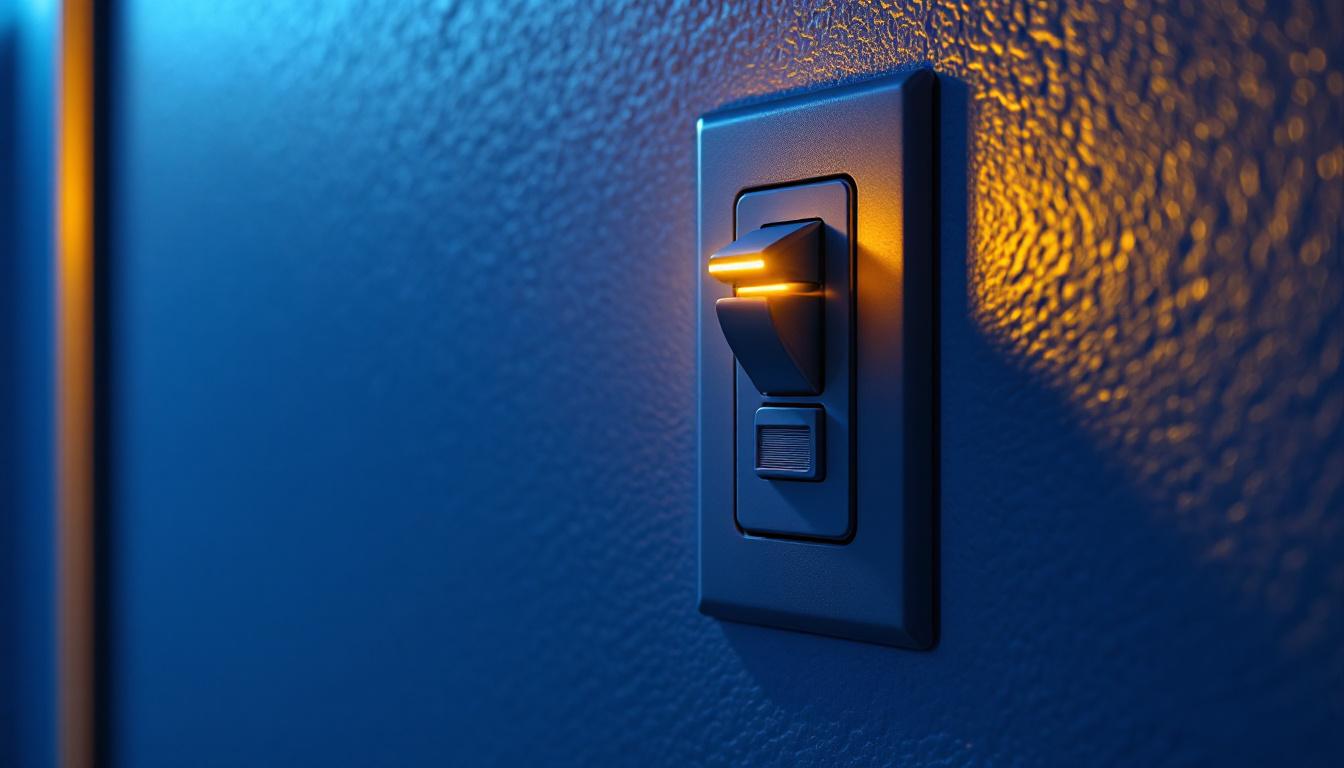
Understanding the Electrical Outlet With On Off Switch
For lighting contractors, the integration of electrical outlets equipped with on/off switches presents a valuable opportunity to enhance both functionality and safety in residential and commercial installations. These outlets, often referred to as switched outlets, allow users to control power flow to connected devices without unplugging them, offering convenience and energy efficiency.
Unlike standard outlets, switched outlets incorporate a built-in switch that can interrupt the electrical circuit feeding the receptacle. This feature is particularly useful in lighting applications where controlling lamps or other fixtures directly at the outlet can simplify operation and reduce wear on the device’s power cord.
Understanding the design and operational principles of these outlets is essential for lighting contractors. It ensures proper installation, compliance with electrical codes, and the delivery of reliable, user-friendly solutions to clients.
Additionally, the versatility of switched outlets extends beyond mere convenience; they can significantly enhance the aesthetic appeal of a space. By strategically placing these outlets in locations where lamps or decorative lighting are used, contractors can create a seamless look that eliminates the need for visible cords and plugs. This not only contributes to a cleaner design but also allows for greater flexibility in furniture arrangement, as users can easily turn lights on or off without having to reach behind heavy pieces of furniture.
Moreover, the safety benefits of switched outlets cannot be overlooked. In environments where children or pets are present, having the ability to quickly disconnect power to a lamp or appliance can prevent accidents and potential hazards. This added layer of safety is particularly important in areas such as nurseries or playrooms, where ensuring a secure environment is paramount. By educating clients on the advantages of switched outlets, contractors can foster a greater understanding of their value, leading to more informed decisions during the installation process.
Benefits of Using Switched Electrical Outlets in Lighting Projects
Enhanced User Convenience
One of the primary advantages of installing electrical outlets with on/off switches is the enhanced convenience for end-users. Instead of reaching for a lamp’s switch or unplugging devices to cut power, users can simply toggle the outlet’s switch. This is particularly beneficial in hard-to-reach areas or setups with multiple lighting fixtures.
For example, in hospitality or office environments, switched outlets enable quick control of desk lamps or ambient lighting without disturbing the workspace or requiring additional wiring for separate switches.
Energy Efficiency and Cost Savings
Switched outlets contribute to energy savings by allowing users to completely disconnect power to devices that would otherwise remain in standby mode, consuming phantom loads. According to energy studies, standby power can account for up to 10% of household electricity use, making switched outlets a practical solution to reduce unnecessary energy consumption.
Lighting contractors can emphasize this benefit to environmentally conscious clients or those seeking to reduce operational costs, positioning switched outlets as a smart upgrade in both new builds and retrofit projects.
Improved Safety and Device Longevity
By cutting power at the outlet, switched outlets help prevent electrical hazards such as short circuits or overheating when devices are not in use. This is especially relevant for lighting fixtures with halogen or incandescent bulbs, which can generate heat even when off but still plugged in.
Additionally, reducing continuous power flow can extend the lifespan of connected devices by minimizing electrical stress, a selling point that lighting contractors can highlight during client consultations.
Installation Considerations for Lighting Contractors
Compliance With Electrical Codes and Standards
Lighting contractors must ensure that switched outlet installations comply with local and national electrical codes. The National Electrical Code (NEC), for instance, provides guidelines on outlet placement, wiring methods, and switch integration to maintain safety and functionality.
Key considerations include ensuring that the switch properly interrupts the hot conductor and that the outlet is rated for the intended load. Additionally, contractors should verify that switched outlets are installed in appropriate locations, such as living areas or offices, rather than in circuits requiring constant power like smoke detectors or refrigerators.
Wiring Techniques and Best Practices
Proper wiring is critical for the safe and effective operation of switched outlets. Typically, the switch is wired in series with the hot line feeding the outlet. Lighting contractors should use color-coded wiring to distinguish the switched hot conductor from the neutral and ground wires, reducing the risk of wiring errors during installation or future maintenance.
It is also advisable to test the outlet and switch operation before finalizing the installation. Using a circuit tester or multimeter can confirm that the switch correctly interrupts power and that the outlet is grounded and functioning as intended.
Integration With Lighting Control Systems
In modern lighting projects, switched outlets can be integrated with broader lighting control systems, including smart home automation platforms. Lighting contractors should consider compatibility with dimmers, timers, or remote control modules to offer clients enhanced control options.
For example, installing a switched outlet that can be controlled via a smart switch or app allows users to schedule lighting or monitor energy usage remotely. This integration requires careful planning of wiring and device selection to ensure seamless operation.
Choosing the Right Electrical Outlet With On Off Switch
Evaluating Quality and Durability
Lighting contractors should prioritize outlets from reputable manufacturers that meet recognized safety and performance certifications such as UL or ETL listings. High-quality outlets feature robust switches rated for frequent use and resist wear from mechanical operation.
Durability is especially important in commercial or high-traffic environments where outlets may be switched multiple times daily. Selecting outlets with reinforced contacts and corrosion-resistant materials can reduce maintenance needs and enhance client satisfaction.
Design and Aesthetic Considerations
While functionality is paramount, the visual design of switched outlets can influence client preferences, particularly in residential or high-end commercial projects. Lighting contractors should offer options that blend with wall finishes and complement fixture styles.
Available designs range from traditional toggle switches integrated into outlets to sleek rocker switches or illuminated toggles that indicate power status. Offering a variety of finishes, such as white, ivory, or metallic, allows contractors to tailor installations to client tastes.
Load Capacity and Application Specifics
Different lighting applications demand varying load capacities. Contractors must select switched outlets rated for the electrical load of connected devices. For instance, outlets controlling multiple high-wattage lamps or specialty lighting may require higher amperage ratings or dedicated circuits.
Understanding the client’s lighting setup and anticipated power requirements ensures that the selected outlet operates safely and reliably without risk of overload or premature failure.
Common Challenges and Troubleshooting Tips
Addressing Switch Failure and Wear
Switches integrated into outlets can wear out over time, leading to intermittent operation or failure to control power flow. Lighting contractors should advise clients on signs of switch degradation, such as flickering lights, difficulty toggling the switch, or outlets that remain powered despite the switch position.
Regular inspection and prompt replacement of faulty switched outlets can prevent electrical hazards and maintain system reliability.
Resolving Wiring Issues
Incorrect wiring is a frequent cause of switched outlet malfunctions. Common problems include reversed hot and neutral wires, failure to interrupt the hot conductor, or loose connections. Lighting contractors should employ thorough testing protocols post-installation to detect and correct wiring errors.
Using wiring diagrams specific to the outlet model and adhering to standardized color codes enhances installation accuracy and simplifies troubleshooting.
Compatibility with LED and Smart Lighting
Some switched outlets may experience compatibility issues with LED lighting or smart bulbs, such as flickering or inability to maintain a stable power state. Lighting contractors should verify manufacturer recommendations and consider installing outlets or switches specifically designed for LED or smart lighting loads.
In cases where switched outlets are integrated into smart home systems, ensuring firmware updates and proper network configuration can mitigate operational issues.
Best Practices for Lighting Contractors When Recommending Switched Outlets
Assessing Client Needs and Usage Patterns
Effective recommendations start with a thorough understanding of the client’s lighting usage and preferences. Lighting contractors should inquire about the types of fixtures, frequency of use, and desired control methods to determine whether switched outlets are appropriate.
For example, clients seeking simple, manual control may benefit from basic switched outlets, while those interested in automation might require outlets compatible with smart control systems.
Providing Clear Installation and Maintenance Guidance
Clients often appreciate guidance on how to use and maintain switched outlets properly. Lighting contractors should supply instructions on operating the switches, recognizing signs of wear, and performing basic troubleshooting.
Additionally, offering maintenance services or follow-up inspections can build client trust and ensure long-term satisfaction with the installation.
Staying Updated on Industry Trends and Innovations
The electrical and lighting industries continuously evolve, introducing new technologies and standards. Lighting contractors should stay informed about emerging switched outlet designs, energy efficiency advancements, and smart integration capabilities.
Participating in professional training, attending trade shows, and engaging with manufacturer resources enables contractors to provide cutting-edge solutions that meet modern client expectations.
Conclusion
Electrical outlets with on/off switches represent a practical and versatile component in lighting installations, offering advantages in convenience, energy efficiency, and safety. For lighting contractors, mastering the selection, installation, and troubleshooting of these outlets is crucial to delivering high-quality, client-focused solutions.
By adhering to electrical codes, employing best wiring practices, and tailoring recommendations to client needs, contractors can leverage switched outlets to enhance lighting control and satisfaction. Staying abreast of industry developments further empowers contractors to innovate and maintain a competitive edge in the dynamic lighting market.
Get Your Switched Outlets at LumenWholesale
Ready to elevate your lighting projects with the convenience and safety of electrical outlets with on/off switches? Look no further than LumenWholesale for all your lighting needs. We provide contractors with high-quality, spec-grade lighting products at unbeatable wholesale prices, ensuring you get the best value for your investment. Our extensive selection is designed to meet the highest industry standards, so you can trust in the performance and reliability of every product. Plus, with free shipping on bulk orders, you can stock up on premium lighting solutions without worrying about hidden fees. Enhance your lighting installations with the perfect blend of quality, affordability, and convenience at LumenWholesale – your go-to source for Wholesale Lighting at the Best Value.