Understanding Hydroponic LED Lighting: The Foundation for Contractors
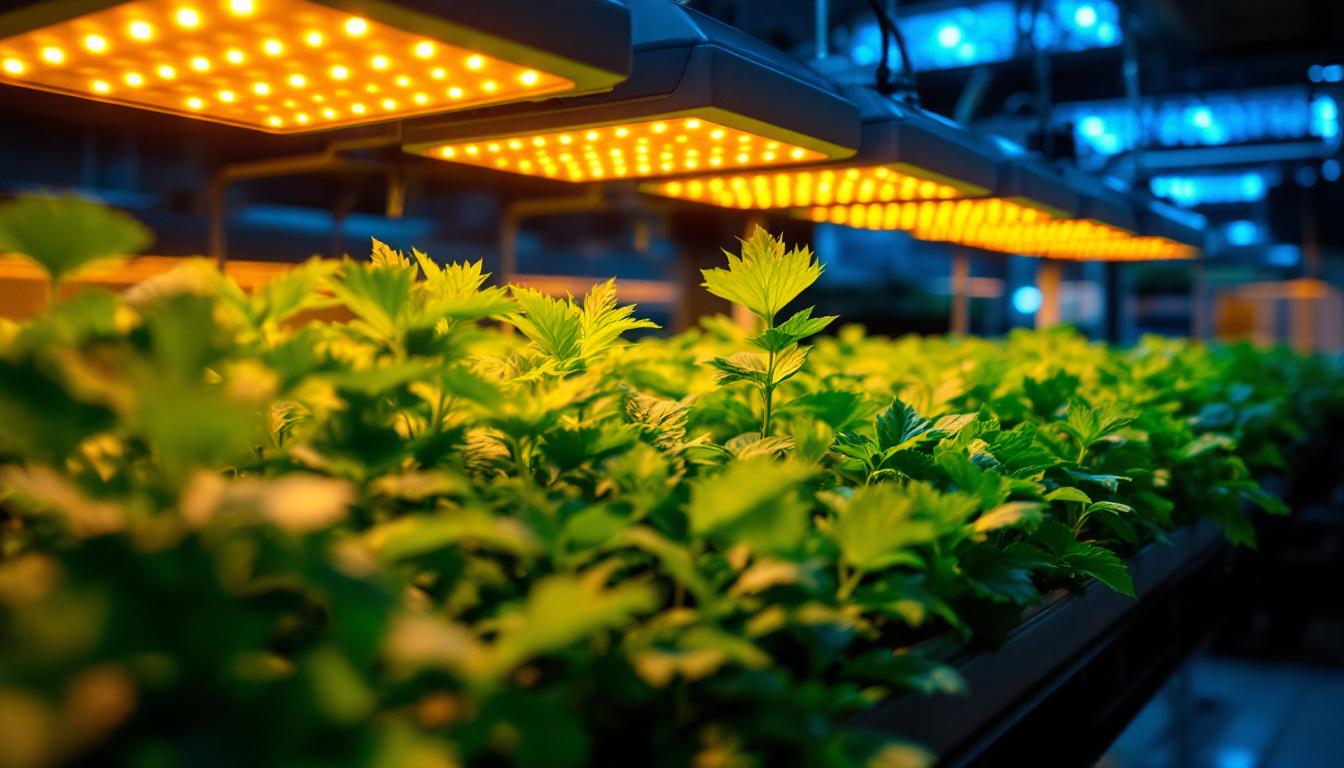
Hydroponic farming has revolutionized the agricultural landscape by enabling soil-free cultivation, often within controlled indoor environments. Central to this innovation is the use of LED lighting systems tailored specifically for plant growth. For lighting contractors venturing into hydroponic installations, a deep understanding of these systems is essential to deliver optimal solutions that maximize crop yield and energy efficiency.
Unlike traditional horticultural lighting, hydroponic LED lights are designed to emit specific wavelengths that align with the photosynthetic needs of plants. This precision not only promotes healthier growth but also reduces wasted energy. As a contractor, recognizing the nuances of these spectral outputs and their impact on various plant species is critical when advising clients and designing installations.
Key Differences Between Hydroponic LED Lights and Conventional Lighting
Hydroponic LED lights differ from standard commercial or residential LEDs in several ways. Firstly, they are engineered to provide a spectrum rich in blue and red wavelengths, which are most effective for photosynthesis. Secondly, these lights often incorporate dimmable features and programmable spectrums to simulate natural daylight cycles, enhancing plant development stages from germination to flowering.
Moreover, hydroponic LEDs typically have higher luminous efficacy and better thermal management. This means they produce more usable light per watt while minimizing heat output, which is vital in confined indoor growing spaces to prevent heat stress on plants and reduce cooling costs.
In addition to these technical advantages, hydroponic LED systems are often designed with longevity in mind, boasting lifespans that can exceed 50,000 hours. This durability not only translates to lower replacement costs over time but also means less frequent maintenance, allowing contractors to focus on expanding their services rather than managing ongoing repairs. Furthermore, many modern hydroponic LED systems are equipped with smart technology, enabling remote monitoring and control. This feature is particularly beneficial for large-scale operations, as it allows growers to adjust lighting conditions in real-time, ensuring optimal growth conditions at all times.
Understanding the energy consumption patterns of hydroponic LED lights is also crucial for contractors. These systems are not only energy-efficient but can also be integrated with renewable energy sources, such as solar panels. This synergy can further reduce operational costs and appeal to environmentally conscious clients. As the demand for sustainable farming practices continues to rise, contractors who can offer comprehensive solutions that include energy-efficient lighting will be well-positioned in the market. Additionally, educating clients about the long-term benefits of investing in hydroponic LED systems can foster trust and establish lasting business relationships.
Pre-Installation Considerations: Assessing Client Needs and Site Conditions
Before any hydroponic LED lighting system is installed, contractors must conduct a thorough assessment of the client’s goals, crop types, and environmental conditions. This stage is crucial for tailoring the lighting solution to the unique requirements of each project.
Evaluating Crop Requirements and Growth Stages
Different plants have varying light intensity and spectrum needs. Leafy greens like lettuce require a balanced spectrum with moderate intensity, whereas fruiting plants such as tomatoes demand higher light intensities and specific red-to-blue ratios. Understanding these distinctions allows contractors to recommend appropriate LED fixtures and configurations.
Additionally, the growth stage influences lighting needs. Seedlings thrive under lower light intensities with a higher blue spectrum to encourage vegetative growth, while flowering and fruiting stages benefit from increased red light. Contractors should ensure that the lighting system supports adjustable spectrums or multiple lighting zones to accommodate these changes.
Site Analysis: Space, Power, and Environmental Controls
Hydroponic setups vary widely—from small-scale home gardens to large commercial vertical farms. Contractors must evaluate the physical space to determine optimal fixture placement, ensuring uniform light distribution and avoiding shadowing. Ceiling height, reflective surfaces, and plant canopy density all affect lighting design.
Power availability and electrical infrastructure are equally important. Hydroponic LEDs are energy-efficient, but large installations can still demand significant power. Contractors should verify circuit capacity, plan for surge protection, and consider integrating smart controls for energy management.
Environmental factors such as humidity, temperature, and ventilation also influence lighting choices. LEDs with robust heat dissipation features and moisture-resistant housings are preferred in humid hydroponic environments to ensure longevity and safety.
Choosing the Right Hydroponic LED Fixtures: Technical Specifications and Quality Factors
Selecting the appropriate LED fixtures is a cornerstone of successful hydroponic lighting installations. Contractors must scrutinize technical specifications and quality indicators to ensure reliability and performance.
Understanding Light Intensity and Coverage: PPFD and Footprint
Photosynthetic Photon Flux Density (PPFD) measures the amount of usable light (in micromoles per square meter per second) that actually reaches the plant canopy. This metric is more relevant than lumens for horticultural lighting because it quantifies light in terms plants can utilize.
Contractors should select fixtures that deliver the required PPFD levels based on plant type and growth stage. Additionally, the fixture’s footprint—the area it effectively illuminates—must align with the hydroponic system’s layout to ensure even light distribution and avoid underlit zones.
Spectrum Customization and Control Features
Modern hydroponic LED lights often offer spectrum tuning capabilities, allowing growers to adjust the ratio of blue, red, and other wavelengths. This flexibility supports tailored growth conditions and can improve crop quality and yield.
Contractors should prioritize fixtures with integrated dimming and programmable controls, compatible with building management systems or standalone controllers. These features enable clients to simulate natural day/night cycles and adapt lighting dynamically, which is especially valuable in research or commercial operations.
Durability, Warranty, and Manufacturer Support
Given the investment in hydroponic lighting, contractors must recommend products with proven durability and strong manufacturer backing. Look for LEDs with high-quality diodes, robust heat sinks, and IP ratings suitable for humid environments.
Warranty terms are a critical consideration. A comprehensive warranty not only protects the client’s investment but also reflects the manufacturer’s confidence in their product. Contractors should also evaluate the availability of technical support and replacement parts to ensure long-term serviceability.
Installation Best Practices: Ensuring Optimal Performance and Safety
Proper installation is essential to harness the full benefits of hydroponic LED lighting. Contractors must adhere to best practices that guarantee safety, efficiency, and system longevity.
Fixture Placement and Mounting Techniques
Positioning LED fixtures at the correct height and angle is vital for maximizing light penetration and uniformity. Generally, hydroponic LEDs are mounted 12 to 24 inches above the plant canopy, but this varies with fixture intensity and crop type.
Contractors should use adjustable mounting systems to facilitate easy height modifications as plants grow. Additionally, ensuring secure and vibration-free installation prevents fixture damage and maintains consistent light output.
Electrical Wiring and Compliance with Codes
Hydroponic lighting installations often involve complex electrical setups. Contractors must follow local electrical codes and standards to ensure safety and compliance. This includes proper grounding, use of waterproof connectors, and installation of circuit breakers or ground fault interrupters.
Labeling circuits and documenting wiring schematics are recommended practices that aid future maintenance and troubleshooting.
Integration with Environmental Controls
For advanced hydroponic systems, lighting should integrate seamlessly with environmental control units managing temperature, humidity, and CO2 levels. Contractors can enhance system efficiency by installing sensors and controllers that automate lighting adjustments based on real-time data.
This integration reduces manual intervention, optimizes plant growth conditions, and can lead to significant energy savings.
Post-Installation: Testing, Maintenance, and Client Education
After installation, thorough testing and ongoing maintenance are crucial to ensure the lighting system performs as intended over time.
Performance Verification and Light Mapping
Contractors should conduct light intensity measurements across the growing area using quantum sensors or spectroradiometers. This process verifies that PPFD levels meet design specifications and identifies any inconsistencies in coverage.
Providing clients with detailed light maps helps them understand their system’s performance and informs future adjustments.
Routine Maintenance and Troubleshooting
Although hydroponic LEDs require less maintenance than traditional lighting, periodic cleaning of fixtures and replacement of any failing components are necessary to maintain optimal output. Contractors should establish maintenance schedules and offer service contracts to clients.
Common issues such as flickering lights, dimming, or uneven coverage can often be traced to electrical faults or fixture degradation, which prompt attention can resolve.
Client Training and Support
Educating clients on the operation and benefits of their hydroponic LED systems empowers them to maximize returns. Training should cover spectrum adjustments, lighting schedules, and integration with environmental controls.
Providing comprehensive manuals, troubleshooting guides, and access to technical support enhances client satisfaction and fosters long-term partnerships.
Emerging Trends and Innovations in Hydroponic LED Lighting
The hydroponic LED lighting industry is rapidly evolving, driven by advances in technology and growing demand for sustainable agriculture. Staying abreast of these trends enables contractors to offer cutting-edge solutions that differentiate their services.
Smart Lighting Systems and IoT Integration
Internet of Things (IoT) technology is enabling hydroponic lighting systems to become more intelligent and responsive. Smart LEDs can communicate with sensors and cloud platforms to optimize light delivery based on plant health data and environmental conditions.
Contractors who integrate IoT-enabled fixtures can provide clients with remote monitoring, predictive maintenance alerts, and data-driven growth analytics, enhancing operational efficiency.
Energy Efficiency and Sustainability Focus
With energy costs and environmental concerns rising, there is a strong push toward ultra-efficient LED designs and renewable energy integration. New developments in diode technology and driver electronics continue to improve luminous efficacy and reduce power consumption.
Contractors can advise clients on combining hydroponic LED systems with solar panels or energy storage solutions to create greener, cost-effective farming operations.
Customized Spectral Recipes for Specialty Crops
Advances in plant science have led to the creation of tailored spectral recipes that influence not only growth rates but also nutritional content, flavor profiles, and shelf life. Lighting contractors collaborating with agronomists can offer bespoke lighting solutions that meet specific crop quality goals.
Conclusion: Mastering Hydroponic LED Lighting for Successful Projects
For lighting contractors, mastering the complexities of hydroponic LED lighting opens doors to a rapidly expanding market with significant growth potential. By thoroughly understanding plant lighting requirements, conducting detailed site assessments, selecting high-quality fixtures, and adhering to best installation and maintenance practices, contractors can deliver superior results that satisfy client expectations.
Staying informed about emerging technologies and sustainability trends further positions contractors as trusted partners in the future of indoor agriculture. With this comprehensive checklist as a guide, lighting professionals can confidently navigate the challenges of hydroponic LED installations and contribute to the success of modern farming enterprises.
Illuminate Your Hydroponic Projects with LumenWholesale
Ready to elevate your hydroponic lighting installations with the highest quality LED solutions? Look no further than LumenWholesale, where we provide contractors with spec-grade lighting products at unbeatable wholesale prices. Our commitment to cutting out the middleman means you get the superior lighting your projects deserve without the inflated markups. With our extensive selection that meets rigorous industry standards, you can ensure reliable, high-performance lighting for every hydroponic endeavor. Plus, with the convenience of free shipping on bulk orders, LumenWholesale is your go-to source for premium lighting at the best value. Don’t compromise on quality or cost—explore our collection now and bring unparalleled efficiency and brilliance to your hydroponic projects.