Understanding LED Lamp 48: A Foundation for Lighting Contractors
LED technology has revolutionized the lighting industry, offering unparalleled energy efficiency, longevity, and versatility. Among the wide array of LED products, the LED Lamp 48 stands out as a popular choice for commercial and residential projects alike. For lighting contractors, mastering the nuances of this lamp type is essential to delivering optimal results and client satisfaction.
The LED Lamp 48 typically refers to a linear LED tube approximately 48 inches in length, commonly used as a direct replacement for traditional fluorescent tubes. Its design caters to a broad range of applications, from office lighting to retail spaces, and even industrial environments. Understanding the technical specifications, compatibility requirements, and installation methods of the LED Lamp 48 is critical for contractors aiming to provide efficient, safe, and cost-effective lighting solutions.
Technical Specifications and Key Features
LED Lamp 48s generally operate on low voltage DC power and are engineered to fit standard T8 or T12 fluorescent fixtures, though many models require ballast bypass or compatible electronic ballasts. Their wattage typically ranges between 12 to 18 watts, significantly lower than the 32 to 40 watts consumed by traditional fluorescent tubes, resulting in substantial energy savings.
Color temperature options vary widely, from warm white (2700K) to daylight (6500K), allowing contractors to tailor lighting ambiance to client needs. Furthermore, these lamps boast impressive lifespans, often exceeding 50,000 hours, reducing maintenance frequency and costs. This longevity not only contributes to lower operational expenses but also aligns with sustainability goals, making LED Lamp 48 a favored choice for environmentally conscious projects.
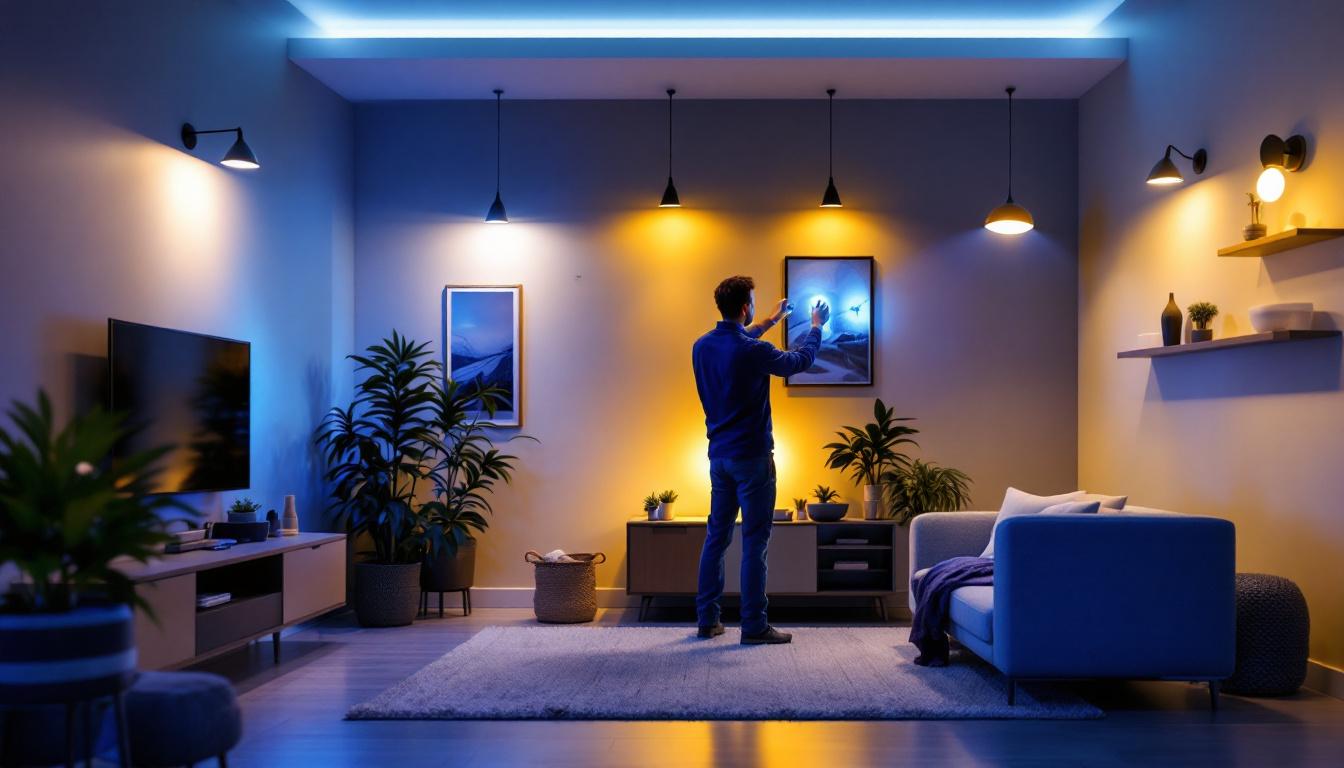
In addition to energy efficiency and long lifespan, the LED Lamp 48 is designed with advanced technology that minimizes flicker and enhances color rendering, making it ideal for settings where visual clarity is paramount. For instance, in art galleries or retail environments, the accurate representation of colors can significantly impact customer experience and satisfaction. Moreover, many LED Lamp 48 models are now available with smart technology integration, allowing for dimming capabilities and remote control via smartphone apps, which can further enhance the functionality and appeal of lighting installations.
Furthermore, the installation process of LED Lamp 48 can be straightforward, but understanding the specific requirements of each project is crucial. Some models come with plug-and-play features, while others may necessitate more complex rewiring. Contractors should also be aware of local codes and regulations regarding lighting installations, as compliance can affect project timelines and costs. By staying informed about the latest advancements and best practices in LED technology, lighting contractors can better serve their clients and ensure that their projects are both innovative and compliant.
Installation Best Practices for LED Lamp 48
Proper installation is paramount to harnessing the full benefits of LED Lamp 48s. Lighting contractors must be meticulous in preparation, execution, and post-installation testing to ensure safety, compliance, and performance.
Pre-Installation Assessment
Before installation, a thorough assessment of the existing fixtures is essential. Contractors should determine whether the current fluorescent ballast is compatible with the LED tubes or if a ballast bypass is required. Many LED Lamp 48 models are designed as direct wire or ballast bypass lamps, which means the existing ballast must be removed to avoid premature failure or safety hazards.
Additionally, verifying fixture condition is crucial. Aging or damaged fixtures may not support the LED upgrade effectively and could compromise performance or safety. In such cases, replacing the fixture might be more cost-effective in the long run. It is also advisable to evaluate the overall lighting design of the space. Factors such as the layout, the purpose of the area, and the desired ambiance should be considered to ensure that the new lighting meets both functional and aesthetic needs. This holistic approach can enhance user experience and satisfaction with the final outcome.
Installation Procedures
When installing ballast bypass LED Lamp 48s, contractors should first disconnect power and remove the fluorescent tubes and ballasts. Rewiring the fixture to bypass the ballast involves connecting the line voltage directly to the lamp holders, following manufacturer wiring diagrams and local electrical codes. It is critical to use appropriate tools and safety gear during this process, as working with electrical components can pose risks if not handled correctly.
For plug-and-play LED Lamp 48s designed to work with existing ballasts, contractors should ensure the ballast type is compatible and inspect for any signs of ballast wear. Incompatible or failing ballasts can cause flickering, reduced lamp life, or complete failure. Moreover, it is beneficial to educate clients about the advantages of LED technology, such as lower energy consumption and longer lifespan, which can help them appreciate the investment in quality installation and materials.
Post-Installation Testing and Verification
After installation, thorough testing is necessary. Contractors should check for consistent illumination without flickering, verify correct color temperature, and ensure no excessive heat is generated. Measuring energy consumption before and after installation can provide tangible evidence of efficiency gains to clients. This data can be instrumental in demonstrating the return on investment for the upgrade, as well as highlighting potential savings on energy bills over time.
Documenting the installation process and test results also supports warranty claims and future maintenance efforts. Additionally, providing clients with a maintenance schedule can help prolong the life of the LED lamps and ensure optimal performance. Educating them on simple troubleshooting steps can empower them to address minor issues independently, fostering a sense of ownership and satisfaction with their new lighting system.
Energy Efficiency and Sustainability Considerations
Energy efficiency remains a top priority for lighting contractors and their clients. LED Lamp 48s offer significant advantages in this area, but optimizing their use requires strategic planning and execution.
Quantifying Energy Savings
Compared to traditional fluorescent tubes, LED Lamp 48s consume approximately 40-60% less energy, depending on wattage and usage patterns. For example, replacing a bank of 10 fluorescent tubes with LED equivalents can reduce energy consumption from roughly 400 watts to around 150 watts, translating into substantial cost savings over time.
Moreover, LEDs do not require warm-up time and maintain consistent lumen output throughout their lifespan, further enhancing efficiency. This means that facilities can enjoy immediate illumination at full brightness, which is particularly beneficial in environments where lighting is critical for safety and productivity, such as warehouses and manufacturing plants. Additionally, the longevity of LED lamps—often lasting up to 25,000 hours or more—reduces the frequency of replacements, leading to lower maintenance costs and less disruption to operations.
Environmental Impact and Regulatory Compliance
LED Lamp 48s contribute to environmental sustainability by reducing energy demand and minimizing hazardous waste. Unlike fluorescent tubes, LEDs do not contain mercury, simplifying disposal and reducing environmental risks. This aspect is increasingly important as businesses and organizations strive to improve their sustainability profiles and reduce their carbon footprints. By opting for LED technology, companies not only enhance their operational efficiency but also align themselves with global sustainability goals, which can enhance their brand reputation and appeal to eco-conscious consumers.
Lighting contractors should also be aware of and comply with local and national regulations governing energy-efficient lighting installations. Many jurisdictions offer incentives or rebates for upgrading to LED technology, which can be leveraged to benefit clients and encourage adoption. Furthermore, staying informed about upcoming legislation related to energy efficiency can position contractors as knowledgeable partners in sustainability, allowing them to provide valuable insights and recommendations to clients. This proactive approach not only fosters trust but also opens the door to new business opportunities in an increasingly competitive market.
Design and Application Insights for Lighting Contractors
Beyond technical installation, lighting contractors must consider design principles and application-specific factors to maximize the effectiveness of LED Lamp 48 installations.
Choosing the Right Color Temperature and CRI
Color temperature profoundly influences the ambiance and functionality of a space. For office environments, cooler temperatures around 4000K to 5000K promote alertness and productivity, while warmer temperatures near 3000K are preferable for hospitality or residential settings to create a cozy atmosphere.
Color Rendering Index (CRI) is another critical factor. LED Lamp 48s with a CRI above 80 are generally suitable for most applications, but spaces requiring accurate color discrimination, such as retail or art galleries, benefit from CRI values above 90.
Lighting Layout and Spacing Considerations
Proper spacing and layout ensure uniform illumination and avoid dark spots or glare. Contractors should calculate the number of LED Lamp 48s needed based on room dimensions, ceiling height, and the desired illuminance level, measured in lux.
Using lighting design software or photometric data from manufacturers can aid in creating efficient layouts that meet client expectations and comply with industry standards.
Integration with Smart Lighting Systems
As smart building technologies become more prevalent, integrating LED Lamp 48s with sensors, dimmers, and control systems enhances energy savings and user experience. Lighting contractors should familiarize themselves with compatible control gear and communication protocols to offer clients cutting-edge solutions.
Maintenance and Troubleshooting Tips
Despite their durability, LED Lamp 48s require proper maintenance and occasional troubleshooting to ensure longevity and performance.
Routine Maintenance Practices
Regular cleaning of fixtures and lamps prevents dust accumulation, which can diminish light output and cause overheating. Contractors should advise clients on maintenance schedules and best practices to preserve system integrity.
Periodic inspections for signs of discoloration, flickering, or reduced brightness help detect early issues before they escalate.
Common Issues and Solutions
Flickering or intermittent lighting often results from incompatible ballasts, loose connections, or voltage fluctuations. Ensuring proper wiring and ballast compatibility during installation minimizes these problems.
Reduced brightness or color shifts may indicate lamp degradation or fixture issues. Replacing lamps with high-quality, certified products and maintaining fixture health are key preventive measures.
In cases of complete failure, verifying power supply, fixture wiring, and lamp integrity helps isolate the problem efficiently.
Conclusion: Elevating Lighting Projects with LED Lamp 48 Expertise
For lighting contractors, mastering the best practices surrounding LED Lamp 48 installations is a strategic advantage. From understanding technical specifications and installation nuances to optimizing energy efficiency and design, comprehensive knowledge empowers contractors to deliver superior lighting solutions.
Embracing these practices not only enhances client satisfaction but also positions contractors as trusted experts in a competitive market increasingly driven by sustainability and innovation.
Illuminate Your Projects with LumenWholesale
Ready to elevate your lighting projects with the expertise of LED Lamp 48 and beyond? At LumenWholesale, we provide lighting contractors with the high-quality, spec-grade lighting products you need at unbeatable wholesale prices. Say goodbye to unnecessary markups and hello to a vast selection of industry-standard lighting solutions that promise reliability and high performance for every project. With the added convenience of free shipping on bulk orders, LumenWholesale is your go-to source for premium lighting without the premium price tag. Don’t compromise on quality or value—Wholesale Lighting at the Best Value is just a click away. Experience the difference with LumenWholesale today.