Understanding the Shift from Fluorescent to LED Lighting
Fluorescent lighting has long been a staple in commercial, industrial, and institutional settings due to its efficiency and relatively low cost. However, the lighting industry is undergoing a significant transformation with the rise of LED (Light Emitting Diode) technology. For lighting contractors, understanding the nuances of replacing fluorescent fixtures with LED alternatives is essential to meet client demands, improve energy efficiency, and stay competitive in the market.
The transition to LED lighting is driven by several factors: improved energy savings, longer lifespan, reduced maintenance, and enhanced lighting quality. LEDs consume up to 50-70% less energy than fluorescent lamps and can last up to 50,000 hours or more, compared to 10,000-20,000 hours for fluorescents. This translates to substantial cost savings over time and a smaller environmental footprint.
Beyond the financial benefits, the shift to LED lighting also offers significant advancements in lighting quality. LEDs provide a more focused and directional light, which can enhance visibility and reduce glare in workspaces. This is particularly beneficial in environments where precision is crucial, such as in manufacturing or healthcare settings. Additionally, LEDs are available in a variety of color temperatures, allowing for greater customization to suit the specific needs of different spaces, from warm, inviting tones in hospitality venues to cooler, more energizing hues in offices.
Moreover, the integration of smart technology with LED lighting is revolutionizing how we think about illumination. Many LED systems now come equipped with features such as dimming capabilities, motion sensors, and remote control options, allowing for more dynamic and responsive lighting solutions. This adaptability not only enhances user comfort but also contributes to further energy savings by ensuring lights are only used when necessary. As the technology continues to evolve, lighting contractors must stay informed about these innovations to provide their clients with the most effective and modern solutions available.
Evaluating the Feasibility of Replacing Fluorescent Lights with LEDs
Compatibility and Retrofit Options
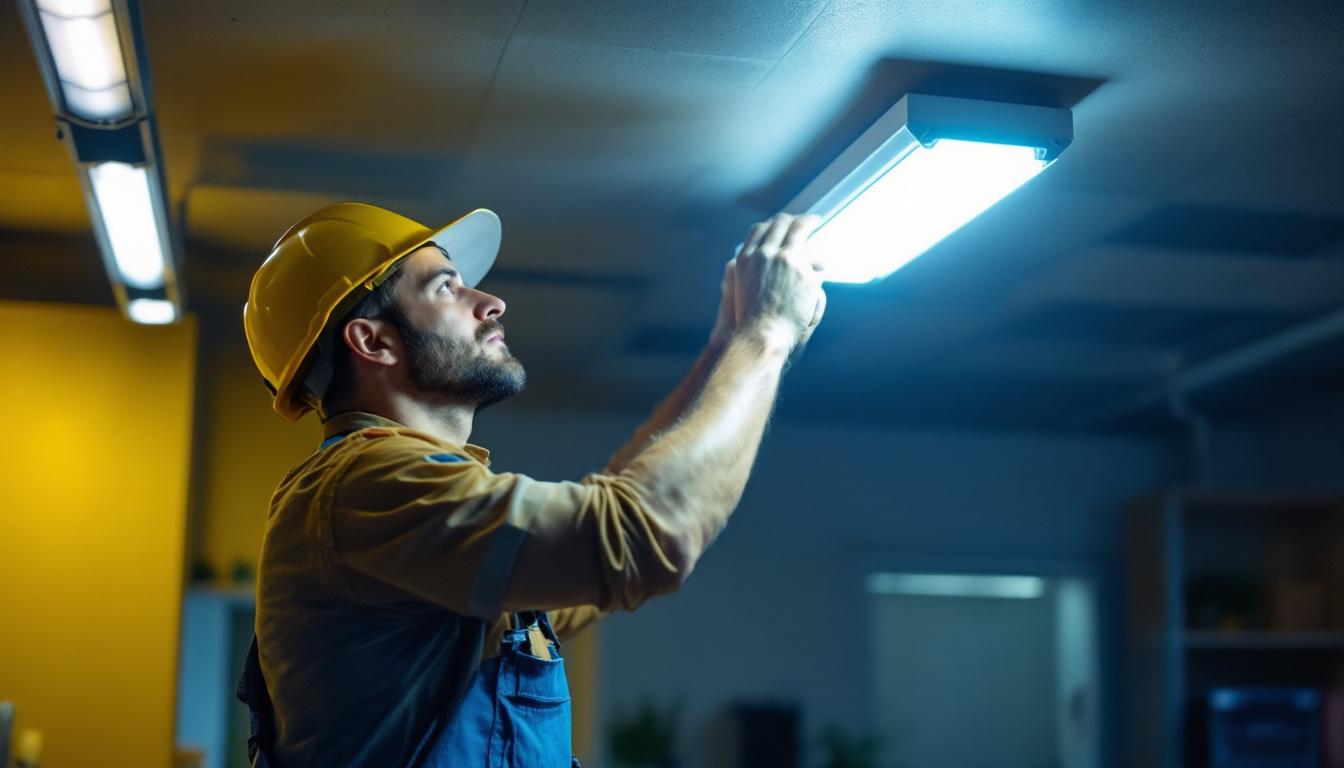
One of the first considerations for contractors is whether existing fluorescent fixtures can be retrofitted with LED tubes or if a full fixture replacement is necessary. LED tubes designed to fit into fluorescent fixtures come in two main types: direct wire (ballast bypass) and ballast-compatible (plug-and-play).
Direct wire LED tubes require the removal or bypassing of the existing ballast, which can reduce maintenance costs and improve reliability, but involves additional labor and electrical work. Ballast-compatible LED tubes allow for a straightforward swap without rewiring, but the presence of a ballast can reduce energy savings and may introduce compatibility issues over time.
Full fixture replacements with integrated LED units often provide the best performance, uniformity, and longevity. These fixtures are designed specifically for LED technology, offering improved optics, thermal management, and dimming capabilities. However, they come with a higher upfront cost and may require fixture mounting adjustments. Furthermore, the aesthetic appeal of new LED fixtures can enhance the overall ambiance of a space, making them an attractive option for commercial settings where lighting design plays a crucial role in customer experience.
Assessing Electrical and Structural Considerations
Contractors must carefully evaluate the electrical infrastructure when planning LED replacements. Fluorescent systems typically operate at higher voltages and rely on ballasts, whereas LED systems operate differently and may require rewiring. Ensuring compliance with local electrical codes and safety standards is paramount.
Structural factors such as fixture size, mounting height, and ceiling type also influence the replacement strategy. For example, LED fixtures may be slimmer and lighter, affecting installation methods. Additionally, the color temperature and light distribution of LEDs should be matched to the application to maintain or improve lighting quality. The versatility of LEDs allows for a broader range of color temperatures, from warm white to cool daylight, enabling tailored lighting solutions that can enhance productivity in office environments or create a cozy atmosphere in retail spaces. Moreover, the lower heat output of LEDs compared to fluorescent lights can contribute to reduced cooling costs in buildings, further enhancing the economic benefits of the upgrade.
Benefits of LED Lighting Over Fluorescents for Contractors and Clients
Energy Efficiency and Cost Savings
Energy consumption is a critical factor for clients seeking to reduce operational costs. LEDs offer superior energy efficiency, often reducing lighting energy use by more than half compared to fluorescent systems. This efficiency not only lowers utility bills but also contributes to sustainability goals, which are increasingly important in commercial and public sector projects. Additionally, many utility companies provide rebates or incentives for switching to energy-efficient LED systems, further enhancing the financial appeal for clients.
From a contractor’s perspective, promoting these energy savings can be a strong selling point. Offering detailed energy audits and payback analyses helps clients understand the financial benefits of switching to LED lighting. Furthermore, the long-term savings associated with LEDs can significantly improve a project’s return on investment, making it an attractive option for clients looking to maximize their budget. By presenting case studies or testimonials from previous projects, contractors can effectively illustrate the tangible benefits of LED lighting to prospective clients.
Reduced Maintenance and Enhanced Durability
LEDs have a significantly longer lifespan and are more robust than fluorescent lamps, which are fragile and contain mercury—a hazardous material requiring special disposal. This durability reduces maintenance frequency and costs for clients, particularly in hard-to-access locations such as warehouses or high-ceiling retail spaces. In fact, while a typical fluorescent bulb may last around 10,000 hours, an LED can last up to 50,000 hours or more, drastically reducing the need for replacements and the associated labor costs.
For contractors, this translates to fewer service calls and increased client satisfaction. Highlighting the environmental benefits of mercury-free lighting can also enhance the appeal of LED upgrades. Additionally, the reduced need for maintenance not only saves money but also minimizes disruptions in business operations, allowing clients to focus on their core activities without the hassle of frequent lighting changes. This aspect can be particularly appealing to clients in industries where uptime is critical, such as manufacturing or healthcare.
Improved Lighting Quality and Control
LEDs offer superior lighting quality with better color rendering, uniformity, and instant-on capabilities without flickering or warm-up time. These features improve occupant comfort and productivity in workplaces, schools, and healthcare facilities. The ability to customize color temperatures and brightness levels allows clients to create the ideal atmosphere for any environment, whether it’s a warm, inviting space for a restaurant or bright, focused lighting for a classroom.
Moreover, LED systems often integrate easily with advanced lighting controls such as dimmers, occupancy sensors, and daylight harvesting systems. This flexibility enables contractors to design smarter, more responsive lighting solutions that align with modern building automation trends. By incorporating these technologies, clients can further enhance energy savings and improve the overall functionality of their spaces. For instance, occupancy sensors can automatically adjust lighting based on room usage, ensuring that energy is not wasted in unoccupied areas. This adaptability not only supports energy efficiency but also enhances the user experience, making spaces more comfortable and efficient for everyone involved.
Challenges and Considerations in LED Replacement Projects
Initial Costs and Budgeting
While LEDs provide long-term savings, the initial investment can be higher than simply replacing fluorescent lamps. Contractors need to prepare clients for the upfront costs associated with new fixtures, labor for rewiring or ballast removal, and potential ceiling modifications.
Offering financing options, rebates, and incentives available through utility companies or government programs can help mitigate these costs. Providing a clear return on investment (ROI) timeline is crucial for client buy-in.
Quality and Specification Variability
The LED market is vast, with products varying widely in quality, performance, and warranty. Lighting contractors must carefully select reputable manufacturers and verify product specifications such as lumen output, color temperature, CRI (Color Rendering Index), and warranty terms.
Using third-party certifications like DLC (DesignLights Consortium) or ENERGY STAR can help ensure product reliability and eligibility for rebates. Poor-quality LEDs can lead to premature failures, color inconsistencies, and dissatisfied clients.
Installation and Safety Concerns
Replacing fluorescent lighting with LEDs involves electrical work that must comply with local codes and standards. Contractors should ensure that all installations are performed by qualified personnel and that proper safety protocols are followed.
Special attention is needed when bypassing ballasts to avoid electrical hazards. Additionally, proper disposal of fluorescent lamps, which contain mercury, is a regulatory requirement and an environmental responsibility.
Best Practices for Lighting Contractors When Replacing Fluorescent Lights with LEDs
Conduct a Thorough Site Assessment
Before beginning any replacement project, perform a comprehensive site survey to document existing fixtures, electrical configurations, lighting levels, and client needs. This assessment informs the selection of appropriate LED products and installation methods.
Gathering data on occupancy patterns and daylight availability can also help design energy-efficient lighting controls that complement the LED upgrade.
Educate Clients on Benefits and Options
Clients may be unfamiliar with LED technology and its advantages. Providing clear, jargon-free explanations about energy savings, maintenance reduction, and improved lighting quality builds trust and facilitates informed decision-making.
Presenting multiple options, such as retrofit tubes versus full fixture replacements, along with their pros and cons, empowers clients to choose solutions that fit their budget and goals.
Plan for Compliance and Disposal
Ensure that all electrical work complies with national and local codes, including proper ballast removal and wiring methods. Coordinate with certified recycling programs for the safe disposal of fluorescent lamps and ballasts to meet environmental regulations.
Documenting compliance and disposal procedures can protect contractors from liability and demonstrate professionalism.
Leverage Technology and Tools
Utilize lighting design software and measurement tools to simulate lighting scenarios and verify performance. These tools help optimize fixture placement, light levels, and energy savings, leading to better project outcomes.
Staying updated on emerging LED technologies and industry standards ensures that contractors can offer cutting-edge solutions and maintain a competitive edge.
Conclusion: Positioning Your Business for the LED Future
The replacement of fluorescent lighting with LED technology is more than a trend; it is a fundamental shift in how spaces are illuminated. For lighting contractors, mastering the technical, logistical, and educational aspects of this transition unlocks new business opportunities and enhances client satisfaction.
By understanding compatibility issues, emphasizing the benefits of LEDs, addressing challenges proactively, and adopting best practices, contractors can confidently guide clients through the upgrade process. This not only contributes to energy conservation and cost savings but also positions contractors as trusted experts in a rapidly evolving industry.
Illuminate Your Projects with LumenWholesale
Ready to lead the charge in the LED revolution and elevate your lighting projects? LumenWholesale is your trusted partner, offering an extensive range of high-quality, spec-grade lighting products at unbeatable wholesale prices. Say goodbye to middleman markups and hello to superior lighting solutions that meet the highest industry standards. With free shipping on bulk orders, you can stock up on premium lighting without any hidden fees or compromises. Make the smart switch to LED with LumenWholesale and experience the perfect blend of quality, affordability, and convenience. Discover our selection and secure the best value for your lighting needs today at Wholesale Lighting at the Best Value.