Understanding the Unique Challenges of Garage Lighting
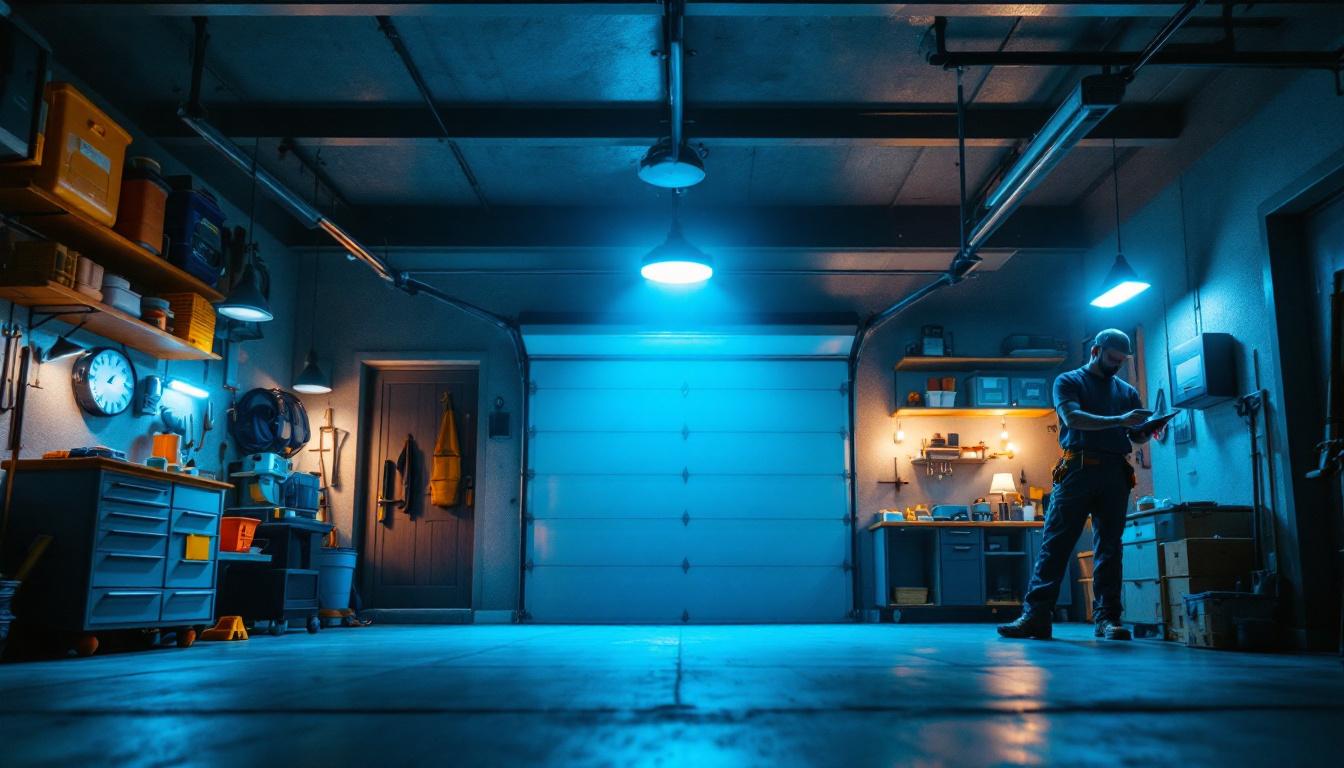
Lighting contractors frequently encounter garage spaces that present a distinct set of challenges compared to other residential or commercial environments. Garages are multifunctional areas—used not only for vehicle storage but often as workshops, hobby spaces, or even additional storage zones. This diversity in use demands lighting solutions that are both versatile and robust.
One of the most overlooked aspects by contractors is the environmental conditions within garages. Unlike living spaces, garages tend to have higher dust levels, temperature fluctuations, and sometimes even exposure to moisture. These factors directly impact the performance and longevity of LED fixtures, making it crucial to select products designed specifically for such conditions.
Environmental Considerations
Many LED fixtures marketed for general indoor use do not account for the harsher environment of a garage. Dust accumulation can reduce light output over time, while temperature extremes can affect the LED drivers and electronic components. Moisture or humidity, especially in garages that double as laundry or utility rooms, can cause premature fixture failure if the LED housing lacks proper sealing.
Lighting contractors must prioritize fixtures with suitable Ingress Protection (IP) ratings and robust thermal management to ensure durability. Overlooking these factors often leads to increased maintenance calls and dissatisfied clients. Additionally, the choice of materials used in the fixture’s construction is paramount; corrosion-resistant materials can significantly extend the lifespan of lighting installations in garages, where exposure to chemicals and solvents is common.
Functional Versatility
Garages often require a balance between ambient lighting and task lighting. Ambient lighting provides general illumination for the entire space, while task lighting focuses on specific work areas such as workbenches or tool stations. Contractors sometimes install uniform lighting without considering these distinct needs, resulting in poorly lit workspaces or excessive glare.
LED fixtures with adjustable beam angles, dimming capabilities, and compatibility with smart controls can offer tailored lighting solutions that enhance both functionality and energy efficiency in garages. Moreover, integrating motion sensors can be particularly beneficial in garages, ensuring that lights are only activated when needed, which not only conserves energy but also enhances safety by illuminating the space as soon as someone enters. This adaptability is crucial in a space that may be used sporadically, as it allows for a more efficient and user-friendly environment.
Common Mistakes in Selecting LED Fixtures for Garages
Despite the increasing popularity of LED technology, several pitfalls persist in the selection and installation of garage lighting fixtures. Recognizing these common mistakes can help contractors avoid costly errors and improve client satisfaction.
Neglecting Color Temperature and Color Rendering Index (CRI)
Color temperature and CRI are critical parameters that influence the quality of light and the visual comfort of the space. Garages often require bright, clear lighting to facilitate detailed tasks such as mechanical work, painting, or crafts. However, contractors sometimes choose fixtures with inappropriate color temperatures—either too warm or too cool—which can distort colors and reduce visibility.
For garages, a color temperature between 4000K and 5000K is generally optimal, offering a neutral to cool white light that enhances contrast and reduces eye strain. Additionally, a CRI of 80 or higher is recommended to ensure accurate color representation, which is essential for tasks requiring color differentiation. It’s also worth noting that the choice of color temperature can affect the overall mood of the garage space; cooler temperatures can create a more energizing environment, while warmer tones may lend a more relaxed feel, which could be beneficial for spaces used for hobbies or leisure activities.
Overlooking Energy Efficiency and Long-Term Cost Savings
While LED fixtures are inherently energy-efficient, not all products deliver the same level of performance. Contractors occasionally select lower-cost fixtures without evaluating their lumen output per watt or lifespan, which can lead to higher energy bills and more frequent replacements.
Investing in high-quality LED fixtures with proven efficacy and long lifespans can significantly reduce operational costs over time. Moreover, incorporating occupancy sensors or daylight harvesting controls can further optimize energy consumption in garages that are not in constant use. These smart technologies not only enhance convenience by automatically adjusting lighting based on occupancy but also contribute to sustainability efforts, reducing the carbon footprint of the space. Furthermore, educating clients on the benefits of energy-efficient lighting can bolster their satisfaction and encourage them to advocate for similar upgrades in other areas of their homes.
Ignoring Installation and Maintenance Factors
Ease of installation and maintenance is another area where contractors sometimes fall short. Garages often have limited ceiling height or awkward layouts, making fixture installation and future maintenance challenging. Choosing fixtures that are bulky, difficult to mount, or require specialized tools can increase labor costs and installation time.
Fixtures designed with quick-mount systems, accessible drivers, and modular components simplify installation and servicing. Additionally, considering the availability of replacement parts and warranty support is essential for long-term client satisfaction. It’s also beneficial to provide clients with guidance on routine maintenance practices, such as cleaning fixtures to prevent dust accumulation and ensuring proper ventilation to prolong the lifespan of the LEDs. By proactively addressing these factors, contractors can foster a sense of trust and reliability, ultimately leading to repeat business and referrals in the future.
Innovative LED Technologies and Features for Garage Lighting
The LED lighting industry continues to evolve, offering contractors new technologies and features that can address the unique demands of garage environments more effectively.
Smart Lighting Controls
Integrating smart controls into garage lighting systems enhances convenience and energy efficiency. Motion sensors can automatically turn lights on when someone enters the garage and off after a period of inactivity, reducing unnecessary energy consumption. Dimming controls allow users to adjust lighting levels based on task requirements or time of day.
Some advanced systems even offer smartphone connectivity, enabling remote control and scheduling. This is particularly useful for garages that serve as workshops or are accessed infrequently. Imagine being able to check the status of your garage lights from your phone while you’re at the grocery store, or setting a schedule that ensures the lights are on when you arrive home after dark. These features not only add convenience but also enhance security by allowing homeowners to simulate occupancy when they are away.
High Lumen Output with Low Glare
Modern LED fixtures can deliver high lumen output while minimizing glare, which is crucial in garages where reflective surfaces like vehicles or tools are common. Fixtures with diffusers or specially designed optics distribute light evenly and reduce harsh shadows, improving visibility and comfort.
Contractors should look for products that balance brightness with visual comfort, ensuring that the lighting enhances productivity without causing eye fatigue. Furthermore, the ability to customize the color temperature of LED lights can create an inviting atmosphere in the garage, whether for detailed work on a vehicle or simply for organizing tools and equipment. Warmer tones can make the space feel cozier, while cooler tones can enhance focus and alertness during intricate tasks.
Durability and Impact Resistance
Garages are high-traffic areas where fixtures may be exposed to accidental impacts or vibrations from power tools and machinery. LED fixtures with rugged housings made from materials like polycarbonate or aluminum offer increased resistance to physical damage.
Additionally, some fixtures are rated for vibration resistance, making them ideal for garage environments where heavy equipment is in use. Selecting durable fixtures reduces replacement frequency and maintenance costs. Beyond just physical durability, many modern LED lights are also designed to withstand temperature fluctuations, which is particularly beneficial in garages that may not be climate-controlled. This resilience ensures that the lighting remains consistent and reliable, even in extreme conditions, allowing homeowners to work comfortably year-round.
Best Practices for Lighting Contractors in Garage Installations
To deliver optimal lighting solutions for garages, contractors should adopt a comprehensive approach that addresses client needs, environmental factors, and long-term performance.
Conduct Thorough Site Assessments
Before specifying fixtures, contractors should perform detailed site assessments to understand the garage’s layout, usage patterns, and environmental conditions. This includes measuring ceiling heights, identifying work zones, and noting sources of natural light or potential obstructions.
Such assessments enable contractors to design lighting layouts that maximize coverage and efficiency while minimizing shadows and glare.
Educate Clients on Lighting Options and Benefits
Clients may not be aware of the technical aspects or long-term benefits of quality LED lighting. Contractors should take the time to explain the importance of color temperature, CRI, energy efficiency, and smart controls in enhancing their garage experience.
Providing clear information helps clients make informed decisions and appreciate the value of investing in superior lighting solutions.
Prioritize Quality and Warranty Support
Choosing reputable manufacturers with strong warranty programs protects both contractors and clients from premature fixture failures. High-quality products backed by reliable warranties reduce the risk of callbacks and enhance the contractor’s reputation for professionalism and reliability.
Contractors should also maintain relationships with suppliers who offer technical support and training, ensuring they stay updated on the latest products and installation techniques.
Conclusion: Elevating Garage Lighting Through Informed Choices
Garage lighting is a specialized niche that demands careful consideration of environmental challenges, functional requirements, and technological advancements. Lighting contractors who overlook these factors risk delivering suboptimal solutions that compromise performance and client satisfaction.
By understanding the unique needs of garage spaces, avoiding common pitfalls in fixture selection, embracing innovative LED technologies, and adhering to best practices, contractors can significantly enhance the quality and longevity of garage lighting installations. This not only benefits end-users but also strengthens the contractor’s position as a trusted expert in the competitive lighting market.
Illuminate Your Projects with LumenWholesale
Ready to elevate your garage lighting installations with the best in LED technology? At LumenWholesale, we provide lighting contractors with the high-quality, spec-grade lighting products you need at unbeatable wholesale prices. Say goodbye to middleman markups and hello to a vast selection of industry-standard lighting solutions that promise reliability and high performance for every project. With the added convenience of free shipping on bulk orders, LumenWholesale is your go-to source for premium lighting without the premium price tag. Don’t compromise on quality or value—explore our collection now and bring superior lighting to your clients’ garages.