Understanding LED Grow Lights: A Foundation for Lighting Contractors
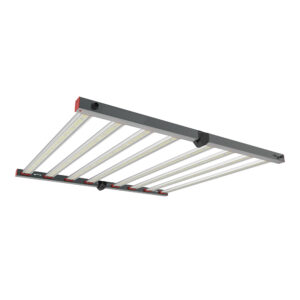
LED grow lights have revolutionized the horticulture and indoor farming industries, offering energy-efficient, customizable lighting solutions that promote plant growth. For lighting contractors, mastering the nuances of LED grow light technology is essential to delivering optimal results for clients in commercial agriculture, vertical farming, and controlled environment agriculture (CEA).
LED grow lights differ significantly from traditional lighting options such as high-pressure sodium (HPS) or metal halide lamps. They provide precise spectral outputs, lower heat emissions, and longer lifespans. These attributes translate into reduced energy costs and improved crop yields, making LED grow lights a preferred choice for modern growers.
For contractors, understanding the technical specifications—such as photosynthetically active radiation (PAR), photosynthetic photon flux density (PPFD), and spectrum tuning—is critical. These metrics help determine the effectiveness of a grow light in supporting photosynthesis and overall plant health. A solid grasp of these fundamentals enables contractors to recommend the right solutions tailored to different plant species and growth stages.
Moreover, the versatility of LED grow lights allows for innovative lighting designs that can be adapted to various growing environments. For instance, contractors can create multi-layered lighting systems that optimize space in vertical farms, ensuring that every plant receives adequate light exposure. This adaptability is particularly beneficial in urban settings where space is limited, and maximizing yield per square foot is paramount. Additionally, many LED systems now come equipped with smart technology, allowing for remote monitoring and adjustments to light schedules, which can enhance efficiency and reduce labor costs.
Another significant advantage of LED grow lights is their ability to support sustainable practices. By reducing energy consumption and minimizing heat output, these lights contribute to a lower carbon footprint, aligning with the growing demand for environmentally friendly agricultural practices. Furthermore, the longevity of LED lights means fewer replacements and less waste, making them a more sustainable option in the long run. As consumers increasingly prioritize sustainability, contractors who can offer LED solutions will not only meet market demands but also position themselves as leaders in the industry.
Key Features and Benefits of LED Grow Lights
Energy Efficiency and Cost Savings
One of the most compelling reasons for lighting contractors to advocate for LED grow lights is their superior energy efficiency. LEDs consume significantly less power compared to traditional horticultural lighting, often reducing electricity use by 40-60%. This efficiency not only lowers operational costs for growers but also aligns with sustainability goals, an increasingly important consideration in the industry.
Moreover, LEDs generate less heat, which minimizes the need for additional cooling systems. This reduction in ancillary equipment further decreases energy consumption and maintenance expenses, making LED grow lights a cost-effective long-term investment.
Customizable Light Spectrums
Lighting contractors must appreciate the importance of spectral control in plant growth. Unlike conventional lamps that emit broad-spectrum light, LED grow lights can be engineered to emit specific wavelengths that optimize photosynthesis and influence plant morphology.
For example, blue light (around 450 nm) promotes vegetative growth and leaf development, while red light (around 660 nm) encourages flowering and fruiting. Some advanced LED systems allow dynamic spectrum adjustment, enabling growers to tailor light recipes to different growth phases or plant species. This flexibility enhances crop quality and yield, making it a critical selling point for contractors.
Durability and Longevity
LED grow lights typically have lifespans exceeding 50,000 hours, far outlasting traditional lighting technologies. Their solid-state construction makes them resistant to shock and vibration, which is advantageous in commercial growing environments where equipment reliability is paramount.
For lighting contractors, emphasizing the durability and low maintenance requirements of LED grow lights can reassure clients about the long-term value and reduced downtime associated with these systems.
Selecting the Right LED Grow Light for Different Applications
Commercial Greenhouses
In commercial greenhouse settings, supplemental lighting is often necessary to extend photoperiods or compensate for low natural light. Lighting contractors should focus on LED fixtures that provide high PPFD levels with uniform light distribution to ensure consistent crop growth.
Fixtures with adjustable mounting options and dimming capabilities allow growers to optimize light intensity throughout the day and across seasons. Additionally, compatibility with greenhouse control systems enables automated lighting schedules, improving operational efficiency.
Vertical Farming and Indoor Grow Rooms
Vertical farms and indoor grow rooms demand compact, high-output LED fixtures that can be arranged in multi-tiered configurations. Contractors must consider the footprint and heat dissipation of LED units to maximize space utilization without compromising plant health.
Modular LED panels with customizable spectra are ideal for these environments, as they can be tailored to specific crops such as leafy greens, herbs, or microgreens. The ability to integrate with environmental sensors and automation platforms is also a valuable feature that contractors should highlight.
Home Growers and Small-Scale Operations
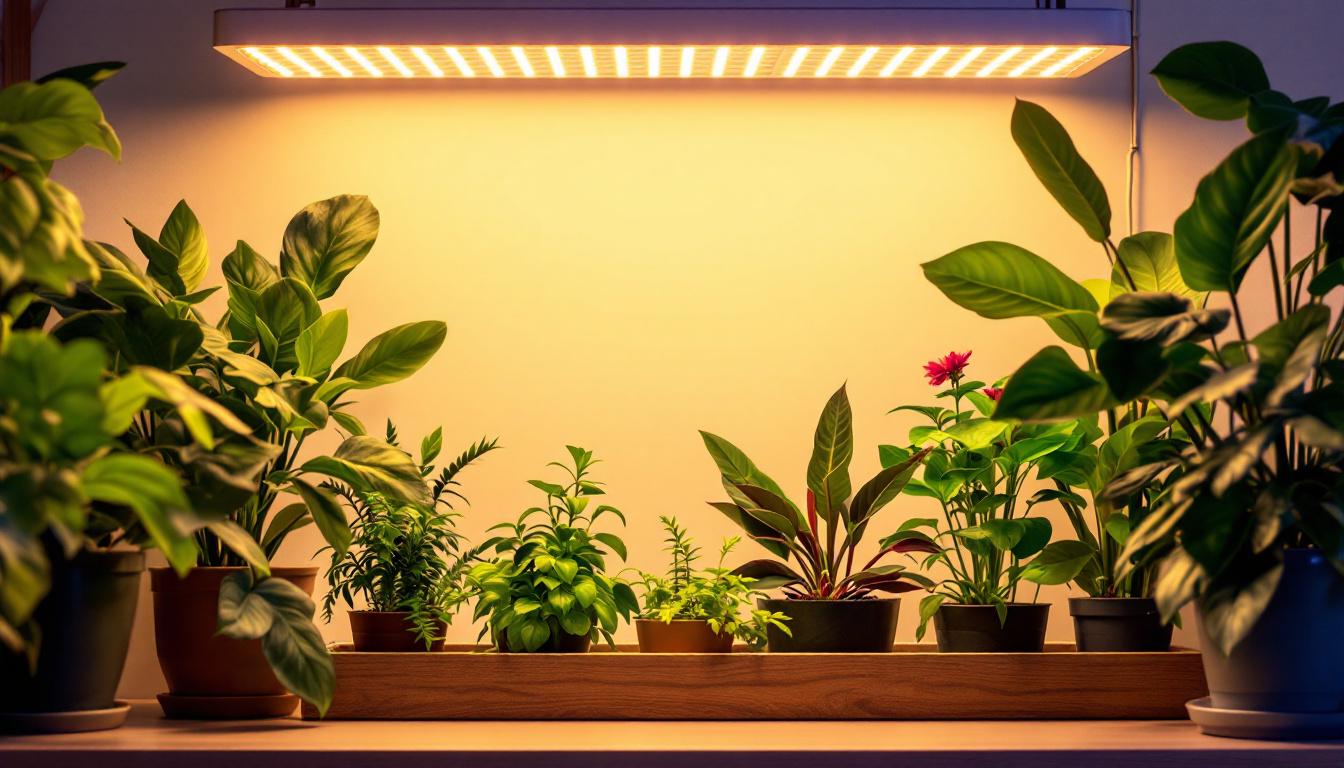
While commercial applications dominate the market, there is a growing demand for LED grow lights among home gardeners and small-scale producers. Lighting contractors can expand their service offerings by recommending affordable, user-friendly LED kits that provide balanced spectrums and easy installation.
Emphasizing energy savings and minimal heat output can appeal to this segment, where space and ventilation may be limited. Providing guidance on fixture placement and light duration can help novice growers achieve successful results.
Top Resources for Lighting Contractors to Master LED Grow Lighting
Industry Associations and Educational Platforms
Engaging with industry associations such as the American Society of Agricultural and Biological Engineers (ASABE) or the International Society for Horticultural Science (ISHS) offers contractors access to cutting-edge research, technical standards, and networking opportunities.
Online educational platforms and webinars focusing on controlled environment agriculture and LED technology provide continuous learning avenues. These resources often cover topics like light spectrum optimization, energy management, and integration with smart farming systems.
Manufacturer Training and Certification Programs
Many LED grow light manufacturers offer specialized training programs for contractors, covering product features, installation best practices, and troubleshooting techniques. Participating in these programs not only deepens technical knowledge but also enhances credibility with clients.
Certification programs can differentiate contractors in a competitive market, signaling expertise and commitment to quality service. These credentials often include hands-on training and assessments, ensuring practical proficiency.
Technical Literature and Case Studies
Reviewing technical white papers, product datasheets, and peer-reviewed studies helps contractors stay informed about the latest advancements and performance benchmarks in LED grow lighting. Case studies showcasing successful installations provide valuable insights into real-world challenges and solutions.
Contractors can leverage this information to build compelling proposals and tailor lighting designs that meet specific client needs, backed by data-driven evidence.
Best Practices for Installation and Maintenance
Proper Fixture Placement and Orientation
Effective installation begins with strategic placement of LED fixtures to ensure uniform light coverage and optimal intensity. Contractors should account for plant canopy height, growth stage, and crop density when determining fixture spacing and mounting height.
Using light meters to measure PPFD at the canopy level during installation can verify that lighting targets are met. Additionally, ensuring fixtures are securely mounted and protected from moisture and dust extends their lifespan.
Electrical Safety and Compliance
Adhering to electrical codes and safety standards is paramount. Contractors must ensure that wiring, connectors, and power supplies are rated for the specific environment, especially in humid or wet conditions common in greenhouses and grow rooms.
Incorporating surge protection and proper grounding reduces the risk of equipment damage and fire hazards. Documenting installations and providing clients with maintenance guidelines supports ongoing safety and performance.
Routine Maintenance and Troubleshooting
Although LED grow lights require minimal maintenance, regular cleaning of lenses and heat sinks prevents dust accumulation that can degrade light output and thermal management. Contractors should schedule periodic inspections to identify any signs of wear or malfunction.
Understanding common issues such as flickering, dimming, or color shifts enables prompt troubleshooting. Maintaining an inventory of replacement parts and establishing service agreements can enhance client satisfaction and retention.
Future Trends Lighting Contractors Should Watch
Integration with Smart Farming Technologies
The convergence of LED grow lighting with Internet of Things (IoT) devices and artificial intelligence (AI) is transforming controlled environment agriculture. Smart lighting systems can dynamically adjust spectra and intensity based on real-time plant feedback and environmental conditions.
Lighting contractors who familiarize themselves with these technologies will be well-positioned to offer advanced solutions that improve crop quality and resource efficiency.
Advancements in Spectrum Engineering
Ongoing research into plant photobiology is driving the development of more sophisticated LED arrays that target specific photoreceptors and metabolic pathways. This precision lighting can influence not only growth but also nutritional content, flavor, and shelf life.
Contractors who stay abreast of these innovations can guide clients in adopting cutting-edge lighting strategies that differentiate their products in competitive markets.
Sustainability and Circular Economy Considerations
As sustainability becomes a core business imperative, LED grow light manufacturers are exploring recyclable materials, energy recovery systems, and modular designs for easier upgrades and repairs. Lighting contractors can support these initiatives by recommending eco-friendly products and promoting responsible disposal practices.
Highlighting the environmental benefits of LED technology can resonate with clients seeking to enhance their corporate social responsibility profiles.
Conclusion
For lighting contractors, mastering LED grow light technology is a gateway to expanding service offerings and delivering high-value solutions in the rapidly evolving horticulture sector. By understanding the technical fundamentals, selecting appropriate fixtures for diverse applications, leveraging top educational resources, and adhering to best installation practices, contractors can position themselves as trusted experts.
Staying informed about emerging trends and sustainability considerations will further enhance their ability to meet client demands and contribute to the future of controlled environment agriculture. Investing time and effort into mastering LED grow lights not only benefits contractors’ businesses but also supports the growth of a more efficient, productive, and sustainable agricultural industry.
Illuminate Your Projects with LumenWholesale
Ready to elevate your lighting solutions and become a leader in the horticulture sector? At LumenWholesale, we provide lighting contractors with the highest quality LED grow lights at unbeatable wholesale prices. Our spec-grade products ensure you can deliver reliable and high-performance lighting to every project. With free shipping on bulk orders, you get the best value without any hidden costs. Make the smart choice for your business and your clients by choosing LumenWholesale, where quality, affordability, and convenience come together seamlessly. Discover our extensive selection and take advantage of the best wholesale lighting value by visiting Wholesale Lighting at the Best Value today.