Introduction to Fluorescent Tube Diffusers
Fluorescent lighting remains a staple in commercial, industrial, and institutional settings due to its energy efficiency and long lifespan. However, the quality of light and its distribution can significantly impact both the functionality and aesthetics of a space. This is where fluorescent tube diffusers come into play. These essential components help modify the light output from fluorescent tubes, enhancing visual comfort and reducing glare. By softening the harshness of direct light, diffusers create a more inviting atmosphere, which can be particularly beneficial in environments such as offices, schools, and healthcare facilities where prolonged exposure to artificial lighting is common.
For lighting contractors, understanding the nuances of fluorescent tube diffusers is crucial. Selecting and installing the right diffuser not only improves client satisfaction but also ensures compliance with lighting standards and energy codes. This guide explores the types, benefits, installation considerations, and best practices related to fluorescent tube diffusers, empowering contractors to make informed decisions on every project. Additionally, it is important for contractors to be aware of the various materials used in diffusers, such as acrylic and polycarbonate, as each material offers distinct advantages in terms of durability, light transmission, and resistance to yellowing over time. The choice of material can greatly influence the overall performance and longevity of the lighting system, making it essential to match the diffuser to the specific needs of the application.
Furthermore, the design and texture of the diffuser can also play a significant role in the lighting experience. Textured diffusers can help to scatter light more effectively, reducing hotspots and creating a more uniform illumination across the space. This is particularly advantageous in settings where precise lighting is critical, such as in art galleries or retail environments where product displays need to be highlighted without causing visual discomfort. Understanding these design elements allows contractors to tailor their lighting solutions to enhance both the functionality and aesthetic appeal of any project, ultimately leading to a more successful installation and happier clients.
Understanding the Role of Fluorescent Tube Diffusers
What Is a Fluorescent Tube Diffuser?
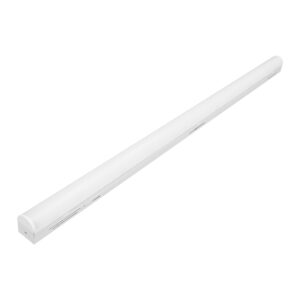
A fluorescent tube diffuser is a translucent or transparent cover designed to disperse the light emitted from fluorescent tubes evenly across a given area. Rather than allowing the light to shine directly and harshly, diffusers scatter the light rays, creating a softer, more uniform illumination.
Diffusers are typically made from materials such as acrylic, polycarbonate, or prismatic glass. The choice of material influences durability, light transmission, and the degree of diffusion. For lighting contractors, recognizing these material properties is vital for selecting diffusers that suit specific environments. For instance, while acrylic is lightweight and offers good light transmission, polycarbonate is known for its superior impact resistance, making it ideal for high-traffic areas. Additionally, prismatic glass can enhance light diffusion while adding a decorative element to the fixture, appealing to those looking for both functionality and aesthetics.
Why Use Diffusers in Fluorescent Lighting?
Diffusers serve multiple important functions in fluorescent lighting systems:
- Glare Reduction: Direct exposure to fluorescent tubes can cause discomfort and eye strain. Diffusers minimize glare by softening the light.
- Improved Light Distribution: By scattering light, diffusers help eliminate harsh shadows and uneven illumination, enhancing visibility and safety.
- Protection: Diffusers protect fluorescent tubes from dust, moisture, and physical damage, extending the lifespan of the fixture.
- Aesthetic Enhancement: Diffusers contribute to a cleaner, more polished look in lighting fixtures, which is particularly important in commercial and office environments.
For lighting contractors, these benefits translate into better client outcomes and fewer maintenance issues over time. Furthermore, the choice of diffuser can also impact energy efficiency. By optimizing light distribution, diffusers can help reduce the number of fixtures needed to achieve desired illumination levels, ultimately leading to lower energy consumption and cost savings for clients. This is especially beneficial in large spaces such as warehouses or retail environments, where effective lighting is crucial for both safety and product visibility.
Moreover, the integration of diffusers into modern lighting designs can enhance the overall ambiance of a space. In settings such as restaurants or lounges, where mood lighting is essential, diffusers can create a warm, inviting atmosphere that encourages patrons to linger. The ability to customize the type and design of diffusers allows for creative expression in lighting design, enabling contractors to meet the specific needs and preferences of their clients while adhering to functional requirements.
Types of Fluorescent Tube Diffusers
Prismatic Diffusers
Prismatic diffusers feature a patterned surface composed of small prisms or facets that refract light. This design is highly effective at controlling glare and directing light downward, making it ideal for office spaces and retail environments where visual comfort is paramount.
These diffusers typically provide a balance between light transmission and diffusion, allowing approximately 80-90% of the light to pass through while minimizing harsh reflections. The unique geometry of the prisms not only enhances the distribution of light but also adds an aesthetic element to the fixture, making it a favored choice among interior designers looking to blend functionality with style.
Moreover, prismatic diffusers can be manufactured from various materials, including polycarbonate and acrylic, which offer durability and resistance to yellowing over time. This longevity is particularly important in commercial settings where lighting fixtures are expected to maintain their performance and appearance for years, contributing to a consistent and inviting atmosphere.
Opal or Frosted Diffusers
Opal or frosted diffusers have a smooth, matte surface that scatters light evenly in all directions. This type is well-suited for areas requiring soft, ambient lighting such as hospitals, schools, and residential buildings.
While they reduce overall brightness slightly more than prismatic diffusers, their ability to create a uniform glow without hotspots makes them a popular choice in many applications. The gentle diffusion of light provided by opal diffusers helps to reduce eye strain, making them particularly beneficial in environments where people spend extended periods, such as libraries or study rooms.
Additionally, the frosted surface can help to conceal the internal components of the lighting fixture, providing a cleaner and more streamlined appearance. This characteristic is especially advantageous in modern architectural designs, where aesthetics and functionality must coexist seamlessly.
Linear and Lens Diffusers
Linear diffusers incorporate grooves or lenses that channel light along the length of the tube, enhancing directional control. They are often used in industrial settings or warehouses where focused illumination is necessary.
Lens diffusers, on the other hand, use convex or concave shapes to focus or spread light more precisely. These are less common but useful in specialty lighting installations. By manipulating the path of light, lens diffusers can create dramatic effects in theatrical settings or highlight specific architectural features in galleries and museums.
Furthermore, advancements in LED technology have led to the development of hybrid diffusers that combine the benefits of linear and lens designs. These innovative solutions allow for greater energy efficiency and flexibility in lighting design, making them a valuable option for both new constructions and retrofitting existing spaces. As the demand for sustainable and versatile lighting solutions continues to grow, these modern diffusers are becoming increasingly popular in various applications, from commercial to residential.
Material Selection and Performance Considerations
Material Durability and Safety
Lighting contractors must consider the environment when selecting diffuser materials. Polycarbonate diffusers offer high impact resistance and are suitable for environments prone to physical contact or vibration. Acrylic diffusers, while less impact-resistant, provide excellent optical clarity and UV resistance.
In environments with chemical exposure or extreme temperatures, specialized materials may be necessary. For example, certain polycarbonate blends resist yellowing and degradation better in harsh conditions.
Light Transmission and Efficiency
The efficiency of a diffuser is measured by its light transmission rate—the percentage of light that passes through the diffuser. Higher transmission rates mean brighter illumination but may compromise glare control. Conversely, stronger diffusion reduces glare but can lower overall brightness.
Contractors should balance these factors based on the application. For instance, a warehouse may prioritize brightness, while an office space may emphasize glare reduction and uniformity.
Compliance with Standards
Fluorescent lighting installations must comply with local building codes and lighting standards such as those from the Illuminating Engineering Society (IES) or the International Electrotechnical Commission (IEC). Diffusers play a role in meeting these standards by ensuring adequate light levels and minimizing glare.
Contractors should verify that diffuser products have appropriate certifications and meet the relevant photometric requirements for their projects.
Installation Best Practices for Lighting Contractors
Pre-Installation Assessment
Before installing diffusers, contractors should conduct a thorough assessment of the lighting layout, ceiling type, and room function. This helps determine the optimal diffuser type and size to achieve desired lighting effects.
Additionally, checking the compatibility of diffusers with existing fixtures and fluorescent tube sizes is essential to avoid fitment issues.
Handling and Installation Techniques
Careful handling of diffusers is critical to prevent scratches, cracks, or contamination. Wearing gloves and using clean tools can preserve the diffuser’s optical clarity.
During installation, ensure that diffusers are securely fastened to prevent rattling or displacement over time. Proper sealing is also important to keep dust and moisture out of the fixture.
Maintenance and Replacement
Diffusers require periodic cleaning to maintain light quality. Dust accumulation can reduce light transmission by up to 20%, impacting efficiency and appearance.
Contractors should advise clients on routine maintenance schedules and provide guidance on safe cleaning methods. When diffusers become yellowed or damaged, timely replacement is necessary to sustain lighting performance.
Emerging Trends and Innovations
LED-Compatible Diffusers
As LED technology increasingly replaces fluorescent tubes, many diffusers are now designed to be compatible with both lighting types. LED-compatible diffusers often feature enhanced thermal resistance and optimized light diffusion properties to complement LED’s directional light output.
For contractors transitioning clients from fluorescent to LED systems, understanding these diffuser adaptations is key to ensuring seamless upgrades.
Smart Diffuser Technologies
Innovations in diffuser materials include smart technologies that adjust light diffusion dynamically based on ambient conditions or occupancy. These systems can improve energy efficiency and user comfort by modulating light output in real time.
While still emerging, smart diffusers represent a promising area for forward-thinking contractors aiming to offer cutting-edge lighting solutions.
Conclusion
Fluorescent tube diffusers are more than just protective covers—they are critical components that influence light quality, energy efficiency, and user comfort. For lighting contractors, mastering the selection, installation, and maintenance of diffusers is essential to delivering high-quality lighting solutions that meet client expectations and regulatory standards.
By staying informed about diffuser types, materials, and emerging technologies, contractors can enhance their expertise and provide value-added services in an evolving lighting landscape. Whether working on new installations or retrofits, a well-chosen diffuser can make a significant difference in the success of a lighting project.
Illuminate Your Projects with LumenWholesale
Ready to elevate your lighting projects with the highest quality fluorescent tube diffusers and more? Look no further than LumenWholesale, where we provide contractors with spec-grade lighting products at unbeatable wholesale prices. Say goodbye to local distributor markups and hello to a vast selection of reliable, high-performance lighting that meets the most rigorous industry standards. With free shipping on bulk orders, you can stock up on premium lighting solutions at the best value — all without hidden fees or compromises. Don’t let subpar lighting dim the success of your projects. Experience the perfect blend of quality, affordability, and convenience at LumenWholesale today.