Understanding Suspended Lighting: Fundamentals and Benefits
Suspended lighting has become a cornerstone in both commercial and residential lighting design, offering a blend of functionality and aesthetic appeal. For lighting contractors, mastering the nuances of suspended fixtures is essential to delivering installations that meet client expectations and comply with safety standards.
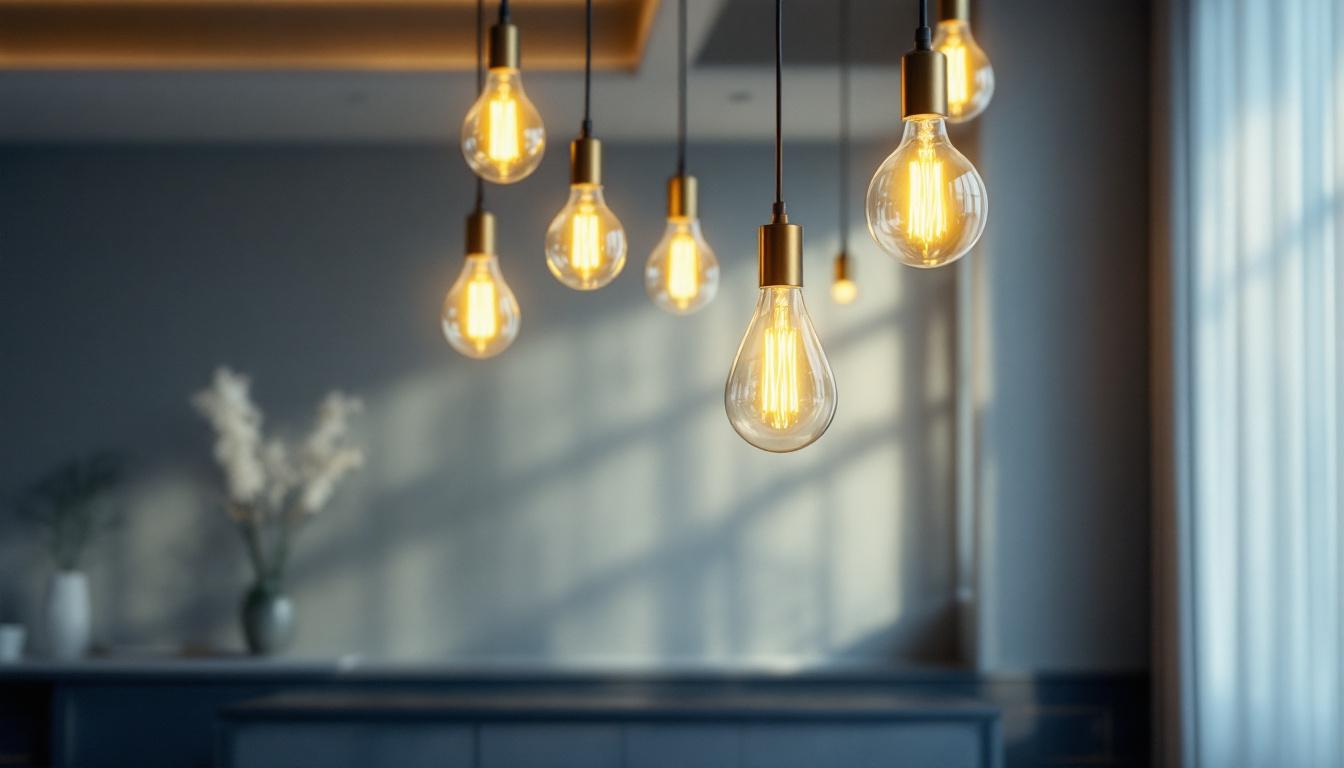
At its core, suspended lighting involves fixtures that hang from the ceiling by rods, cables, or chains. This design allows for versatile placement and height adjustment, making it ideal for spaces with high ceilings or where targeted illumination is required. Unlike recessed or surface-mounted fixtures, suspended lights can serve as focal points, enhancing interior design while providing effective lighting.
One of the primary benefits of suspended lighting is its ability to create layered lighting schemes. By positioning fixtures at varying heights and locations, contractors can help clients achieve a balanced mix of ambient, task, and accent lighting. This flexibility is particularly valuable in environments such as offices, retail spaces, and hospitality venues where lighting needs can be complex and dynamic.
Moreover, suspended lighting can significantly influence the mood and functionality of a space. For instance, in a restaurant setting, warm-toned suspended fixtures can create an inviting atmosphere, encouraging patrons to linger longer. In contrast, cooler tones can be utilized in workspaces to enhance concentration and productivity. The choice of materials and designs for these fixtures—ranging from sleek metal finishes to rustic wood accents—also plays a crucial role in complementing the overall decor and theme of the environment.
Additionally, the use of energy-efficient LED technology in suspended lighting has gained popularity, offering both sustainability and cost savings. These fixtures not only consume less power but also have a longer lifespan compared to traditional incandescent bulbs, reducing the frequency of replacements and maintenance. As more clients prioritize eco-friendly solutions, the integration of smart lighting systems within suspended fixtures is becoming increasingly common, allowing users to control brightness and color temperature through mobile apps or voice commands, further enhancing the versatility and appeal of suspended lighting solutions.
Choosing the Right Suspended Lighting Fixtures
Assessing the Space and Client Needs
Before selecting suspended lighting fixtures, contractors must conduct a thorough assessment of the space. Factors such as ceiling height, room dimensions, existing decor, and the intended use of the area play a crucial role in fixture choice.
For example, in a restaurant setting, pendant lights with dimmable features can create an inviting atmosphere, while in an industrial warehouse, durable linear suspended fixtures might be necessary to provide broad, bright illumination. Understanding the client’s functional and aesthetic priorities ensures the lighting solution is both practical and visually appealing.
Additionally, it is essential to consider the natural light available in the space. Rooms with ample windows may require less artificial lighting during the day, allowing for a more subtle approach with fixtures that add to the decor without overwhelming the space. Conversely, darker areas may benefit from more robust lighting solutions to ensure visibility and comfort. Engaging the client in discussions about their daily routines and how they envision using the space can provide valuable insights that inform the final lighting design.
Material and Finish Considerations
Material selection impacts both the durability and style of suspended lighting. Metal fixtures, such as those made from aluminum or steel, offer longevity and a sleek appearance, suitable for modern or industrial designs. Glass or acrylic shades can diffuse light softly, ideal for residential or hospitality spaces aiming for warmth and elegance.
Finish options—ranging from matte black and brushed nickel to polished brass—allow contractors to tailor the fixture to the client’s interior theme. It is important to recommend finishes that complement the existing color palette and architectural elements, enhancing the overall design coherence.
Moreover, the choice of materials can also influence the maintenance requirements of the fixtures. For instance, while polished finishes may look stunning, they often require more frequent cleaning to maintain their shine. On the other hand, textured or matte finishes can hide fingerprints and dust, making them a practical choice for high-traffic areas. By discussing these practicalities with clients, contractors can help them make informed decisions that align with both their aesthetic desires and lifestyle needs, ensuring that the lighting not only looks great but also functions effectively over time.
Installation Best Practices for Suspended Lighting
Ensuring Structural Integrity
One of the critical considerations during installation is verifying that the ceiling structure can support the weight of the suspended fixture. Contractors should inspect the mounting surface for strength and stability, using appropriate anchors or reinforcement when necessary.
For heavier fixtures, such as those made of solid metal or glass, securing the fixture to ceiling joists or beams is essential. Failure to do so can result in safety hazards, including fixture detachment or damage to the ceiling. Furthermore, it is advisable to conduct a load-bearing assessment, especially in older buildings where structural integrity may have been compromised over time. This assessment can help identify any potential weaknesses in the existing framework, allowing for necessary reinforcements to be made before installation begins.
Accurate Height and Alignment
Determining the correct hanging height is vital for both functionality and aesthetics. As a general guideline, pendant lights over dining tables or kitchen islands should hang approximately 28 to 34 inches above the surface to provide adequate illumination without obstructing sightlines.
In commercial settings, suspended fixtures often need to be installed higher to accommodate foot traffic and equipment. Contractors should use laser levels and measuring tools to ensure precise alignment and consistent spacing between multiple fixtures, which enhances visual harmony. Additionally, considering the room’s overall design and purpose is crucial; for example, in a retail space, strategically placed lighting can draw attention to specific displays or products, enhancing the shopping experience. Adjusting the height and angle of the fixtures can also create dynamic lighting effects that contribute to the ambiance of the space.
Electrical Safety and Compliance
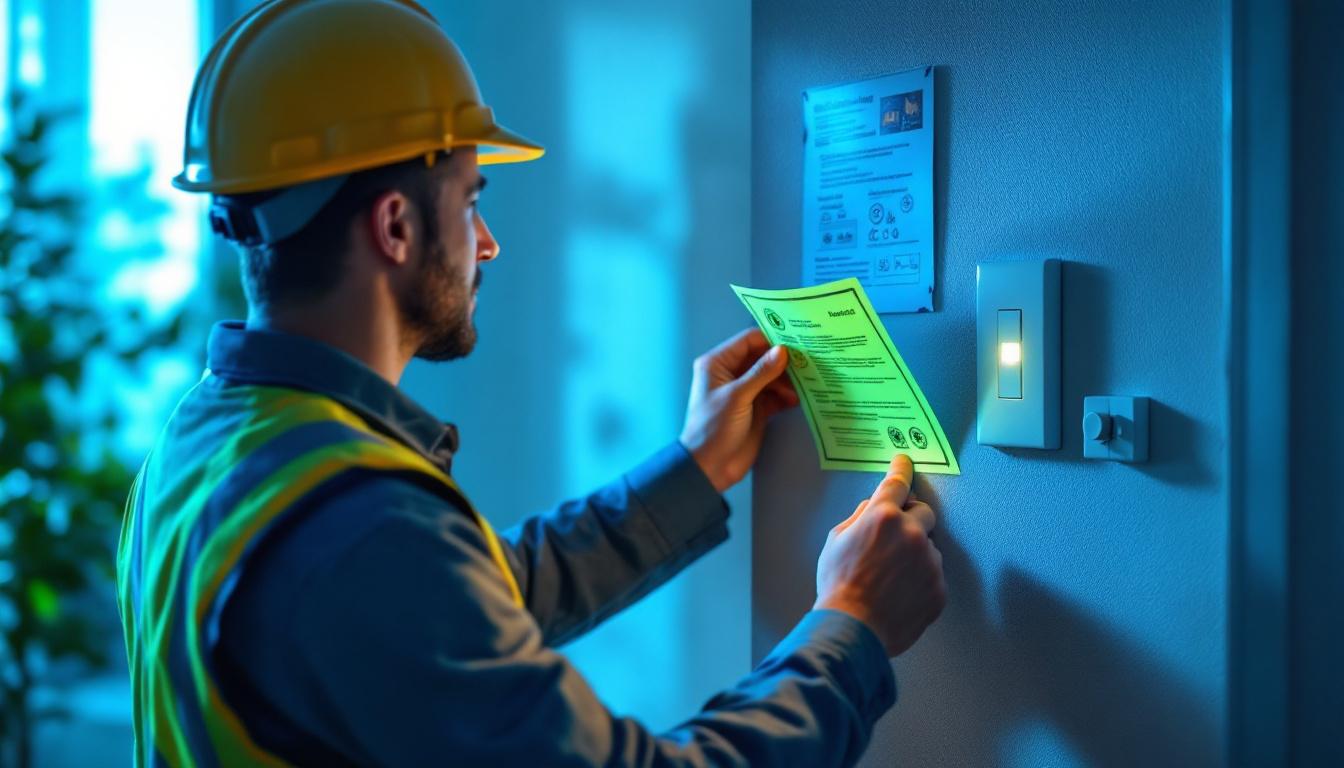
Adhering to local electrical codes and standards is non-negotiable. Contractors must verify that wiring is correctly rated for the fixture’s load and that all connections are secure. Grounding and insulation should be checked meticulously to prevent electrical faults or fire risks.
Additionally, integrating dimmers or smart lighting controls requires compatibility checks to avoid flickering or operational issues. Consulting manufacturer instructions and employing certified electricians when necessary ensures compliance and client safety. Beyond basic electrical safety, it’s also beneficial to educate clients on the importance of regular maintenance checks for their lighting systems. This includes inspecting for signs of wear, ensuring that bulbs are functioning correctly, and replacing any components that may have degraded over time. Such proactive measures can significantly extend the lifespan of the lighting fixtures and maintain their performance, ultimately leading to greater satisfaction for the end-user.
Optimizing Suspended Lighting Performance
Light Source Selection
The choice of light source significantly influences the quality and efficiency of suspended lighting. LED technology is the preferred option for most applications due to its energy efficiency, longevity, and versatility in color temperature options.
Contractors should guide clients toward LEDs with appropriate lumen output and color rendering index (CRI) values to match the intended ambiance and functional requirements. For instance, a CRI of 80 or above is generally recommended for retail and hospitality environments to render colors accurately.
Incorporating Smart Controls
Smart lighting controls, including dimmers, occupancy sensors, and programmable timers, enhance the functionality of suspended lighting. These technologies allow for energy savings and customizable lighting scenes, which can be particularly beneficial in commercial spaces with varying usage patterns.
Lighting contractors should stay informed about the latest control systems and ensure compatibility with the installed fixtures. Offering clients solutions that integrate with building automation systems can also add value and future-proof the installation.
Maintenance and Troubleshooting Tips
Routine Inspection and Cleaning
Maintaining suspended lighting fixtures involves regular inspection for wear and tear, especially in commercial or high-traffic areas. Dust and grime accumulation can reduce light output and affect fixture appearance.
Contractors should advise clients on safe cleaning practices, such as using microfiber cloths and non-abrasive cleaners. For fixtures with delicate finishes or components, professional cleaning services may be recommended to prevent damage.
Common Issues and Solutions
Flickering lights, uneven illumination, or fixture instability are common challenges encountered with suspended lighting. Flickering often results from incompatible dimmers or loose wiring, which can be resolved by checking electrical connections and upgrading control devices.
Uneven illumination may require repositioning fixtures or adjusting bulb types to achieve uniform light distribution. If fixtures become unstable, re-evaluating mounting hardware and reinforcing attachment points is necessary to ensure safety.
Trends and Innovations in Suspended Lighting
Lighting technology and design trends continue to evolve, influencing the suspended lighting market. Minimalist designs with clean lines and integrated LED strips are gaining popularity for their sleek appearance and energy efficiency.
Additionally, sustainable materials and eco-friendly manufacturing processes are becoming important considerations for clients seeking environmentally responsible options. Lighting contractors who stay abreast of these trends can offer innovative solutions that align with modern design sensibilities and sustainability goals.
Emerging technologies such as tunable white lighting and human-centric lighting systems allow for dynamic control of color temperature and intensity, supporting occupant well-being and productivity. Incorporating these features into suspended lighting installations can differentiate contractors in a competitive market.
Conclusion: Delivering Excellence in Suspended Lighting
Suspended lighting presents unique opportunities and challenges for lighting contractors. By understanding the fundamentals, selecting appropriate fixtures, adhering to best installation practices, and staying current with technological advancements, contractors can deliver lighting solutions that enhance spaces both functionally and aesthetically.
Attention to detail, safety compliance, and proactive maintenance guidance further ensure client satisfaction and long-term performance. As lighting continues to play a pivotal role in interior environments, expertise in suspended lighting remains a valuable asset for professionals in the field.
Get the Best in Suspended Lighting with LumenWholesale
Ready to elevate your lighting projects with the highest quality suspended lighting solutions? At LumenWholesale, we provide lighting contractors with spec-grade products that combine excellence and affordability. Our extensive selection is designed to meet the most rigorous industry standards, ensuring that every installation shines with reliability and performance. Say goodbye to inflated markups and hello to unbeatable wholesale prices, free shipping, and the convenience you deserve. Take the next step in optimizing your lighting projects and discover wholesale lighting at the best value today!