Understanding the Fundamentals of Outdoor Light Mounting
Outdoor lighting plays a critical role in enhancing safety, security, and aesthetics around residential and commercial properties. For lighting contractors, mastering the art and science of outdoor light mounting is essential to delivering durable, efficient, and visually appealing installations. This section explores the foundational principles that every contractor should understand before beginning an outdoor lighting project.
Proper mounting not only ensures that fixtures are securely attached but also optimizes light distribution and longevity. Factors such as fixture type, mounting surface, environmental exposure, and electrical considerations must be carefully evaluated. For example, mounting a floodlight on a wooden post requires different hardware and techniques compared to installing a pathway light on concrete or brick. Additionally, the height at which lights are mounted can greatly affect their effectiveness; too high, and the light may not illuminate the desired area adequately, while too low can lead to glare and discomfort for passersby.
Furthermore, the choice of light fixture can influence the overall ambiance of the space. For instance, decorative lanterns can enhance the charm of a garden, while sleek, modern fixtures may complement a contemporary home. Understanding the aesthetic implications of different lighting styles allows contractors to recommend solutions that not only meet functional needs but also align with the client’s vision. Color temperature is another critical aspect; warm white lights create a cozy atmosphere, while cooler tones can evoke a more vibrant and energetic feel, making it essential to consider the intended use of the area being illuminated.
Additionally, compliance with local electrical codes and safety standards is paramount. Lighting contractors must be familiar with regulations concerning wiring methods, grounding, and weatherproofing to prevent hazards and ensure client satisfaction. Using the right mounting brackets, anchors, and sealants can significantly reduce maintenance issues caused by weather or vandalism. Moreover, understanding the environmental impact of lighting choices, such as energy-efficient LED options, can not only lower operating costs but also contribute to sustainability efforts. By selecting fixtures with appropriate wattage and lumens, contractors can ensure that they provide adequate illumination while minimizing energy consumption, thus appealing to environmentally conscious clients.
Choosing the Right Mounting Location and Method
Assessing the Site and Lighting Objectives
Before selecting mounting hardware or installing fixtures, a thorough site assessment is necessary. Contractors should consider the primary purpose of the lighting—whether it’s for security, accentuating landscape features, illuminating pathways, or general area lighting. Each purpose demands a different approach to mounting height, angle, and fixture type.
For instance, security lighting typically requires higher placement with wide beam angles to cover large areas, whereas accent lighting benefits from lower mounts that create focused illumination and dramatic shadows. Understanding the client’s needs and the environment helps contractors recommend the most effective lighting solutions. Additionally, factors such as the surrounding architecture, vegetation, and existing structures should be evaluated to ensure that the lighting complements the overall aesthetic while fulfilling its functional role. A well-planned lighting scheme not only enhances safety but also elevates the visual appeal of the property, creating inviting spaces for both residents and guests.
Common Mounting Techniques for Outdoor Fixtures
Outdoor light fixtures can be mounted in several ways, each suited to specific applications and surfaces:
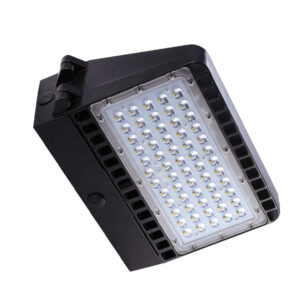
- Wall Mounting: Ideal for floodlights, sconces, and security lights, wall mounting involves attaching fixtures directly to exterior walls or facades. Proper anchoring and weatherproofing are crucial to prevent water ingress and fixture loosening. It’s also important to consider the wall material, as different surfaces may require specific anchors or mounting techniques to ensure stability.
- Post Mounting: Posts provide versatile mounting points for pathway lights, bollards, and decorative lanterns. Posts can be embedded in the ground or anchored to concrete pads, requiring attention to stability and corrosion resistance. The height and design of the post can also influence the spread of light, making it essential to choose styles that align with the desired ambiance.
- Ceiling or Overhead Mounting: Used for porch lights or under-eave fixtures, this method demands secure overhead supports and protection from rain and insects. The choice of fixture can significantly impact the character of the entryway or patio, with options ranging from sleek modern designs to classic lantern styles that enhance the architectural features of the home.
- Ground Mounting: Ground stakes or spikes are common for landscape lighting, allowing easy repositioning but requiring careful placement to avoid damage from lawn equipment. This method is particularly beneficial for highlighting garden features or creating pathways, as it allows for flexibility in design and can adapt to seasonal changes in landscaping.
Each mounting method requires specific hardware such as lag bolts, expansion anchors, or specialized brackets. Selecting corrosion-resistant materials like stainless steel or galvanized hardware extends fixture life, especially in coastal or humid environments. Furthermore, it’s advisable to consider the local climate conditions when planning the installation, as extreme weather can affect both the performance and longevity of the lighting fixtures. By taking all these factors into account, contractors can ensure that the lighting installations are not only functional but also durable and visually appealing, contributing to the overall enjoyment of outdoor spaces.
Electrical and Safety Considerations for Outdoor Installations
Ensuring Proper Wiring and Grounding
Outdoor lighting installations are exposed to moisture, temperature fluctuations, and physical impact, making electrical safety a top priority. Contractors must use outdoor-rated wiring, connectors, and enclosures designed to withstand these conditions. For example, using UF (underground feeder) cable or direct burial-rated wiring is essential for underground runs.
Ground fault circuit interrupters (GFCIs) should be incorporated into outdoor lighting circuits to protect against electrical shock. Additionally, all metal components must be properly grounded to prevent stray voltage hazards. Adhering to the National Electrical Code (NEC) or equivalent local standards ensures that installations meet safety benchmarks.
Weatherproofing and Fixture Protection
Sealing fixtures and junction boxes against moisture intrusion is critical to prevent corrosion and electrical failures. Contractors should apply silicone or rubber gaskets, use weatherproof covers, and ensure that conduit entries are tightly sealed. Using fixtures with an IP (Ingress Protection) rating suitable for the environment—such as IP65 or higher for wet locations—guarantees durability.
In areas prone to extreme weather conditions like heavy rain, snow, or high winds, mounting hardware must be robust and fixtures securely fastened to prevent damage or detachment. Regular maintenance schedules can help identify and address potential issues before they become costly repairs.
Advanced Techniques and Tools for Efficient Outdoor Light Mounting
Utilizing Laser Levels and Mounting Templates
Precision is key to professional outdoor lighting installations. Tools such as laser levels and mounting templates help contractors achieve consistent fixture alignment and height, which enhances the overall appearance and functionality of the lighting scheme. These tools reduce guesswork and installation time, especially when mounting multiple fixtures along pathways or building facades.
Incorporating Smart Lighting and Automation
Modern outdoor lighting increasingly integrates smart controls, including motion sensors, timers, and remote operation via mobile apps. Contractors mounting these systems must plan for additional components such as control boxes, sensors, and communication modules. Proper placement and secure mounting of these devices are essential for reliable operation.
Moreover, understanding the power requirements and wiring configurations for smart lighting systems enables contractors to future-proof installations and offer clients enhanced convenience and energy savings.
Common Challenges and Solutions in Outdoor Light Mounting
Dealing with Uneven or Difficult Terrain
Uneven ground, rocky soil, or landscaped areas with dense vegetation can complicate post or ground-mounted lighting installations. Contractors should conduct thorough site surveys and consider using adjustable mounting poles or custom brackets to accommodate irregular surfaces. In some cases, pouring concrete footings or using weighted bases may be necessary to ensure stability.
Addressing Vandalism and Theft Concerns
Outdoor fixtures are sometimes targets for vandalism or theft, particularly in public or commercial spaces. Using tamper-resistant screws, locking covers, and robust mounting hardware can deter unauthorized removal or damage. Additionally, installing fixtures in well-lit, visible locations and integrating security cameras can enhance protection.
Managing Electrical Interference and Signal Issues
With the rise of wireless lighting controls and sensors, contractors may encounter interference from nearby electrical equipment or structural elements. Proper grounding, shielding, and strategic placement of control devices help mitigate these issues. Consulting with manufacturers’ guidelines and using certified components ensures system reliability.
Maintenance Best Practices for Outdoor Lighting Installations
Regular maintenance extends the lifespan of outdoor lighting systems and preserves their performance. Contractors should advise clients on routine inspections to check for loose mounts, damaged wiring, and fixture cleanliness. Cleaning lenses and replacing bulbs or LEDs as needed maintain optimal light output.
Seasonal adjustments, such as repositioning fixtures to accommodate plant growth or snow accumulation, also contribute to sustained effectiveness. Providing clients with maintenance plans or service agreements can foster long-term relationships and recurring business opportunities.
Conclusion: Delivering Excellence in Outdoor Light Mounting
For lighting contractors, expertise in outdoor light mounting is a blend of technical knowledge, practical skills, and attention to detail. By understanding the fundamentals, selecting appropriate mounting methods, prioritizing safety, and embracing advanced tools and technologies, contractors can deliver installations that satisfy client expectations and withstand environmental challenges.
Staying informed about industry standards, evolving lighting technologies, and best practices ensures that contractors maintain a competitive edge and uphold the highest quality in their work. Ultimately, well-executed outdoor light mounting enhances the beauty, security, and functionality of outdoor spaces, reflecting the professionalism and craftsmanship of the lighting contractor.
Get Your Premium Lighting Supplies at LumenWholesale
As you strive for excellence in outdoor light mounting, LumenWholesale is here to support your projects with high-quality, spec-grade lighting products at the best wholesale prices. Our extensive selection not only meets but exceeds industry standards, ensuring that every installation is as reliable and high-performing as your craftsmanship. Say goodbye to local distributor markups and hello to hassle-free bulk buying with free shipping. Elevate your outdoor lighting projects by choosing Wholesale Lighting at the Best Value with LumenWholesale, where quality, affordability, and convenience come together for lighting contractors like you.