Understanding Fluorescent Lighting in Kitchen Environments
Fluorescent lighting has long been a staple in residential and commercial kitchens due to its energy efficiency and bright, even illumination. For lighting contractors, mastering the nuances of fluorescent kitchen lights is essential not only to meet client expectations but also to ensure safety, functionality, and aesthetic appeal.
Before diving into installation practices, it’s important to recognize why fluorescent lights remain relevant despite the rise of LED technology. Fluorescent fixtures offer a cost-effective initial investment, excellent color rendering, and a broad range of sizes and shapes, making them versatile for different kitchen layouts. However, their proper application requires a thorough understanding of their characteristics and limitations.
Key Characteristics of Fluorescent Kitchen Lighting
Fluorescent lights operate by exciting mercury vapor inside the tube, which then emits ultraviolet light that causes the phosphor coating to glow. This process produces a cool, diffused light that reduces harsh shadows—ideal for kitchen tasks.
Additionally, fluorescent tubes come in various color temperatures, ranging from warm white to daylight, allowing contractors to tailor the ambiance to client preferences. The color rendering index (CRI) of fluorescent lights typically ranges between 70 and 90, which is sufficient for most kitchen activities but may not match the fidelity of some LEDs.
One of the notable advantages of fluorescent lighting in kitchens is its ability to cover large areas with minimal fixtures. This is particularly beneficial in expansive kitchen designs where uniform lighting is crucial for both functionality and safety. Moreover, the longevity of fluorescent bulbs, often lasting up to 15,000 hours, means less frequent replacements, which can be a significant advantage for busy kitchen environments. However, it is essential to consider the warm-up time associated with fluorescent lights, as they can take a moment to reach full brightness, which might be a drawback in fast-paced cooking scenarios.
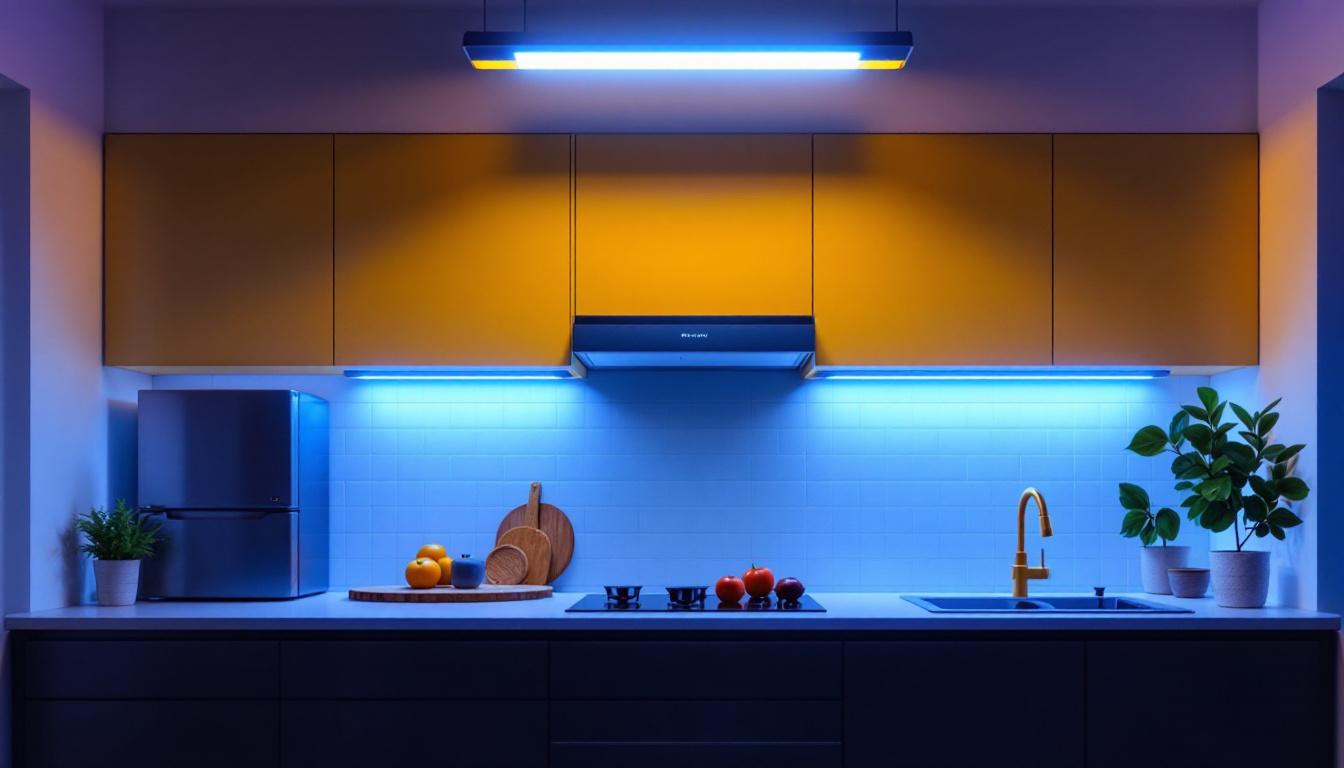
Furthermore, the placement of fluorescent lights can greatly influence the overall kitchen experience. For instance, under-cabinet fluorescent lighting can provide focused task lighting for countertops, enhancing visibility for food preparation and cooking. Meanwhile, overhead fluorescent fixtures can create an inviting atmosphere, ensuring that the kitchen remains a welcoming space for family and guests alike. By strategically combining different types of fluorescent lighting, contractors can achieve a well-balanced and functional kitchen environment that meets the diverse needs of their clients.
“`html
The Do’s of Installing Fluorescent Kitchen Lights
Do Choose the Right Color Temperature
Selecting the appropriate color temperature is critical in kitchen lighting. Warmer temperatures (around 2700K to 3000K) create a cozy, inviting atmosphere, while cooler temperatures (3500K to 4100K) enhance visibility for detailed cooking tasks. For kitchens, a neutral white light around 3500K is often recommended as a balance between warmth and clarity.
Lighting contractors should consult with clients about their preferences and the kitchen’s design style. For example, a modern kitchen with stainless steel appliances may benefit from cooler light, whereas a traditional kitchen with wood cabinetry might look better under warmer tones. Additionally, considering the color of the walls and countertops can influence the perceived warmth or coolness of the light. A kitchen with light-colored walls may reflect cooler tones more effectively, while darker colors can absorb light, making warmer tones more suitable to create an inviting space.
Do Ensure Proper Fixture Placement
Fluorescent fixtures should be strategically placed to minimize shadows and provide uniform illumination across countertops, sinks, and cooking areas. Common placements include under-cabinet lights, ceiling-mounted troffers, and recessed fixtures.
Contractors should avoid positioning fluorescent lights directly above reflective surfaces like glossy countertops, as this can cause glare. Instead, diffused lighting or indirect placement helps maintain visual comfort. It’s also important to consider the height of the fixtures; installing them too high can lead to insufficient light on work surfaces, while too low can create an oppressive atmosphere. A well-thought-out layout not only enhances functionality but also contributes to the overall aesthetic of the kitchen space, making it feel more open and welcoming.
Do Use Compatible Ballasts
Modern fluorescent tubes require electronic ballasts to regulate current and improve efficiency. Lighting contractors must ensure that the ballast type matches the fluorescent tubes installed. Using incompatible ballasts can lead to flickering, reduced lifespan, and increased energy consumption.
Electronic ballasts also reduce noise and warm-up time compared to older magnetic ballasts, enhancing the overall kitchen lighting experience. Furthermore, selecting dimmable ballasts can provide additional flexibility, allowing homeowners to adjust the brightness according to the time of day or activity, whether it’s a casual breakfast or an elaborate dinner party. This adaptability can significantly enhance the kitchen’s functionality and ambiance.
Do Consider Energy Efficiency and Maintenance
While fluorescent lights are generally energy-efficient, selecting high-quality tubes and ballasts can further reduce power consumption. Contractors should recommend T8 or T5 tubes, which offer better efficiency and longer life than older T12 models.
Maintenance is another consideration. Fluorescent tubes have a finite lifespan, typically between 7,000 and 15,000 hours, depending on usage and quality. Installing fixtures that allow easy tube replacement can save time and costs for homeowners. Additionally, educating clients about the importance of regular cleaning can help maintain brightness and efficiency; dust and grime can accumulate on fixtures, diminishing light output. By incorporating maintenance tips into the installation process, contractors can ensure that the kitchen remains well-lit and functional for years to come.
“`
The Don’ts of Fluorescent Kitchen Lighting Installation
Don’t Overlook Dimming Compatibility
Many clients desire dimmable lighting to adjust ambiance and save energy. However, not all fluorescent tubes and ballasts support dimming. Installing non-dimmable components in a dimmer circuit can cause flickering or damage.
Lighting contractors must verify dimming compatibility and educate clients on the limitations of fluorescent dimming compared to LED alternatives. It’s also worth noting that while dimming can enhance the kitchen’s atmosphere for various activities, such as cooking or entertaining, clients should be aware that the color temperature of fluorescent lights may shift when dimmed, potentially affecting the overall appearance of food and decor.
Don’t Ignore Heat and Ventilation Considerations
Fluorescent tubes generate some heat during operation, and improper fixture installation in poorly ventilated areas can reduce tube lifespan and pose safety risks. Kitchens often have high humidity and temperature fluctuations, so selecting fixtures rated for damp or humid locations is essential.
Additionally, avoid installing fluorescent fixtures too close to heat-producing appliances like ovens or stovetops, as excessive heat can degrade components prematurely. Proper placement not only extends the life of the fixtures but also ensures that the kitchen remains a safe and comfortable environment. Consideration should also be given to the airflow around the fixtures; ensuring that there is adequate space for air circulation can help mitigate heat buildup and maintain optimal performance.
Don’t Neglect Proper Wiring and Safety Standards
Adhering to local electrical codes and safety standards is non-negotiable. Fluorescent lighting systems involve ballasts and sometimes starters, which require careful wiring to prevent electrical hazards.
Contractors should always use appropriate wire gauges, secure connections, and ensure that fixtures are grounded properly. Testing the installation before finalizing the job helps identify any issues early. Furthermore, it’s beneficial to educate clients about the importance of regular maintenance checks, as even small issues like loose connections can lead to larger problems, including flickering lights or complete fixture failure over time. This proactive approach not only enhances safety but also helps clients understand the value of investing in quality lighting solutions.
Don’t Use Fluorescent Lights in Areas with Frequent On-Off Cycling
Fluorescent tubes are sensitive to frequent switching, which can significantly reduce their lifespan. Kitchens with motion sensors or timers that cause rapid on-off cycles may not be ideal candidates for fluorescent lighting unless the controls are designed to minimize cycling.
In such cases, contractors might recommend alternative lighting technologies better suited to these conditions. For example, LED lights are more resilient to frequent cycling and can provide a more energy-efficient solution without sacrificing performance. Additionally, educating clients about the benefits of LED technology, such as lower energy consumption and longer lifespans, can help them make informed decisions that align with their lifestyle and kitchen usage patterns. This way, they can achieve the desired ambiance without compromising on functionality or efficiency.
Advanced Tips for Lighting Contractors Working with Fluorescent Kitchen Lights
Incorporate Layered Lighting Techniques
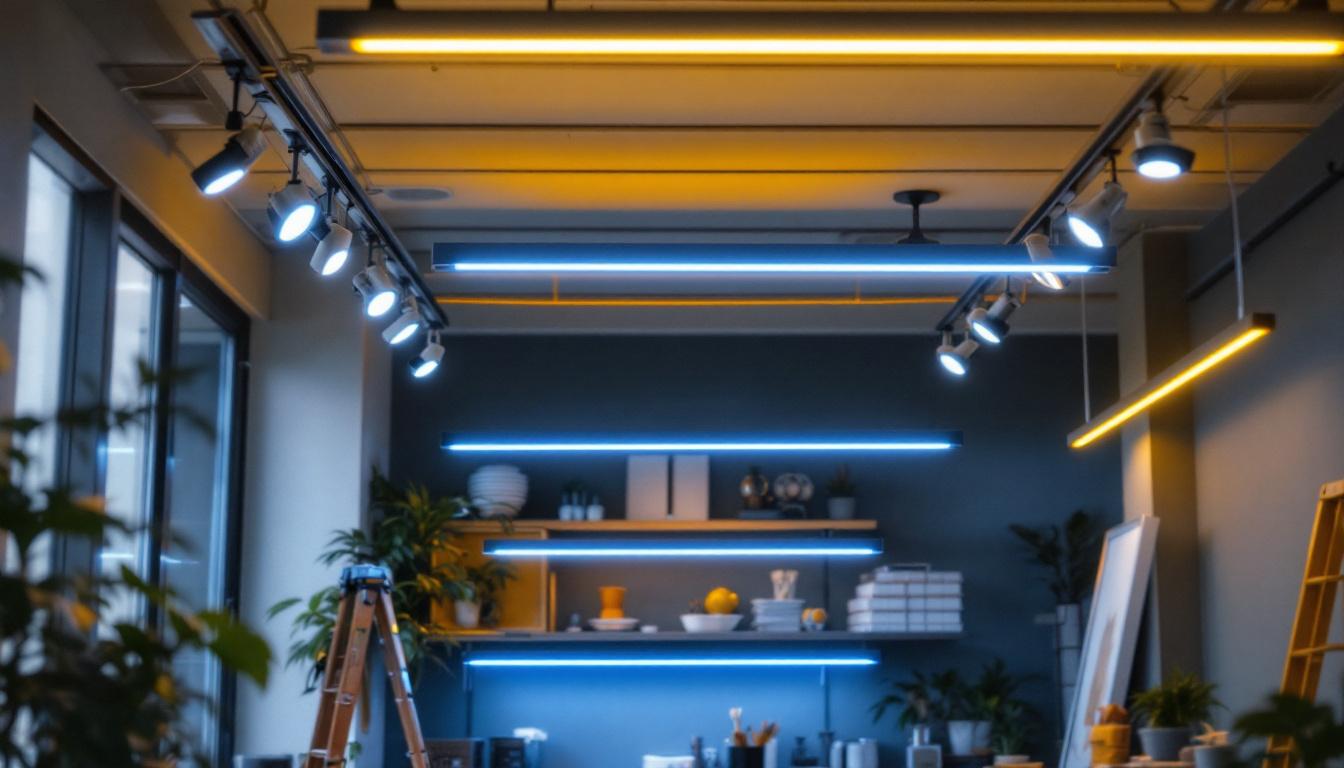
Successful kitchen lighting involves layering ambient, task, and accent lighting. Fluorescent lights excel at providing ambient and task lighting but are less effective for accent purposes due to their diffuse nature.
Contractors should combine fluorescent fixtures with other light sources such as pendant lights or LED strips to create a dynamic and functional kitchen environment.
Utilize Reflectors and Diffusers for Optimal Light Distribution
Many fluorescent fixtures come with built-in reflectors and diffusers designed to enhance light distribution and reduce glare. Selecting fixtures with quality optical components improves visual comfort and energy efficiency.
Contractors should assess the kitchen’s layout and surfaces to determine the best fixture styles and accessories to maximize light quality.
Stay Updated on Regulatory Changes and Incentives
Energy codes and lighting standards evolve regularly, often encouraging or mandating more efficient technologies. Lighting contractors should stay informed about current regulations affecting fluorescent lighting, including restrictions on certain tube types and ballast requirements.
Additionally, many utility companies offer rebates or incentives for installing energy-efficient lighting systems. Advising clients on these opportunities can enhance project value and client satisfaction.
Conclusion: Balancing Efficiency, Functionality, and Aesthetics
Fluorescent kitchen lighting remains a viable option for many projects, offering a balance of energy efficiency, brightness, and cost-effectiveness. However, successful installation requires careful attention to color temperature, fixture placement, compatibility, and safety standards.
By adhering to the do’s and don’ts outlined above, lighting contractors can deliver kitchen lighting solutions that meet client needs, comply with regulations, and stand the test of time. Combining fluorescent lighting with complementary technologies and design principles further enhances kitchen environments, making them both beautiful and practical.
Get Your Fluorescent Lighting Supplies at LumenWholesale
Ready to elevate your lighting projects with the best in fluorescent kitchen lighting? Look no further than LumenWholesale, where we provide contractors with exceptional, spec-grade lighting products at unbeatable wholesale prices. Our extensive selection not only meets but exceeds industry standards, ensuring that every installation shines with reliability and high performance. Plus, with free shipping on bulk orders, you can stock up on premium lighting solutions without worrying about hidden fees or compromises. Don’t let inflated markups dim your project’s potential. Choose LumenWholesale for quality, affordability, and convenience. Visit us today for Wholesale Lighting at the Best Value and make your next kitchen lighting project a glowing success.