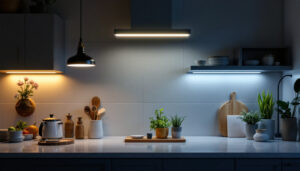
As the demand for recessed lighting continues to grow, understanding the nuances of bulb size becomes increasingly important for lighting contractors. This article delves into the key aspects of bulb size for recessed lighting, offering essential tips and insights that can enhance the quality of installations and improve client satisfaction.
Understanding Recessed Lighting
Recessed lighting, often referred to as can lighting or downlighting, is a popular choice for both residential and commercial spaces. It involves fixtures that are installed into the ceiling, creating a clean and unobtrusive look. The versatility of recessed lighting allows it to serve various purposes, from accentuating architectural features to providing general illumination. This type of lighting can be strategically placed to highlight artwork, illuminate workspaces, or create a warm ambiance in living areas, making it a favorite among interior designers and homeowners alike.
One of the critical factors in achieving effective recessed lighting is selecting the appropriate bulb size. The right bulb can significantly impact the overall aesthetic and functionality of a space, making it essential for lighting contractors to understand the different options available. Additionally, the color temperature of the bulbs can greatly influence the mood of a room; warmer tones can create a cozy atmosphere, while cooler tones can enhance focus and productivity in work environments.
The Importance of Bulb Size
Bulb size plays a crucial role in determining the light output, beam angle, and energy efficiency of recessed lighting. Choosing the wrong size can lead to inadequate illumination or excessive brightness, which can compromise the intended design of a space. For instance, a narrow beam angle may be ideal for spotlighting a specific area, while a wider angle is better suited for general lighting purposes. Understanding these nuances allows for a more tailored lighting design that meets the specific needs of each room.
Moreover, the size of the bulb affects how well it fits within the housing of the recessed fixture. A proper fit ensures optimal performance and longevity of the lighting system. Therefore, it is imperative for contractors to familiarize themselves with the various bulb sizes and their corresponding applications. In addition to size, the type of bulb—such as LED, incandescent, or halogen—also plays a significant role in energy consumption and maintenance costs. LED bulbs, for example, offer a longer lifespan and lower energy usage, making them a cost-effective choice in the long run. As technology advances, the options for recessed lighting continue to expand, allowing for even greater customization and efficiency in lighting design.
Common Bulb Sizes for Recessed Lighting
There are several standard bulb sizes used in recessed lighting, each with its unique characteristics and applications. Understanding these sizes can aid contractors in making informed decisions when selecting bulbs for their projects.
PAR Bulbs
PAR (Parabolic Aluminized Reflector) bulbs are a popular choice for recessed lighting due to their directional light output. They are available in various sizes, including PAR20, PAR30, and PAR38, with the number indicating the diameter in eighths of an inch. For example, a PAR30 bulb has a diameter of 3.75 inches.
PAR bulbs are ideal for accent lighting, as they provide focused beams that can highlight specific areas or objects. They are commonly used in galleries, retail spaces, and residential settings where targeted illumination is desired. Selecting the right size of PAR bulb can enhance the overall lighting effect and create a visually appealing environment. Additionally, PAR bulbs are often available in different beam angles, allowing for further customization of the lighting effect. A narrow beam angle can create dramatic highlights, while a wider angle can provide a more ambient light, making them versatile for various design needs.
BR Bulbs
BR (Bulged Reflector) bulbs are another option for recessed lighting. They are designed with a larger, rounded shape, allowing for a broader beam spread. BR bulbs are typically available in sizes such as BR30 and BR40, with the number again indicating the diameter in eighths of an inch.
These bulbs are well-suited for general lighting applications, providing a softer, more diffused light that can fill a room without creating harsh shadows. BR bulbs are often used in residential settings, such as living rooms and kitchens, where a warm and inviting atmosphere is desired. Their design not only contributes to a cozy ambiance but also minimizes glare, making them a preferred choice for spaces where people gather and spend time. Furthermore, BR bulbs can be paired with dimmer switches, allowing homeowners to adjust the brightness according to the time of day or occasion, enhancing the overall functionality of the lighting system.
LED and CFL Options
With the rise of energy-efficient lighting, LED and CFL (Compact Fluorescent Lamp) options have become increasingly popular for recessed fixtures. Both types of bulbs are available in various sizes, including those compatible with PAR and BR formats.
LED bulbs are known for their longevity and energy efficiency, making them an excellent choice for contractors looking to provide sustainable lighting solutions. They come in a range of color temperatures and brightness levels, allowing for customization based on client preferences. Additionally, many LED options are designed to mimic the warm glow of traditional incandescent bulbs, providing a familiar aesthetic while significantly reducing energy consumption. CFLs, while less common than LEDs, offer a similar energy-efficient alternative and are available in various sizes for recessed applications. However, it is essential to note that CFLs may take a moment to reach full brightness, which can be a consideration for certain settings. As technology continues to advance, both LED and CFL options are becoming increasingly sophisticated, with features such as smart technology integration, allowing users to control their lighting remotely or set schedules for added convenience.
Choosing the Right Bulb Size
Selecting the appropriate bulb size for recessed lighting involves several considerations. Lighting contractors must take into account the specific requirements of the space, the desired lighting effect, and the compatibility of the bulb with the fixture.
Assessing the Space
Before choosing a bulb size, it is essential to assess the space where the recessed lighting will be installed. Factors such as ceiling height, room dimensions, and existing decor can influence the choice of bulb. For instance, larger rooms with higher ceilings may require larger bulbs, such as PAR38, to ensure adequate illumination.
Additionally, the purpose of the lighting should be considered. For areas where focused lighting is needed, such as artwork or architectural features, a smaller bulb like PAR20 may be more appropriate. Conversely, for general lighting in larger spaces, a larger bulb may be necessary to achieve the desired brightness.
Understanding Beam Angles
Another critical aspect of bulb size is the beam angle, which determines how the light is distributed in a space. Bulbs with narrow beam angles provide concentrated light, while those with wider angles offer broader coverage.
When selecting a bulb size, contractors should consider the beam angle in relation to the intended lighting effect. For instance, a narrow beam angle may be ideal for accent lighting, while a wider angle may be more suitable for ambient lighting. Understanding the relationship between bulb size and beam angle can help contractors create effective and aesthetically pleasing lighting designs.
Installation Considerations
Once the appropriate bulb size has been selected, proper installation is crucial to ensure optimal performance. Lighting contractors must be aware of various installation considerations to achieve the best results.
Fixture Compatibility
Before installing recessed lighting, it is essential to ensure that the selected bulb size is compatible with the fixture. Different fixtures may have specific requirements regarding bulb size, wattage, and type. Using a bulb that does not fit properly can lead to performance issues and may even pose safety risks.
Contractors should always refer to the manufacturer’s specifications for the recessed fixture to determine the compatible bulb sizes. This ensures that the installation meets safety standards and provides the desired lighting effect.
Wattage and Energy Efficiency
Another important consideration during installation is wattage. Each bulb size has a recommended wattage range, and exceeding this range can lead to overheating and potential damage to the fixture. Additionally, selecting energy-efficient bulbs, such as LEDs, can significantly reduce energy consumption and operating costs.
Lighting contractors should educate clients about the benefits of energy-efficient options and help them choose bulbs that align with their sustainability goals. This not only enhances the overall lighting experience but also contributes to environmentally responsible practices.
Trends in Recessed Lighting
The landscape of recessed lighting is continuously evolving, with new trends emerging that reflect changing consumer preferences and advancements in technology. Staying informed about these trends can help lighting contractors offer innovative solutions to their clients.
Smart Lighting Solutions
One of the most significant trends in recessed lighting is the integration of smart technology. Smart bulbs and fixtures allow users to control their lighting remotely, adjust brightness levels, and even change color temperatures through mobile apps or voice commands.
Contractors should consider incorporating smart lighting solutions into their offerings, as they appeal to tech-savvy clients seeking convenience and customization. Understanding how to install and configure these systems can set contractors apart in a competitive market.
Architectural Integration
Another trend is the seamless integration of recessed lighting into architectural designs. Designers are increasingly using recessed fixtures to create clean lines and enhance the overall aesthetic of a space. This trend emphasizes the importance of selecting the right bulb size to achieve a harmonious look.
Contractors should collaborate closely with architects and designers to ensure that the lighting complements the overall design vision. This collaboration can lead to innovative lighting solutions that elevate the functionality and beauty of a space.
Conclusion
In the world of recessed lighting, understanding bulb size is essential for lighting contractors looking to deliver high-quality installations. By familiarizing themselves with the various bulb sizes, their applications, and the considerations involved in selecting and installing them, contractors can enhance their expertise and provide exceptional service to their clients.
As trends continue to evolve, staying informed about the latest developments in recessed lighting will further empower contractors to meet the diverse needs of their clients. By embracing innovation and prioritizing quality, lighting professionals can create beautiful, functional spaces that illuminate the lives of those who inhabit them.
Get Your Spec-Grade Lighting Supplies at LumenWholesale
Ready to elevate your recessed lighting installations with the right bulb sizes and the latest trends? Look no further than LumenWholesale for all your lighting needs. We offer an extensive selection of top-quality, spec-grade lighting products at unbeatable wholesale prices, ensuring you get the best value for your projects. Say goodbye to inflated markups and hello to hassle-free bulk buying with free shipping. Don’t compromise on quality or affordability. Visit LumenWholesale today and experience the perfect blend of quality, affordability, and convenience for your lighting solutions.