LED Recessed Lighting Bulbs: Everything Lighting Contractors Should Know
In the ever-evolving world of lighting, LED recessed lighting bulbs have emerged as a popular choice for both residential and commercial applications. As a lighting contractor, understanding the nuances of these bulbs is crucial for providing clients with the best possible solutions. This article delves into essential aspects of LED recessed lighting, including their benefits, installation considerations, and the latest trends in the market.
Understanding LED Technology
LED, or Light Emitting Diode, technology represents a significant advancement in lighting. Unlike traditional incandescent or fluorescent bulbs, LEDs convert electrical energy directly into light, resulting in greater efficiency and longevity.
How LEDs Work
At the core of LED technology is a semiconductor chip that emits light when an electric current passes through it. This process is known as electroluminescence. The emitted light can be manipulated by using different materials and coatings, allowing for a variety of color temperatures and brightness levels. The ability to fine-tune these characteristics makes LEDs versatile for various applications, from residential lighting to complex architectural designs.
One of the most significant advantages of LEDs is their energy efficiency. They consume significantly less power than traditional bulbs, which translates to lower energy bills for clients. Additionally, LEDs have a lifespan that can exceed 25,000 hours, far surpassing that of incandescent and fluorescent bulbs. This longevity not only reduces the frequency of replacements but also contributes to less waste in landfills, aligning with sustainable practices that are increasingly important in today’s eco-conscious society.
Benefits of LED Recessed Lighting
LED recessed lighting offers numerous benefits that make it an attractive option for both contractors and clients. These advantages include:
- Energy Efficiency: LEDs use up to 80% less energy than traditional lighting options, making them an environmentally friendly choice.
- Longevity: With a lifespan of 25,000 hours or more, LEDs reduce the frequency of replacements, saving time and money.
- Low Heat Emission: LEDs produce very little heat, reducing the risk of overheating and making them safer for various applications.
- Variety of Options: Available in a wide range of color temperatures and styles, LED recessed lighting can be customized to fit any design aesthetic.
Moreover, LED recessed lighting contributes to improved visual comfort and ambiance in spaces. The ability to choose different color temperatures allows designers to create warm, inviting environments or bright, energizing spaces, depending on the intended use. This adaptability is particularly beneficial in commercial settings, where lighting can influence customer behavior and employee productivity. Additionally, many LED recessed fixtures come with dimming capabilities, providing even more control over the lighting atmosphere and enhancing the overall experience within a room.
Another noteworthy aspect of LED recessed lighting is its low environmental impact. As they contain no hazardous materials like mercury, which is found in some fluorescent bulbs, LEDs are safer for both users and the environment. This characteristic, combined with their energy-saving properties, makes LEDs a compelling choice for those looking to reduce their carbon footprint. Furthermore, as technology advances, we can expect to see even more innovative LED solutions that will continue to push the boundaries of energy efficiency and design versatility.
Installation Considerations
While the benefits of LED recessed lighting are clear, proper installation is critical to maximizing their performance and ensuring client satisfaction. Here are some key considerations for lighting contractors.
Choosing the Right Bulb
When selecting LED recessed lighting bulbs, contractors should consider several factors, including wattage, lumens, and color temperature. Wattage indicates the energy consumption of the bulb, while lumens measure the brightness. It is essential to balance these two elements to achieve the desired lighting effect.
Color temperature, measured in Kelvin (K), affects the ambiance of a space. Warm white (2700K-3000K) creates a cozy atmosphere, while cool white (3500K-4100K) offers a more modern feel. Understanding the client’s preferences and the intended use of the space will guide the selection process. Furthermore, the choice of bulb can also impact energy efficiency and longevity. Many LED options now come with dimmable features, allowing for greater flexibility in adjusting the light intensity to suit different activities and moods, which can be a significant selling point for clients.
Proper Placement and Spacing
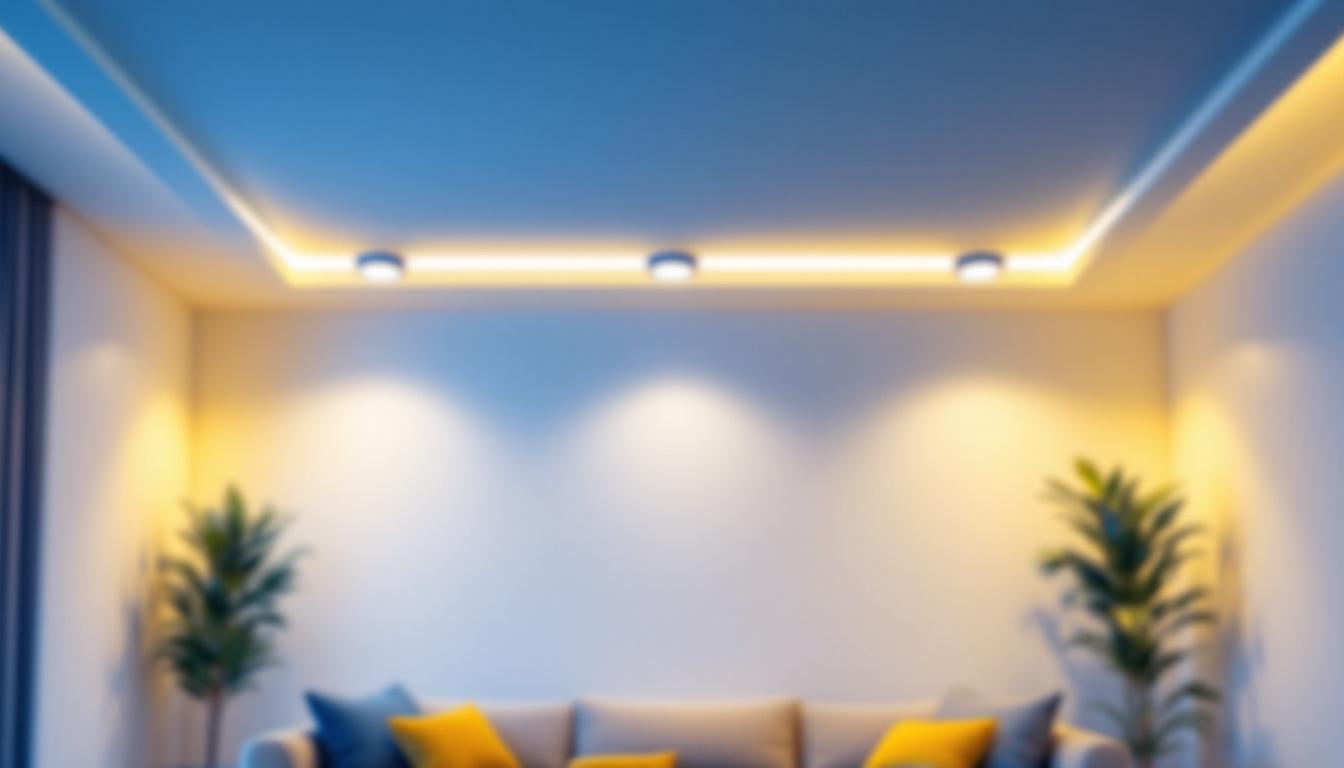
The placement and spacing of recessed lighting are crucial for achieving optimal illumination. A common rule of thumb is to space the fixtures approximately 4 to 6 feet apart, depending on the height of the ceiling and the desired brightness. For higher ceilings, wider spacing may be necessary to ensure even light distribution.
Additionally, contractors should consider the function of the room. For example, task lighting in kitchens or workspaces may require closer spacing, while ambient lighting in living areas can be more spread out. Taking the time to plan the layout will result in a more visually appealing and functional lighting design. It is also beneficial to assess the room’s architecture and existing features, such as furniture placement and wall colors, as these elements can influence how light is reflected and absorbed. Incorporating adjustable fixtures can provide versatility, allowing clients to modify the lighting as their needs change over time, thus enhancing the overall usability of the space.
Compliance and Safety Standards
Adhering to local building codes and safety standards is paramount in any lighting installation. LED recessed lighting must meet specific requirements to ensure safety and efficiency. This compliance not only protects the integrity of the installation but also safeguards the occupants of the space, making it a fundamental aspect of any project.
Energy Efficiency Standards
Many regions have implemented energy efficiency standards that govern the use of LED lighting. These regulations often stipulate minimum performance criteria, such as lumens per watt, to promote energy conservation. Contractors should familiarize themselves with these standards to ensure compliance and avoid potential penalties. Additionally, many municipalities offer incentives for using energy-efficient products, which can significantly reduce installation costs and encourage the adoption of sustainable practices in lighting design.
Fire Safety Regulations
Fire safety is another critical consideration when installing recessed lighting. Proper insulation and clearance around fixtures are essential to prevent overheating and potential fire hazards. Using IC-rated (Insulation Contact) fixtures is recommended for areas where insulation may come into contact with the light source. Furthermore, it is crucial to ensure that the wiring and electrical components are installed correctly to minimize risks. Regular inspections and adherence to the National Electrical Code (NEC) can help identify potential issues before they become serious problems, providing peace of mind for both contractors and homeowners.
Environmental Considerations
In addition to energy efficiency and fire safety, environmental considerations are becoming increasingly important in lighting installations. The use of eco-friendly materials and sustainable practices not only helps in reducing the carbon footprint but also aligns with the growing demand for green building certifications, such as LEED (Leadership in Energy and Environmental Design). By selecting LED fixtures that are free from hazardous materials like mercury and choosing recyclable components, contractors can contribute to a healthier environment while also appealing to environmentally conscious clients.
Accessibility Standards
Another vital aspect of compliance involves adhering to accessibility standards, such as the Americans with Disabilities Act (ADA). Proper lighting is essential for ensuring that spaces are navigable and safe for individuals with disabilities. This includes considering the placement and brightness of recessed lighting to avoid creating shadows or glare that could impede visibility. By integrating these accessibility standards into the lighting design, contractors can create inclusive environments that cater to the needs of all users, enhancing both functionality and safety.
Trends in LED Recessed Lighting
The lighting industry is continually evolving, and staying updated on the latest trends can help contractors provide cutting-edge solutions for their clients. Here are some notable trends in LED recessed lighting.
Smart Lighting Integration
Smart home technology is becoming increasingly popular, and LED recessed lighting is no exception. Many manufacturers now offer smart LED bulbs that can be controlled via smartphone apps or voice-activated assistants. This integration allows users to adjust brightness, color temperature, and even create lighting schedules, enhancing convenience and energy savings.
Contractors should consider recommending smart LED options to clients who value technology and automation in their homes. This not only adds value to the installation but also positions the contractor as a forward-thinking professional in the industry.
Color Changing and Tunable White Options
Color-changing LED recessed lights allow users to customize the ambiance of a space with the touch of a button. These fixtures can shift between various colors and shades, making them ideal for entertainment areas or mood-setting environments.
Tunable white options, on the other hand, enable users to adjust the color temperature throughout the day, mimicking natural sunlight. This feature can enhance well-being and productivity, particularly in workspaces and educational settings.
Maintenance and Troubleshooting
While LED recessed lighting is known for its longevity, maintenance and troubleshooting are still essential aspects of a contractor’s responsibilities. Understanding common issues and their solutions can ensure client satisfaction and prolong the life of the fixtures.
Common Issues with LED Recessed Lighting
Some common issues that may arise with LED recessed lighting include flickering, dimming, and color inconsistencies. Flickering can often be attributed to incompatible dimmer switches or voltage fluctuations. Ensuring that clients use compatible dimmers designed for LEDs can mitigate this problem.
Dimming issues may also arise if the LED bulbs are not rated for dimming. It is crucial to recommend dimmable LED options to clients who desire this feature. Color inconsistencies can occur due to variations in manufacturing, so sourcing bulbs from reputable manufacturers is essential.
Routine Maintenance Tips
Although LED bulbs require minimal maintenance, periodic checks can help identify potential issues early. Contractors should advise clients to inspect fixtures for dust accumulation, which can hinder light output. A simple wipe with a soft cloth can keep fixtures clean and functioning optimally.
Additionally, educating clients about the importance of using compatible components, such as drivers and transformers, can prevent many common problems. Providing guidance on troubleshooting basic issues can enhance the contractor-client relationship and build trust.
Conclusion
LED recessed lighting bulbs have revolutionized the lighting industry, offering energy efficiency, longevity, and versatility. For lighting contractors, understanding the intricacies of these bulbs is essential for delivering exceptional service to clients. From selecting the right bulbs and ensuring proper installation to staying updated on trends and maintenance practices, contractors play a pivotal role in the successful integration of LED recessed lighting.
By embracing the advantages of LED technology and keeping abreast of industry developments, lighting contractors can position themselves as experts in the field. This knowledge not only enhances their credibility but also contributes to the overall satisfaction of their clients, paving the way for future projects and referrals.
Get Your Premium LED Recessed Lighting Bulbs at LumenWholesale
Ready to elevate your lighting projects with the efficiency, longevity, and versatility of LED recessed lighting bulbs? Look no further than LumenWholesale for all your lighting needs. Our commitment to providing contractors with spec-grade lighting products at unbeatable wholesale prices means you can trust in the quality and performance of every bulb you purchase. With our extensive selection that meets the highest industry standards and the convenience of free shipping on bulk orders, you’ll find everything you need to impress your clients and illuminate their spaces beautifully. Don’t settle for less—choose LumenWholesale for Wholesale Lighting at the Best Value and make every lighting project shine.