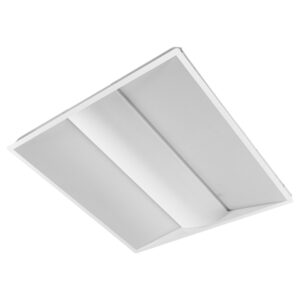
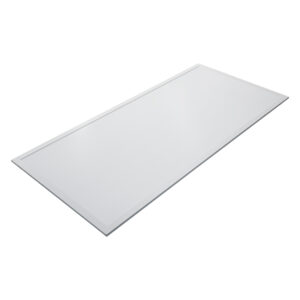
In the ever-evolving world of lighting design, LED linear lighting solutions have emerged as a transformative technology. For lighting contractors, understanding the nuances of LED linear systems is essential not only for delivering high-quality installations but also for staying competitive in the industry. This article delves into the critical aspects of LED linear lighting, offering insights that every lighting contractor should consider.
Understanding LED Linear Lighting
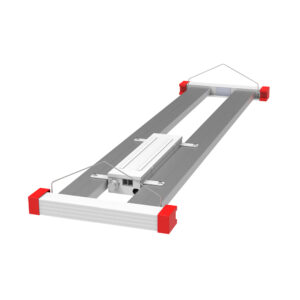
LED linear lighting refers to a type of lighting that utilizes LED technology in a linear format. This can include fixtures that are long and narrow, often used in commercial and residential settings to provide ambient, task, or accent lighting. The versatility of LED linear systems makes them suitable for various applications, from office spaces to retail environments. Their sleek design and adaptability allow them to seamlessly integrate into different architectural styles, enhancing both aesthetics and functionality.
One of the primary advantages of LED linear lighting is its energy efficiency. Compared to traditional incandescent or fluorescent lighting, LED systems consume significantly less power, which translates into lower energy bills for clients. Additionally, LEDs have a longer lifespan, reducing the frequency of replacements and maintenance, which is a key selling point for contractors. This longevity not only saves money but also minimizes waste, making LED linear lighting an environmentally friendly choice. As sustainability becomes a priority for many businesses, the adoption of LED technology aligns with their goals to reduce carbon footprints and promote eco-conscious practices.
Types of LED Linear Fixtures
LED linear fixtures come in various forms, each designed for specific applications. Some common types include:
- Linear Suspended Fixtures: These are hung from the ceiling and are ideal for open spaces, providing a clean and modern aesthetic. They can be used in conference rooms, dining areas, or retail displays, where they not only illuminate but also serve as a design statement.
- Surface-Mounted Fixtures: Mounted directly onto ceilings or walls, these fixtures are perfect for areas with limited ceiling height. They are often used in corridors, classrooms, and workshops, where maximizing vertical space is crucial.
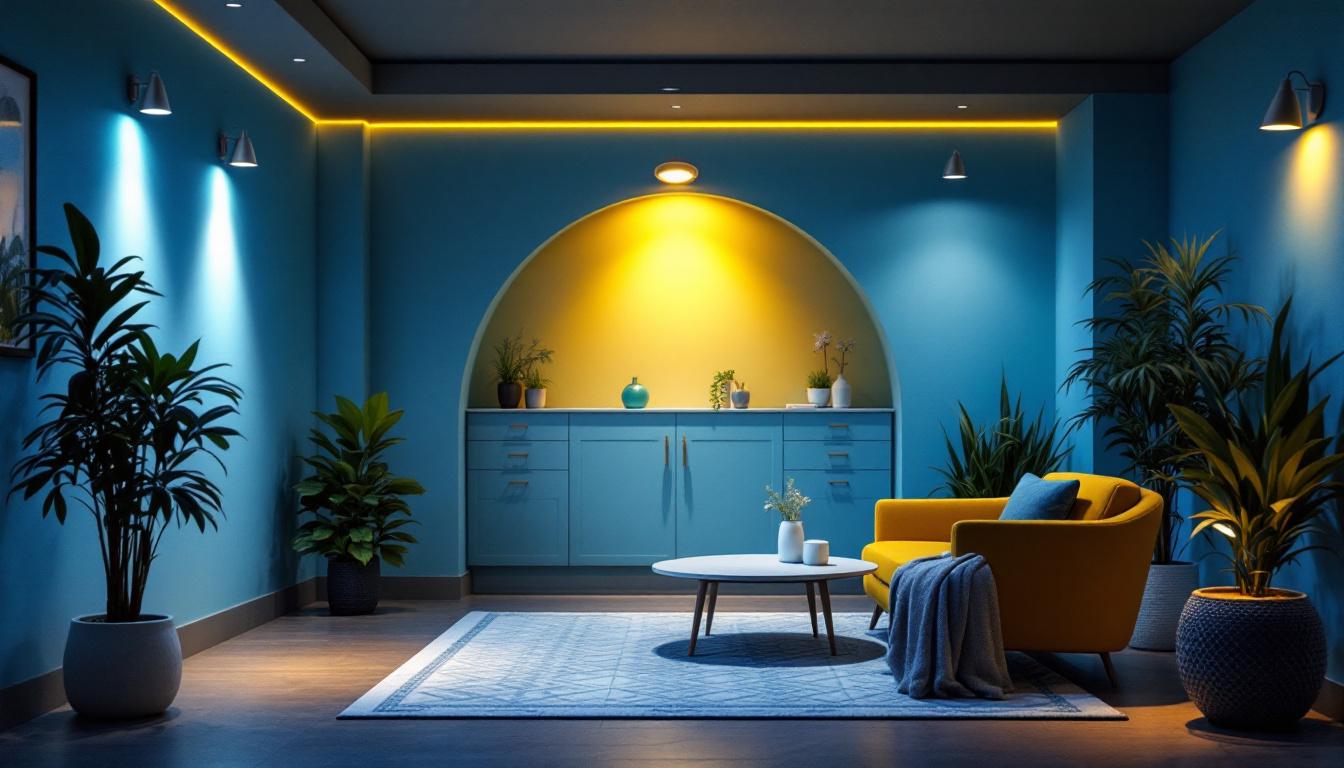
- Recessed Linear Lighting: Installed within ceilings or walls, recessed fixtures offer a sleek look and are often used for accent lighting. This type of fixture can create dramatic effects, highlighting architectural features or artwork without the distraction of visible light sources.
Understanding the various types of LED linear fixtures allows contractors to recommend the best options to their clients based on the specific needs of each space. Furthermore, the choice of color temperature and brightness can significantly impact the ambiance, making it essential for designers to consider these factors when planning a lighting layout.
Key Benefits of LED Linear Lighting
LED linear lighting systems offer numerous benefits that can enhance the value of a project. Here are some key advantages:
- Energy Efficiency: LEDs use up to 80% less energy than traditional lighting, making them a cost-effective choice for clients. This efficiency not only lowers operational costs but also contributes to energy conservation efforts on a larger scale.
- Longevity: With lifespans often exceeding 50,000 hours, LED fixtures reduce maintenance costs and downtime. This extended lifespan is particularly beneficial in commercial settings, where the disruption caused by changing lights can impact productivity.
- Design Flexibility: The slim profile of linear fixtures allows for creative lighting designs that can transform a space. From minimalist to bold installations, the adaptability of LED linear lighting enables designers to craft unique environments that cater to both functionality and style.
These benefits not only improve the functionality of a space but also contribute to sustainability efforts, which is increasingly important to many clients. Moreover, the ability to customize lighting solutions with dimming options and smart controls further enhances the user experience, allowing occupants to adjust their environment to suit their preferences and activities. As technology continues to evolve, the integration of LED linear lighting with smart home systems and IoT devices presents exciting possibilities for the future of lighting design.
Installation Considerations
When it comes to installing LED linear lighting, several factors must be taken into account to ensure a successful project. Proper installation not only affects the performance of the lighting but also the overall aesthetic of the space.
Planning the Layout
Before installation begins, careful planning of the layout is essential. This includes determining the appropriate spacing between fixtures to achieve even illumination. Lighting contractors should consider the purpose of the space, the height of the ceilings, and the desired ambiance. For instance, a retail environment may require brighter, more focused lighting compared to a cozy restaurant setting.
Additionally, it’s crucial to account for any architectural features that may affect the lighting design. For example, beams, columns, or other obstructions may require adjustments in fixture placement to avoid shadows and ensure uniform light distribution.
Electrical Considerations
LED linear lighting systems often require specific electrical configurations. Contractors should ensure that the existing electrical infrastructure can support the new fixtures. This may involve upgrading circuits or installing additional wiring to handle the load.
Moreover, understanding the compatibility of LED drivers is essential. Not all LED fixtures operate on the same voltage or require the same type of driver, so selecting the right components is vital for optimal performance.
Safety Standards and Regulations
Compliance with safety standards and building codes is non-negotiable in any lighting installation. Contractors must stay informed about local regulations regarding electrical installations and lighting systems. This includes understanding requirements for energy efficiency, fire safety, and accessibility.
Failure to adhere to these regulations can lead to costly fines and liability issues. Therefore, it is advisable for contractors to consult with local authorities or industry experts to ensure that all installations meet the necessary standards.
Design Trends in LED Linear Lighting
As technology advances, so do design trends in LED linear lighting. Staying updated on these trends can help contractors offer innovative solutions to their clients.
Smart Lighting Integration
Smart lighting technology is becoming increasingly popular in both residential and commercial spaces. LED linear fixtures can now be integrated with smart systems that allow users to control lighting remotely via smartphones or voice commands. This feature enhances convenience and energy savings, making it an attractive option for clients.
Contractors should familiarize themselves with the various smart lighting options available, including compatibility with existing smart home systems and the installation of necessary hardware. Offering smart lighting solutions can set contractors apart in a competitive market.
Color Temperature and Tunability
Another trend gaining traction is the use of tunable white and color-changing LED linear lights. These fixtures allow users to adjust the color temperature of the light, creating different moods and atmospheres within a space. For instance, cooler temperatures can enhance focus in an office, while warmer tones can create a relaxing environment in a restaurant.
Understanding how to implement tunable lighting systems can provide contractors with an edge, as clients increasingly seek customizable lighting solutions that cater to their specific needs.
Minimalist and Sleek Designs
Minimalism continues to be a significant trend in interior design, and LED linear lighting fits perfectly within this aesthetic. Sleek, unobtrusive fixtures that blend seamlessly into architectural elements are highly sought after. Contractors should be prepared to recommend linear lighting solutions that not only provide functionality but also enhance the overall design of the space.
By embracing minimalist designs, contractors can help clients achieve a modern look while maintaining the practicality of effective lighting.
Maintenance and Troubleshooting
Proper maintenance of LED linear lighting systems is crucial to ensure longevity and optimal performance. Contractors should educate clients on the best practices for maintaining their lighting systems.
Regular Inspections
Encouraging clients to conduct regular inspections of their LED fixtures can help identify potential issues before they become significant problems. This includes checking for flickering lights, dimming, or any signs of wear and tear. Early detection can save clients money on repairs and replacements.
Additionally, keeping the fixtures clean is essential. Dust and debris can accumulate on the surface of the lights, diminishing their brightness and efficiency. Simple cleaning routines can significantly extend the life of the fixtures.
Troubleshooting Common Issues
Lighting contractors should be prepared to troubleshoot common issues that may arise with LED linear systems. Some frequent problems include:
- Flickering Lights: This can be caused by loose connections, incompatible dimmers, or faulty drivers.
- Inconsistent Brightness: Variations in brightness may indicate issues with the electrical supply or the need for driver replacement.
- Color Shifts: If color temperatures appear inconsistent, it may be due to mismatched fixtures or driver compatibility issues.
By equipping themselves with troubleshooting knowledge, contractors can provide valuable support to clients, ensuring their lighting systems function smoothly.
Conclusion
LED linear lighting presents a wealth of opportunities for lighting contractors. By understanding the technology, installation considerations, design trends, and maintenance practices, contractors can elevate their services and meet the evolving needs of their clients. As the demand for energy-efficient, aesthetically pleasing lighting solutions continues to grow, staying informed and adaptable will be key to success in this dynamic industry.
Ultimately, embracing LED linear lighting not only enhances the quality of installations but also contributes to a more sustainable future. For lighting contractors, this is not just an opportunity; it is a responsibility to lead the way in innovative lighting solutions.
Illuminate Your Projects with LumenWholesale
Ready to take your lighting projects to the next level? At LumenWholesale, we’re committed to providing you with the highest quality LED linear lighting solutions at prices that can’t be beaten. Say goodbye to local distributor markups and hello to our spec-grade products that meet the most rigorous industry standards. With free shipping on bulk orders, you can trust that you’re getting the best value without any hidden costs. Elevate your service offerings and lead the charge in sustainable, innovative lighting design. Discover the perfect blend of quality, affordability, and convenience at LumenWholesale – Wholesale Lighting at the Best Value.