As a lighting contractor, the efficiency and effectiveness of your operations can significantly impact your business’s bottom line. One of the critical aspects of your work involves cable pulling, a task that can be labor-intensive and time-consuming. However, with the right tools, you can streamline this process, reduce labor costs, and enhance the quality of your installations. This article explores various tools for cable pulling and how they can boost your business.
Understanding the Importance of Cable Pulling Tools
Cable pulling is a fundamental task for lighting contractors, whether they are installing new systems or upgrading existing ones. The right tools not only make the job easier but also improve safety and efficiency. Investing in high-quality cable pulling tools can lead to faster project completion times, allowing contractors to take on more jobs and increase revenue.
Moreover, using specialized tools reduces the risk of damage to cables, ensuring that installations are reliable and long-lasting. This not only enhances customer satisfaction but also builds a contractor’s reputation in the industry. Therefore, understanding and utilizing the best tools available is essential for any lighting contractor looking to grow their business. Additionally, the proper use of cable pulling tools can help in maintaining compliance with industry standards and regulations, which is crucial for avoiding potential legal issues and ensuring the safety of both workers and the end-users of the electrical systems.
Types of Cable Pulling Tools
There is a wide variety of tools designed specifically for cable pulling, each serving a unique purpose. From manual tools to powered equipment, knowing which tools to use can significantly enhance project efficiency. Below are some essential types of cable pulling tools that every lighting contractor should consider:
- Cable Pulling Grips: These tools are designed to securely hold the cable during the pulling process, preventing slippage and damage.
- Cable Lubricants: Lubricants help reduce friction, making it easier to pull cables through conduits or tight spaces.
- Pulling Tension Meters: These devices measure the tension on the cable during pulling, ensuring that it does not exceed safe limits.
In addition to these essential tools, contractors might also find value in cable reels and drums, which help in organizing and managing the cable during transport and installation. Properly managing cable can prevent tangling and kinking, which can lead to costly delays and damage. Furthermore, investing in high-quality cable pulling tools can also enhance the overall workflow, allowing for better coordination among team members and minimizing downtime on the job site.
Manual vs. Powered Tools
When it comes to cable pulling, contractors can choose between manual and powered tools. Manual tools are often more affordable and require less maintenance, making them suitable for smaller jobs. However, they can be labor-intensive and may not be ideal for larger projects.
On the other hand, powered tools, such as electric cable pullers, can significantly reduce the physical strain on workers and increase productivity. While they may require a higher initial investment, the long-term benefits often outweigh the costs, especially for contractors handling large-scale installations. Additionally, powered tools often come equipped with advanced features such as variable speed controls and automatic shut-off mechanisms, which can enhance safety and precision during the pulling process. This technology not only streamlines operations but also contributes to a safer working environment, reducing the risk of accidents and injuries on the job site.
Essential Tools for Efficient Cable Pulling
To enhance productivity and ensure quality in cable pulling, several essential tools should be part of every lighting contractor’s toolkit. Below are some of the most effective tools that can aid in this process:
Cable Pulling Grips
Cable pulling grips, also known as cable socks, are essential for securely holding cables during the pulling process. They come in various sizes and designs to accommodate different cable types and diameters. Using these grips can prevent damage to the cable insulation and ensure a smooth pulling process.
When selecting cable pulling grips, it’s important to choose those that are rated for the specific cable type being used. This ensures that the grip will hold securely without causing any harm to the cable itself.
Cable Lubricants
Applying lubricant to cables can drastically reduce friction during the pulling process, making it easier to maneuver cables through conduits or tight spaces. Various types of lubricants are available, including water-based and petroleum-based options. Choosing the right lubricant depends on the specific materials of the cables and conduits being used.
Using lubricant not only speeds up the installation process but also minimizes the risk of damaging the cables, which can lead to costly repairs and delays. Therefore, incorporating cable lubricants into the toolkit is a smart decision for any lighting contractor.
Pulling Tension Meters
Monitoring the tension on cables during the pulling process is crucial to prevent damage. Pulling tension meters provide real-time feedback on the amount of force being applied to the cable. This information allows contractors to adjust their pulling technique as needed, ensuring that they stay within safe limits.
Investing in a quality pulling tension meter can help avoid costly mistakes and ensure that installations are completed safely and effectively. This tool is particularly beneficial for larger projects where the risk of exceeding safe tension limits is higher.
Advanced Tools for Large-Scale Projects
For lighting contractors involved in larger projects, advanced tools can make a significant difference in efficiency and safety. These tools are designed to handle the demands of extensive installations and can greatly enhance productivity.
Electric Cable Pullers
Electric cable pullers are powerful machines designed to automate the cable pulling process. They can handle heavy cables and long distances, making them ideal for large-scale projects. By reducing the physical labor involved, these machines allow contractors to complete installations more quickly and with less risk of injury.
While the initial cost of electric cable pullers can be high, the time saved and increased productivity often justify the investment. Additionally, many models come with features that enhance safety, such as automatic shut-off mechanisms and adjustable pulling speeds.
Cable Drum Jacks
Cable drum jacks are essential for managing large spools of cable. They allow for easy handling and positioning of cable drums, which can be cumbersome and heavy. Using a cable drum jack can streamline the process of feeding cable into the pulling system, reducing the time and effort required for setup.
Investing in a quality cable drum jack can also help prevent injuries associated with lifting heavy drums, making it a valuable addition to any contractor’s toolkit.
Safety Considerations When Pulling Cables
Safety should always be a top priority when pulling cables. The physical demands of the task, combined with the potential for electrical hazards, make it essential to follow best practices and use appropriate safety equipment.
Personal Protective Equipment (PPE)
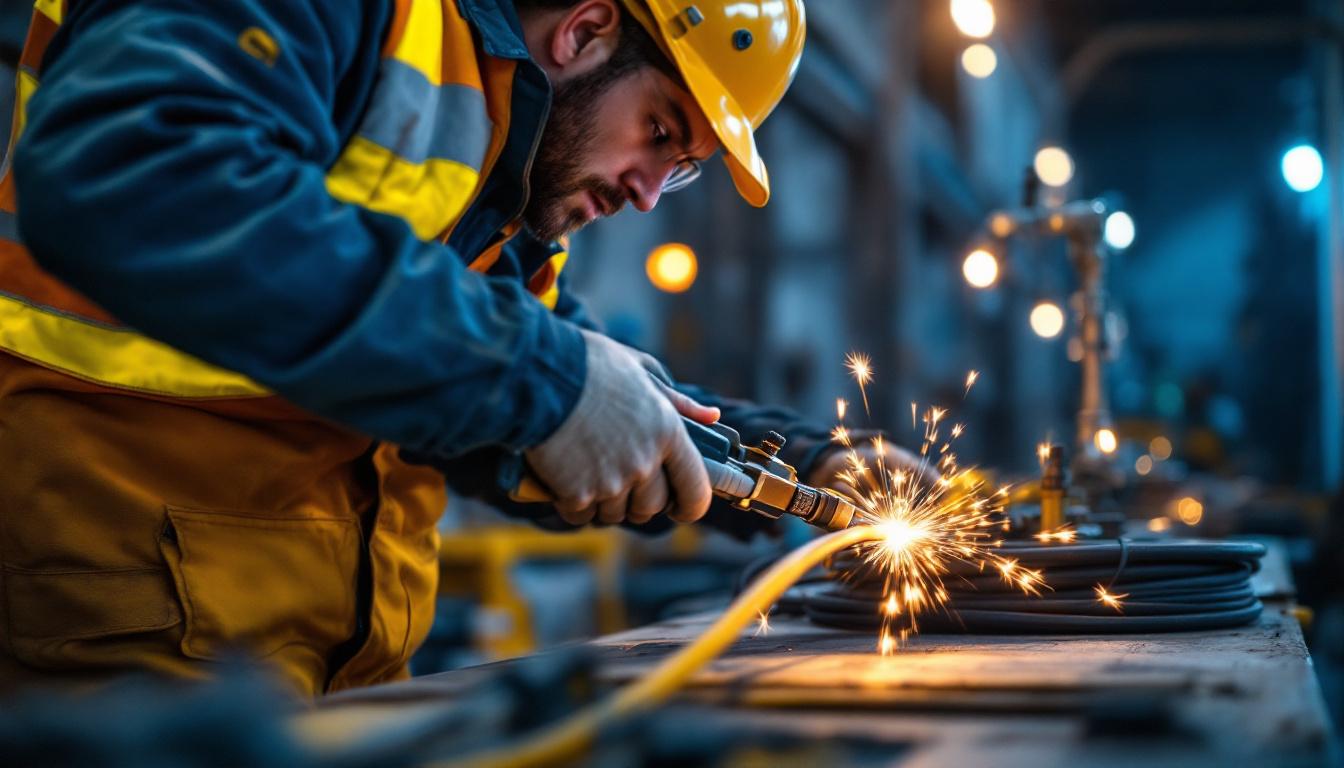
Wearing the right personal protective equipment (PPE) is crucial for ensuring safety during cable pulling operations. This includes hard hats, gloves, safety glasses, and steel-toed boots. Each piece of equipment serves a specific purpose, protecting workers from potential hazards such as falling objects, electrical shocks, and cuts.
Contractors should ensure that all team members are trained in the proper use of PPE and that they understand the importance of wearing it at all times during installations. Regular inspections of PPE for wear and tear should also be conducted to maintain safety standards.
Proper Training and Procedures
Providing proper training for all employees involved in cable pulling is essential for maintaining safety and efficiency. This training should cover the correct use of tools, safe pulling techniques, and emergency procedures. Regular safety meetings can help reinforce these practices and keep safety at the forefront of operations.
Establishing clear procedures for cable pulling, including communication protocols and roles for team members, can also enhance safety. When everyone understands their responsibilities, the risk of accidents decreases significantly.
Integrating Technology into Cable Pulling
As technology continues to evolve, lighting contractors have the opportunity to integrate advanced tools and software into their cable pulling processes. This can lead to increased efficiency and improved project management.
Project Management Software
Utilizing project management software can help contractors plan and execute cable pulling projects more effectively. These tools allow for scheduling, resource allocation, and tracking progress in real-time. By having a clear overview of the project, contractors can make informed decisions and adjust plans as necessary.
Moreover, project management software can facilitate communication among team members, ensuring that everyone is on the same page. This can lead to smoother operations and reduced delays, ultimately boosting productivity and profitability.
Remote Monitoring Tools
Remote monitoring tools enable contractors to oversee cable pulling operations from a distance. These tools can provide real-time data on pulling tension, cable position, and other critical metrics. By having access to this information, contractors can make immediate adjustments to their techniques, ensuring optimal performance.
Investing in remote monitoring technology can also enhance safety, as contractors can monitor operations without being physically present in potentially hazardous areas. This allows for better oversight and quicker response times in case of issues.
Conclusion: Boosting Your Business with the Right Tools
In the competitive field of lighting contracting, having the right tools for cable pulling can make a significant difference in efficiency, safety, and overall project success. By investing in high-quality equipment, contractors can streamline their operations, reduce labor costs, and improve customer satisfaction.
From manual tools to advanced powered equipment, each tool serves a specific purpose that can enhance the cable pulling process. Additionally, integrating technology into operations can further boost productivity and project management capabilities.
Ultimately, by prioritizing the right tools and practices, lighting contractors can not only improve their current operations but also position themselves for future growth and success in the industry. The investment in cable pulling tools is an investment in the overall quality and reputation of the business.
Upgrade Your Lighting Projects with LumenWholesale
Ready to elevate your lighting contracting business with tools that offer unmatched efficiency and safety? Look no further than LumenWholesale. Our commitment to providing top-quality, spec-grade lighting products at wholesale prices ensures that you get the best value for your investment. Say goodbye to inflated markups and hello to a vast selection of industry-standard lighting solutions. With the convenience of free shipping on bulk orders, LumenWholesale is your go-to source for premium lighting without the hassle. Don’t compromise on quality or price. Discover the best in wholesale lighting at LumenWholesale and give your business the boost it deserves.