Fluorescent Bulb Connectors: The Missing Piece in Many Lighting Projects
In the ever-evolving world of lighting design and installation, the importance of every component cannot be overstated. Among these components, fluorescent bulb connectors often remain overlooked, yet they play a crucial role in ensuring the efficiency and reliability of lighting systems. For lighting contractors, understanding the significance of these connectors can make a substantial difference in project outcomes.
The Role of Fluorescent Bulb Connectors
Fluorescent bulb connectors serve as the vital link between the power source and the fluorescent lamp. Their primary function is to facilitate the transfer of electrical energy, allowing the lamp to illuminate effectively. However, their importance extends beyond mere connectivity; they also contribute to the overall safety and longevity of the lighting system.
Ensuring Electrical Safety
One of the primary concerns in any lighting project is electrical safety. Fluorescent bulb connectors are designed to minimize the risk of electrical faults, which can lead to short circuits or even fire hazards. High-quality connectors are engineered to withstand wear and tear, ensuring that they maintain a secure connection over time. This reliability is crucial in commercial settings where lighting systems are in constant use.
Moreover, using connectors that meet safety standards can significantly reduce liability for contractors. By investing in quality connectors, contractors can provide peace of mind to their clients, knowing that their lighting systems are safe and compliant with regulations.
Enhancing System Longevity
Another essential aspect of fluorescent bulb connectors is their role in enhancing the longevity of lighting systems. Poor-quality connectors can lead to flickering lights, reduced efficiency, and premature bulb failure. By selecting connectors that are compatible with the specific type of fluorescent bulbs being used, contractors can ensure optimal performance and extend the lifespan of the entire lighting system.
In addition, connectors that allow for easy replacement and maintenance can save time and costs in the long run. When a bulb needs to be changed, having a reliable connector can make the process seamless, reducing downtime and improving overall project efficiency.
Types of Fluorescent Bulb Connectors
Understanding the different types of fluorescent bulb connectors available is essential for lighting contractors. Each type has its unique features and applications, making it crucial to choose the right one for each project.
Bi-Pin Connectors
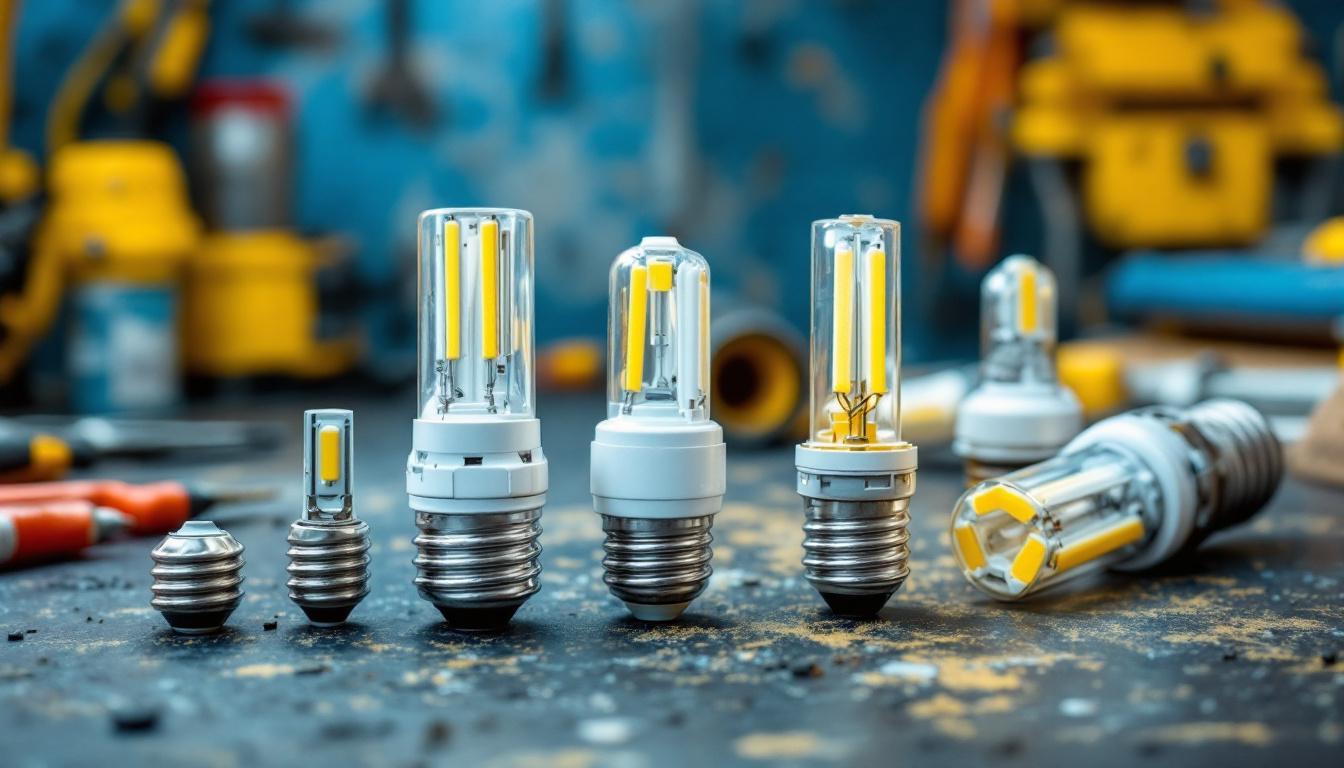
Bi-pin connectors are among the most common types used in fluorescent lighting. These connectors feature two pins that fit into the lamp socket, providing a secure electrical connection. Bi-pin connectors are typically used with T8 and T12 fluorescent bulbs, making them a staple in many commercial and residential lighting applications.
One of the advantages of bi-pin connectors is their ease of installation. They can be quickly connected or disconnected, allowing for efficient bulb replacement. However, it is essential to ensure that the connectors are of high quality to prevent issues such as flickering or poor electrical contact.
Single Pin Connectors
Single pin connectors are another option, primarily used with certain types of fluorescent lamps. These connectors feature one pin and are designed for specific applications, often found in specialized lighting fixtures. While they may not be as widely used as bi-pin connectors, they are essential for specific projects that require them.
Contractors should be aware of the specific requirements of the fixtures they are working with to ensure compatibility. Using the wrong type of connector can lead to inefficiencies and potential safety hazards.
Socket Connectors
Socket connectors are designed to hold the fluorescent bulb securely while providing the necessary electrical connection. These connectors can vary in design, but they all serve the same fundamental purpose: to ensure that the bulb remains in place and receives power.
When selecting socket connectors, it is crucial to consider the type of bulb and fixture being used. High-quality socket connectors can significantly impact the performance and reliability of the lighting system, making them a vital component in any lighting project.
Choosing the Right Connector for Your Project
With various types of fluorescent bulb connectors available, selecting the right one for a specific project can be daunting. Several factors should be considered to ensure the best choice is made.
Compatibility with Bulbs and Fixtures
Compatibility is perhaps the most critical factor when choosing fluorescent bulb connectors. Each type of bulb and fixture may require a specific connector type, and using the wrong one can lead to performance issues or even damage. Contractors should always refer to the manufacturer’s specifications to ensure that the connectors selected are suitable for the intended application.
Additionally, understanding the wattage and voltage requirements of the bulbs can help in selecting connectors that can handle the electrical load without risk of failure. This attention to detail can prevent future headaches and ensure a smooth installation process.
Quality and Durability
The quality of fluorescent bulb connectors can vary significantly between manufacturers. Investing in high-quality connectors can save money in the long run by reducing the likelihood of failures and the need for replacements. Look for connectors made from durable materials that can withstand the rigors of installation and use.
Contractors should also consider connectors that meet industry standards and certifications. These indicators of quality can provide assurance that the connectors will perform reliably and safely over time.
Ease of Installation
Finally, the ease of installation should be a key consideration when selecting fluorescent bulb connectors. Connectors that are straightforward to install can save valuable time during the project, allowing contractors to focus on other essential tasks. Look for designs that allow for quick connections and disconnections, especially in commercial settings where downtime needs to be minimized.
Common Issues with Fluorescent Bulb Connectors
Despite their importance, fluorescent bulb connectors can present several challenges during installation and use. Being aware of these common issues can help contractors avoid potential pitfalls.
Loose Connections
One of the most frequent problems encountered with fluorescent bulb connectors is loose connections. Over time, connectors can become worn or damaged, leading to poor electrical contact. This issue can result in flickering lights, reduced brightness, or complete bulb failure.
To mitigate this problem, contractors should regularly inspect connectors during maintenance checks. Ensuring that all connections are secure and free from corrosion can help maintain optimal performance and extend the life of the lighting system.
Incompatibility Issues
Incompatibility between connectors and bulbs can lead to significant issues in lighting projects. Using the wrong type of connector can result in electrical failures or even damage to the bulbs themselves. It is crucial for contractors to double-check compatibility before installation to avoid these costly mistakes.
Additionally, staying informed about the latest advancements in lighting technology can help contractors make better choices regarding connectors and other components. As new products enter the market, being knowledgeable can give contractors a competitive edge.
Overheating
Overheating is another concern associated with fluorescent bulb connectors. Poor-quality connectors or those that are not rated for the specific wattage of the bulbs can lead to excessive heat generation. This overheating can damage both the connectors and the bulbs, resulting in premature failure.
To prevent overheating, it is essential to use connectors that are appropriately rated for the application. Contractors should also ensure that the fixtures are adequately ventilated to dissipate heat effectively, further protecting the integrity of the lighting system.
Best Practices for Installation and Maintenance
To ensure the longevity and reliability of fluorescent bulb connectors, following best practices during installation and maintenance is essential.
Proper Installation Techniques
Proper installation techniques can significantly impact the performance of fluorescent bulb connectors. Contractors should always follow the manufacturer’s instructions and guidelines to ensure that connectors are installed correctly. This includes ensuring that connections are secure and that any necessary tools are used appropriately.
Additionally, taking the time to label connections can help streamline future maintenance and troubleshooting. Clear labeling can save time and reduce the risk of errors during repairs or replacements.
Regular Inspections
Regular inspections of fluorescent bulb connectors can help identify potential issues before they become significant problems. Contractors should schedule routine checks to ensure that all connections are secure and that there are no signs of wear or damage.
During these inspections, it is also a good practice to clean connectors and sockets to remove any dust or debris that may have accumulated. This simple step can improve electrical contact and enhance the overall performance of the lighting system.
Educating Clients
Educating clients about the importance of fluorescent bulb connectors can foster better relationships and enhance project outcomes. By explaining the role of connectors in the overall lighting system, contractors can help clients understand the value of investing in quality components.
Providing clients with information on how to maintain their lighting systems, including the connectors, can also empower them to take an active role in preserving their investments. This knowledge can lead to increased satisfaction and trust in the contractor’s expertise.
Conclusion
Fluorescent bulb connectors may often be the missing piece in many lighting projects, but their importance cannot be understated. By understanding their role, types, and best practices for installation and maintenance, lighting contractors can enhance the reliability and efficiency of their projects.
Investing time and resources into selecting high-quality connectors can lead to significant long-term benefits, including improved safety, system longevity, and client satisfaction. As the lighting industry continues to evolve, staying informed about the latest advancements in connectors and related technologies will ensure that contractors remain competitive and successful in their endeavors.
Illuminate Your Projects with LumenWholesale
Don’t let the search for high-quality fluorescent bulb connectors dim your project’s potential. At LumenWholesale, we provide lighting contractors with spec-grade lighting products that shine in both quality and value. Say goodbye to inflated markups and hello to superior lighting solutions that fit your budget. With our extensive selection that meets rigorous industry standards, you can trust that your lighting systems will be efficient, safe, and long-lasting. Plus, with free shipping on bulk orders, you can stock up on all your lighting needs without the worry of hidden fees. Elevate your lighting projects by choosing Wholesale Lighting at the Best Value with LumenWholesale today.