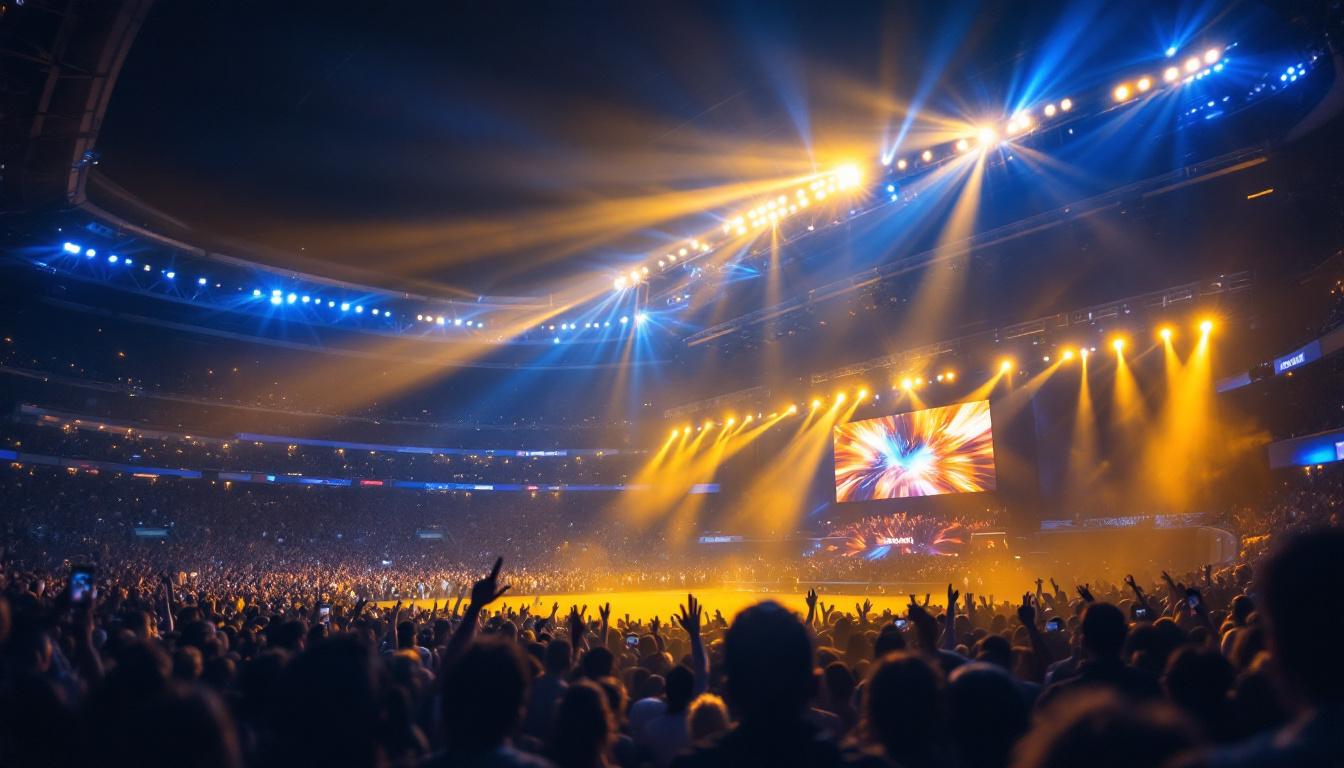
In the realm of sports and entertainment, the significance of effective lighting cannot be overstated. Stadium lighting plays a crucial role in enhancing the experience for players, spectators, and broadcasters alike. Among the various lighting technologies available, LED lights have emerged as a game-changer. This article aims to provide lighting contractors with an in-depth understanding of LED lights in stadiums, covering their advantages, installation considerations, and maintenance practices.
Understanding LED Technology
Light Emitting Diodes (LEDs) are semiconductor devices that emit light when an electric current passes through them. Unlike traditional incandescent or fluorescent lights, LEDs are highly efficient and have a longer lifespan. This efficiency translates into lower energy consumption and reduced operational costs, making them an attractive choice for stadium lighting. Furthermore, LEDs can be designed to emit various colors without the need for filters, allowing for dynamic lighting effects that can enhance the atmosphere during events, from sporting matches to concerts.
How LEDs Work
The fundamental principle behind LED technology involves electroluminescence. When electrons recombine with holes in the semiconductor material, they release energy in the form of photons, producing light. This process is highly efficient, allowing LEDs to generate more light per watt compared to traditional lighting options. Additionally, the ability to control the intensity and color of the emitted light through digital means enables stadium operators to create customized lighting schemes that can adapt to different events and moods, further enhancing the spectator experience.
Types of LED Lights Used in Stadiums
There are several types of LED lights commonly used in stadiums, including floodlights, spotlights, and linear lights. Floodlights are particularly popular due to their ability to illuminate large areas uniformly. Spotlights, on the other hand, are used for focused lighting, such as highlighting specific players or areas of the field. Linear lights can be utilized for architectural features or walkways, enhancing the overall aesthetic of the stadium. In addition to these, RGB LED systems are increasingly being integrated into stadiums, allowing for vibrant color displays and effects that can sync with music or other visual elements during events, creating an immersive experience for fans.
Advantages of LED Stadium Lighting
Switching to LED lighting in stadiums offers numerous advantages that can significantly impact both performance and cost-effectiveness. Understanding these benefits is essential for lighting contractors when recommending solutions to clients.
Energy Efficiency
One of the most compelling reasons to choose LED lights is their energy efficiency. LEDs consume significantly less power than traditional lighting systems, which can lead to substantial savings on electricity bills. This efficiency is particularly beneficial for large venues where lighting can account for a significant portion of operational costs. Furthermore, many stadiums are now integrating smart lighting systems that can adjust brightness based on the time of day or the number of spectators present, further optimizing energy use and reducing waste.
Longevity and Durability
LED lights boast a lifespan that can exceed 50,000 hours, far surpassing that of traditional bulbs. This longevity reduces the frequency of replacements, resulting in lower maintenance costs and less disruption during events. Additionally, LEDs are more resistant to shock and vibration, making them ideal for the dynamic environment of a stadium. The robust construction of LED fixtures also means they can withstand harsh weather conditions, such as rain or extreme temperatures, ensuring consistent performance year-round. This reliability is crucial for venues that host events across different seasons, minimizing the risk of unexpected outages.
Improved Lighting Quality
LEDs provide superior lighting quality, with options for adjustable color temperatures and brightness levels. This versatility allows for tailored lighting solutions that enhance the viewing experience for both players and spectators. Moreover, LEDs can achieve high Color Rendering Index (CRI) ratings, ensuring that colors appear vibrant and true to life, which is essential for televised events. The ability to create dynamic lighting effects, such as color washes or spotlights, can also elevate the atmosphere during games and ceremonies, making events more engaging and visually appealing. With advancements in technology, stadiums can now implement programmable lighting systems that synchronize with music or performances, creating a captivating experience that resonates with fans and enhances the overall ambiance of the venue.
Installation Considerations for LED Stadium Lighting
While the advantages of LED lighting are clear, the installation process requires careful planning and execution. Lighting contractors must consider several factors to ensure a successful implementation.
Design and Layout
The design and layout of the lighting system are critical to achieving optimal illumination. Factors such as the size of the stadium, the height of the lighting fixtures, and the specific areas that require lighting must be taken into account. A well-designed layout will minimize shadows and ensure uniform lighting across the playing field. Additionally, it is essential to consider the angle of the lights to reduce glare for both players and spectators. Advanced simulation software can help visualize how different configurations will affect the overall lighting, allowing for adjustments before installation begins.
Power Supply and Infrastructure
LED lights require a reliable power supply to function effectively. Contractors must assess the existing electrical infrastructure and determine if upgrades are necessary to support the new lighting system. This may involve installing new circuits, transformers, or control systems to manage the LED fixtures efficiently. Furthermore, the integration of smart lighting technology can enhance energy efficiency and allow for remote management of the lighting system. This can include features such as dimming capabilities and scheduling, which can significantly reduce energy costs and extend the lifespan of the fixtures.
Compliance with Regulations
Stadium lighting must comply with various regulations and standards, including those set by sports governing bodies and local authorities. Contractors should familiarize themselves with these requirements to ensure that the installation meets safety and performance criteria. This may involve conducting photometric studies to demonstrate compliance with illumination levels. Additionally, it is vital to consider the environmental impact of the lighting installation. Many jurisdictions now require assessments to ensure that the light pollution is minimized, which can involve the use of shielding techniques and careful placement of fixtures to direct light where it is needed most, thereby preserving the surrounding ecosystem.
Maintenance of LED Stadium Lighting
Proper maintenance is essential to maximize the lifespan and performance of LED lighting systems. Lighting contractors should implement a comprehensive maintenance plan that addresses various aspects of the lighting infrastructure.
Regular Inspections
Conducting regular inspections of the lighting fixtures is crucial to identify any issues before they escalate. This includes checking for signs of wear, ensuring that lenses are clean, and verifying that all fixtures are functioning correctly. Regular inspections help maintain optimal performance and extend the lifespan of the lighting system.
Cleaning and Upkeep
Environmental factors can lead to the accumulation of dirt and debris on LED fixtures, which can diminish light output. Establishing a cleaning schedule to remove dust and grime will help maintain the quality of illumination. Additionally, contractors should ensure that any protective covers or lenses are intact and free from damage.
Software and Control Systems
Many modern LED lighting systems come equipped with advanced control software that allows for customization and automation of lighting settings. Contractors should familiarize themselves with these systems to provide clients with the best possible solutions for managing their stadium lighting. Regular updates and maintenance of software are also essential to ensure optimal performance.
Case Studies: Successful LED Installations in Stadiums
Examining successful LED installations can provide valuable insights for lighting contractors. These case studies highlight best practices and innovative approaches to stadium lighting.
Case Study: Major League Baseball Stadium
A prominent Major League Baseball stadium recently underwent a complete lighting retrofit, replacing its outdated lighting system with energy-efficient LED fixtures. The project involved a comprehensive design that considered the unique requirements of baseball games, including the need for high-quality lighting for both players and television broadcasts. As a result, the stadium reported a 60% reduction in energy consumption and improved visibility for fans and players alike.
Case Study: Multi-Purpose Sports Arena
A multi-purpose sports arena faced challenges with its existing lighting setup, which struggled to provide adequate illumination for various events. By installing a state-of-the-art LED lighting system, the arena was able to enhance the overall atmosphere and improve the experience for attendees. The flexible lighting options allowed for tailored settings depending on the type of event, further increasing the venue’s versatility and appeal.
The Future of LED Stadium Lighting
The landscape of stadium lighting is continually evolving, with LED technology at the forefront of innovation. As lighting contractors navigate this dynamic field, staying informed about emerging trends and advancements will be essential.
Smart Lighting Solutions
The integration of smart technology into LED lighting systems is becoming increasingly prevalent. Smart lighting solutions allow for real-time monitoring, automated adjustments, and remote control capabilities. This technology not only enhances energy efficiency but also provides valuable data for optimizing lighting performance during events.
Sustainability Initiatives
With growing awareness of environmental sustainability, stadiums are increasingly seeking eco-friendly lighting solutions. LED lights align with these initiatives due to their low energy consumption and reduced carbon footprint. Lighting contractors can play a pivotal role in promoting sustainable practices by recommending LED systems that contribute to a greener future.
Conclusion
LED lights have revolutionized stadium lighting, providing a host of benefits that enhance the experience for players, spectators, and broadcasters. For lighting contractors, understanding the intricacies of LED technology, installation considerations, and maintenance practices is vital for delivering successful projects. As the industry continues to evolve, embracing innovation and sustainability will be key to staying competitive in the market. By leveraging the advantages of LED lighting, contractors can help create brighter, more efficient, and environmentally friendly stadiums for the future.
Illuminate Your Projects with LumenWholesale
Ready to elevate your stadium lighting projects with the efficiency and brilliance of LED technology? At LumenWholesale, we provide lighting contractors with the highest quality, spec-grade LED lighting solutions at unbeatable wholesale prices. Say goodbye to local distributor markups and hello to a vast selection of premium lighting that meets rigorous industry standards. With free shipping on bulk orders, LumenWholesale ensures you get the best value without any hidden costs. Enhance your next lighting project with the perfect combination of quality, affordability, and convenience. Discover our extensive range and take advantage of Wholesale Lighting at the Best Value today.