As a lighting contractor, understanding the intricacies of different light bulbs is essential for providing quality service to clients. Among the various options available, the 120V 10W bulb stands out for its efficiency and versatility. However, navigating the complexities associated with this type of bulb can pose challenges. This guide aims to illuminate the potential pitfalls and offer insights for successful installation and application.
Understanding the Basics of 120V 10W Bulbs
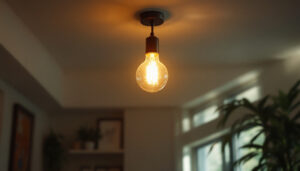
The 120V 10W bulb is a compact, energy-efficient lighting solution commonly used in residential and commercial settings. Its low wattage makes it an attractive option for those looking to reduce energy consumption while still achieving adequate illumination.
Typically, these bulbs are designed to provide a warm, inviting light, making them suitable for various applications, from ambient lighting in homes to task lighting in offices. However, understanding the specifications and characteristics of these bulbs is crucial for ensuring optimal performance.
Specifications and Features
When selecting a 120V 10W bulb, it is essential to consider its specifications. The wattage indicates the amount of energy consumed, while the voltage denotes the electrical potential required for operation. This particular bulb operates at 120 volts, making it compatible with standard household and commercial electrical systems.
Additionally, the light output, measured in lumens, is a critical factor. A 10W bulb typically produces around 800 lumens, which is comparable to a traditional 60W incandescent bulb. This efficiency allows for significant energy savings without sacrificing brightness. Moreover, many modern 120V 10W bulbs come with adjustable color temperatures, allowing users to choose between warm white, cool white, or daylight options, catering to different moods and settings.
Types of 120V 10W Bulbs
There are various types of 120V 10W bulbs available on the market, each with unique characteristics. Common types include LED, CFL, and halogen bulbs. LED bulbs are particularly popular due to their longevity and energy efficiency, often lasting up to 25,000 hours. CFLs, while slightly less efficient than LEDs, still offer a considerable lifespan and energy savings. Halogen bulbs, on the other hand, provide bright, crisp light but tend to consume more energy and have a shorter lifespan.
Understanding the differences between these types can help contractors make informed decisions based on the specific needs of their clients. For instance, in spaces where frequent on-and-off cycling occurs, such as in bathrooms or hallways, LED bulbs are ideal due to their quick start-up times and resistance to burnout. Additionally, many manufacturers are now producing smart 120V 10W bulbs that can be controlled via smartphone apps or voice commands, offering added convenience and energy management capabilities. These advancements not only enhance user experience but also contribute to further energy savings, making them an excellent choice for the tech-savvy consumer.
Common Pitfalls When Using 120V 10W Bulbs
Despite their advantages, there are several pitfalls that lighting contractors should be aware of when working with 120V 10W bulbs. Identifying these issues early can save time, money, and frustration in the long run.
Incompatibility with Dimmers
One of the most common issues encountered is the incompatibility of certain 120V 10W bulbs with dimmer switches. Not all bulbs are designed to work with dimmers, and using an incompatible bulb can lead to flickering, reduced lifespan, or even complete failure. It is crucial to verify that the chosen bulb is labeled as dimmable if it will be used in conjunction with a dimmer switch.
Contractors should also ensure that the dimmer itself is compatible with the wattage of the bulb. Some older dimmers may not handle the lower wattage of LED or CFL bulbs effectively, leading to performance issues. Additionally, it’s worth noting that the technology behind dimmers has evolved, and newer models are often designed to work seamlessly with energy-efficient bulbs. Therefore, investing in a modern dimmer can enhance performance and provide a more reliable lighting experience.
Overheating Concerns
Another potential pitfall is overheating. While 120V 10W bulbs, particularly LEDs, are designed to be energy-efficient and produce less heat than traditional incandescent bulbs, improper installation or placement can still lead to overheating. This is especially true in enclosed fixtures where heat can accumulate.
To mitigate this risk, contractors should ensure that fixtures are rated for the specific type of bulb being used and that there is adequate ventilation to dissipate heat. Regular checks and maintenance can also help identify any potential overheating issues before they become serious problems. Furthermore, using heat-resistant materials in fixtures can provide an additional layer of safety, ensuring that the integrity of the installation is maintained over time.
Misjudging Light Quality
Light quality is often overlooked, yet it plays a significant role in the overall effectiveness of a lighting installation. The color temperature of a 120V 10W bulb can vary, affecting the ambiance of a space. Bulbs are typically available in a range of color temperatures, from warm white (around 2700K) to cool white (above 5000K).
Contractors should consider the intended use of the space when selecting a bulb. For example, warm white bulbs are ideal for living areas, while cooler temperatures may be more suitable for workspaces. Misjudging the light quality can lead to dissatisfaction from clients and may necessitate additional replacements or adjustments. Moreover, the color rendering index (CRI) of a bulb is another critical factor; a higher CRI means colors appear more vibrant and true to life, which is particularly important in settings like art studios or retail spaces where visual accuracy is paramount.
Best Practices for Installation
To avoid the pitfalls associated with 120V 10W bulbs, adhering to best practices during installation is essential. Proper installation not only enhances performance but also extends the lifespan of the bulbs.
Choosing the Right Fixture
Selecting the appropriate fixture for a 120V 10W bulb is crucial. Fixtures should be compatible with the bulb type and wattage to ensure optimal performance. For instance, using an LED bulb in a fixture designed for incandescent bulbs may lead to issues such as flickering or reduced brightness.
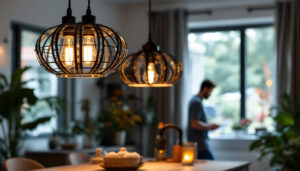
Additionally, consider the design and placement of the fixture. Fixtures that allow for proper airflow can help prevent overheating, while those that provide adequate shielding can enhance the overall light quality. It’s also worth noting that the aesthetic of the fixture can significantly influence the ambiance of a space. For example, a sleek, modern fixture may complement contemporary decor, while a vintage-style fixture can add charm to a more traditional setting. Therefore, balancing functionality with style is key to achieving both performance and visual appeal.
Ensuring Proper Wiring
Proper wiring is fundamental to the successful operation of any lighting system. When installing 120V 10W bulbs, ensure that the wiring is up to code and that connections are secure. Loose or faulty wiring can lead to flickering, short circuits, or even fire hazards.
Contractors should also familiarize themselves with local electrical codes and regulations to ensure compliance. This knowledge not only protects the contractor but also ensures the safety of the end-users. Furthermore, using high-quality wiring materials can prevent future issues, such as corrosion or wear, which can compromise the integrity of the electrical system over time. Regular inspections and maintenance of the wiring can also help in identifying potential problems before they escalate, ensuring a safe and reliable lighting environment.
Testing and Quality Assurance
Before completing an installation, it is advisable to test the lighting system thoroughly. This includes checking for flickering, ensuring proper brightness, and verifying that all bulbs are functioning as intended. Quality assurance measures can help identify any issues early on, allowing for prompt resolution.
Encouraging clients to provide feedback on their lighting experience post-installation can also be beneficial. This feedback can guide future projects and help contractors refine their approach to lighting design. Additionally, documenting the installation process and any challenges faced can serve as a valuable resource for future installations. By keeping a record of what worked well and what didn’t, contractors can continuously improve their techniques and offer even better service to their clients. Moreover, sharing success stories and lessons learned with peers in the industry can foster a collaborative environment that promotes best practices across the board.
Energy Efficiency and Sustainability
As energy efficiency becomes increasingly important, understanding the sustainability aspects of 120V 10W bulbs is essential for lighting contractors. These bulbs offer significant energy savings compared to traditional incandescent options, making them a responsible choice for environmentally conscious clients.
Calculating Energy Savings
To illustrate the energy savings associated with 120V 10W bulbs, consider a simple calculation. Replacing a 60W incandescent bulb with a 10W LED bulb can result in substantial savings over time. For instance, if a bulb is used for an average of 5 hours per day, the energy consumption would drop from 60W to 10W, translating to a decrease in energy costs.
Contractors can provide clients with estimates of potential savings, emphasizing the long-term benefits of investing in energy-efficient lighting solutions. This information can be particularly persuasive for clients looking to reduce their carbon footprint.
Promoting Sustainable Practices
In addition to energy savings, promoting sustainable practices is vital for modern lighting contractors. This includes advising clients on proper disposal methods for used bulbs, as some types, such as CFLs, contain hazardous materials that require special handling.
Encouraging the use of recyclable materials in lighting fixtures and promoting energy-efficient designs can further enhance a contractor’s reputation as a sustainable service provider. This commitment to sustainability can attract environmentally conscious clients and set a contractor apart in a competitive market.
Conclusion
In conclusion, the 120V 10W bulb is a versatile and energy-efficient lighting option that offers numerous benefits for both contractors and clients. However, being aware of potential pitfalls and adhering to best practices during installation is essential for maximizing performance and client satisfaction.
By understanding the specifications, types, and common challenges associated with 120V 10W bulbs, lighting contractors can make informed decisions that lead to successful projects. Emphasizing energy efficiency and sustainability not only enhances the contractor’s service offering but also contributes to a greener future.
Ultimately, a well-informed lighting contractor can navigate the complexities of 120V 10W bulbs with confidence, ensuring that clients receive high-quality, efficient lighting solutions tailored to their specific needs.
Illuminate Your Projects with LumenWholesale
Ready to elevate your lighting projects with the best in 120V 10W bulbs and more? Look no further than LumenWholesale, where we provide contractors with superior, spec-grade lighting products at unbeatable wholesale prices. Say goodbye to inflated markups and hello to a vast selection of high-quality lighting that meets the highest industry standards. With free shipping on bulk orders, you can stock up on premium lighting solutions and enjoy the best value without any hidden fees. Don’t compromise on quality or cost. Wholesale Lighting at the Best Value is just a click away. Experience the LumenWholesale difference today!