When it comes to kitchen lighting, the focus often lies on fixtures, layouts, and styles. However, the choice of light bulbs can significantly impact the overall ambiance and functionality of the space. This article delves into the importance of selecting the right light bulbs for kitchen environments, exploring how they can complete lighting projects and enhance the culinary experience.
Understanding the Role of Light Bulbs in Kitchen Lighting
Light bulbs are not merely sources of illumination; they play a crucial role in setting the mood and functionality of a kitchen. The right bulb can enhance colors, improve visibility, and create a welcoming atmosphere. In contrast, poor bulb choices can lead to harsh lighting or dull colors, detracting from the kitchen’s appeal.
Types of Light Bulbs
Various types of light bulbs are available, each with unique characteristics that cater to different kitchen needs. Incandescent, LED, fluorescent, and halogen bulbs are among the most common options. Understanding their differences can guide contractors in making informed decisions.
Incandescent bulbs, for instance, provide warm light that is often preferred in residential settings. However, they are not energy-efficient and have a shorter lifespan. On the other hand, LED bulbs are energy-efficient, long-lasting, and available in various color temperatures, making them an excellent choice for modern kitchens.
Fluorescent bulbs, while less common in residential kitchens, offer a bright and even light that can be beneficial in larger spaces or commercial kitchens. They are more energy-efficient than incandescent bulbs but can sometimes emit a harsh light that may not be ideal for creating a cozy atmosphere. Halogen bulbs, a type of incandescent, provide a bright, white light that enhances color rendering, making them suitable for task lighting in food preparation areas.
Color Temperature and Its Impact
Color temperature, measured in Kelvin (K), significantly influences the kitchen’s atmosphere. Lower Kelvin values (2700K-3000K) produce warm, cozy light, while higher values (4000K-5000K) yield cooler, more vibrant light. For kitchens, a balance is often ideal.
Warm light can create an inviting space for family gatherings, while cooler light is beneficial for tasks like food preparation. Contractors should consider the kitchen’s design and purpose when selecting the appropriate color temperature for bulbs. Additionally, incorporating dimmable options can provide versatility, allowing homeowners to adjust the lighting according to the time of day or occasion, further enhancing the kitchen’s functionality.
Brightness and Lumens
Brightness, measured in lumens, is another critical factor in bulb selection. A well-lit kitchen requires sufficient lumens to ensure safety and functionality. Generally, a kitchen should have around 300-400 lumens per square meter for adequate illumination.
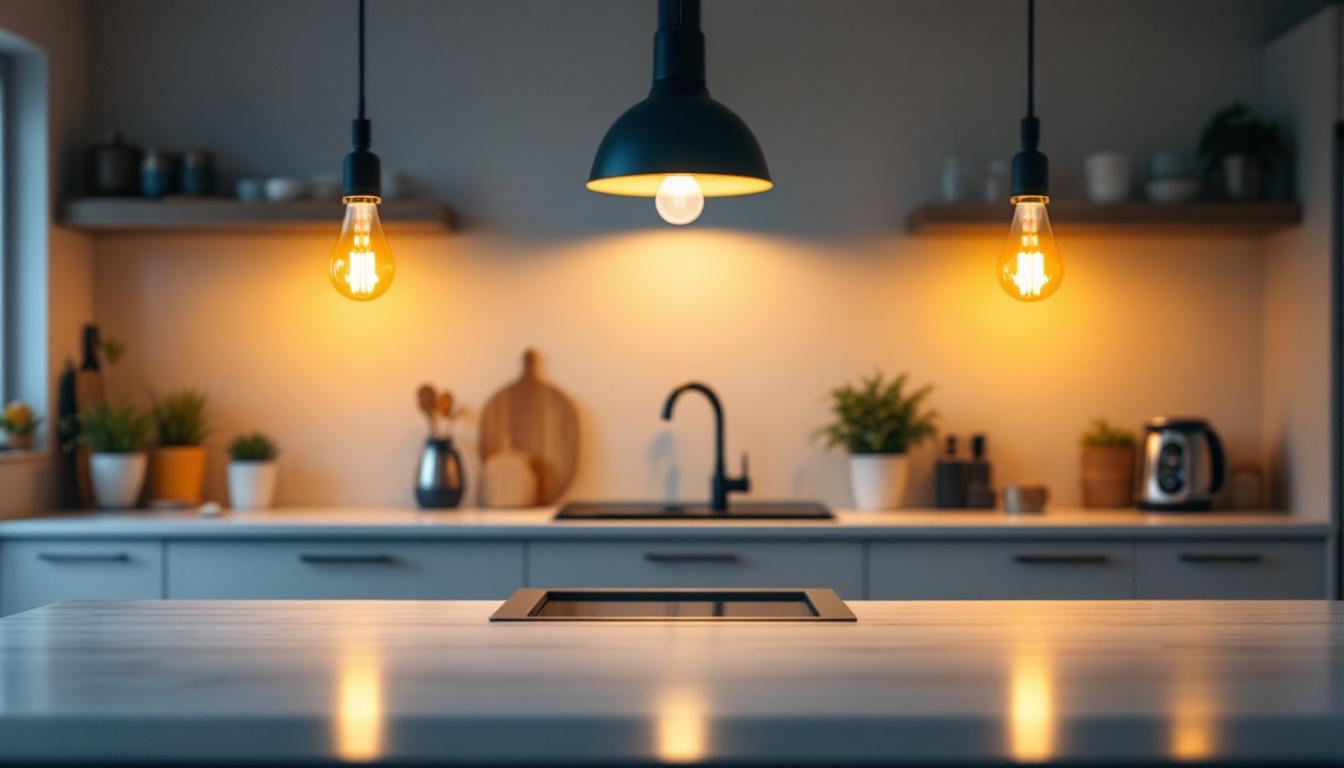
Contractors should assess the kitchen’s layout and the specific tasks performed in different areas to determine the required brightness. For instance, areas like countertops and islands may need brighter lighting compared to ambient spaces. Task lighting, such as under-cabinet lights, can illuminate work surfaces effectively, while pendant lights over an island can add both brightness and style. Furthermore, layering different types of lighting—ambient, task, and accent—can create a dynamic environment that enhances both the aesthetic appeal and the practicality of the kitchen space.
Choosing the Right Bulbs for Different Kitchen Areas
Different areas of the kitchen serve various functions, necessitating tailored lighting solutions. From task lighting to ambient lighting, understanding the needs of each zone can enhance the overall effectiveness of the lighting design.
Task Lighting
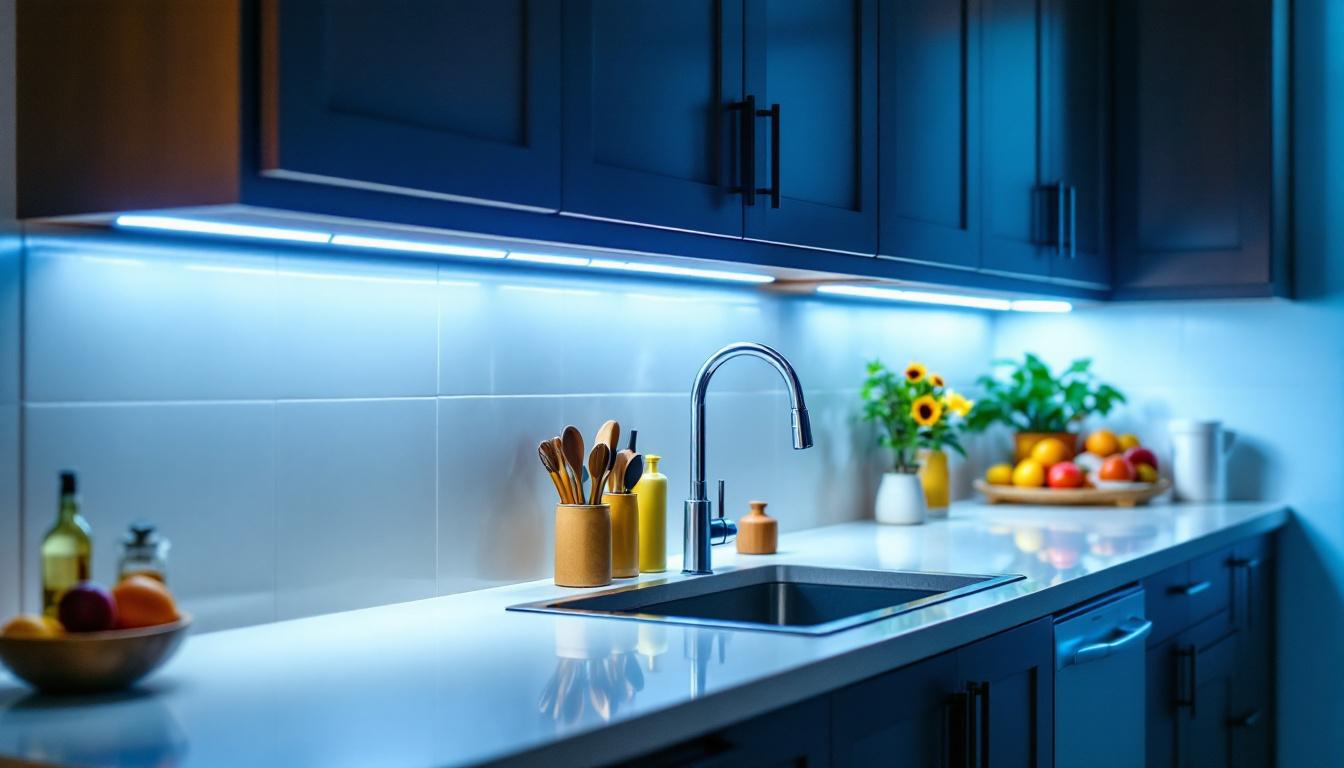
Task lighting is essential for areas where specific activities take place, such as cooking, chopping, and cleaning. Under-cabinet lights, pendant lights over islands, and focused ceiling fixtures are common choices for task lighting.
LED bulbs are often favored in these settings due to their brightness and energy efficiency. Additionally, dimmable options can provide flexibility, allowing users to adjust the lighting according to the task at hand. For instance, when preparing a meal, a brighter setting can help illuminate the details of chopping vegetables, while a softer light can create a more relaxed atmosphere during family dinners. Furthermore, the placement of task lighting is crucial; ensuring that light is directed onto work surfaces can minimize shadows and enhance visibility, making cooking and cleaning tasks safer and more efficient.
Ambient Lighting
Ambient lighting serves as the general illumination of the kitchen, creating a comfortable and inviting atmosphere. Ceiling-mounted fixtures, chandeliers, and recessed lights are popular choices for ambient lighting.
When selecting bulbs for ambient lighting, consider using soft white or warm white LED bulbs to create a cozy environment. The goal is to ensure that the space feels welcoming while providing adequate light for movement and interaction. Layering ambient lighting with additional sources, such as under-cabinet lights or floor lamps, can add depth to the overall lighting scheme. This approach not only enhances the visual appeal of the kitchen but also allows for a more versatile space, accommodating everything from lively gatherings to quiet family breakfasts.
Accent Lighting
Accent lighting adds depth and interest to the kitchen, highlighting architectural features, artwork, or decorative elements. This type of lighting can be achieved through track lighting, wall sconces, or even decorative pendant lights.
For accent lighting, consider using bulbs with a higher color rendering index (CRI). A CRI of 90 or above will ensure that colors appear vibrant and true to life, enhancing the kitchen’s overall aesthetic appeal. Incorporating accent lighting can also draw attention to unique design elements, such as a beautifully tiled backsplash or a collection of cookbooks displayed on open shelves. By strategically placing accent lights, homeowners can create focal points that not only showcase personal style but also contribute to the kitchen’s functionality, making it a space that is both practical and visually stunning.
Energy Efficiency and Sustainability
In today’s environmentally conscious world, energy efficiency is a significant consideration in lighting projects. The choice of light bulbs can greatly influence energy consumption and sustainability in kitchen design. As homeowners become more aware of their carbon footprints, the demand for eco-friendly solutions continues to rise, prompting manufacturers to innovate and improve their products.
LED Bulbs as a Sustainable Option
LED bulbs have emerged as the go-to choice for energy-efficient lighting. They consume significantly less energy than incandescent and fluorescent bulbs, translating into lower electricity bills and reduced environmental impact. This shift towards LED technology not only benefits individual households but also contributes to a broader movement towards sustainable living, as widespread adoption can lead to substantial reductions in overall energy demand.
Moreover, LED bulbs have a longer lifespan, often lasting up to 25,000 hours or more. This longevity reduces the frequency of replacements, contributing to less waste and a more sustainable approach to kitchen lighting. Additionally, many LED options are now available in a variety of styles, allowing homeowners to choose designs that complement their kitchen aesthetics while still being energy-efficient. The versatility of LED lighting also extends to color options, enabling users to create different moods and ambiances in their kitchens without sacrificing efficiency.
Smart Lighting Solutions
Smart lighting technology is another avenue for enhancing energy efficiency. Smart bulbs can be controlled remotely, allowing users to adjust brightness, color temperature, and even set schedules for when lights should be on or off. This level of control not only provides convenience but also empowers homeowners to optimize their energy usage based on their daily routines and preferences.
Incorporating smart lighting into kitchen designs can lead to significant energy savings. For example, lights can be programmed to turn off automatically when the kitchen is not in use, further reducing energy consumption. Furthermore, many smart lighting systems can integrate with home automation platforms, enabling users to create scenes that adjust multiple lights simultaneously, enhancing both functionality and efficiency. As technology advances, features such as motion sensors and daylight harvesting are becoming more common, allowing kitchens to utilize natural light effectively while minimizing reliance on artificial lighting during the day.
Common Mistakes to Avoid When Choosing Kitchen Light Bulbs
While selecting light bulbs may seem straightforward, several common pitfalls can lead to unsatisfactory results. Awareness of these mistakes can help contractors make better choices for their clients.
Overlooking Color Temperature
One of the most frequent mistakes is neglecting to consider color temperature. Choosing bulbs solely based on brightness without regard for warmth can result in a kitchen that feels sterile or uninviting.
Contractors should encourage clients to test different color temperatures in their kitchen spaces before making a final decision. This approach ensures that the selected bulbs align with the desired atmosphere of the kitchen.
Ignoring Dimming Options
Another common oversight is failing to incorporate dimming options into the lighting design. Dimmable bulbs provide versatility, allowing users to adjust the lighting based on the time of day or specific activities.
By including dimmable options in the kitchen, contractors can enhance the functionality of the space, making it suitable for both cooking and entertaining.
Neglecting Compatibility with Fixtures
Compatibility between bulbs and fixtures is crucial for optimal performance. Using bulbs that exceed the wattage rating of a fixture can lead to overheating and potential safety hazards.
Contractors should always verify that the chosen bulbs are compatible with the fixtures being used, ensuring safety and longevity in the kitchen lighting design.
Conclusion: The Essential Role of Light Bulbs in Kitchen Lighting Projects
In conclusion, light bulbs are a vital component of kitchen lighting projects, often overlooked in favor of more visible elements like fixtures and layouts. The right choice of bulbs can enhance functionality, improve energy efficiency, and create a welcoming atmosphere.
By understanding the different types of bulbs, their characteristics, and the specific needs of various kitchen areas, contractors can ensure that their lighting designs are both practical and aesthetically pleasing. Ultimately, investing time and thought into selecting the right light bulbs can transform a kitchen into a vibrant and inviting space.
Illuminate Your Kitchen Projects with LumenWholesale
Ready to elevate your kitchen lighting designs with the perfect light bulbs? At LumenWholesale, we offer an extensive selection of top-quality, spec-grade lighting products at unbeatable wholesale prices. Say goodbye to inflated markups and hello to superior lighting that meets the highest industry standards. With free shipping on bulk orders, you can get premium lighting at the best value — all without hidden fees or compromises. Enhance the functionality, efficiency, and ambiance of your kitchen spaces with LumenWholesale. Discover our wholesale lighting collection now and bring your lighting projects to life.