As the demand for energy-efficient lighting solutions continues to rise, solar lamps equipped with motion sensors have emerged as a popular choice among contractors and homeowners alike. These innovative fixtures not only provide illumination but also enhance security and reduce energy consumption. This guide aims to equip lighting contractors with essential knowledge about solar lamps with motion sensors, covering their benefits, installation considerations, and best practices.
Understanding Solar Lamps with Motion Sensors
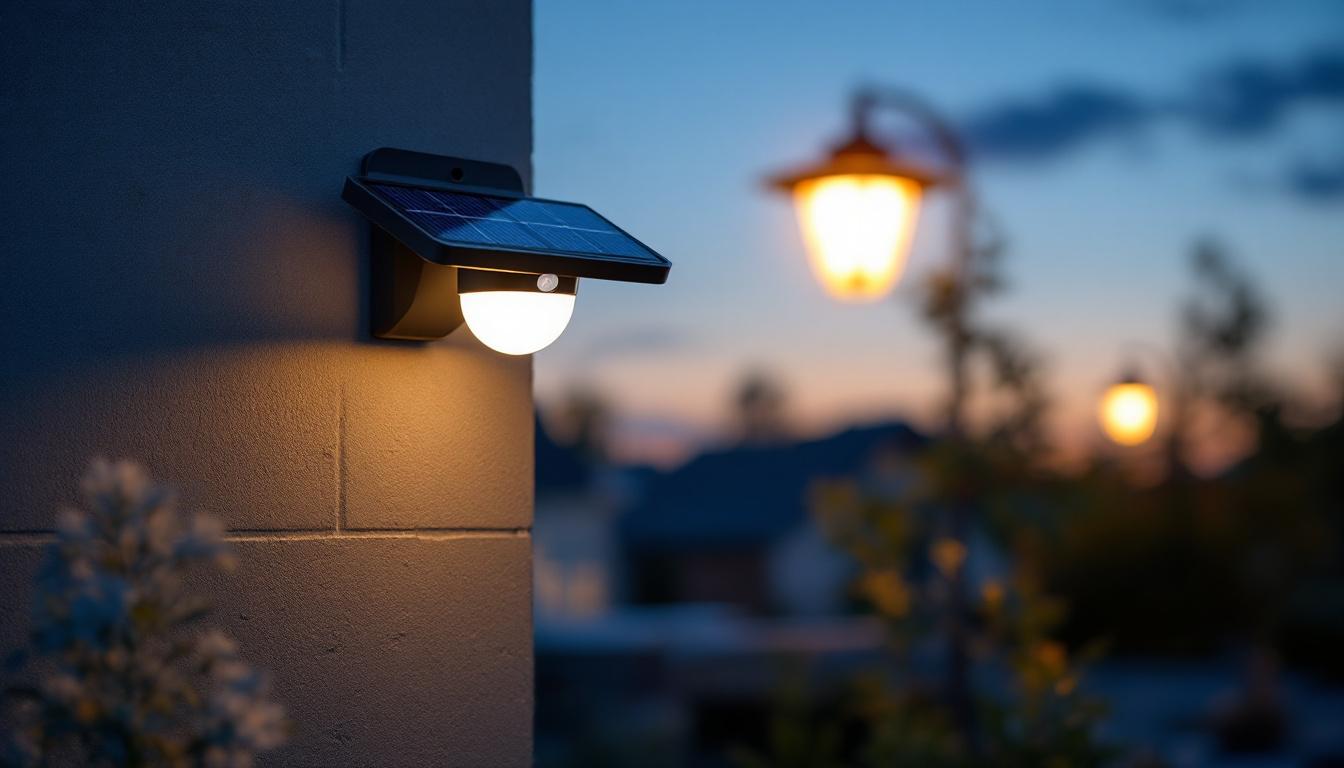
Solar lamps with motion sensors are outdoor lighting fixtures that harness solar energy to power LED lights. The integration of motion sensors allows these lamps to activate automatically when movement is detected, providing light only when necessary. This feature not only conserves energy but also extends the lifespan of the lamp.
How They Work
These solar lamps typically consist of a solar panel, rechargeable battery, LED light source, and motion sensor. During the day, the solar panel absorbs sunlight, converting it into energy that charges the battery. Once night falls, the motion sensor monitors the surrounding area. When it detects movement, the lamp illuminates, providing instant light to the vicinity.
Benefits of Solar Lamps with Motion Sensors
The advantages of installing solar lamps with motion sensors are manifold. First and foremost, they contribute to energy savings, as they rely on renewable solar energy rather than electricity from the grid. Additionally, the motion sensor feature enhances security by illuminating dark areas when movement is detected, deterring potential intruders.
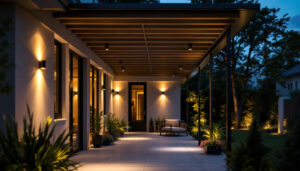
Furthermore, these lamps are typically easy to install, requiring no electrical wiring, which can save contractors both time and labor costs. Their versatility allows them to be used in various settings, from residential properties to commercial spaces. For instance, homeowners can enhance their garden paths or driveways, while businesses can illuminate parking lots or entryways, ensuring safety and visibility for customers and employees alike.
Moreover, many solar lamps with motion sensors come equipped with adjustable settings, allowing users to customize the sensitivity and duration of the light. This adaptability means that they can be fine-tuned to suit specific environments, whether it’s a bustling urban area or a quiet rural setting. Additionally, advancements in technology have led to the development of models that can withstand harsh weather conditions, ensuring reliable performance year-round. With the growing emphasis on sustainability, these lamps not only provide practical benefits but also align with eco-friendly practices, making them an increasingly popular choice among environmentally-conscious consumers.
Key Features to Consider
When selecting solar lamps with motion sensors for installation, contractors should consider several key features to ensure optimal performance and customer satisfaction.
Brightness and Light Output
Brightness is a critical factor in selecting solar lamps. Measured in lumens, the light output should be sufficient to illuminate the intended area effectively. For pathways and driveways, lamps with a lumen output of 300 to 800 are generally adequate, while larger areas may require fixtures with higher lumens.
Contractors should also consider the color temperature of the LED lights. Warmer tones (around 2700K to 3000K) create a welcoming atmosphere, while cooler tones (above 4000K) are often preferred for security purposes, as they mimic daylight. The choice of color temperature can significantly affect not just visibility but also the mood of the space, making it essential to align the lighting with the intended use of the area.
Furthermore, the angle of light distribution is another important aspect to consider. A wider beam angle can provide more coverage, reducing the number of fixtures needed for adequate illumination. This can be particularly beneficial in larger outdoor spaces, where strategic placement can enhance both safety and aesthetics.
Battery Capacity and Runtime
The battery capacity directly influences how long the solar lamp can operate after sunset. A larger capacity battery will store more energy, allowing the lamp to function for extended periods, especially during cloudy days or in winter months when sunlight is limited.
Typically, a good solar lamp should provide at least 8 to 12 hours of light after a full day of charging. Contractors should evaluate the battery type as well; lithium-ion batteries tend to offer better performance and longevity compared to lead-acid batteries. Additionally, some advanced models come equipped with smart features that allow for adjustable brightness settings, which can help conserve battery life while still providing sufficient illumination when needed.
It’s also worth noting that the charging time of the battery can vary significantly between models. A solar lamp that charges quickly can be particularly advantageous in regions with fluctuating weather patterns, ensuring that the lamp is ready for use even after a brief period of sunlight.
Durability and Weather Resistance
Given that solar lamps are designed for outdoor use, durability is paramount. Contractors should look for lamps made from high-quality materials that can withstand various weather conditions, including rain, snow, and extreme temperatures. An IP rating (Ingress Protection) can indicate the level of water and dust resistance, with IP65 or higher being ideal for outdoor applications.
Additionally, UV-resistant materials will prevent fading and degradation over time, ensuring that the lamp maintains its aesthetic appeal and functionality. The construction quality should also extend to the solar panel itself; panels made from tempered glass are often more resilient against impacts and harsh weather than those made from plastic.
Moreover, the design of the lamp should facilitate easy maintenance. Features such as removable battery compartments or replaceable bulbs can extend the lifespan of the installation, making it easier for contractors to service the units without needing to replace the entire fixture. This not only enhances customer satisfaction but also promotes sustainability by reducing waste.
Installation Considerations
Proper installation is crucial for the optimal performance of solar lamps with motion sensors. Contractors should adhere to specific guidelines to ensure that the lamps function effectively and meet client expectations.
Optimal Placement
To maximize the effectiveness of solar lamps, placement is key. Contractors should install lamps in areas that receive direct sunlight for most of the day, as this will ensure the batteries charge adequately. Avoiding shaded areas from trees, buildings, or other obstructions is essential for optimal solar energy absorption.
Furthermore, the height and angle of installation can impact the motion sensor’s effectiveness. Typically, mounting the lamp at a height of 6 to 8 feet allows for a wider detection range while minimizing false triggers from small animals or moving foliage.
Wiring and Connectivity
One of the significant advantages of solar lamps is that they require no electrical wiring. However, ensuring that the solar panel is positioned correctly to receive sunlight is essential. If the lamp features a separate solar panel, contractors should ensure that the connecting cable is adequately secured and protected from potential damage.
In some cases, contractors may need to consider additional components, such as extension cables or mounting brackets, to facilitate proper installation. It’s advisable to follow the manufacturer’s guidelines for installation to avoid any issues that could affect performance.
Maintenance and Troubleshooting
While solar lamps with motion sensors are generally low-maintenance, periodic checks can help ensure their longevity and functionality. Contractors should advise clients on basic maintenance practices to keep the lamps in optimal condition.
Regular Cleaning
Dust, dirt, and debris can accumulate on the solar panel, reducing its efficiency. Regular cleaning with a soft cloth and mild detergent can help maintain optimal performance. Contractors should recommend that clients clean the solar panel at least once every few months, especially in areas prone to dust or pollen.
Additionally, checking the LED lights for any signs of damage or burnout is essential. Replacing bulbs promptly will ensure that the lamp continues to provide adequate illumination.
Troubleshooting Common Issues
Occasionally, solar lamps may experience issues such as dim lighting or failure to turn on. Contractors should be prepared to troubleshoot these common problems. A dim light may indicate that the solar panel is not receiving enough sunlight, or the battery may be nearing the end of its life.
If a lamp fails to turn on, checking the motion sensor’s sensitivity settings and ensuring that the lamp is not obstructed can often resolve the issue. In some cases, replacing the battery may be necessary if it no longer holds a charge.
Client Education and Best Practices
Educating clients about the features and benefits of solar lamps with motion sensors can enhance their satisfaction and promote long-term use. Contractors should provide clear instructions on how to operate and maintain the lamps effectively.
Understanding Motion Sensor Settings
Many solar lamps come with adjustable motion sensor settings, allowing users to customize the sensitivity and duration of the light. Contractors should explain these settings to clients, helping them understand how to optimize the lamp’s performance based on their specific needs.
For instance, a higher sensitivity setting may be ideal for areas with frequent foot traffic, while a lower setting may be more appropriate for less active spaces. Educating clients on these options can lead to better user experiences and satisfaction.
Encouraging Responsible Use
Contractors should also encourage clients to use solar lamps responsibly. For instance, advising them to keep the area around the lamp clear of obstructions can enhance the effectiveness of the motion sensor. Additionally, clients should be informed about the importance of ensuring that the solar panel remains unobstructed to maximize energy absorption.
By fostering a sense of ownership and responsibility, clients are more likely to appreciate the value of their solar lamps and invest in their maintenance.
Conclusion
Solar lamps with motion sensors represent a significant advancement in outdoor lighting technology, offering energy efficiency, security, and convenience. For lighting contractors, understanding the features, installation considerations, and maintenance practices associated with these lamps is essential for providing high-quality service to clients.
By educating clients and ensuring proper installation, contractors can enhance the longevity and performance of solar lamps, ultimately leading to satisfied customers and a successful business. As the market for sustainable lighting solutions continues to grow, embracing solar technology will position contractors as leaders in the industry.
Illuminate Your Projects with LumenWholesale
Ready to elevate your lighting installations with the efficiency and innovation of solar lamps with motion sensors? At LumenWholesale, we provide lighting contractors with the highest quality, spec-grade lighting solutions at unbeatable wholesale prices. Our extensive selection is designed to meet the most rigorous industry standards, ensuring you deliver reliable and high-performance lighting to every client. Take advantage of our hassle-free bulk buying process, complete with free shipping, and secure the best value for your lighting needs. Don’t let hidden fees or inflated markups dim your project’s potential. Choose LumenWholesale for a seamless blend of quality, affordability, and convenience. Wholesale Lighting at the Best Value is just a click away.