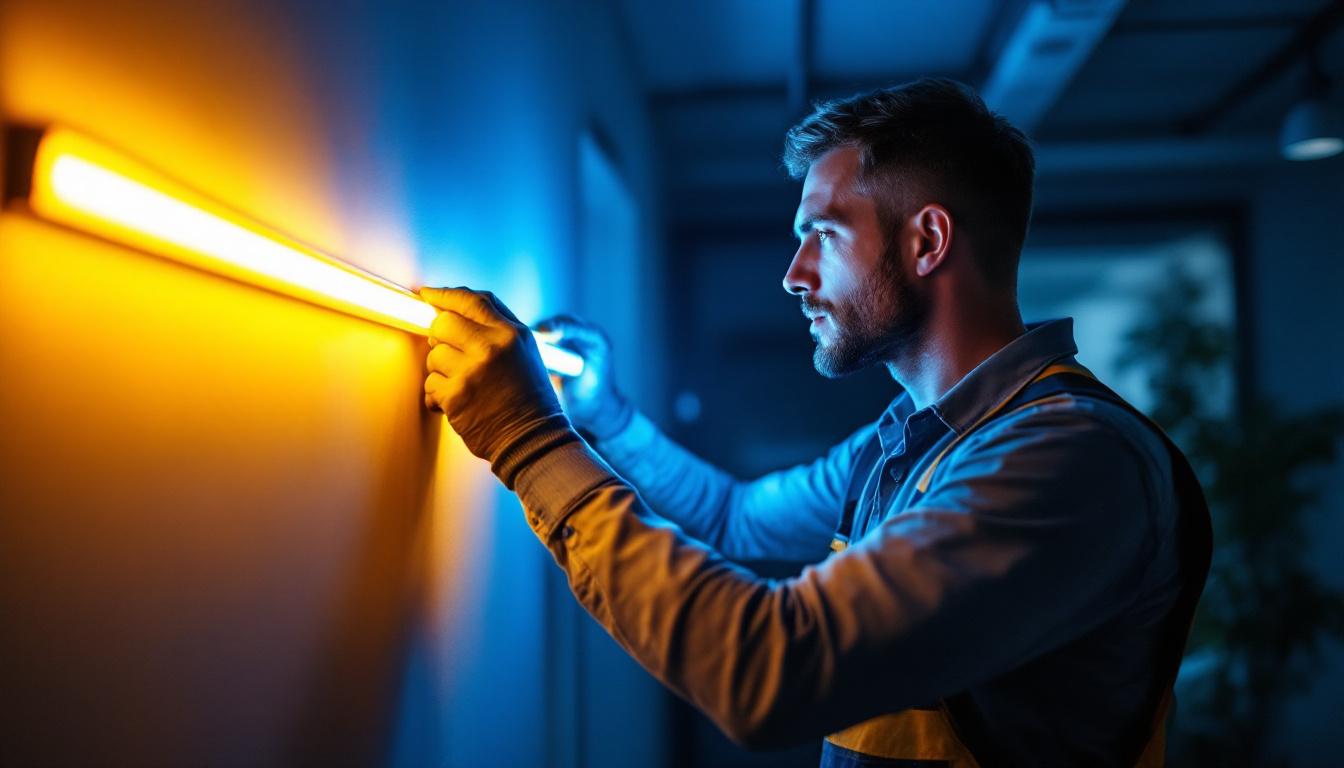
In the ever-evolving world of lighting design, LED lights have emerged as a preferred choice for both residential and commercial applications. Among the various options available, 16-foot LED lights stand out for their versatility and ease of installation. For lighting contractors, mastering the nuances of these lights can significantly enhance project outcomes and client satisfaction. This article delves into essential tips and best practices that every lighting contractor should consider when working with 16-foot LED lights.
Understanding LED Technology
Before diving into practical tips, it is crucial for lighting contractors to have a solid understanding of LED technology. LEDs, or light-emitting diodes, are semiconductor devices that convert electrical energy into light. Their efficiency and longevity make them a popular choice in modern lighting solutions. Unlike traditional bulbs that rely on filaments or gas, LEDs produce light through electroluminescence, which not only enhances their durability but also minimizes heat production, making them safer to use in various applications.
The Advantages of LED Lights
One of the primary advantages of LED lights is their energy efficiency. Compared to traditional incandescent bulbs, LEDs consume significantly less power, which translates to lower energy bills for clients. Additionally, they have a longer lifespan, often lasting up to 25,000 hours or more, reducing the frequency of replacements. This longevity not only benefits homeowners but also contributes to a decrease in waste, making LEDs a more environmentally friendly option.
Another benefit is their versatility in design and application. LED lights come in various colors and intensities, making them suitable for a wide range of settings, from ambient lighting in homes to task lighting in commercial spaces. Moreover, many LED fixtures are now equipped with smart technology, allowing for remote control and customization of lighting schemes. Understanding these advantages allows contractors to better inform clients and tailor solutions to their specific needs, ensuring that each installation meets the unique requirements of the space.
Common Applications for 16-Foot LED Lights
16-foot LED lights are particularly popular in both residential and commercial environments. In residential settings, they can be used for accent lighting in living rooms, under kitchen cabinets, or along hallways. Their length allows for seamless integration into various architectural features, providing a continuous light source that enhances aesthetics. For instance, when installed above kitchen islands, they can create a warm and inviting atmosphere, perfect for family gatherings or entertaining guests.
In commercial spaces, these lights are often used for signage, display lighting, and even in warehouses for general illumination. Their adaptability makes them an essential tool in a contractor’s arsenal, enabling them to meet diverse client demands. Additionally, the ability to customize the color temperature of LED lights means that businesses can create the desired ambiance for their brand, whether it’s a bright, energizing white for a retail store or a softer, warmer tone for a restaurant. This flexibility not only enhances the visual appeal of a space but also plays a crucial role in influencing customer behavior and satisfaction.
Installation Best Practices
Proper installation is critical to maximizing the performance and longevity of LED lights. Here are some best practices that lighting contractors should follow when installing 16-foot LED lights.
Planning the Layout
Before installation, it is essential to plan the layout carefully. Consider the intended use of the space and how the lighting will enhance functionality and aesthetics. Take measurements to determine the optimal placement of the lights, ensuring even distribution and avoiding dark spots.
Using design software can aid in visualizing the final outcome, allowing for adjustments before any physical installation takes place. This step is crucial for client satisfaction and can save time and resources in the long run.
Choosing the Right Mounting Method
When it comes to mounting 16-foot LED lights, contractors have several options, including surface mounting, recessed mounting, and hanging fixtures. The choice of mounting method will depend on the specific application and the desired visual effect.
Surface mounting is straightforward and often preferred for its ease of installation. However, recessed mounting can provide a sleek, integrated look that is ideal for modern interiors. Hanging fixtures, on the other hand, can create a dramatic effect, especially in high-ceiling spaces. Understanding the pros and cons of each method will help contractors make informed decisions that align with client preferences.
Ensuring Proper Electrical Connections
Electrical connections are a critical aspect of LED installation. Contractors must ensure that all connections are secure and compliant with local electrical codes. This not only guarantees safety but also optimizes the performance of the lights.
Using connectors and wiring that are rated for the specific voltage and current of the LED lights is essential. Additionally, it is advisable to use a surge protector to safeguard the lights from voltage spikes, which can significantly extend their lifespan.
Enhancing Performance with Accessories
Incorporating accessories can enhance the performance and functionality of 16-foot LED lights. Here are some accessories that lighting contractors should consider.
Dimmers and Smart Controls
Dimmers allow users to adjust the brightness of LED lights, providing flexibility for different activities and moods. Installing dimmer switches can greatly enhance the user experience, making spaces more versatile.
Smart controls, including smartphone apps and voice-activated systems, are becoming increasingly popular. These systems enable users to control their lighting remotely, set schedules, and even change colors, adding a layer of convenience and customization. Contractors should familiarize themselves with these technologies to offer clients modern, efficient solutions.
Diffusers and Lenses
Using diffusers can help soften the light emitted by LED strips, creating a more pleasant ambiance. This is particularly important in residential settings where harsh lighting can be uninviting. Diffusers also help to distribute light evenly, reducing hotspots and glare.
Lenses can also be used to focus or spread light, depending on the desired effect. Understanding how to use these accessories effectively can elevate a contractor’s work and provide clients with tailored lighting solutions.
Energy Efficiency Considerations
Energy efficiency is a significant selling point for LED lights, and contractors should be well-versed in how to maximize this feature. Here are some strategies to consider.
Calculating Energy Savings
Contractors should be prepared to calculate the energy savings that clients can expect from switching to LED lights. This involves comparing the wattage of traditional lighting solutions with that of LED options. Providing clients with a clear breakdown of potential savings can help them make informed decisions.
Additionally, contractors should be aware of any local incentives or rebates for energy-efficient lighting solutions. This information can be invaluable for clients looking to reduce upfront costs while investing in long-term savings.
Promoting Sustainable Practices
As sustainability becomes increasingly important, lighting contractors can position themselves as leaders in eco-friendly practices. Promoting the use of LED lights not only reduces energy consumption but also minimizes waste due to their long lifespan.
Contractors can further enhance their sustainability efforts by offering recycling options for old lighting fixtures and educating clients about responsible disposal methods. This commitment to sustainability can set a contractor apart in a competitive market.
Common Challenges and Solutions
While working with 16-foot LED lights, contractors may encounter various challenges. Being prepared with solutions can ensure smooth project execution.
Dealing with Color Consistency
One common issue with LED lights is color consistency. Different batches of LEDs may emit slightly different hues, leading to an uneven appearance when installed together. Contractors should source all materials from the same manufacturer and batch to minimize this risk.
Additionally, testing lights before installation can help identify any discrepancies. Providing clients with samples can also ensure that they are satisfied with the color temperature before committing to a full installation.
Managing Heat Dissipation
Although LED lights are more efficient than traditional bulbs, they still produce some heat. Proper heat management is essential to maintaining performance and longevity. Contractors should ensure that fixtures are adequately ventilated and not enclosed in spaces that could trap heat.
Using heat sinks can also help dissipate heat effectively. Educating clients about the importance of heat management can prevent potential issues and enhance the overall performance of the lighting system.
Maintaining Client Relationships
Building and maintaining strong relationships with clients is vital for any lighting contractor. Here are some strategies to foster trust and satisfaction.
Providing Exceptional Customer Service
Exceptional customer service goes a long way in establishing a positive reputation. Contractors should be responsive to client inquiries, provide clear communication throughout the project, and be willing to address any concerns that arise.
Offering post-installation support, such as troubleshooting and maintenance tips, can further enhance client relationships. Clients appreciate contractors who go above and beyond to ensure their satisfaction.
Soliciting Feedback
After completing a project, contractors should actively seek feedback from clients. This not only demonstrates a commitment to improvement but also provides valuable insights into areas for growth. Clients who feel heard and valued are more likely to recommend the contractor to others.
Implementing feedback can also help refine processes and enhance service offerings, ultimately leading to better project outcomes.
Conclusion
Mastering the use of 16-foot LED lights is essential for lighting contractors looking to enhance their service offerings and client satisfaction. By understanding LED technology, adhering to best installation practices, and incorporating energy-efficient solutions, contractors can position themselves as experts in the field.
Moreover, addressing common challenges and maintaining strong client relationships will contribute to long-term success. As the demand for innovative lighting solutions continues to grow, staying informed and adaptable will ensure that contractors remain at the forefront of the industry.
Get Your Premium 16-Foot LED Lights at LumenWholesale
Ready to elevate your lighting projects with the best 16-foot LED lights on the market? Look no further than LumenWholesale, where we offer spec-grade lighting products that combine quality, affordability, and convenience. Say goodbye to local distributor markups and hello to our unbeatable wholesale prices, with the added benefit of free shipping on bulk orders. Don’t compromise on performance—choose LumenWholesale for reliable, high-performance lighting that meets the highest industry standards. Take the first step towards enhancing your service offerings and client satisfaction. Wholesale Lighting at the Best Value is just a click away.