Streetlight poles play a crucial role in urban infrastructure, serving not only as a support for lighting fixtures but also as a significant factor in energy efficiency. As cities evolve and the demand for sustainable solutions increases, understanding the impact of streetlight poles on energy consumption becomes imperative for lighting contractors and urban planners alike.
The Role of Streetlight Poles in Urban Lighting
Streetlight poles are more than mere supports for lights; they are integral components of the urban landscape that influence both functionality and aesthetics. Their design, height, and placement can significantly affect how effectively light is distributed across a given area.
Design Considerations
When selecting streetlight poles, several design considerations come into play. The height of the pole, for instance, determines the spread of light. Taller poles can illuminate larger areas but may lead to light pollution if not properly designed. Conversely, shorter poles can reduce light spillage but may not provide adequate coverage for wider streets.
Moreover, the material of the pole can influence energy efficiency. Poles made from durable materials such as aluminum or galvanized steel not only have a longer lifespan but also require less maintenance, which can lead to reduced energy consumption over time. Additionally, the aesthetic design of the poles can reflect the character of the neighborhood. For instance, decorative poles with artistic elements can enhance the visual appeal of historic districts, while sleek, modern designs may better suit contemporary urban areas. This blend of functionality and style is essential in creating a cohesive urban environment that resonates with its inhabitants.
Placement and Spacing
The strategic placement of streetlight poles is critical for maximizing energy efficiency. Proper spacing between poles ensures that light is evenly distributed, reducing the need for additional fixtures. This not only conserves energy but also minimizes operational costs.
Lighting contractors must consider factors such as road width, pedestrian traffic, and surrounding structures when determining pole placement. An optimized layout can significantly enhance visibility while minimizing energy waste. Furthermore, incorporating smart lighting technology into streetlight poles can revolutionize urban lighting. These systems can adjust brightness based on real-time conditions, such as the presence of pedestrians or vehicles, thereby enhancing safety while further reducing energy consumption. This adaptability not only improves the overall functionality of urban lighting but also contributes to sustainability goals in cities striving to reduce their carbon footprint.
Energy-Efficient Lighting Technologies
The evolution of lighting technology has dramatically transformed the landscape of street lighting. Traditional incandescent bulbs are being replaced by more energy-efficient alternatives such as LEDs, which offer numerous advantages in terms of energy consumption and longevity.
Benefits of LED Lighting
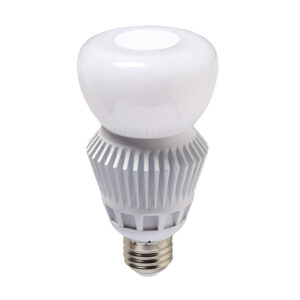
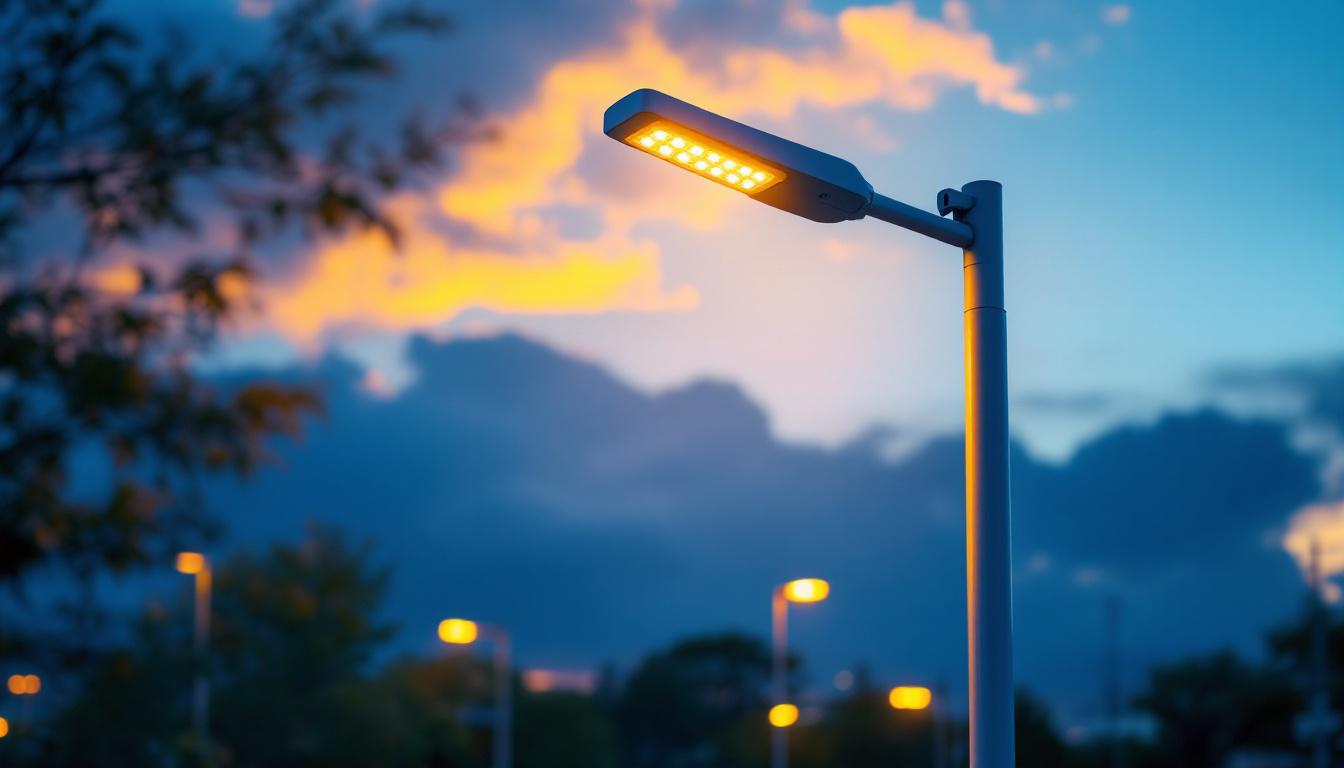
LED streetlights consume significantly less energy compared to traditional lighting options. They convert a higher percentage of electricity into light, resulting in lower energy bills for municipalities. Additionally, LEDs have a longer lifespan, which reduces the frequency of replacements and the associated costs of maintenance.
Moreover, the ability to control LED lighting through smart technology allows for further energy savings. Dimming capabilities and motion sensors can adjust lighting levels based on real-time needs, ensuring that energy is not wasted during low-traffic periods.
Furthermore, the environmental impact of switching to LED lighting cannot be overstated. By reducing energy consumption, cities can decrease their carbon footprint significantly. This transition not only aligns with global sustainability goals but also promotes healthier urban environments. The lower heat output of LEDs contributes to reduced urban heat islands, making cities more comfortable during hot weather.
Smart Lighting Solutions
Integrating smart lighting solutions into streetlight poles can further enhance energy efficiency. Smart systems can monitor environmental conditions and adjust lighting accordingly. For instance, during periods of high pedestrian activity, lights can brighten, while they can dim during quieter times.
This adaptability not only contributes to energy savings but also improves safety and security in urban areas. By investing in smart technology, cities can create a more responsive and efficient lighting infrastructure. Additionally, these smart systems can be integrated with other urban technologies, such as traffic management systems and emergency response networks, allowing for a holistic approach to city management. For example, in the event of an emergency, streetlights can automatically adjust to provide optimal visibility for first responders, enhancing public safety and response times.
Environmental Impact of Streetlight Poles
The environmental implications of streetlight poles extend beyond energy consumption. The materials used, the production processes, and the overall carbon footprint associated with street lighting systems are all critical factors that lighting contractors must consider. As urban areas continue to expand, the need for effective and sustainable lighting solutions has never been more pressing. This necessitates a comprehensive understanding of how streetlight infrastructure can be optimized to minimize its ecological footprint while still meeting the demands of urban safety and aesthetics.
Material Sustainability
Choosing sustainable materials for streetlight poles can significantly reduce the environmental impact of urban lighting. Recycled materials, for example, can minimize the need for new resources and reduce waste. Additionally, poles designed for longevity can decrease the frequency of replacements, further conserving resources. Innovative materials such as composite plastics and bamboo are emerging as viable alternatives, offering both durability and a lower environmental impact compared to traditional metals and concrete.
Contractors should also consider the entire lifecycle of the materials used, from production to disposal. Opting for environmentally friendly options can contribute to a more sustainable urban environment and align with the growing emphasis on green infrastructure. Furthermore, engaging in local sourcing of materials can reduce transportation emissions and support regional economies, creating a more resilient supply chain. By prioritizing sustainability in material selection, cities can foster a culture of environmental responsibility that resonates with residents and stakeholders alike.
Reducing Light Pollution
Light pollution is a growing concern in urban areas, affecting both human health and local wildlife. The design and placement of streetlight poles can play a significant role in mitigating this issue. Proper shielding and directional lighting can minimize light spillage into residential areas and natural habitats. Additionally, implementing smart lighting technologies, such as adaptive lighting systems that adjust brightness based on pedestrian and vehicular traffic, can further enhance the effectiveness of street lighting while reducing unnecessary illumination.
By addressing light pollution through thoughtful design, cities can promote a healthier environment and enhance the quality of life for residents. This consideration is becoming increasingly important as communities seek to balance urban development with environmental stewardship. Moreover, educational initiatives that raise awareness about the effects of light pollution can empower citizens to advocate for better lighting practices in their neighborhoods. As urban planners and lighting designers collaborate, they can create spaces that not only illuminate but also respect the natural rhythms of both people and wildlife, fostering a harmonious coexistence in our increasingly urbanized world.
Cost-Benefit Analysis of Energy-Efficient Streetlight Poles
Investing in energy-efficient streetlight poles may require a higher upfront cost, but the long-term benefits often outweigh these initial expenses. A comprehensive cost-benefit analysis can provide valuable insights for municipalities and contractors alike.
Initial Investment vs. Long-Term Savings
The initial investment in energy-efficient streetlight poles, particularly those equipped with LED technology and smart features, can be significant. However, the reduction in energy consumption and maintenance costs can lead to substantial savings over time.
Municipalities can often recoup their investment through lower energy bills and reduced maintenance requirements. Additionally, many regions offer incentives and rebates for adopting energy-efficient technologies, further offsetting initial costs.
Enhancing Community Value
Beyond financial considerations, energy-efficient streetlight poles can enhance community value. Well-lit streets contribute to public safety, encouraging pedestrian activity and reducing crime rates. The aesthetic appeal of modern lighting solutions can also improve the overall ambiance of neighborhoods, attracting businesses and residents alike.
Investing in energy-efficient street lighting is not just about cost savings; it’s about fostering vibrant, safe, and sustainable communities. Lighting contractors play a pivotal role in facilitating this transformation by providing innovative solutions tailored to the specific needs of each area.
Future Trends in Streetlight Pole Design
The future of streetlight pole design is poised for innovation, driven by advancements in technology and a growing emphasis on sustainability. As cities continue to evolve, so too will the strategies employed by lighting contractors.
Integration of Renewable Energy Sources
One of the most promising trends in streetlight pole design is the integration of renewable energy sources, such as solar panels. Solar streetlights can operate independently from the grid, reducing reliance on traditional energy sources and lowering operational costs.
These systems can be particularly beneficial in remote areas or locations where extending electrical infrastructure is challenging. By harnessing solar energy, municipalities can create a more resilient and sustainable lighting solution.
Adaptive Lighting Systems
Adaptive lighting systems that respond to environmental changes are also gaining traction. These systems can adjust brightness based on factors such as weather conditions, time of day, and pedestrian activity. By optimizing lighting levels in real-time, cities can enhance energy efficiency while ensuring safety and visibility.
As technology continues to advance, the potential for adaptive lighting systems will only grow, offering exciting opportunities for innovation in streetlight pole design.
Conclusion
The impact of streetlight poles on energy efficiency is profound and multifaceted. From design considerations to the integration of smart technologies, lighting contractors have a unique opportunity to shape the future of urban lighting. By prioritizing energy-efficient solutions, municipalities can not only reduce costs but also enhance the quality of life for residents.
As cities strive for sustainability, the role of streetlight poles will continue to evolve. Embracing innovative technologies and sustainable practices will be key to creating efficient, safe, and aesthetically pleasing urban environments. The journey toward energy efficiency in street lighting is not just a technical challenge; it is a commitment to building better communities for generations to come.
Illuminate Your Projects with LumenWholesale
Ready to take the next step in energy-efficient urban lighting? LumenWholesale is here to support lighting contractors with a vast array of spec-grade lighting products that blend quality with affordability. Say goodbye to inflated markups and hello to unbeatable wholesale prices, all while enjoying the convenience of free shipping on bulk orders. Elevate your lighting projects with our reliable, high-performance solutions designed to meet the highest industry standards. Don’t compromise on quality or value—visit LumenWholesale today and discover the best in wholesale lighting at the best value.