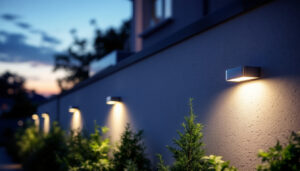
In the realm of outdoor lighting, can lights are a popular choice for their versatility and sleek design. However, to ensure their longevity and optimal performance, it’s crucial to consider the right covers. This article provides valuable insights and quick tips for lighting contractors on selecting and installing outdoor can light covers.
Understanding Outdoor Can Light Covers
Outdoor can light covers serve multiple purposes, from protecting the fixtures from the elements to enhancing the overall aesthetic of a space. These covers can be made from various materials, each offering unique benefits and drawbacks. Familiarity with these options is essential for any lighting contractor aiming to deliver quality installations.
Material Options
When selecting outdoor can light covers, contractors typically encounter several material choices. Common options include plastic, glass, and metal. Each material has its own set of advantages.
Plastic covers are lightweight and resistant to shattering, making them a practical choice for areas prone to impact. However, they may not withstand extreme temperatures as well as other materials. Glass covers, on the other hand, provide a more elegant look and can withstand high temperatures, but they are more fragile. Metal covers offer durability and a modern aesthetic but can be susceptible to rust if not properly treated.
In addition to these common materials, there are also composite options that combine the best features of various substances. For instance, some covers are made from a blend of plastic and metal, providing the lightweight nature of plastic while enhancing durability with metal reinforcements. This hybrid approach can be particularly beneficial in coastal areas where saltwater corrosion is a concern, as these materials can be engineered to resist such environmental factors.
Design Considerations
The design of the cover plays a significant role in the overall effectiveness of the lighting. A well-designed cover can enhance light distribution, reduce glare, and complement the surrounding architecture. Contractors should consider the style of the property and the intended ambiance when selecting covers.
Moreover, the choice of color can impact the light output. Lighter colors tend to reflect more light, while darker colors can absorb it, affecting the brightness of the space. It’s essential to balance aesthetics with functionality for optimal results.
Furthermore, the shape and texture of the cover can also influence both the visual appeal and the performance of the lighting. Textured surfaces can diffuse light more evenly, creating a softer glow that is often desirable in outdoor settings. Conversely, sleek, smooth designs may direct light more intensely, which can be beneficial for security lighting. Contractors should take into account the specific lighting needs of the area, such as whether the goal is to illuminate a pathway or create a cozy outdoor lounge, as this will guide their design choices effectively.
Installation Tips for Outdoor Can Light Covers
Proper installation is key to ensuring that outdoor can light covers function effectively. A poorly installed cover can lead to issues such as water ingress, reduced light output, and increased maintenance costs. Here are some essential tips for contractors to follow during installation.
Sealing and Weatherproofing
One of the most critical aspects of installing outdoor can light covers is ensuring they are adequately sealed. Use weatherproof gaskets or silicone sealant to create a watertight barrier. This step is vital in preventing moisture from entering the fixture, which can lead to electrical failures and corrosion over time.
Additionally, pay attention to the mounting hardware. Using stainless steel or corrosion-resistant screws can significantly extend the life of the installation, especially in coastal areas where saltwater can accelerate rusting. It’s also advisable to inspect the sealing materials periodically, as UV exposure and temperature fluctuations can degrade them over time. Regular maintenance checks can help identify any wear and tear before they lead to significant issues, ensuring that the lighting remains both functional and aesthetically pleasing.
Positioning and Orientation
The positioning of the can lights is another crucial factor. Ensure that the lights are installed at the correct angle to maximize illumination while minimizing glare. This is particularly important in outdoor settings where light pollution can be a concern.
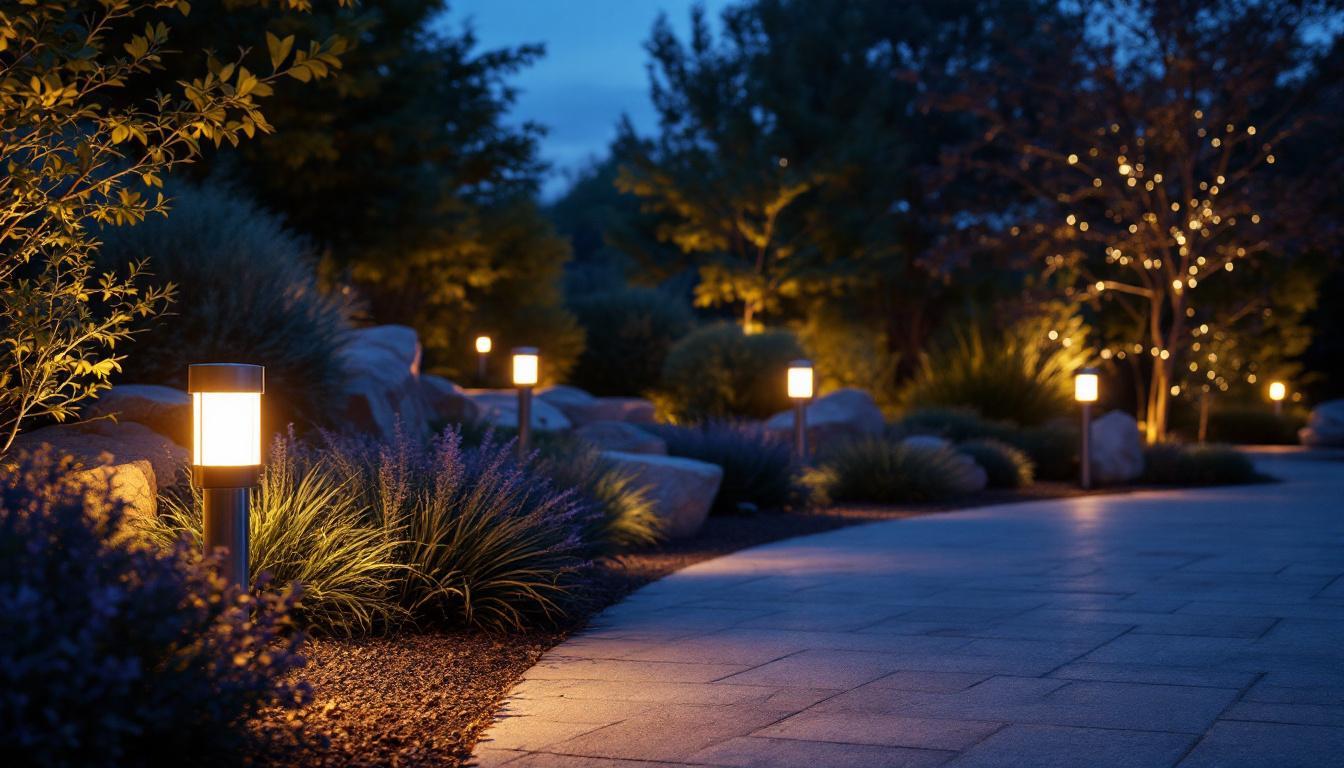
Consider the surrounding landscape and architecture when determining the orientation. For instance, lights aimed at trees or architectural features can create beautiful shadows and enhance the overall ambiance of the space. Additionally, think about the intended use of the area; for example, if the space is meant for entertaining, softer, diffused lighting might be more appropriate, whereas task areas like pathways or driveways may require brighter, more focused beams. Experimenting with different placements and angles can help achieve the perfect balance of functionality and aesthetic appeal, transforming outdoor spaces into inviting environments.
Maintenance of Outdoor Can Light Covers
Regular maintenance is essential for preserving the functionality and appearance of outdoor can light covers. Implementing a routine maintenance schedule can help contractors ensure that their installations remain in top condition. This not only enhances the aesthetic appeal of the property but also maximizes the efficiency of the lighting system, ensuring that outdoor spaces are well-lit and safe for use at night.
Cleaning Techniques
Over time, outdoor can light covers can accumulate dirt, dust, and debris, which can hinder light output. It is advisable to clean the covers periodically, especially after severe weather conditions. Use a soft cloth and a mild detergent to wipe down glass and plastic covers, avoiding abrasive materials that could scratch the surface. For those hard-to-reach areas, consider using a gentle spray of water from a hose, ensuring that the pressure is low enough to avoid damaging the fixtures.
For metal covers, ensure that any signs of rust are addressed promptly. A wire brush can be used to remove rust, followed by a protective coating to prevent further corrosion. Additionally, applying a coat of automotive wax can provide an extra layer of protection against the elements, helping to maintain the shine and durability of the metal finishes.
Inspecting for Damage
Regular inspections are crucial for identifying potential issues before they escalate. Look for cracks, discoloration, or loose fittings that may indicate wear and tear. Addressing these problems early can save time and money in the long run, ensuring the longevity of the installation. It is also beneficial to keep a maintenance log, documenting any issues found and repairs made, which can help track the performance and condition of the lighting fixtures over time.
Additionally, check the electrical components regularly. Ensure that all wiring is intact and that there are no signs of moisture ingress, which could compromise safety and performance. Consider testing the fixtures periodically to ensure they are functioning correctly, and replace any burnt-out bulbs promptly to maintain consistent lighting. Furthermore, evaluate the positioning of the lights; over time, landscaping changes may obstruct light paths, necessitating adjustments to ensure optimal illumination of the intended areas.
Choosing the Right Outdoor Can Light Covers
With numerous options available, selecting the right outdoor can light covers can be a daunting task for contractors. However, by considering specific factors, the selection process can be streamlined.
Assessing Project Requirements
Before selecting covers, it is essential to assess the specific requirements of each project. Consider the location, climate, and intended use of the lighting. For example, areas exposed to heavy rainfall may require more robust sealing solutions.
Additionally, think about the overall design theme of the project. The covers should not only be functional but also complement the aesthetics of the surrounding environment. This consideration can significantly enhance the appeal of the finished project.
Budget Considerations
While quality should never be compromised, budget constraints are a reality for many projects. Contractors should strive to find a balance between cost and quality. Investing in higher-quality covers may yield better long-term results, reducing the need for frequent replacements.
Explore various suppliers and manufacturers to find options that fit within budget while still meeting quality standards. Often, bulk purchasing can lead to significant savings, making it easier to stay within financial constraints.
Common Mistakes to Avoid
Even experienced contractors can fall victim to common pitfalls when it comes to outdoor can light covers. Awareness of these mistakes can help ensure successful installations.
Neglecting Local Codes and Regulations
Each region may have specific codes and regulations regarding outdoor lighting installations. Failing to adhere to these guidelines can lead to costly fines and rework. Contractors should familiarize themselves with local codes and ensure that all installations comply with the necessary standards.
Additionally, obtaining the required permits before starting a project can prevent delays and complications down the line. Always prioritize compliance to maintain a professional reputation.
Overlooking Energy Efficiency
In today’s environmentally conscious market, energy efficiency is more important than ever. Selecting covers that accommodate energy-efficient lighting solutions, such as LED bulbs, can enhance the sustainability of a project.
Contractors should educate themselves on the latest energy-efficient technologies and consider incorporating them into their designs. This not only benefits the environment but can also appeal to clients looking for sustainable solutions.
Conclusion
Outdoor can light covers are a critical component of any outdoor lighting installation. By understanding the various materials, installation techniques, and maintenance requirements, lighting contractors can ensure their projects are successful and long-lasting. Avoiding common mistakes and staying informed about the latest trends will further enhance the quality of installations.
Ultimately, investing time in selecting the right covers and adhering to best practices will lead to satisfied clients and a solid reputation in the industry. With these quick tips, contractors are well-equipped to tackle outdoor can light cover installations with confidence and expertise.
Illuminate Your Projects with LumenWholesale
Ready to elevate your outdoor lighting installations with the finest can light covers? Look no further than LumenWholesale, where we provide lighting contractors with exceptional, spec-grade lighting products at unparalleled wholesale prices. Our commitment to quality and affordability ensures that you can access a wide range of reliable lighting solutions that meet the highest industry standards. Plus, with the convenience of free shipping on bulk orders, you can stock up on premium lighting essentials without worrying about hidden fees. Don’t compromise on quality or value; choose LumenWholesale for your next project. Wholesale Lighting at the Best Value is just a click away.