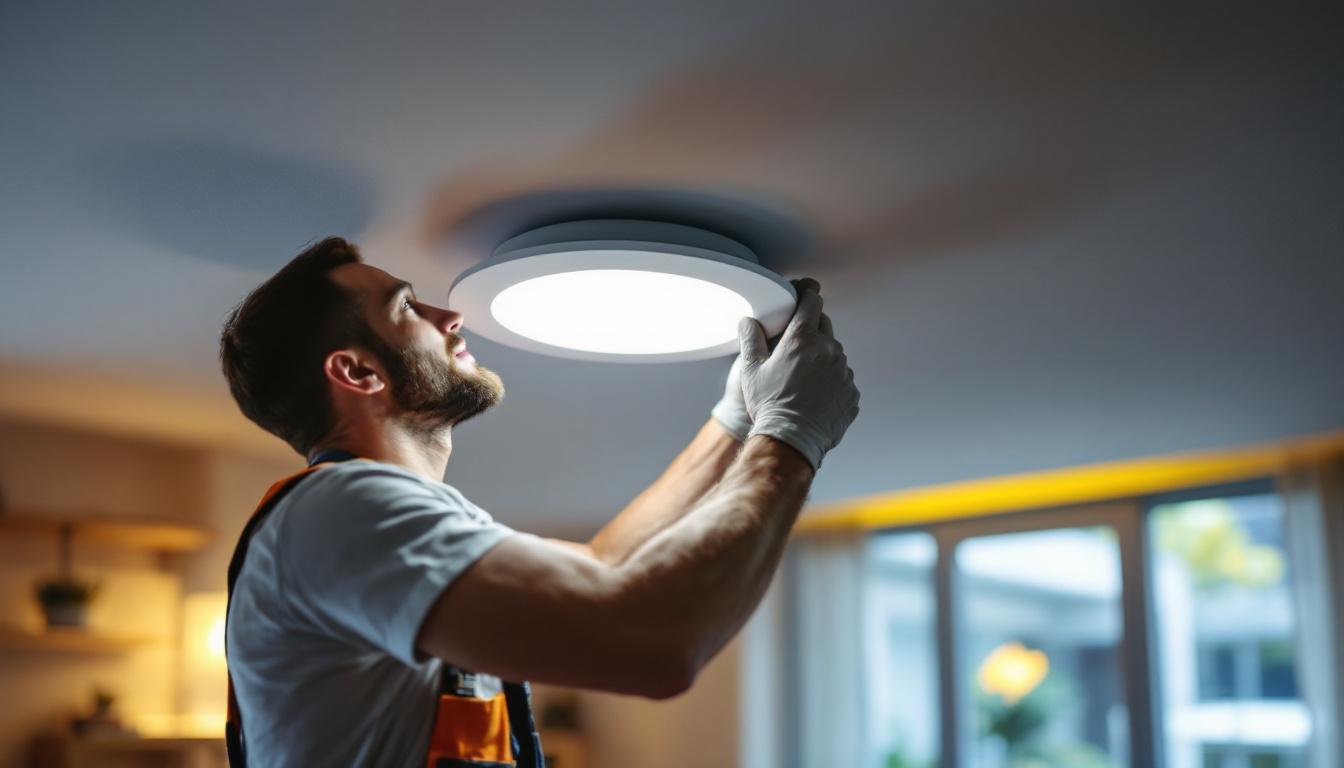
As the lighting industry continues to evolve, the shift from traditional fluorescent bulbs to LED replacement options has become increasingly prominent. For lighting contractors, understanding the nuances of these replacements is essential not only for client satisfaction but also for staying competitive in the market. This article delves into the benefits, installation considerations, and best practices for using LED replacement bulbs for fluorescent fixtures.
Understanding LED Replacement Bulbs
LED replacement bulbs are designed to fit existing fluorescent fixtures, allowing for a seamless transition from older technologies to modern solutions. These bulbs come in various shapes and sizes, making them versatile for different applications. Unlike traditional fluorescent bulbs, LED replacements offer enhanced energy efficiency, longer lifespans, and reduced maintenance costs.
Energy Efficiency and Cost Savings
One of the primary advantages of LED replacement bulbs is their energy efficiency. LEDs consume significantly less power compared to fluorescent bulbs, which translates to lower electricity bills for clients. This efficiency is particularly beneficial in commercial settings where lighting is used extensively. For instance, in retail environments, the ability to maintain bright, inviting spaces while cutting energy costs can lead to increased foot traffic and higher sales.
In addition to energy savings, LED bulbs also have a longer lifespan—often lasting up to 25,000 hours or more. This longevity means fewer replacements, which can significantly reduce maintenance costs over time. For contractors, this is a selling point that can be highlighted when discussing options with clients. Furthermore, the durability of LED technology means they are less prone to breakage, making them ideal for high-traffic areas or installations in hard-to-reach locations.
Environmental Impact
Switching to LED technology not only benefits the wallet but also the environment. LEDs are free from hazardous materials such as mercury, commonly found in fluorescent bulbs. This makes disposal easier and safer, aligning with the growing emphasis on sustainability in the lighting industry. Additionally, many LED products are designed to be recyclable, further minimizing their environmental footprint.
Moreover, the reduced energy consumption of LEDs contributes to a decrease in greenhouse gas emissions. For contractors, promoting environmentally friendly solutions can enhance their reputation and appeal to eco-conscious clients. The shift towards LED lighting also supports broader initiatives aimed at reducing energy consumption in urban areas, contributing to smarter, more sustainable cities. As municipalities increasingly adopt energy-efficient standards, contractors who specialize in LED installations position themselves as leaders in a rapidly evolving market, ready to meet the demands of both residential and commercial clients alike.
Types of LED Replacement Bulbs
When selecting LED replacement bulbs for fluorescent fixtures, contractors will encounter various types, each suited for different applications. Understanding these types can help in recommending the best option for specific client needs.
T8 and T12 LED Replacement Bulbs
T8 and T12 LED replacement bulbs are designed to directly replace traditional T8 and T12 fluorescent tubes. These bulbs typically come with a plug-and-play design, allowing for easy installation without the need for additional modifications to the existing fixture.
Contractors should note that while T8 and T12 replacements are straightforward, it is essential to verify compatibility with the existing ballast. Some LED tubes are designed to work with electronic ballasts, while others may require a ballast bypass, which involves rewiring the fixture. Furthermore, the energy efficiency of LED bulbs can lead to significant cost savings over time, making them an attractive option for both residential and commercial clients. By replacing outdated fluorescent tubes with LED alternatives, clients can not only reduce their energy bills but also decrease the frequency of bulb replacements due to the longer lifespan of LEDs.
LED Corn Bulbs
LED corn bulbs are another popular choice for replacing fluorescent lighting, particularly in high-bay and outdoor applications. These bulbs feature a unique design that allows for 360-degree illumination, making them ideal for spaces with high ceilings or expansive areas.
When recommending LED corn bulbs, contractors should consider the lumen output and color temperature to ensure they meet the specific lighting needs of the space. Additionally, these bulbs often come with various wattage options, providing flexibility in energy consumption and brightness levels. It’s also worth noting that LED corn bulbs are highly versatile and can be used in a variety of settings, from warehouses to parking lots, enhancing safety and visibility. The robust construction of these bulbs often means they are resistant to shock and vibration, making them suitable for industrial environments where durability is a key concern. As a result, contractors can confidently suggest LED corn bulbs as a reliable and efficient lighting solution for their clients’ diverse needs.
Installation Considerations
While LED replacement bulbs offer numerous benefits, proper installation is crucial to maximize their performance and longevity. Contractors should be aware of several key considerations during the installation process.
Ballast Compatibility
As mentioned previously, compatibility with existing ballasts is a critical factor when replacing fluorescent bulbs with LEDs. Some LED tubes are designed to operate with existing electronic ballasts, while others require a ballast bypass. Understanding the differences is essential for ensuring a smooth installation process.
Contractors should thoroughly assess the existing lighting system before making a recommendation. If a ballast bypass is necessary, it is vital to ensure that the rewiring is done correctly to avoid any safety hazards.
Fixture Type and Size
Different fixtures may require specific types of LED replacement bulbs. For instance, some fixtures are designed for linear tubes, while others may accommodate corn bulbs or other styles. It is essential to match the bulb type with the fixture to achieve optimal performance.
Additionally, the size of the bulb must be compatible with the fixture. Contractors should measure the dimensions of the existing bulbs and ensure that the replacements fit snugly without any gaps that could affect light distribution.
Best Practices for Lighting Contractors
To ensure a successful transition from fluorescent to LED lighting, contractors should adopt best practices that enhance client satisfaction and project efficiency.
Educate Clients on Benefits
One of the most effective ways to promote LED replacement bulbs is to educate clients about their benefits. Providing information on energy savings, longevity, and environmental impact can help clients make informed decisions. Contractors can create informative brochures or presentations to illustrate these points clearly.
Additionally, offering case studies or testimonials from previous projects can further bolster the argument for switching to LED technology. Clients are more likely to invest in new solutions when they see proven results from similar applications.
Offer Comprehensive Lighting Audits
Conducting a comprehensive lighting audit can help identify the best LED replacement options for each client. This audit should assess the current lighting system, including fixture types, wattage, and usage patterns. By understanding the specific needs of the space, contractors can make tailored recommendations that optimize lighting performance.
Furthermore, a lighting audit can uncover opportunities for additional upgrades, such as smart lighting controls or enhanced dimming capabilities, further enhancing the value of the project.
Common Challenges and Solutions
While transitioning to LED replacement bulbs offers numerous advantages, contractors may encounter challenges during the process. Being prepared for these challenges can help ensure a smooth installation experience.
Flickering or Dimming Issues
One common issue that contractors may face is flickering or dimming of LED replacement bulbs. This can occur due to incompatibility with existing ballasts or wiring issues. To address this, contractors should ensure that the selected LED bulbs are compatible with the existing system.
If flickering persists, a ballast bypass may be necessary. This involves rewiring the fixture to eliminate the ballast entirely, allowing the LED bulbs to operate directly on line voltage. Proper training and understanding of electrical systems are essential for safely executing this solution.
Color Temperature Mismatch
Another challenge is the potential for color temperature mismatch between existing fluorescent bulbs and the new LED replacements. Clients may have specific preferences for warm or cool lighting, and ensuring consistency is vital for overall satisfaction.
Contractors should provide clients with samples or visual aids to help them choose the right color temperature for their space. Additionally, offering a range of options can help meet diverse client preferences and enhance the overall lighting experience.
Future Trends in LED Technology
The lighting industry is continually evolving, and staying informed about future trends can help contractors remain competitive. Understanding emerging technologies can position contractors as leaders in the field.
Smart Lighting Solutions
Smart lighting technology is gaining traction, allowing for greater control and customization of lighting systems. Integrating LED replacement bulbs with smart controls can offer clients enhanced functionality, such as remote access, scheduling, and energy monitoring.
Contractors should explore partnerships with smart lighting manufacturers to offer comprehensive solutions that meet the demands of modern clients. Being knowledgeable about smart technology can set contractors apart in a competitive market.
Advancements in LED Technology
As LED technology continues to advance, improvements in efficiency, brightness, and color rendering are expected. Contractors should stay informed about new product releases and innovations to provide clients with the latest and most effective solutions.
Participating in industry trade shows, workshops, and training sessions can help contractors stay up-to-date with these advancements, ensuring they can offer the best options to their clients.
Conclusion
The transition from fluorescent to LED replacement bulbs is not just a trend; it represents a significant shift in the lighting industry. For lighting contractors, understanding the benefits, installation considerations, and best practices associated with LED technology is essential for success.
By educating clients, conducting thorough lighting audits, and staying informed about industry trends, contractors can position themselves as trusted advisors in the lighting space. Embracing LED replacement bulbs not only enhances client satisfaction but also contributes to a more sustainable and energy-efficient future.
Upgrade Your Lighting Projects with LumenWholesale
Ready to take your lighting projects to the next level? At LumenWholesale, we provide lighting contractors like you with the highest quality LED replacement bulbs at unbeatable wholesale prices. Say goodbye to local distributor markups and hello to spec-grade lighting that meets the highest industry standards. With our hassle-free bulk buying and free shipping, you can trust that you’re getting premium lighting solutions at the best value — every time. Elevate your lighting installations with the perfect blend of quality, affordability, and convenience. Start browsing our selection now and make the switch to a brighter, more sustainable future with Wholesale Lighting at the Best Value.