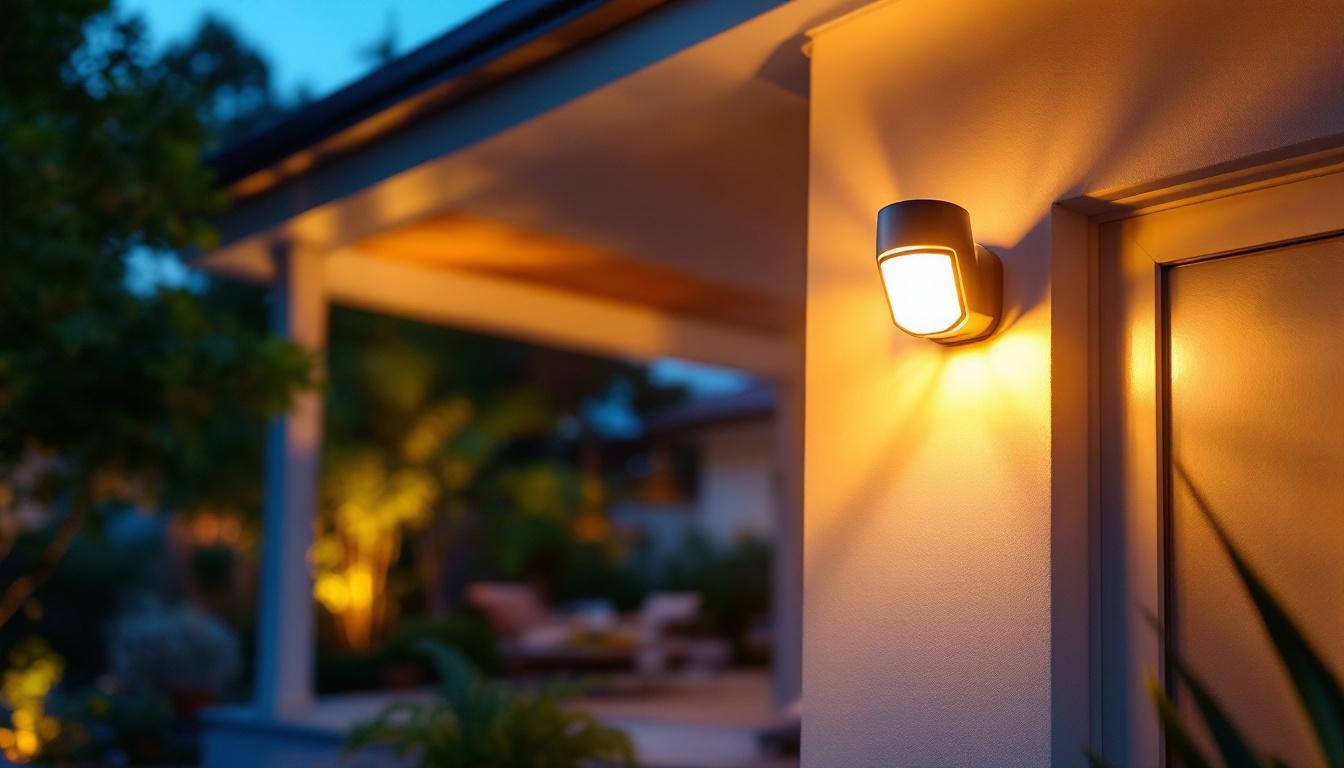
Understanding Motion Sensor Technology
Motion sensor technology has revolutionized the way outdoor lighting systems are designed and installed. For lighting contractors, understanding the nuances of this technology is crucial to delivering effective solutions to clients. Motion sensors detect movement within a certain range and can trigger lighting systems to turn on or off accordingly. This not only enhances security but also promotes energy efficiency. By utilizing motion sensors, homeowners can significantly reduce their electricity bills, as lights will only activate when needed, rather than remaining on throughout the night.
There are various types of motion sensors, including passive infrared (PIR), microwave, and dual technology sensors. Each type has its own advantages and limitations, making it essential for contractors to assess the specific needs of a project before selecting the appropriate sensor. Understanding these differences can significantly impact the effectiveness of the lighting installation. For instance, in areas with heavy foot traffic, a contractor might lean towards a dual technology sensor to ensure reliability and minimize false alarms, while in quieter residential areas, a PIR sensor could suffice.
Types of Motion Sensors
Passive infrared sensors are the most common choice for exterior ceiling lights. They detect heat emitted by moving objects, such as people or animals. This type of sensor is ideal for residential applications where energy efficiency and cost-effectiveness are priorities. Furthermore, their simplicity and ease of installation make them a popular choice for DIY enthusiasts looking to enhance their home security without the need for professional assistance.
Microwave sensors, on the other hand, emit microwave pulses to detect movement. They can cover a larger area and are less likely to be triggered by small animals. However, they are generally more expensive and may not be necessary for all applications. These sensors are particularly advantageous in environments where precise detection is required, such as in parking lots or large commercial spaces, where the ability to monitor a broader area can enhance safety and security.
Dual technology sensors combine both PIR and microwave technologies, providing a more reliable solution for detecting movement. They minimize false triggers while ensuring that the lights activate only when necessary, making them suitable for commercial settings where security is paramount. Additionally, these sensors can be programmed to adjust sensitivity levels, allowing for customization based on specific environmental conditions, such as wind or rain, which might otherwise lead to unnecessary activations.
Benefits of Exterior Ceiling Lights with Motion Sensors
Incorporating motion sensors into exterior ceiling lights offers numerous benefits that can enhance both safety and convenience. For lighting contractors, understanding these advantages can help in persuading clients to invest in such systems.
One of the primary benefits is increased security. Motion-activated lights deter potential intruders by illuminating areas when movement is detected, providing homeowners with peace of mind. Additionally, these lights can help prevent accidents by illuminating walkways and entrances during the night, reducing the risk of slips and falls.
Energy Efficiency
Energy efficiency is another significant advantage. Motion sensor lights only activate when needed, which can lead to substantial savings on electricity bills. This not only benefits the homeowner financially but also aligns with growing environmental consciousness. As more clients look for sustainable solutions, offering motion sensor lighting can position contractors as forward-thinking professionals.
Moreover, the longevity of LED motion sensor lights contributes to their energy efficiency. With a lifespan that often exceeds 25,000 hours, these lights reduce the frequency of replacements, further minimizing waste and the environmental impact associated with manufacturing and disposing of traditional bulbs. Homeowners can enjoy the dual benefit of lower energy consumption and reduced maintenance costs, making motion sensor lights an attractive option for those looking to enhance their outdoor spaces.
Convenience and Accessibility
Convenience is a key selling point for motion sensor lights. Homeowners no longer need to fumble for switches in the dark, as lights will automatically illuminate when they approach. This feature is particularly beneficial for elderly individuals or those with mobility challenges, enhancing accessibility and comfort.
In addition to aiding those with physical limitations, motion sensor lights also cater to busy families and individuals who often carry items in and out of their homes. The automatic activation of lights allows them to navigate their surroundings safely without the need to set down packages or bags to find a switch. Furthermore, these lights can be programmed to adjust sensitivity and duration, ensuring that they meet the specific needs of the household while providing a seamless experience for all users.
Installation Best Practices
Proper installation is crucial for the optimal performance of exterior ceiling lights with motion sensors. Lighting contractors should adhere to best practices to ensure that the systems function as intended and meet client expectations.
First, it is essential to select the right location for the installation. Motion sensors should be positioned to cover the most critical areas, such as entryways, driveways, and patios. Avoid placing sensors near heat sources or objects that may obstruct their field of view, as this can lead to false triggers. Additionally, considering the height at which the sensors are mounted can significantly impact their effectiveness; typically, mounting them at a height of 8 to 10 feet allows for a broader detection range while minimizing the chance of interference from small animals or moving foliage.
Wiring and Power Supply Considerations
When wiring the lights, contractors should ensure that the power supply is adequate for the chosen fixtures and sensors. It is advisable to follow local electrical codes and regulations to prevent any safety hazards. Additionally, using weather-resistant materials and fixtures is essential for outdoor applications to withstand environmental elements. It’s also beneficial to use a dedicated circuit for the motion sensor lights to prevent overload and ensure consistent performance. Incorporating surge protectors can further safeguard the system against power spikes, which can be particularly important in areas prone to thunderstorms or electrical disturbances.
Testing and Calibration
After installation, thorough testing and calibration of the motion sensors are necessary. Adjust the sensitivity settings to minimize false alarms while ensuring that the lights activate appropriately when movement is detected. This step is vital for client satisfaction, as it ensures that the system operates smoothly and efficiently. Furthermore, it is advisable to conduct tests at various times of day and under different weather conditions to ensure reliable performance. Clients should be educated about the system’s features, including any adjustable settings, so they can tailor the operation to their specific needs. Regular maintenance checks, such as cleaning the sensor lenses and ensuring that the fixtures remain unobstructed, can also prolong the lifespan of the installation and enhance its functionality.
Choosing the Right Fixtures
Selecting the appropriate fixtures for exterior ceiling lights with motion sensors is a critical aspect of the installation process. Lighting contractors should consider various factors, including style, brightness, and energy efficiency.
Style is essential, as the fixtures should complement the architecture of the home or building. Offering a range of options, from modern to traditional designs, can help contractors cater to diverse client preferences. Additionally, the brightness of the fixtures should be sufficient to illuminate the desired areas without being overly harsh or intrusive.
Energy-Efficient Lighting Options
Energy-efficient lighting options, such as LED fixtures, are highly recommended for exterior applications. LEDs consume significantly less energy than traditional incandescent bulbs and have a longer lifespan, reducing maintenance costs for homeowners. Furthermore, many LED fixtures now come with built-in motion sensors, simplifying the installation process.
Color Temperature and Aesthetics
Consideration of color temperature is also important. Warmer color temperatures (around 2700K to 3000K) create a welcoming ambiance, while cooler temperatures (4000K and above) provide a more modern and energetic feel. Contractors should discuss these options with clients to ensure the chosen lighting enhances the overall aesthetic of the property.
Maintenance and Troubleshooting
Common Issues and Solutions
Common issues that may arise with motion sensor lights include false triggering and failure to activate. False triggering can often be attributed to environmental factors, such as passing cars or animals. In such cases, adjusting the sensitivity settings or repositioning the sensor may resolve the issue.
If the lights fail to activate, contractors should first check the power supply and ensure that the bulbs are functioning correctly. If the issue persists, it may be necessary to inspect the wiring and connections to identify any faults.
Client Education and Support
Educating clients about their new exterior ceiling lights with motion sensors is essential for ensuring satisfaction and proper usage. Providing clear instructions and support can enhance the overall experience for homeowners.
Contractors should take the time to explain how the motion sensors work, including adjusting sensitivity settings and understanding the coverage area. Offering a user manual or instructional video can be beneficial, especially for clients who may not be tech-savvy.
Follow-Up Services
Offering follow-up services can also enhance client relationships. Regular check-ins to ensure that the system is functioning properly can demonstrate a commitment to customer satisfaction. Additionally, providing maintenance services can help clients keep their lighting systems in optimal condition.
Conclusion
Exterior ceiling lights with motion sensors present an excellent opportunity for lighting contractors to enhance their service offerings. By understanding the technology, benefits, installation best practices, and maintenance requirements, contractors can deliver high-quality solutions that meet client needs.
As the demand for energy-efficient and secure lighting solutions continues to rise, being knowledgeable about motion sensor technology will set contractors apart in a competitive market. By providing exceptional service and support, lighting contractors can build lasting relationships with clients and ensure the success of their projects.
Illuminate Your Projects with LumenWholesale
Ready to elevate your lighting installations with the latest in motion sensor technology? At LumenWholesale, we provide lighting contractors with the highest quality, spec-grade exterior ceiling lights and motion sensors at unbeatable wholesale prices. Our extensive selection is designed to meet the highest industry standards, ensuring you deliver reliable and high-performance lighting solutions to your clients. With free shipping on bulk orders, you can enjoy the best value without the hassle of hidden fees or compromises. Make your next project shine with the perfect blend of quality, affordability, and convenience at LumenWholesale – Wholesale Lighting at the Best Value.