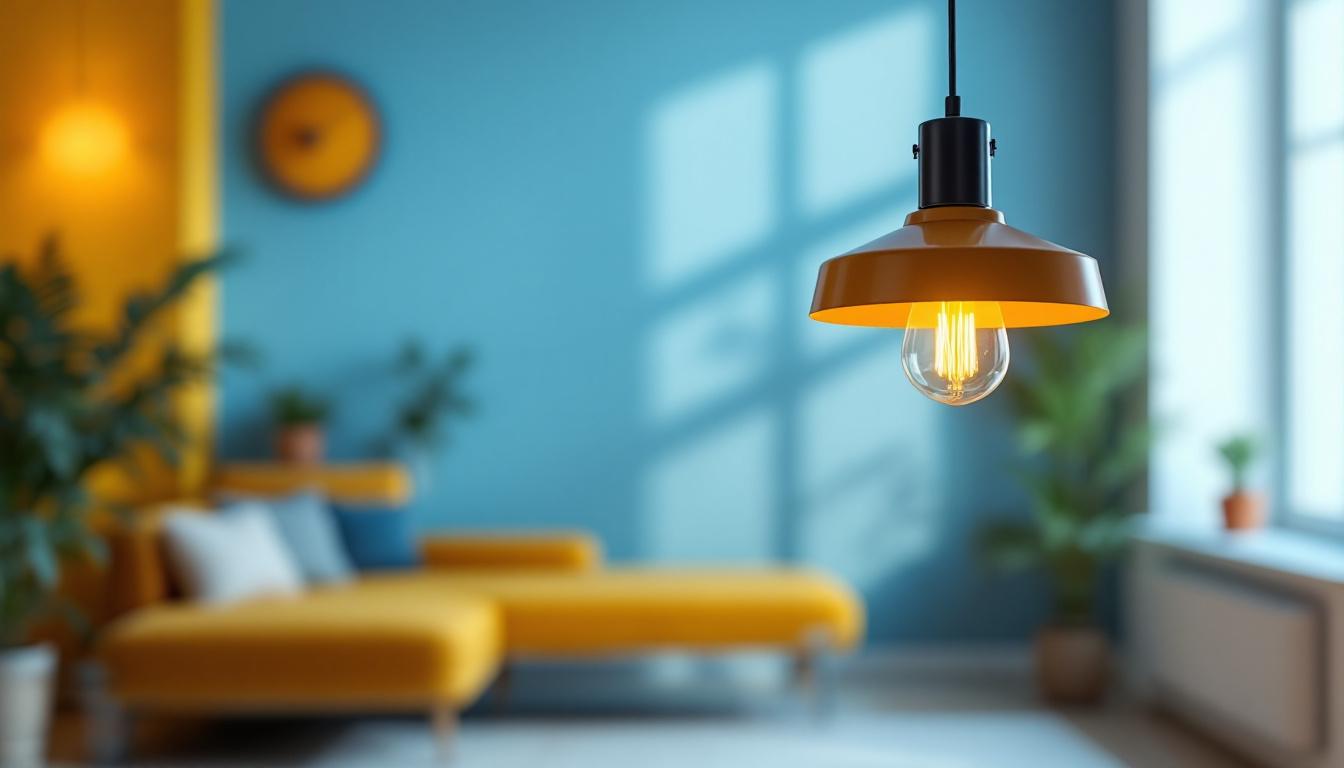
In the world of interior design and architecture, lighting plays a pivotal role in enhancing aesthetics and functionality. Among various lighting options, modern hanging lamps have emerged as a popular choice for both residential and commercial spaces. For lighting contractors, understanding the nuances of modern hanging lamps is essential to provide clients with the best solutions. This article explores top strategies that lighting contractors can employ to effectively integrate modern hanging lamps into their projects.
Understanding the Modern Aesthetic
The modern aesthetic is characterized by clean lines, minimalism, and a focus on functionality. When selecting hanging lamps, it is crucial for contractors to align their choices with this aesthetic. Modern hanging lamps often feature materials like metal, glass, and wood, which not only enhance visual appeal but also contribute to the overall design narrative of a space. The interplay of these materials can evoke a sense of harmony and sophistication, making them essential components in contemporary interior design.
Material Selection
Choosing the right materials is fundamental in achieving a modern look. Metal finishes such as brushed nickel, matte black, or polished brass are popular choices that can complement a variety of interior styles. Glass shades, whether frosted or clear, can add an element of sophistication while allowing light to diffuse beautifully throughout the space. The choice of glass can also influence the ambiance; for instance, clear glass can create a bright and airy feel, while frosted glass can soften the light and create a more intimate atmosphere.
Wood accents can also provide warmth and texture, making them an excellent addition to modern hanging lamps. By combining different materials, contractors can create unique lighting fixtures that stand out while still adhering to modern design principles. Additionally, the use of sustainable materials, such as reclaimed wood or recycled metals, can enhance the eco-friendliness of a design, appealing to environmentally conscious clients. This thoughtful approach to material selection not only elevates the aesthetic but also tells a story of sustainability and innovation.
Scale and Proportion
Another critical aspect to consider is the scale and proportion of hanging lamps. In modern design, oversized fixtures can serve as statement pieces, drawing attention and creating focal points. Conversely, smaller fixtures can be used in clusters to create a dynamic visual effect. Lighting contractors should assess the dimensions of the space and the height of ceilings to determine the best size for hanging lamps. For instance, in a loft-style apartment with high ceilings, a large pendant light can enhance the verticality of the space, while in a compact kitchen, a series of smaller, well-placed fixtures can add depth without overwhelming the area.
Proportion also extends to the relationship between the lamp and other elements in the room. For instance, a large dining table may require a substantial hanging lamp to maintain balance, while a cozy nook might benefit from a smaller, more delicate fixture. Additionally, the height at which a lamp is hung can dramatically affect the perception of space; lower-hanging fixtures can create an inviting atmosphere, while higher placements can open up the area. This careful consideration of scale and proportion not only enhances the functionality of the lighting but also contributes to the overall aesthetic coherence of the interior design.
Functionality Meets Style
While aesthetics are important, the functionality of modern hanging lamps cannot be overlooked. Lighting contractors must consider how the lamps will be used in various spaces and ensure they meet the specific needs of their clients. The right lighting can transform a room, enhancing its usability while also reflecting the homeowner’s personal style. Therefore, understanding the balance between form and function is crucial for any successful lighting project.
Layering Light
Layering light is a fundamental principle in effective lighting design. Modern hanging lamps can serve as ambient, task, or accent lighting, depending on their placement and design. Contractors should work with clients to identify the primary functions of the space and recommend hanging lamps that fulfill those roles. This approach not only ensures that the lighting is practical but also allows for creative expression in the design process.
For example, in a kitchen, pendant lights above an island can provide task lighting for food preparation, while a larger hanging lamp in the dining area can create a warm, inviting atmosphere for meals. By strategically layering different types of lighting, contractors can enhance both the functionality and ambiance of a space. Additionally, incorporating dimmable options can further improve versatility, allowing homeowners to adjust the mood from bright and energetic to soft and cozy, depending on the occasion.
Smart Lighting Integration
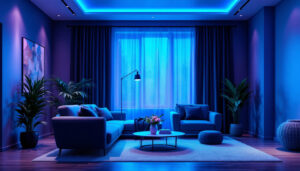
With the rise of smart home technology, integrating smart lighting solutions into modern hanging lamps has become increasingly popular. Lighting contractors should stay informed about the latest advancements in smart lighting systems, which allow users to control brightness, color temperature, and even scheduling through mobile apps or voice commands. This flexibility not only enhances user experience but also contributes to energy savings, as homeowners can easily manage their lighting consumption.
By offering smart lighting options, contractors can provide clients with enhanced convenience and energy efficiency. This integration not only appeals to tech-savvy homeowners but also positions contractors as leaders in the evolving lighting market. Furthermore, the ability to customize lighting settings for different activities—such as movie nights or dinner parties—adds a layer of sophistication that many clients find appealing. As smart technology continues to advance, the potential for innovative lighting solutions will only expand, paving the way for even more exciting design possibilities in the future.
Designing for Different Spaces
Different spaces require different lighting solutions. Understanding the unique characteristics of various environments is essential for lighting contractors when recommending modern hanging lamps.
Residential Spaces
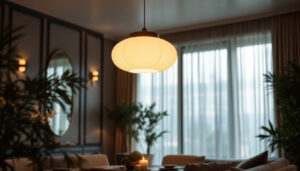
In residential settings, modern hanging lamps can be used to create a cozy and inviting atmosphere. In living rooms, for instance, a striking pendant light can serve as a conversation starter while providing adequate illumination for relaxation and entertainment.
In dining areas, the choice of hanging lamp can significantly impact the dining experience. A well-placed chandelier or a cluster of pendant lights can enhance the overall ambiance, making meals more enjoyable. Contractors should consider the style preferences of homeowners and how the chosen lamps will complement existing decor.
Commercial Spaces
In commercial environments, the approach to modern hanging lamps may differ significantly. Here, functionality and branding play a crucial role. For instance, in a restaurant, lighting must create an inviting atmosphere while also ensuring that staff can perform their duties effectively.
Lighting contractors should collaborate with business owners to understand their brand identity and how lighting can reflect that. Unique hanging lamps can be used to reinforce a brand’s personality, whether it’s through bold designs or specific color schemes.
Installation Considerations
The installation of modern hanging lamps requires careful planning and execution. Lighting contractors must be well-versed in the technical aspects of installation to ensure safety and functionality.
Electrical Requirements
Before installation, it is essential to assess the electrical requirements of the chosen hanging lamps. This includes understanding wattage, voltage, and compatibility with existing electrical systems. Contractors should also consider the placement of fixtures to ensure they provide adequate lighting without causing glare or shadows.
In some cases, additional electrical work may be necessary to accommodate new fixtures. Contractors should communicate clearly with clients about any potential changes and ensure that all installations comply with local electrical codes and safety regulations.
Height and Placement
The height at which hanging lamps are installed is another critical factor. For dining areas, a general rule of thumb is to hang fixtures 30 to 36 inches above the tabletop. In living spaces, the height may vary depending on the overall design and ceiling height. Lighting contractors should take into account the scale of the room and the intended use of the space when determining the optimal placement of hanging lamps.
Maintenance and Care
Once modern hanging lamps are installed, ongoing maintenance is necessary to ensure they continue to function effectively and look their best. Lighting contractors can provide valuable guidance to clients on how to care for their fixtures.
Cleaning and Upkeep
Different materials require different cleaning methods. For example, glass shades may need regular dusting and occasional deep cleaning to maintain their clarity, while metal finishes may require specific cleaners to prevent tarnishing. Contractors should educate clients on the best practices for maintaining their hanging lamps to prolong their lifespan and performance.
Additionally, contractors should advise clients on the importance of replacing burnt-out bulbs promptly and checking for any signs of wear or damage. Regular maintenance not only keeps the fixtures looking great but also ensures safety and functionality.
Upgrading Fixtures
As design trends evolve, clients may wish to upgrade their hanging lamps to keep their spaces fresh and modern. Lighting contractors can play a crucial role in this process by staying informed about the latest trends and innovations in lighting design.
Offering clients options for upgrading their fixtures, whether through replacement or retrofitting with smart technology, can enhance their overall satisfaction and keep their spaces aligned with current design aesthetics.
Conclusion
Modern hanging lamps offer a unique opportunity for lighting contractors to enhance both the functionality and aesthetic appeal of various spaces. By understanding the principles of modern design, integrating smart technology, and considering the specific needs of different environments, contractors can provide clients with tailored lighting solutions that elevate their spaces.
From selecting the right materials and ensuring proper installation to offering maintenance advice, lighting contractors have a vital role in the successful implementation of modern hanging lamps. By employing these top strategies, contractors can not only meet client expectations but also establish themselves as trusted experts in the ever-evolving world of lighting design.
Illuminate Your Projects with LumenWholesale
Ready to elevate your lighting projects with modern hanging lamps that blend form, function, and affordability? At LumenWholesale, we provide lighting contractors with an extensive selection of spec-grade lighting products that meet the highest industry standards. Say goodbye to inflated markups and enjoy unbeatable wholesale prices, free shipping, and the convenience of bulk buying. Transform your spaces with reliable, high-performance lighting solutions that don’t break the bank. Discover the perfect lighting for your next project and take advantage of the best value in wholesale lighting. Wholesale Lighting at the Best Value awaits you at LumenWholesale.