In the ever-evolving world of lighting technology, self-ballasted light bulbs have emerged as a popular choice for both residential and commercial applications. For lighting contractors, understanding the nuances of these bulbs is essential for making informed decisions that meet client needs while ensuring energy efficiency and longevity. This guide will delve into the critical aspects of self-ballasted light bulbs, helping contractors choose the right options for their projects.
Understanding Self Ballasted Light Bulbs
Self-ballasted light bulbs are designed to operate without the need for an external ballast. This feature simplifies installation and reduces the overall complexity of lighting systems. They are available in various forms, including compact fluorescent lamps (CFLs) and light-emitting diodes (LEDs), each offering unique advantages. The convenience of self-ballasted bulbs has made them a popular choice for both residential and commercial lighting applications, as they cater to a wide range of needs and preferences.
How They Work
The primary function of a self-ballasted light bulb is to convert electrical energy into light while managing the voltage and current internally. This is achieved through integrated electronic components that regulate the power supply, making them user-friendly and efficient. Unlike traditional bulbs that require separate ballasts, self-ballasted options streamline the installation process, allowing for quicker setup and reduced labor costs. Additionally, these bulbs often feature advanced technology that enhances their performance, such as dimming capabilities and compatibility with smart home systems, further increasing their appeal in modern lighting design.
Types of Self Ballasted Light Bulbs
There are two main types of self-ballasted light bulbs: CFLs and LEDs. Each type has its own set of characteristics that can influence a contractor’s choice. Understanding the differences between these two options can help in selecting the right bulb for specific applications, ensuring optimal performance and satisfaction.
- Compact Fluorescent Lamps (CFLs): These bulbs are known for their energy efficiency and longer lifespan compared to incandescent bulbs. They emit a warm light and are available in various shapes and sizes, making them versatile for different applications. CFLs are particularly effective in areas where lights are used frequently, as their efficiency can lead to substantial energy savings over time.
- Light Emitting Diodes (LEDs): LEDs have rapidly gained popularity due to their superior energy efficiency, longevity, and decreasing costs. They offer a wide range of color temperatures and designs, making them suitable for both functional and aesthetic lighting needs. Furthermore, LEDs generate minimal heat compared to traditional bulbs, which enhances their safety and performance in enclosed fixtures.
Advantages of Self Ballasted Light Bulbs
Choosing self-ballasted light bulbs comes with several benefits that can enhance a contractor’s offerings to clients. These advantages include:
- Energy Efficiency: Self-ballasted bulbs consume significantly less energy than traditional incandescent bulbs, leading to lower electricity bills for clients. This efficiency not only helps the environment but also aligns with the growing trend of sustainability in building practices.
- Longevity: With lifespans ranging from 10,000 to 50,000 hours, depending on the type, these bulbs reduce the frequency of replacements, saving time and money. This durability is particularly advantageous in hard-to-reach fixtures, where changing bulbs can be a cumbersome task.
- Ease of Installation: The absence of a separate ballast simplifies the installation process, allowing contractors to complete projects more efficiently. This ease of use can also translate into a better experience for end-users, who appreciate the straightforward setup and immediate usability of their lighting solutions.
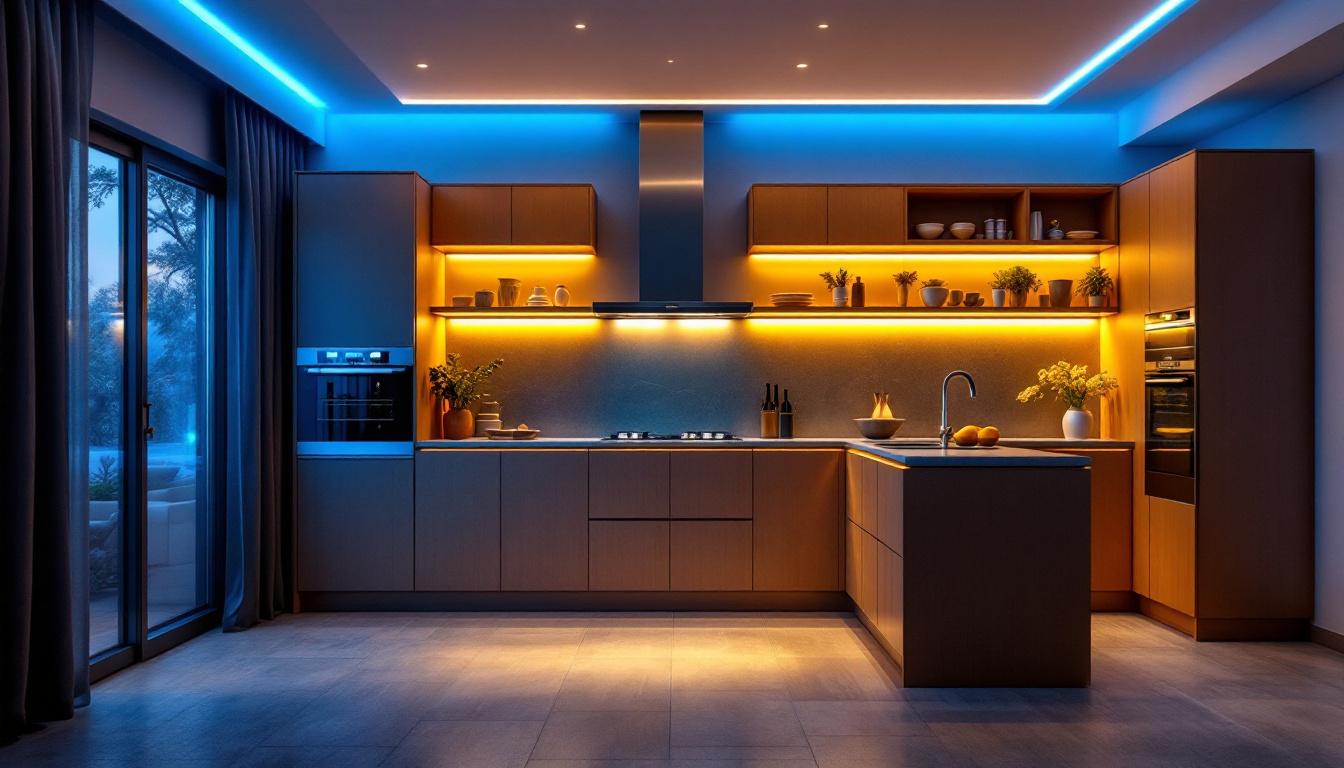
Moreover, self-ballasted light bulbs are increasingly being designed with features that cater to specific lighting needs, such as color-changing capabilities or smart technology integration. This innovation allows users to customize their lighting environment, adapting it to different moods or tasks throughout the day. As the lighting industry continues to evolve, self-ballasted bulbs are likely to play an integral role in shaping the future of energy-efficient and user-friendly lighting solutions.
Factors to Consider When Choosing Self Ballasted Light Bulbs
When selecting self-ballasted light bulbs, several factors should be taken into account to ensure the best fit for the project at hand. These considerations can significantly impact the overall performance and satisfaction of the lighting solution.
Brightness and Color Temperature
Brightness is measured in lumens, and it’s essential to select bulbs that provide adequate illumination for the intended space. Additionally, color temperature, measured in Kelvin (K), influences the ambiance of a room. Warmer tones (2700K-3000K) create a cozy atmosphere, while cooler tones (4000K-5000K) are often preferred for workspaces.
Contractors should assess the specific lighting needs of each project, considering factors such as the size of the area, the purpose of the lighting, and client preferences. Offering a range of brightness and color temperature options can enhance client satisfaction and project outcomes.
Energy Efficiency Ratings
Energy efficiency is a crucial consideration for modern lighting solutions. Self-ballasted light bulbs typically have an energy efficiency rating that indicates their performance. Look for bulbs with the ENERGY STAR label, as these products meet strict efficiency guidelines set by the Environmental Protection Agency.
Contractors should educate clients on the long-term cost savings associated with energy-efficient bulbs, including reduced electricity bills and lower maintenance costs due to longer lifespans. This knowledge can help clients make informed decisions that align with their sustainability goals.
Compatibility with Existing Fixtures
Before selecting self-ballasted light bulbs, it is essential to consider the compatibility with existing fixtures. Not all bulbs fit every socket type, and some fixtures may have specific requirements regarding wattage or bulb shape.
Contractors should conduct a thorough assessment of the project site to ensure that the chosen bulbs will fit seamlessly into the existing lighting infrastructure. This attention to detail can prevent installation delays and ensure a smooth project completion.
Installation Best Practices for Self Ballasted Light Bulbs
Proper installation of self-ballasted light bulbs is vital for optimal performance and longevity. Following best practices can help contractors avoid common pitfalls and ensure client satisfaction.
Safety First
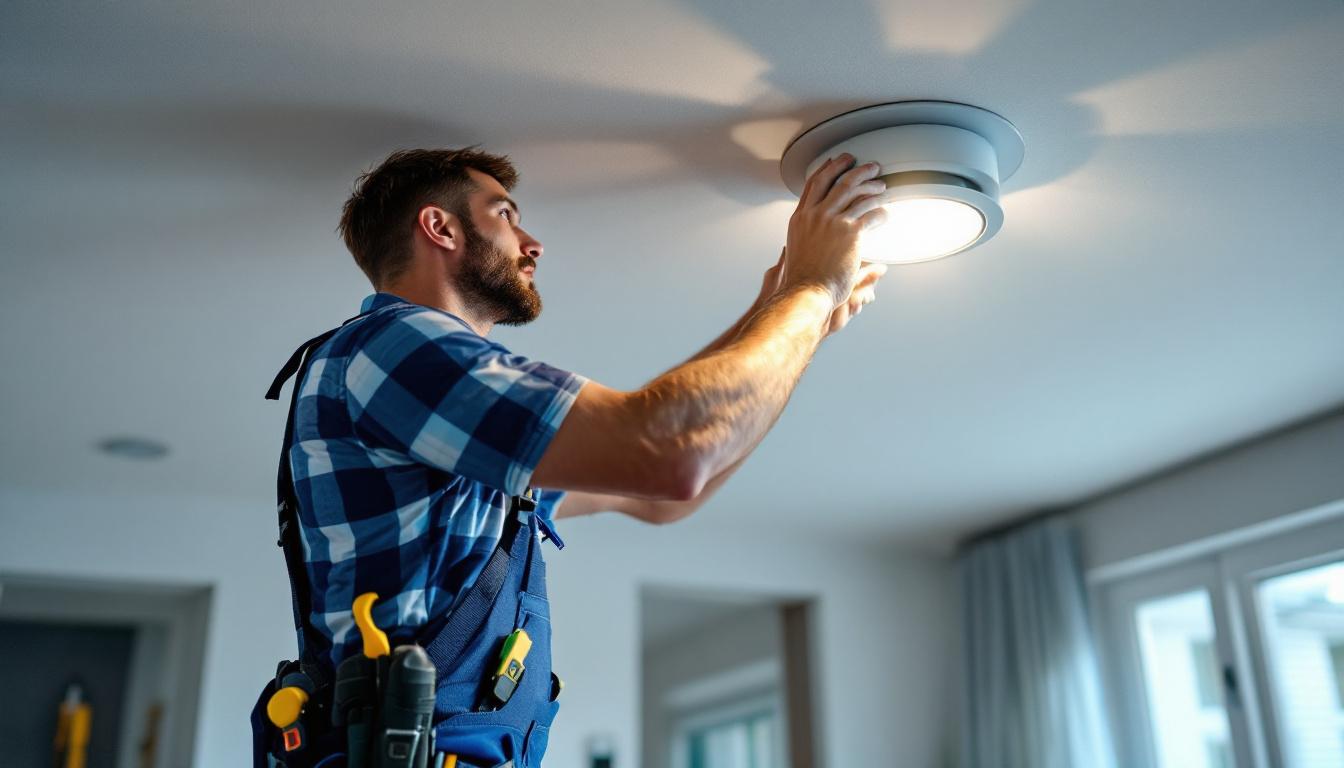
Before beginning any installation, safety should be the top priority. Contractors should ensure that the power supply is turned off and take precautions to prevent electrical shocks. Using insulated tools and wearing appropriate personal protective equipment can further enhance safety during the installation process.
Follow Manufacturer Guidelines
Each self-ballasted light bulb comes with specific manufacturer guidelines that outline installation procedures, recommended fixtures, and safety precautions. Adhering to these guidelines is crucial for ensuring the bulbs function as intended and for maintaining any warranties.
Contractors should familiarize themselves with these instructions and communicate any important details to clients, ensuring everyone is on the same page regarding the installation process.
Testing and Quality Assurance
After installation, it is essential to test the bulbs to ensure they are functioning correctly. This step includes checking for flickering, dimming, or any other irregularities that may indicate a problem. Addressing issues promptly can prevent future complications and enhance client trust.
Additionally, providing clients with information on how to maintain their new lighting system can contribute to long-term satisfaction. Educating them about the expected lifespan of the bulbs and how to troubleshoot common issues can empower clients and reduce service calls.
Common Challenges and Solutions
While self-ballasted light bulbs offer numerous advantages, contractors may encounter challenges during the selection and installation processes. Being aware of these potential issues and having solutions at hand can streamline operations and enhance client relationships.
Inconsistent Quality
Not all self-ballasted light bulbs are created equal. Variations in quality can lead to inconsistent performance, which can affect client satisfaction. To mitigate this risk, contractors should source bulbs from reputable manufacturers known for their reliability and performance.
Establishing relationships with trusted suppliers can ensure access to high-quality products and may provide insights into the latest advancements in lighting technology.
Client Misunderstandings
Clients may have misconceptions about the capabilities and limitations of self-ballasted light bulbs. Clear communication is essential to set realistic expectations regarding brightness, color temperature, and energy savings.
Contractors should take the time to explain the benefits and features of the chosen bulbs, addressing any concerns or questions clients may have. This proactive approach can foster trust and enhance client satisfaction throughout the project.
Adapting to Technological Advancements
The lighting industry is continually evolving, with new technologies and products emerging regularly. Staying informed about these advancements is crucial for contractors to remain competitive and provide clients with the best options available.
Participating in industry seminars, workshops, and training sessions can help contractors stay updated on the latest trends and innovations in self-ballasted light bulbs. Networking with other professionals in the field can also provide valuable insights and foster collaboration.
Future Trends in Self Ballasted Light Bulbs
As technology continues to advance, the future of self-ballasted light bulbs looks promising. Several trends are emerging that may shape the landscape of lighting solutions in the coming years.
Smart Lighting Integration
Smart lighting technology is gaining traction, allowing users to control their lighting systems remotely through smartphones or smart home devices. Self-ballasted light bulbs are increasingly being designed to integrate with smart home systems, offering enhanced control and convenience.
Contractors should consider recommending smart self-ballasted bulbs to clients who are interested in modernizing their lighting systems. This integration can provide added value and appeal to tech-savvy customers.
Improved Energy Efficiency
As energy efficiency standards continue to evolve, manufacturers are developing self-ballasted light bulbs that consume even less energy while providing superior performance. Advances in LED technology, in particular, are paving the way for bulbs that offer higher lumens per watt, translating to greater energy savings for clients.
Staying informed about these advancements can help contractors provide clients with the most efficient options available, aligning with their sustainability goals and reducing their carbon footprint.
Customization and Aesthetics
As the demand for unique and aesthetically pleasing lighting solutions grows, manufacturers are responding by offering self-ballasted light bulbs in various designs, shapes, and color temperatures. This trend allows contractors to provide clients with customized lighting solutions that enhance the overall design of a space.
Contractors should be prepared to explore these options and offer clients a range of choices that align with their design preferences and functional needs.
Conclusion
Self-ballasted light bulbs represent a significant advancement in lighting technology, providing contractors with versatile, energy-efficient solutions for their projects. By understanding the various types, advantages, and best practices associated with these bulbs, lighting contractors can make informed decisions that meet client needs and enhance project outcomes.
As the industry continues to evolve, staying informed about trends and advancements will be essential for contractors looking to remain competitive and provide the best possible service. By embracing the potential of self-ballasted light bulbs, contractors can illuminate their projects with efficiency and style, ultimately contributing to a brighter, more sustainable future.
Illuminate Your Projects with LumenWholesale
Ready to elevate your lighting projects with the efficiency and style of self-ballasted light bulbs? At LumenWholesale, we offer an extensive selection of spec-grade lighting products that meet the highest industry standards. Our commitment to quality, affordability, and convenience ensures that you get the best value for your bulk purchases, with free shipping to maximize your savings. Don’t compromise on performance or price. Discover wholesale lighting at the best value and make LumenWholesale your go-to source for all your lighting needs.