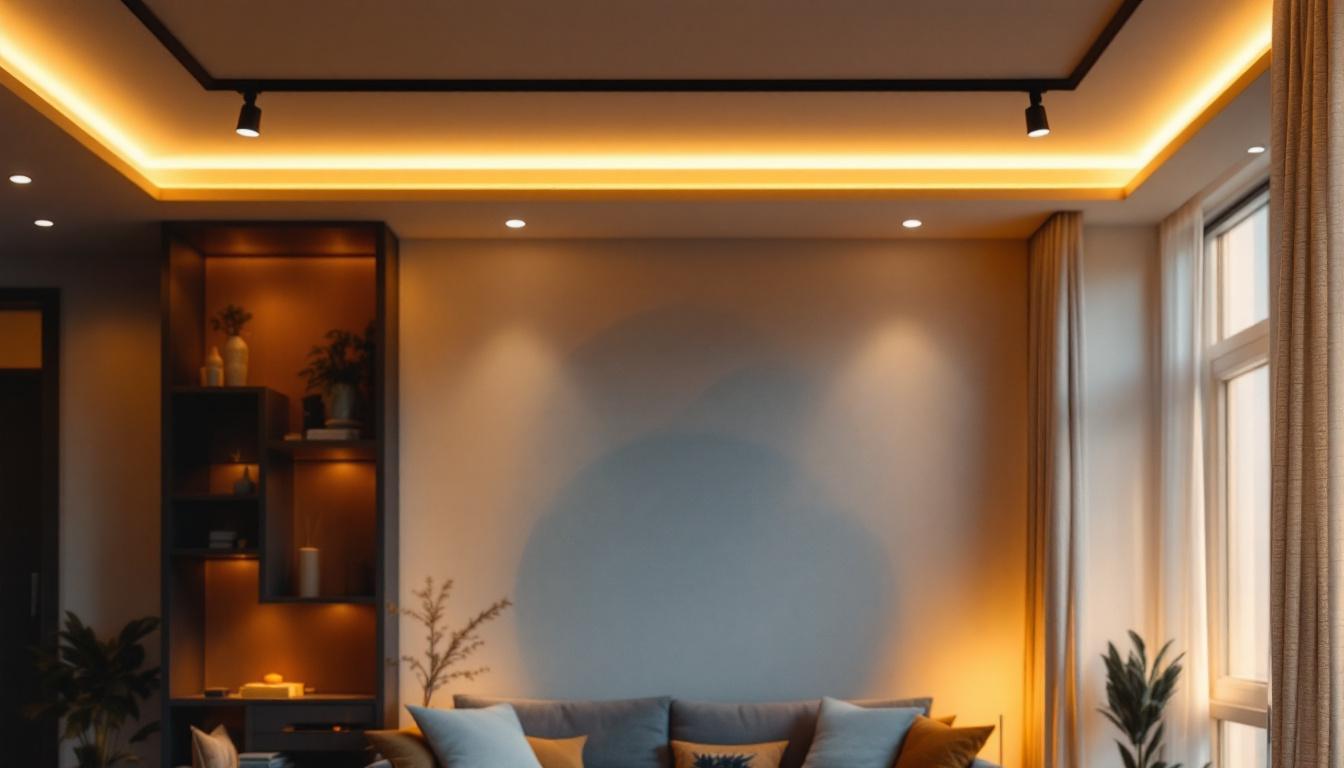
In the ever-evolving world of lighting design, ultra-thin can lights have emerged as a game-changer for both residential and commercial applications. These sleek fixtures not only provide effective illumination but also offer a modern aesthetic that appeals to a wide range of clients. For lighting contractors, understanding the nuances of ultra-thin can lights is essential for delivering quality service and meeting client expectations. This article delves into the key aspects of ultra-thin can lights, including their benefits, installation considerations, and the latest trends in the market.
Understanding Ultra Thin Can Lights
Ultra-thin can lights, often referred to as recessed lights or downlights, are designed to fit into tight spaces where traditional fixtures may not be feasible. Their low-profile design allows them to be installed in ceilings with minimal clearance, making them ideal for various applications, from residential homes to commercial spaces.
Design and Aesthetics
One of the primary advantages of ultra-thin can lights is their sleek and unobtrusive design. Unlike traditional can lights that require substantial housing, ultra-thin models often feature a slim profile that can blend seamlessly into the ceiling. This design choice not only enhances the overall aesthetic of a room but also allows for more creative lighting arrangements.
Moreover, the minimalist appearance of ultra-thin can lights appeals to contemporary design trends, where clean lines and simplicity are favored. Contractors can offer clients a modern solution that complements various interior styles, from industrial to minimalist. The versatility of these fixtures also means they can be used to highlight architectural features or artwork, providing both functional and decorative lighting. For instance, strategically placed ultra-thin can lights can create a gallery-like ambiance in a living room, drawing attention to paintings or sculptures while maintaining an uncluttered look.
Energy Efficiency
In an age where energy efficiency is paramount, ultra-thin can lights often utilize LED technology, which significantly reduces energy consumption compared to traditional incandescent or halogen bulbs. This shift not only lowers electricity bills for clients but also aligns with sustainability goals, making it an attractive selling point for contractors.
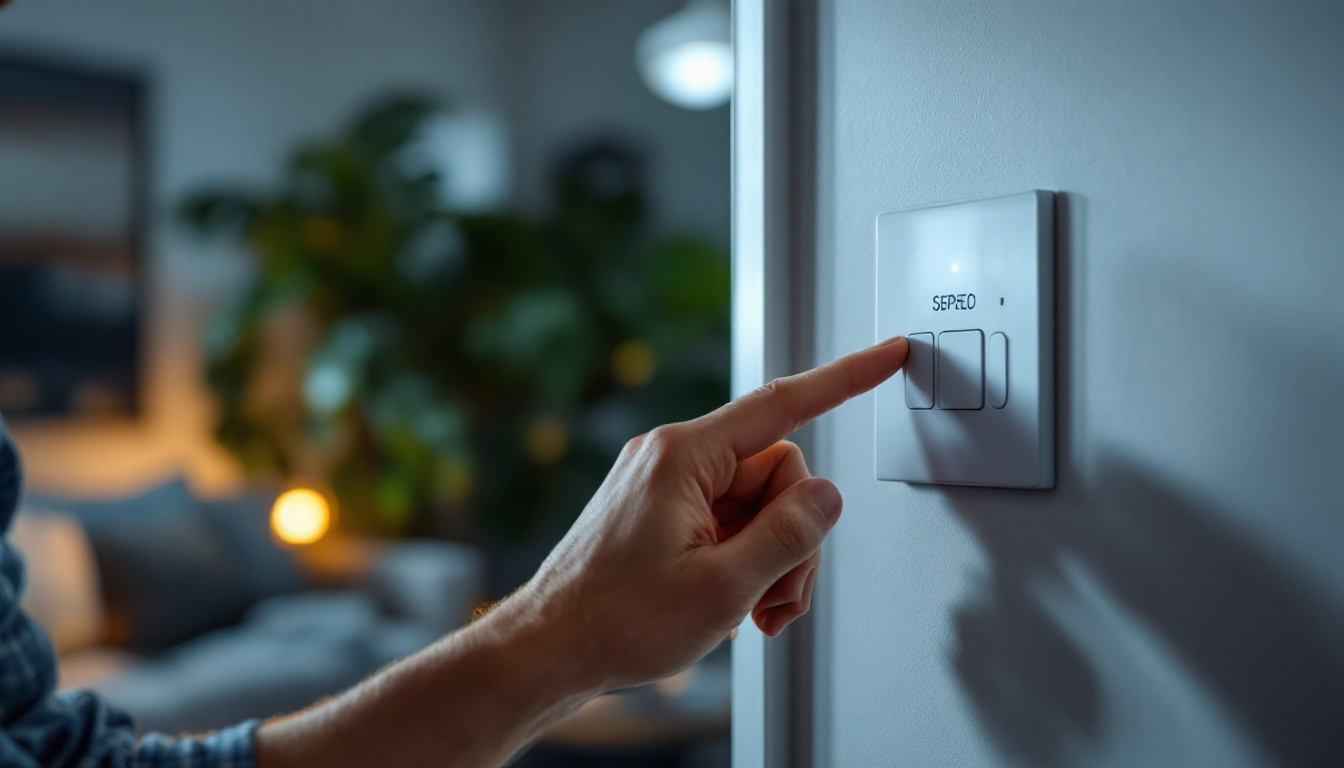
Additionally, many ultra-thin can lights come with features such as dimming capabilities and smart technology integration, allowing users to customize their lighting experience while further enhancing energy savings. Understanding these features can help contractors recommend the best options to their clients. For example, smart ultra-thin can lights can be controlled via smartphone apps or voice-activated devices, enabling users to adjust brightness and color temperature according to their mood or activity. This level of control not only enhances comfort but also promotes energy conservation by allowing users to turn off lights remotely or set schedules for automatic operation, ensuring that lights are only on when needed.
Installation Considerations
While ultra-thin can lights offer numerous benefits, proper installation is critical to ensure optimal performance and longevity. Lighting contractors should be aware of several key factors when installing these fixtures.
Ceiling Space and Structure
Before installation, it is essential to assess the ceiling space and structure. Ultra-thin can lights are designed for shallow ceilings, but the specific requirements can vary by model. Contractors should check the manufacturer’s specifications to ensure compatibility with the existing ceiling structure.
Additionally, it is crucial to consider insulation and airflow. Proper insulation can prevent overheating, while adequate airflow can help maintain the fixture’s efficiency. Contractors should advise clients on any necessary modifications to their ceilings to accommodate the new lighting. For instance, in areas with high insulation values, it may be necessary to create ventilation channels or use insulation contact-rated fixtures to ensure safety and performance. This not only enhances the longevity of the lights but also contributes to energy efficiency, reducing overall energy costs for the homeowner.
Electrical Wiring and Safety
Electrical wiring is another critical aspect of the installation process. Ultra-thin can lights typically require a direct connection to the electrical system, which may involve retrofitting existing wiring or installing new circuits. Contractors must ensure that all electrical work complies with local codes and regulations to guarantee safety and reliability.
Moreover, using high-quality connectors and junction boxes can prevent potential hazards such as short circuits or fire risks. Contractors should prioritize safety by conducting thorough inspections and testing before finalizing the installation. It is also advisable to educate clients on the importance of using dimmer switches compatible with LED fixtures, as this can enhance the versatility of the lighting and create different moods within a space. Additionally, providing clients with maintenance tips, such as periodic checks of the fixtures and ensuring that the surrounding areas remain free of dust and debris, can further extend the lifespan of the installed lights and maintain their aesthetic appeal.
Latest Trends in Ultra Thin Can Lights
The lighting industry is continuously evolving, and ultra-thin can lights are no exception. Staying abreast of the latest trends can help contractors offer cutting-edge solutions to their clients.
Smart Lighting Integration
Smart home technology is increasingly becoming a standard expectation among homeowners. Ultra-thin can lights are now available with smart features that allow users to control their lighting via smartphones or voice-activated devices. This integration not only enhances convenience but also provides opportunities for energy management.
Contractors should familiarize themselves with various smart lighting systems and their compatibility with ultra-thin can lights. Offering clients smart lighting solutions can set contractors apart in a competitive market. Additionally, many of these smart lighting systems come with customizable settings, enabling users to adjust brightness levels and color temperatures based on the time of day or specific activities, further enhancing the functionality of their living spaces.
Color Temperature Options
Another trend gaining traction is the availability of ultra-thin can lights in various color temperatures. From warm white to cool daylight, the ability to choose the color temperature allows homeowners to create the desired ambiance in their spaces.
Contractors should educate clients on the impact of color temperature on mood and functionality. For instance, warmer tones may be more suitable for living spaces, while cooler tones can enhance productivity in home offices or kitchens. Furthermore, the trend is moving towards tunable white lighting, which allows users to adjust the color temperature throughout the day, mimicking natural light patterns. This feature not only promotes well-being but can also help regulate circadian rhythms, making it an appealing option for health-conscious homeowners.
Benefits of Ultra Thin Can Lights
Ultra-thin can lights offer a multitude of benefits that make them an appealing choice for both contractors and clients. Understanding these advantages can help contractors effectively communicate their value to potential customers.
Versatility in Applications
One of the most significant benefits of ultra-thin can lights is their versatility. They can be used in various settings, including residential homes, offices, retail spaces, and even outdoor areas. Their adaptability makes them suitable for a wide range of lighting needs, from task lighting to accent lighting.
Contractors can leverage this versatility to cater to diverse client requirements, whether it’s for a cozy living room ambiance or bright, focused lighting in a commercial workspace. This flexibility can lead to increased project opportunities and client satisfaction.
Cost-Effectiveness
While the initial investment in ultra-thin can lights may be higher than traditional fixtures, their long-term cost-effectiveness cannot be overlooked. The energy savings associated with LED technology, combined with reduced maintenance costs due to their longevity, can lead to significant savings over time.
Contractors should emphasize these cost benefits to clients, helping them understand that ultra-thin can lights are not just a trendy choice but a financially sound investment in the long run.
Challenges and Solutions
Despite their many advantages, ultra-thin can lights also present certain challenges that contractors must navigate. Identifying these challenges and providing effective solutions can enhance the overall installation experience.
Limited Space for Installation
While ultra-thin can lights are designed for shallow ceilings, there may still be instances where space is limited due to structural elements like beams or ductwork. In such cases, contractors may need to explore alternative lighting solutions or creative installation techniques to ensure optimal placement.
Utilizing adjustable or flexible mounting options can help overcome spatial constraints, allowing for effective lighting without compromising the integrity of the design. Contractors should be prepared to think outside the box when faced with installation challenges.
Client Education
Another challenge is ensuring that clients understand the features and benefits of ultra-thin can lights. Many homeowners may be unfamiliar with the technology and may have preconceived notions about traditional lighting options.
Contractors should take the time to educate clients about the advantages of ultra-thin can lights, including energy efficiency, design aesthetics, and smart technology integration. Providing visual aids, such as samples or demonstrations, can help clients visualize the potential impact of these fixtures in their spaces.
Conclusion
Ultra-thin can lights represent a significant advancement in lighting design, offering a combination of style, efficiency, and versatility. For lighting contractors, understanding the intricacies of these fixtures is essential for delivering exceptional service and meeting client needs.
By staying informed about installation considerations, emerging trends, and the challenges associated with ultra-thin can lights, contractors can position themselves as knowledgeable experts in the field. As the demand for modern lighting solutions continues to grow, embracing ultra-thin can lights can lead to increased project opportunities and satisfied clients.
In a competitive market, the ability to offer innovative lighting solutions can set contractors apart, making it imperative to stay ahead of the curve. Ultra-thin can lights are not just a trend; they are a reflection of the future of lighting design.
Illuminate Your Projects with LumenWholesale
Ready to elevate your lighting projects with the sleek sophistication of ultra-thin can lights? At LumenWholesale, we provide lighting contractors like you with the highest quality, spec-grade lighting products at prices that can’t be beaten. Say goodbye to local distributor markups and hello to a vast selection of reliable, high-performance lighting that meets the most rigorous industry standards. With free shipping on bulk orders, you can stock up on premium lighting solutions without worrying about hidden fees. Don’t compromise on quality or value—choose LumenWholesale for the perfect fusion of affordability and convenience. Wholesale Lighting at the Best Value is just a click away.