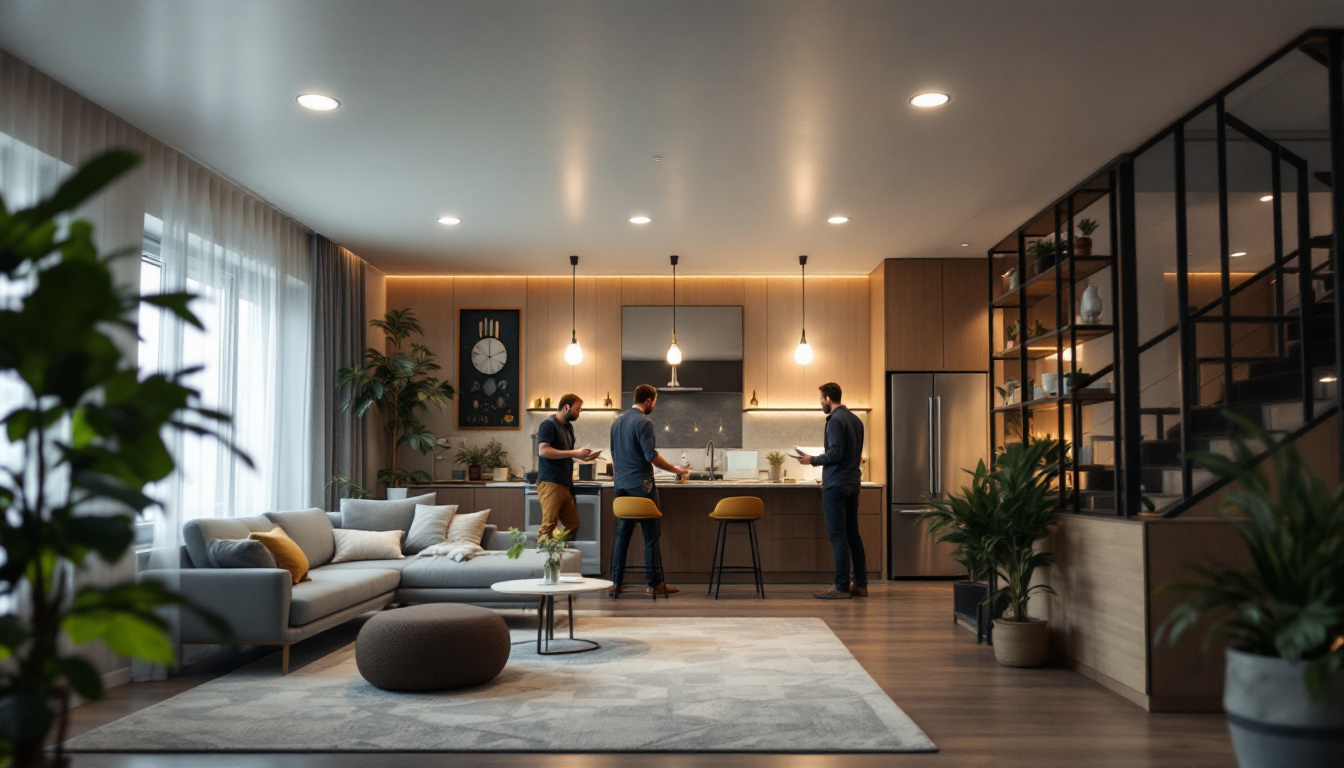
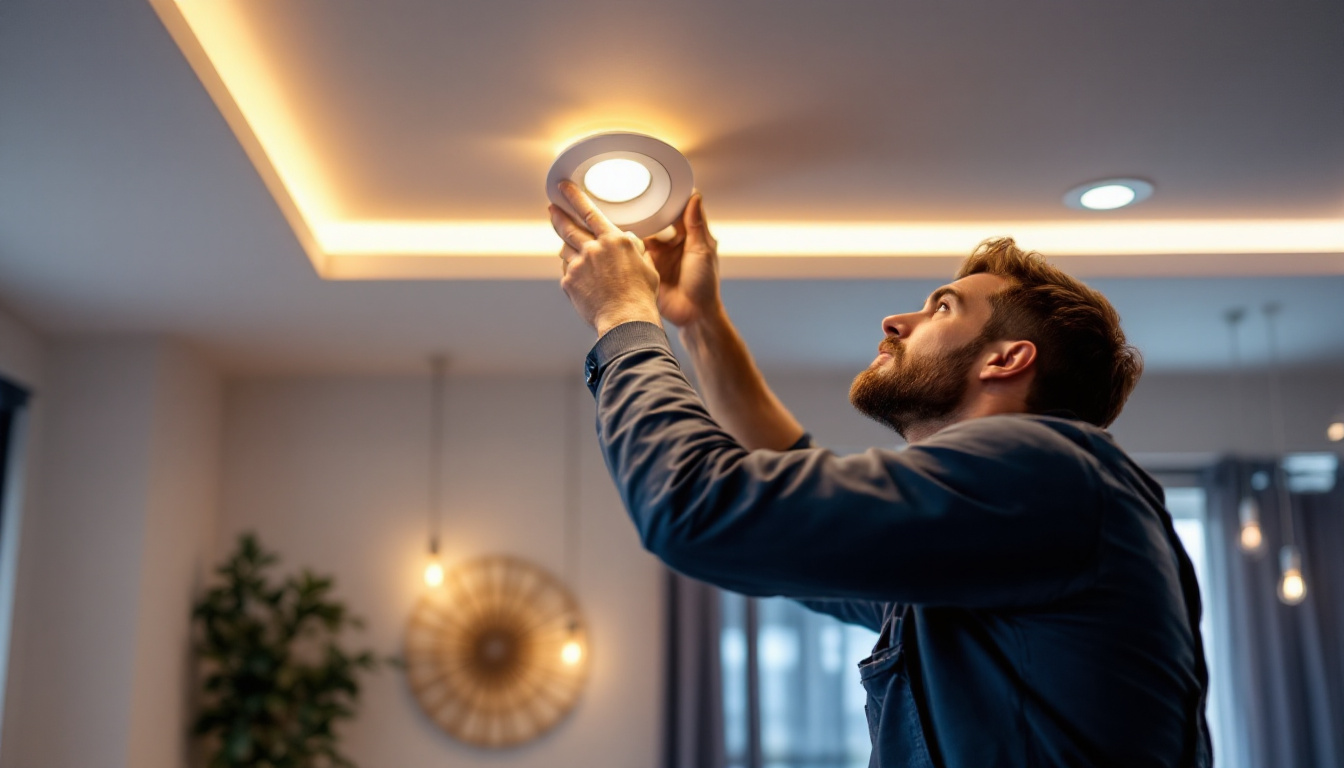
Lighting plays a crucial role in enhancing the ambiance of outdoor spaces, especially in settings like bars where social interaction is paramount. For lighting contractors, understanding the intricacies of outdoor bar lighting can make a significant difference in the overall customer experience. This article outlines essential do’s and don’ts to guide lighting contractors in creating effective, safe, and aesthetically pleasing outdoor bar environments.
The Importance of Outdoor Bar Lighting
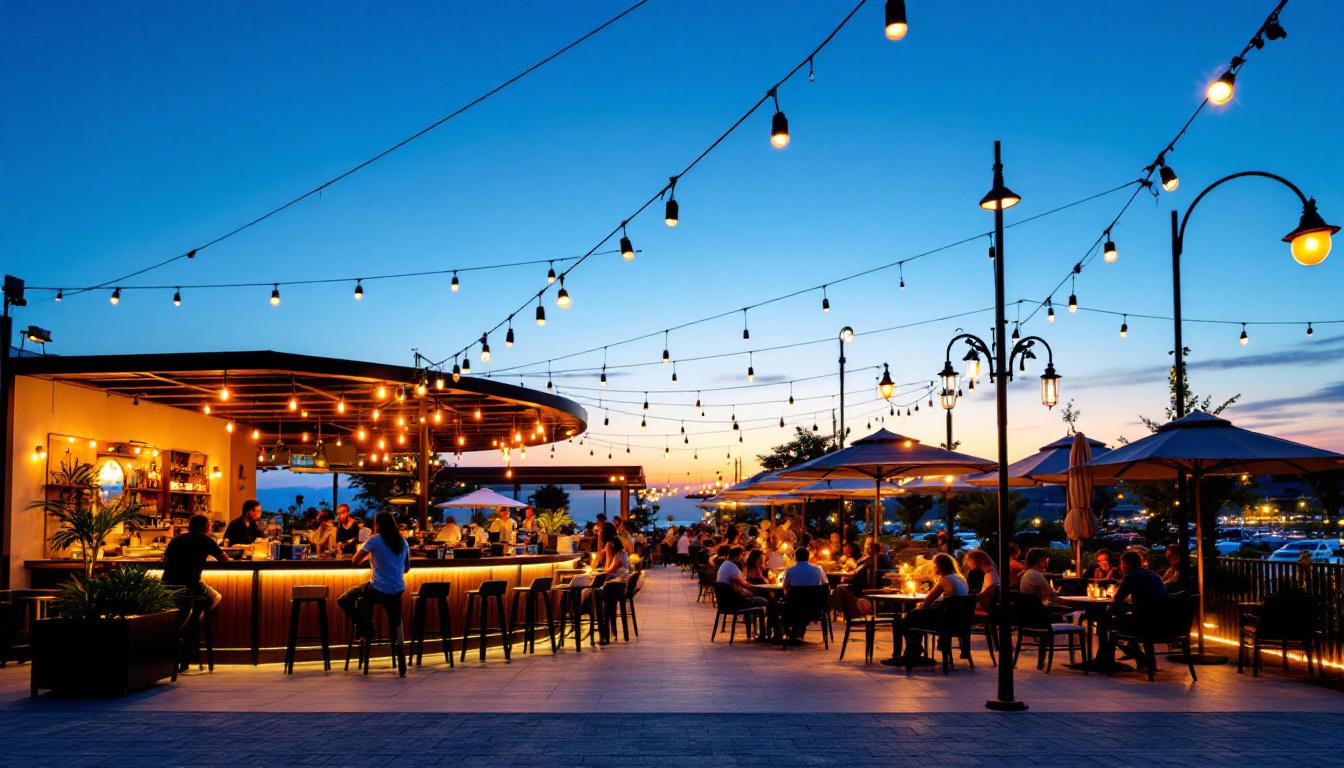
Outdoor bar lighting is not merely a functional necessity; it is a vital aspect of the overall design that influences the mood and atmosphere of the space. Proper lighting can transform a simple outdoor area into an inviting and vibrant social hub. It enhances visibility, ensures safety, and can even highlight architectural features or landscaping.
Moreover, the right lighting can extend the usability of outdoor spaces into the evening hours, allowing patrons to enjoy their experience long after the sun has set. It can also play a significant role in branding, as unique lighting designs can create memorable experiences that keep customers coming back. For instance, the use of colored lights or themed fixtures can evoke specific emotions or themes that align with the bar’s identity, making it a distinctive destination in a crowded market.
Creating Ambiance
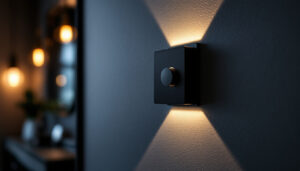
Ambiance is key in any bar setting. Lighting contractors should consider using a mix of ambient, task, and accent lighting to create a layered effect. Ambient lighting provides the overall illumination, while task lighting focuses on specific areas such as the bar counter or dining tables. Accent lighting can highlight features like artwork, plants, or architectural elements. This thoughtful approach not only enhances the aesthetic appeal but also encourages social interaction, as patrons are drawn to well-lit areas that feel inviting and comfortable.
Using dimmable fixtures can offer flexibility, allowing the lighting to adapt to different times of the day or events. This adaptability is essential for creating a welcoming atmosphere that resonates with patrons. For example, during a lively happy hour, brighter lights can energize the space, while softer lighting in the later hours can promote relaxation and intimate conversations. Incorporating smart lighting systems that can be controlled remotely adds an extra layer of convenience, enabling bar owners to adjust the ambiance with ease based on the crowd and occasion.
Safety Considerations
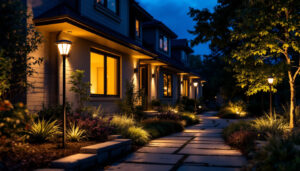
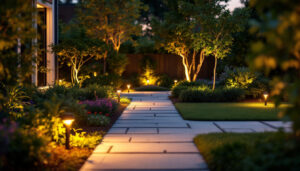
While aesthetics are important, safety should always be a top priority. Proper lighting helps prevent accidents by illuminating pathways, steps, and potential hazards. Lighting contractors must ensure that all areas are well-lit without causing glare or harsh shadows that could lead to missteps. Strategically placed lights along walkways and near seating areas can significantly reduce the risk of accidents, making the space safer for all patrons.
Additionally, using weather-resistant fixtures is crucial in outdoor settings. These fixtures should be designed to withstand various environmental conditions, including rain, wind, and temperature fluctuations, ensuring longevity and reliability. Furthermore, integrating solar-powered lights can be an eco-friendly option, reducing energy costs while providing adequate illumination. Regular maintenance of lighting fixtures is also essential, as burnt-out bulbs or malfunctioning lights can compromise both safety and the overall aesthetic of the bar, detracting from the experience you aim to provide for your guests.
Do’s for Outdoor Bar Lighting
Implementing effective outdoor bar lighting involves adhering to specific best practices. Here are some essential do’s that lighting contractors should follow:
1. Assess the Space
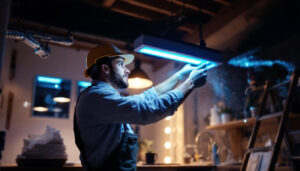
Before installation, a thorough assessment of the outdoor area is essential. Understanding the layout, existing structures, and natural elements will help determine the best lighting solutions. Consider factors such as the bar’s orientation, nearby trees, and any architectural features that could influence light placement.
Engaging with the bar owners to understand their vision and specific needs can also provide valuable insights. This collaboration can lead to a more tailored lighting design that meets both aesthetic and functional requirements. Additionally, it’s important to take into account the local climate and seasonal changes, as these can affect how light interacts with the space. For instance, areas that receive heavy rainfall may require fixtures with higher weather resistance, while spaces that are exposed to direct sunlight may benefit from fixtures that minimize glare and enhance visibility during the day.
2. Choose the Right Fixtures
Selecting appropriate fixtures is crucial for achieving the desired effect. Lighting contractors should consider energy-efficient options, such as LED fixtures, which not only reduce energy costs but also have a longer lifespan. Additionally, the style of the fixtures should complement the overall design of the bar.
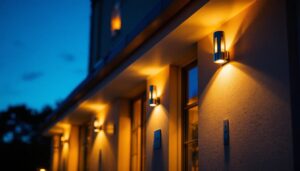
Consider using a combination of pendant lights, string lights, and wall sconces to create a versatile lighting scheme. Each type of fixture serves a different purpose and can enhance the overall aesthetic when used in harmony. For example, pendant lights can provide focused illumination over bar counters, while string lights can create a warm, inviting atmosphere for patrons lounging in outdoor seating areas. Furthermore, incorporating dimmable fixtures can allow for mood adjustments throughout the evening, transitioning from a lively ambiance during peak hours to a more relaxed setting as the night winds down.
3. Incorporate Smart Lighting Solutions
Smart lighting technology offers numerous benefits for outdoor bar settings. These solutions allow for remote control of lighting, enabling adjustments based on the time of day, occupancy, or specific events. Lighting contractors should consider integrating smart systems that can be programmed for different scenarios, enhancing flexibility and user experience.
Moreover, smart lighting can contribute to energy savings by allowing for automated dimming or turning off lights when areas are unoccupied. Additionally, integrating smart sensors can enhance safety by ensuring that pathways and entry points are well-lit when movement is detected. This not only improves the overall experience for guests but also adds a layer of security to the outdoor space. Furthermore, the ability to sync lighting with music or events can elevate the atmosphere, creating a dynamic environment that keeps patrons engaged and entertained throughout their visit.
Don’ts for Outdoor Bar Lighting
While there are many best practices to follow, certain pitfalls should be avoided to ensure successful outdoor bar lighting installations. Here are some key don’ts:
1. Overlook Lighting Placement
Improper placement of lighting fixtures can lead to uneven illumination and create dark spots that detract from the overall experience. Lighting contractors should avoid placing lights too high or too low, as this can impact the effectiveness of the lighting.
Additionally, be mindful of glare from fixtures. Positioning lights at eye level or using shielding can help mitigate glare and enhance comfort for patrons.
2. Neglecting Maintenance Considerations
Outdoor lighting systems require regular maintenance to ensure they function correctly and look appealing. Contractors should avoid using fixtures that are difficult to access for bulb replacement or cleaning. Selecting fixtures that are easy to maintain can save time and effort in the long run.
Furthermore, incorporating features such as weather-resistant materials can reduce the need for frequent repairs or replacements, ensuring the lighting remains effective throughout its lifespan.
3. Ignoring Local Regulations
Each locality may have specific regulations regarding outdoor lighting, including brightness levels, light pollution restrictions, and safety codes. Lighting contractors should familiarize themselves with these regulations to avoid potential fines or rework.
Consulting with local authorities or reviewing zoning laws can provide clarity on what is permissible, ensuring that the installation adheres to all guidelines.
Design Trends in Outdoor Bar Lighting
Staying updated on design trends can help lighting contractors create contemporary and appealing outdoor bar environments. Here are some popular trends to consider:
1. Eco-Friendly Solutions
With growing awareness of environmental issues, many bar owners are looking for sustainable lighting options. Using solar-powered lights or energy-efficient LEDs can appeal to eco-conscious patrons while also reducing operational costs.
Incorporating natural materials, such as wood or stone, in lighting fixtures can also enhance the connection to the outdoors, creating a harmonious environment that resonates with nature.
2. Layered Lighting Techniques
Layered lighting continues to be a popular trend, as it allows for versatility in creating different atmospheres. By combining various types of lighting—such as ambient, task, and accent—contractors can design spaces that are functional during the day and enchanting at night.
Consider using dimmable options to adjust the intensity based on the time of day or specific events, providing patrons with a customized experience.
3. Unique Fixture Designs
Distinctive lighting fixtures can serve as focal points in outdoor bar settings. From oversized pendant lights to artistic wall sconces, unique designs can enhance the bar’s character and attract attention.
Contractors should explore creative options that reflect the bar’s theme or branding, ensuring that the lighting contributes to the overall identity of the establishment.
Case Studies: Successful Outdoor Bar Lighting Projects
Examining successful outdoor bar lighting projects can provide valuable insights for lighting contractors. Here are a few noteworthy examples:
1. Rooftop Bar Transformation
A rooftop bar in an urban setting underwent a lighting redesign to enhance its nighttime appeal. By incorporating a mix of string lights, pendant fixtures, and LED uplighting, the space transformed into a vibrant social hub. The layered lighting created an inviting atmosphere while also highlighting the city skyline.
The use of smart lighting controls allowed the bar to adjust the ambiance based on the crowd, ensuring a tailored experience for patrons.
2. Coastal Bar with Natural Elements
A coastal bar sought to create a relaxed, beachy vibe through its lighting design. The contractor opted for fixtures made from natural materials, such as bamboo and driftwood, which complemented the surrounding environment. Soft, warm lighting was used to create a cozy atmosphere, encouraging patrons to linger.
Additionally, solar-powered lights were integrated into the landscaping, providing eco-friendly illumination that enhanced safety without detracting from the natural beauty of the location.
Conclusion
Outdoor bar lighting is a critical element that can significantly influence the customer experience. By adhering to best practices and avoiding common pitfalls, lighting contractors can create inviting, safe, and aesthetically pleasing environments that enhance the social atmosphere of outdoor bars.
Staying informed about design trends and incorporating innovative solutions can further elevate the lighting design, ensuring that each project stands out. Ultimately, the goal is to create a space where patrons feel comfortable, engaged, and eager to return.
Illuminate Your Outdoor Bar Projects with LumenWholesale
Ready to elevate your outdoor bar lighting projects with premium solutions that promise quality and value? Look no further than LumenWholesale. Our extensive selection of spec-grade lighting products is designed to meet the highest industry standards, ensuring your installations stand out for their reliability and performance. With unbeatable wholesale prices and the convenience of free shipping on bulk orders, LumenWholesale is your go-to source for lighting that enhances any social atmosphere without breaking the bank. Discover wholesale lighting at the best value today and create spaces where patrons are not only comfortable but also delighted to return.