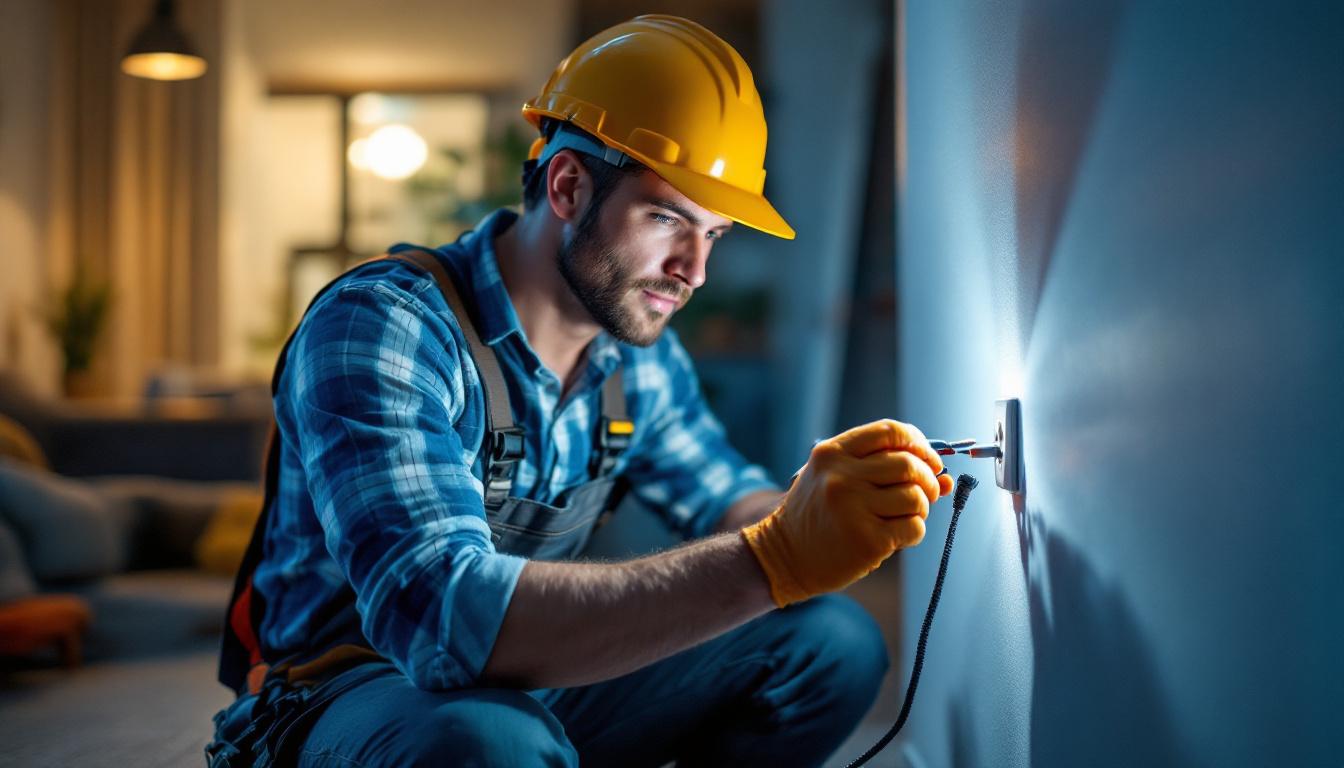
Socket outlets are a crucial component in any electrical installation, especially in lighting projects. As a lighting contractor, understanding the nuances of socket outlets can significantly impact the quality and safety of your work. This guide aims to outline common pitfalls associated with socket outlets and provide practical advice for avoiding them, ensuring that your installations are both efficient and compliant with regulations.
Understanding Socket Outlet Basics
Before diving into the pitfalls, it’s essential to grasp the fundamental aspects of socket outlets. These outlets serve as the interface between the electrical supply and the devices that draw power. They come in various types, including standard, weatherproof, and specialized outlets for specific applications. Familiarity with these types will help in selecting the right outlet for each project.
Types of Socket Outlets
Socket outlets are categorized based on their design and intended use. Standard outlets are commonly found in residential and commercial settings, while weatherproof outlets are designed for outdoor use. Additionally, specialized outlets, such as those for appliances or industrial equipment, may have unique configurations to accommodate specific power requirements.
Understanding the differences between these types is crucial for ensuring that the correct outlet is installed. For instance, using a standard outlet in a damp environment can lead to safety hazards, including electrical shocks or short circuits. Weatherproof outlets, often equipped with protective covers, are engineered to withstand exposure to moisture and dust, making them ideal for outdoor lighting, garden tools, and other equipment used in open-air environments. Furthermore, GFCI (Ground Fault Circuit Interrupter) outlets are essential in areas prone to water exposure, as they provide an additional layer of safety by cutting off power when an imbalance is detected, thereby preventing electrical shocks.
Voltage and Amperage Ratings
Each socket outlet has specific voltage and amperage ratings that dictate its safe usage. Standard residential outlets typically operate at 120V, while commercial or industrial settings may require 240V outlets. It is vital to match the outlet with the expected load to prevent overheating and potential failures.
Moreover, the amperage rating must also align with the devices that will be plugged into the outlet. Overloading an outlet can lead to circuit breaker trips or, worse, electrical fires. Always verify the specifications before installation to avoid these risks. In addition to voltage and amperage, it’s also important to consider the outlet’s design features, such as surge protection and built-in USB ports, which can enhance convenience and safety. Surge-protected outlets help safeguard sensitive electronics from voltage spikes, while USB-integrated outlets eliminate the need for bulky adapters, streamlining the charging process for mobile devices and tablets. Understanding these additional features can greatly improve the functionality and safety of your electrical installations.
Common Pitfalls in Socket Outlet Installation
Even seasoned lighting contractors can encounter challenges during the installation of socket outlets. Awareness of common pitfalls can help mitigate risks and enhance the quality of the installation. Here are some frequent issues to watch out for:
Improper Placement
One of the most significant mistakes in socket outlet installation is improper placement. Outlets should be strategically located to ensure convenience and accessibility. For instance, outlets installed too high or too low can hinder usability, especially in residential settings.
Additionally, consider the layout of furniture and appliances when positioning outlets. Outlets that are not easily accessible can lead to the use of extension cords, which pose safety hazards. Always plan the placement of outlets in advance, taking into account the end-user’s needs. Moreover, it’s crucial to think about future needs; as technology evolves, the demand for charging devices and appliances may increase. Installing additional outlets in key areas can save time and effort later on, avoiding the need for retrofitting or additional installations.
Neglecting Local Codes and Regulations
Compliance with local electrical codes is non-negotiable. Each jurisdiction has specific regulations governing socket outlet installations, including spacing, height, and type of outlet required. Neglecting these codes can lead to fines, project delays, or even safety hazards.
Before commencing any installation, familiarize yourself with the local codes. This not only ensures compliance but also enhances the safety and reliability of your work. Regularly updating your knowledge of these regulations is essential, as they can change over time. Additionally, consulting with local authorities or experienced electricians can provide insights into best practices and common local amendments that may not be widely known. Engaging with the community and attending workshops can also be beneficial in staying informed about the latest trends and regulations in electrical installations.
Overlooking Grounding Requirements
Grounding is a critical safety feature that is often overlooked. Proper grounding of socket outlets helps prevent electrical shocks and ensures that any fault currents are safely directed away from users. Failure to ground outlets can lead to severe safety risks.
When installing socket outlets, ensure that grounding is correctly implemented according to the manufacturer’s specifications and local codes. This may involve using three-prong outlets or connecting to a grounding system. Always double-check grounding connections before finalizing installations. Furthermore, consider the importance of using quality materials; substandard wiring or connectors can compromise the effectiveness of the grounding system. Regular inspections and maintenance of existing outlets can also help identify grounding issues before they escalate into more serious problems, thus ensuring long-term safety and functionality for users.
Best Practices for Socket Outlet Installation
To avoid common pitfalls, adhering to best practices during socket outlet installation is essential. These practices not only enhance the safety and functionality of the outlets but also improve overall project quality.
Conducting a Load Analysis
Before installing socket outlets, conducting a load analysis is crucial. This analysis helps determine the expected electrical load and informs the selection of appropriate outlets. Understanding the power requirements of devices that will be connected to the outlets can prevent overloading and ensure safety.
Consider factors such as the number of devices, their power ratings, and the total load on the circuit. This information will guide the choice of outlet type and configuration, ensuring optimal performance and safety.
Using Quality Materials
Investing in high-quality socket outlets and components is vital for long-lasting installations. Cheap or substandard materials can lead to failures, safety hazards, and increased maintenance costs. Always source outlets from reputable manufacturers and suppliers to ensure reliability.
Additionally, consider the environmental conditions where the outlets will be installed. For outdoor or damp locations, opt for weatherproof outlets that can withstand the elements. Quality materials contribute to the overall durability and safety of the installation.
Testing and Verification
Once the installation is complete, thorough testing and verification are necessary. Use appropriate testing equipment to check for proper voltage, grounding, and functionality of each outlet. This step is crucial in identifying any issues that may not be immediately apparent.
Document the results of your tests, as this can serve as a reference for future maintenance or inspections. Regular testing of socket outlets should be part of ongoing maintenance to ensure continued safety and performance.
Special Considerations for Different Environments
Socket outlet installations may vary significantly depending on the environment. Each setting presents unique challenges and requirements that must be addressed to ensure safety and functionality.
Residential Installations
In residential settings, the focus is often on convenience and aesthetics. Outlets should be placed in easily accessible locations, such as near countertops or in living areas. Consider the needs of the occupants, especially in spaces like kitchens and home offices where multiple devices may be used simultaneously.
Additionally, child safety should be a priority in homes with young children. Installing tamper-resistant outlets can help prevent accidents and ensure a safer environment. Always communicate with homeowners to understand their specific needs and preferences.
Commercial Installations
Commercial environments often have different requirements compared to residential settings. The volume of electrical devices used in offices, retail spaces, and industrial facilities can be significantly higher. Therefore, planning for higher amperage outlets and ensuring sufficient circuit capacity is essential.
Moreover, consider the layout of the space and the potential for future expansion. Installing additional outlets or ensuring that circuits can accommodate future growth can save time and money down the line. Collaborating with facility managers can provide valuable insights into the specific needs of the commercial space.
Outdoor Installations
When installing socket outlets outdoors, additional precautions must be taken to ensure safety and durability. Weatherproof outlets are a must, as they protect against moisture and environmental factors. Furthermore, consider the placement of outlets to avoid exposure to direct elements, such as rain or snow.
Implementing GFCI (Ground Fault Circuit Interrupter) outlets is also crucial for outdoor installations. These outlets provide an added layer of protection against electrical shocks, particularly in wet conditions. Always adhere to local codes regarding outdoor electrical installations to ensure compliance and safety.
Conclusion
Socket outlets are an integral part of any lighting installation, and avoiding common pitfalls is essential for ensuring safety, functionality, and compliance. By understanding the basics of socket outlets, recognizing common installation challenges, and adhering to best practices, lighting contractors can deliver high-quality work that meets the needs of their clients.
Whether working in residential, commercial, or outdoor environments, careful planning and execution will lead to successful installations. By prioritizing quality materials, thorough testing, and adherence to local codes, contractors can enhance their reputation and ensure the safety of their projects.
Ultimately, staying informed about the latest industry standards and continuously improving skills will contribute to long-term success in the field of lighting contracting. Embrace these guidelines and elevate your socket outlet installations to new heights.
Get Your Premium Lighting Supplies at LumenWholesale
Ready to take your lighting installations to the next level? LumenWholesale is here to support your commitment to excellence. With our extensive selection of spec-grade lighting products, you can avoid the common pitfalls of socket outlet installations and ensure your projects shine with safety and reliability. Benefit from our unbeatable wholesale prices and free shipping on bulk orders, making your purchases not just smart, but also economical. Elevate your lighting game with the quality, affordability, and convenience that LumenWholesale offers. Don’t compromise on your lighting supplies—Wholesale Lighting at the Best Value is just a click away.