Understanding Fluorescent Light Fixtures
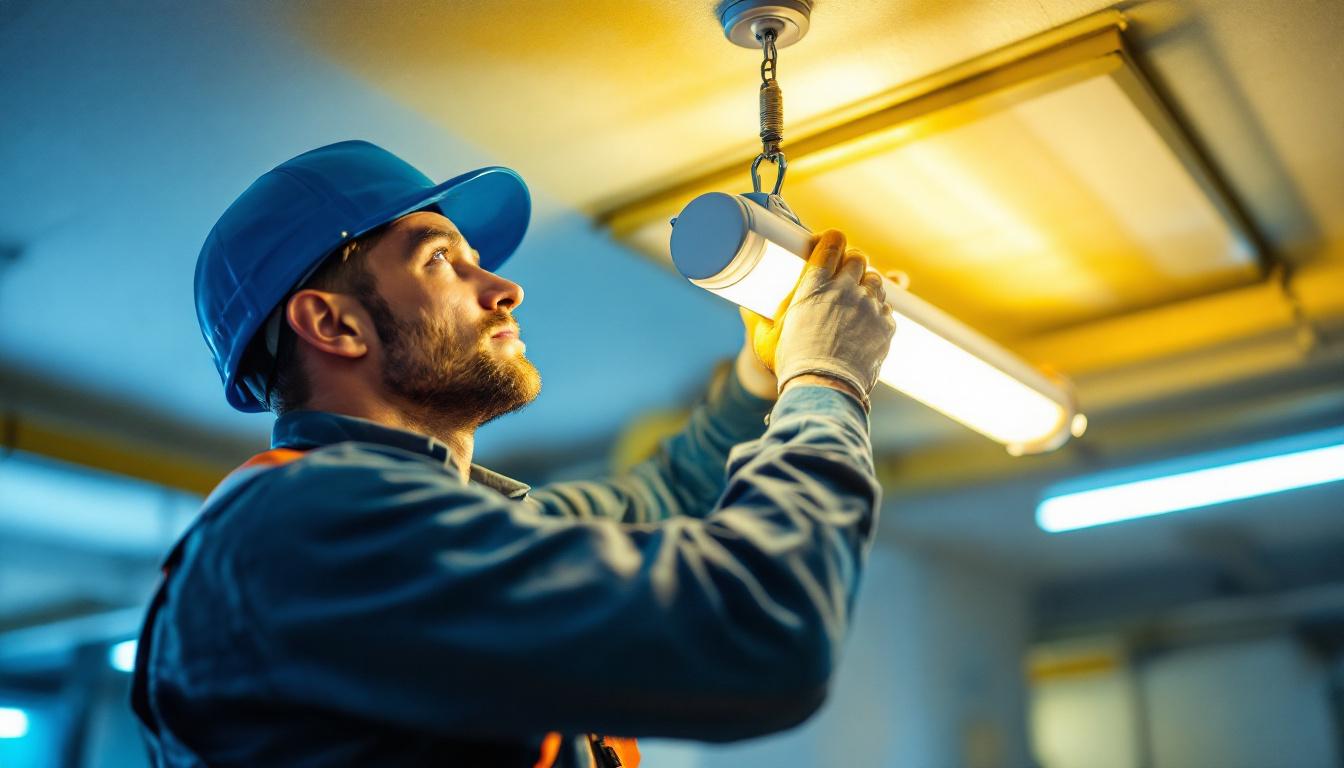
Fluorescent light fixtures have long been a staple in commercial and industrial lighting. They are known for their energy efficiency and ability to illuminate large spaces effectively. However, as technology advances, many businesses are transitioning to LED lighting solutions, which offer even greater energy savings and longer lifespans. For lighting contractors, understanding how to safely and efficiently take down fluorescent light fixtures is essential, not only for service delivery but also for capitalizing on new business opportunities.
The Composition of Fluorescent Fixtures
Fluorescent fixtures typically consist of several key components: the lamp, ballast, and housing. The lamp is the tube that emits light, while the ballast regulates the electrical current to the lamp. The housing provides structural support and protection for these components. A thorough understanding of these parts is crucial for contractors, as it allows for informed decision-making during the removal process. Additionally, it’s important to note that different types of fluorescent lamps, such as T8 and T12, have varying energy requirements and light output, which can impact the choice of replacement fixtures and overall project costs.
Common Applications
These fixtures are commonly found in various settings, including offices, schools, and warehouses. Their widespread use means that lighting contractors frequently encounter them during renovation or upgrade projects. Recognizing the environments in which these fixtures are used can help contractors tailor their services to meet specific client needs. For instance, in educational institutions, the need for consistent and flicker-free lighting is paramount for student concentration and productivity. Similarly, in warehouses, the choice of fixture can affect not only visibility but also safety, as adequate lighting is essential for preventing accidents in high-traffic areas. Understanding these nuances allows contractors to provide more targeted solutions that enhance the functionality and safety of the spaces they work in.
Preparing for the Removal Process
Before embarking on the removal of fluorescent light fixtures, proper preparation is crucial. This phase not only ensures safety but also streamlines the process, making it more efficient and less time-consuming.
Safety Protocols
Safety should always be the top priority when working with electrical fixtures. Contractors must ensure that the power is turned off at the circuit breaker before beginning any work. Additionally, using personal protective equipment (PPE) such as gloves and safety glasses can prevent injuries from broken glass or electrical shocks. Familiarity with safety protocols not only protects the contractor but also instills confidence in clients about the professionalism of the service being provided. It’s also advisable to have a first aid kit readily accessible, as accidents can happen even in the most controlled environments. Furthermore, ensuring that the workspace is well-ventilated can help mitigate any potential hazards associated with dust or debris that may be released during the removal process.
Gathering Necessary Tools
Having the right tools on hand can significantly impact the efficiency of the removal process. Essential tools may include a ladder, screwdriver, wire cutters, and a voltage tester. By preparing these tools in advance, contractors can avoid unnecessary delays and demonstrate their commitment to a high-quality service. Additionally, it might be beneficial to have a utility knife for cutting any adhesive or securing materials that may be present around the fixture. A flashlight can also be helpful, especially in poorly lit areas, ensuring that every step of the removal is executed with precision. Organizing tools in a portable toolbox can save time and reduce the risk of misplacing items during the job, allowing for a smoother workflow and a more professional appearance.
Step-by-Step Guide to Removing Fluorescent Light Fixtures
The actual removal process can be broken down into several manageable steps. By following a systematic approach, contractors can ensure a safe and effective removal.
Step 1: Turn Off Power
As previously mentioned, the first step is to turn off the power at the circuit breaker. This step is non-negotiable and must be done to prevent any electrical hazards. Once the power is off, it is advisable to use a voltage tester to confirm that there is no electricity flowing to the fixture. Additionally, it’s wise to place a warning sign on the circuit breaker to alert others that work is being done, further enhancing safety precautions during the removal process.
Step 2: Remove the Light Bulbs
Next, carefully remove the fluorescent bulbs from their sockets. This process usually involves rotating the bulbs to release them from the fixture. Contractors should handle the bulbs gently to avoid breakage, as shattered glass can pose a safety risk. It is also advisable to place the removed bulbs in a designated container to prevent accidents. Furthermore, it’s important to check for any signs of wear or damage on the bulbs themselves, as this can indicate underlying issues with the fixture that may need to be addressed in future installations.
Step 3: Disconnect the Ballast
With the bulbs removed, the next step is to access and disconnect the ballast. This component is often secured with screws, which can be removed using a screwdriver. Once the ballast is loose, contractors should carefully disconnect the wiring, taking note of how the wires are configured for reinstallation or replacement purposes. It may also be beneficial to take pictures of the wiring setup before disconnection, as this can serve as a helpful reference during reinstallation. Additionally, contractors should be aware that some ballasts may contain hazardous materials, such as PCBs, and should be disposed of according to local regulations.
Step 4: Remove the Fixture Housing
After the ballast has been disconnected, the fixture housing can be removed. This usually involves unscrewing it from the ceiling or wall. Depending on the installation, there may be additional clips or brackets that need to be released. Once the housing is free, it can be taken down and properly disposed of or recycled. It’s also a good opportunity to inspect the area where the fixture was mounted for any signs of water damage or mold, which could indicate a need for further repairs or maintenance before a new fixture is installed. Properly documenting the condition of the mounting area can help in planning future renovations or upgrades.
Post-Removal Considerations
Once the fluorescent fixtures have been successfully removed, there are several important considerations that contractors should keep in mind.
Disposal and Recycling
Fluorescent bulbs contain small amounts of mercury, making them hazardous waste. It is crucial for contractors to follow local regulations regarding the disposal of these materials. Many areas have designated recycling programs for fluorescent bulbs, and contractors should be aware of these options to ensure compliance and promote environmental responsibility. Additionally, it is beneficial to educate clients about the importance of proper disposal, as this not only protects the environment but also encourages responsible practices within the community. Contractors might consider partnering with local recycling centers to facilitate the safe disposal of these materials, which can enhance their service offerings and demonstrate a commitment to sustainability.
Client Communication
After the removal process, effective communication with clients is vital. Contractors should inform clients about the next steps, whether it involves installing new lighting or conducting further assessments. Providing clear information helps build trust and reinforces the contractor’s professionalism. Furthermore, it is essential to address any concerns clients may have regarding the safety and efficiency of the new lighting solutions being proposed. Offering detailed explanations about the benefits of alternative lighting options, such as LED technology, can help clients make informed decisions. This proactive approach not only enhances client satisfaction but also positions the contractor as a knowledgeable resource in the field, fostering long-term relationships and potential referrals.
Business Benefits of Removing Fluorescent Fixtures
For lighting contractors, mastering the removal of fluorescent light fixtures can lead to numerous business benefits. Understanding these advantages can help contractors position themselves more effectively in the market.
Expanding Service Offerings
By offering fluorescent fixture removal as part of their services, contractors can expand their service offerings. This capability allows them to attract clients who are looking to upgrade their lighting systems. Additionally, it opens up opportunities for contractors to provide consultations on energy-efficient alternatives, such as LED lighting.
Enhancing Client Relationships
Providing a comprehensive service that includes fixture removal demonstrates a contractor’s commitment to meeting client needs. This approach can enhance client relationships and lead to repeat business. Satisfied clients are more likely to recommend contractors to others, further expanding their customer base.
Training and Certification Opportunities
As the lighting industry evolves, ongoing training and certification can provide contractors with a competitive edge. Understanding the latest technologies and safety protocols ensures that contractors remain relevant and knowledgeable.
Staying Updated with Industry Trends
Participating in training programs allows contractors to stay updated with industry trends. Knowledge of new lighting technologies and energy-efficient solutions can help contractors better serve their clients and position themselves as experts in the field.
Certification Programs
Many organizations offer certification programs for lighting professionals. Obtaining these certifications not only enhances a contractor’s credibility but also demonstrates a commitment to professional development. Clients are more likely to trust certified contractors, which can lead to increased business opportunities.
Conclusion
Successfully taking down fluorescent light fixtures is a valuable skill for lighting contractors. By understanding the removal process, adhering to safety protocols, and effectively communicating with clients, contractors can enhance their service offerings and build stronger relationships. Moreover, embracing training and certification opportunities ensures that contractors remain competitive in a rapidly evolving industry. As businesses continue to transition to more energy-efficient lighting solutions, contractors who are well-versed in fixture removal will be well-positioned to thrive in this changing landscape.
Upgrade Your Lighting Solutions with LumenWholesale
Ready to elevate your lighting projects and deliver exceptional value to your clients? Look no further than LumenWholesale for all your lighting needs. Our extensive selection of spec-grade lighting products ensures you have access to the highest quality options at wholesale prices that can’t be beaten. Say goodbye to local distributor markups and hello to premium lighting with the convenience of free shipping. Make the smart choice for your business and visit Wholesale Lighting at the Best Value today to experience the best in quality, affordability, and convenience. Your clients—and your bottom line—will thank you.