As the demand for efficient and effective lighting solutions continues to rise, the role of lighting contractors has become increasingly vital. Among the various lighting technologies available, LED grow lamps, particularly the 600W models, have emerged as a popular choice for both commercial and residential applications. This article aims to provide lighting contractors with essential resources and insights to master the use of 600W LED grow lamps, ensuring optimal results for their clients.
Understanding LED Grow Lamps
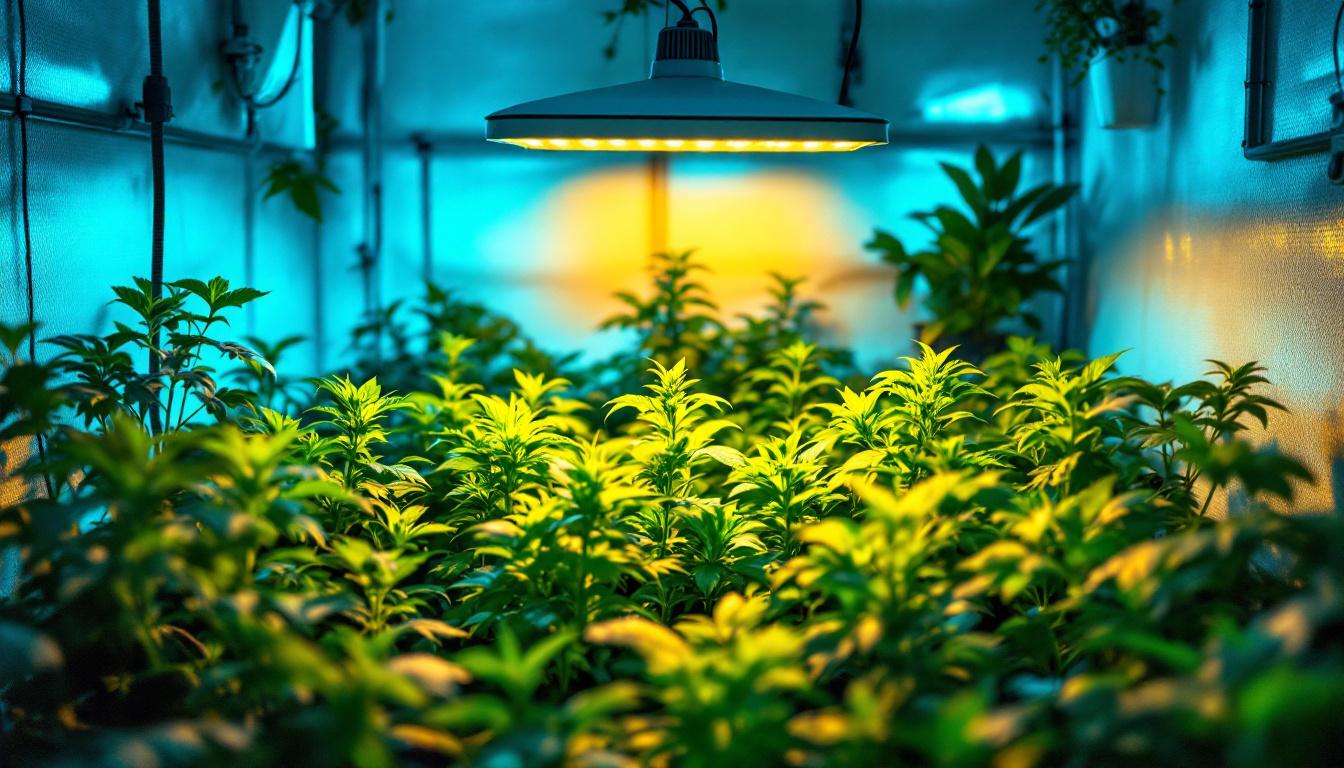
LED grow lamps are designed to provide the specific light spectrum needed for plant growth. Unlike traditional lighting solutions, these lamps are energy-efficient and have a longer lifespan, making them a cost-effective choice for growers. The 600W LED grow lamp is particularly favored for its ability to deliver high-intensity light, which is crucial for photosynthesis and overall plant health. This high output not only promotes vigorous growth but also enhances the quality of the yield, making it a popular choice among both commercial growers and home gardening enthusiasts.
Benefits of Using 600W LED Grow Lamps
One of the primary advantages of 600W LED grow lamps is their energy efficiency. They consume significantly less power compared to traditional HID (High-Intensity Discharge) lights, leading to reduced electricity bills. Additionally, these lamps produce less heat, minimizing the need for extensive cooling systems and creating a more stable growing environment. This feature is particularly beneficial in indoor gardens, where temperature control can be challenging. By maintaining an ideal temperature, growers can prevent heat stress in plants, which can lead to stunted growth or even crop failure.
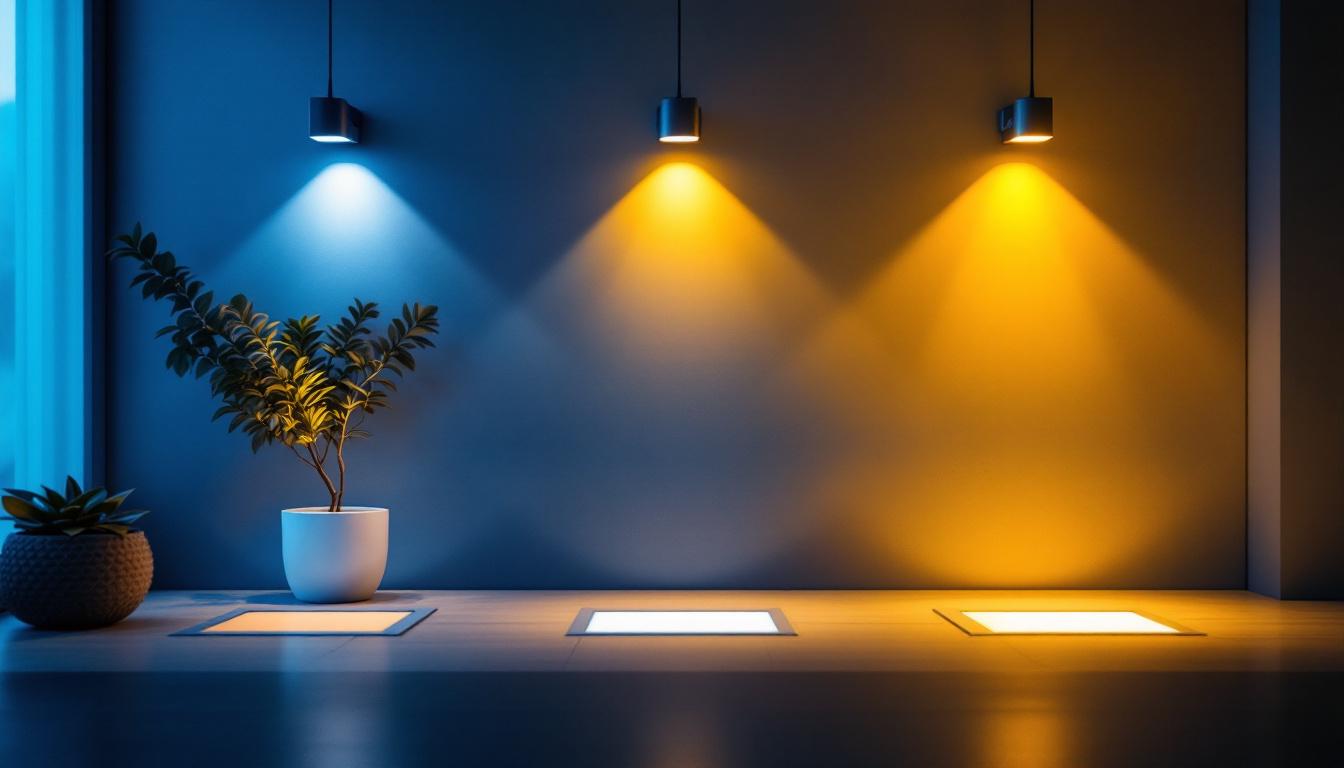
Another benefit is the versatility of LED grow lamps. They can be used for various stages of plant growth, from seedling to flowering, making them a valuable tool for contractors working with diverse plant species. The ability to customize the light spectrum further enhances their effectiveness, allowing for tailored solutions that meet specific plant needs. For instance, during the vegetative stage, plants thrive under blue light, while red light is more beneficial during the flowering phase. This adaptability makes 600W LED grow lamps an essential component in any grower’s toolkit, enabling them to maximize their plants’ potential throughout their life cycle.
Key Features to Look For
When selecting a 600W LED grow lamp, several features should be considered to ensure optimal performance. Look for models with full-spectrum capabilities, as they provide the necessary wavelengths for all growth stages. Additionally, adjustable light intensity settings can help cater to different plant requirements. This flexibility allows growers to simulate natural sunlight conditions, which can lead to healthier plants and improved yields. Some advanced models even come with programmable timers and smart technology integration, enabling users to automate their lighting schedules for maximum efficiency.
Durability is another critical factor. A well-constructed lamp with quality materials will withstand the rigors of a growing environment. Furthermore, energy-efficient models with certifications such as UL or CE can assure contractors of safety and compliance with industry standards. It’s also worth considering the warranty offered by manufacturers, as a longer warranty period often indicates confidence in the product’s longevity and performance. Additionally, some lamps are designed with heat sinks and fans to further enhance their cooling capabilities, ensuring that they operate efficiently without overheating, which can prolong their lifespan and maintain consistent light output.
Installation Best Practices
The installation of LED grow lamps requires careful planning and execution. Proper placement and setup can significantly impact the effectiveness of the lighting system. Lighting contractors should consider the following best practices to ensure successful installation.
Optimal Placement and Height
Positioning the grow lamps at the correct height is essential for achieving uniform light distribution. Depending on the type of plants being grown, the recommended distance between the lamp and the canopy can vary. For instance, flowering plants may require a closer proximity to maximize light absorption, while seedlings may benefit from a higher placement to prevent light burn.
Additionally, ensuring that the lamps are evenly spaced can help avoid hotspots or areas of inadequate lighting. Using adjustable hangers can facilitate easy height adjustments as plants grow, maintaining optimal light exposure throughout the growth cycle. It’s also beneficial to consider the angle of light; some fixtures allow for tilting or rotating, which can help direct light to specific areas that may need more intensity. This flexibility can be particularly advantageous in larger setups where certain plants may be overshadowed by others.
Electrical Considerations
When installing 600W LED grow lamps, it is crucial to assess the electrical requirements of the system. Contractors should ensure that the electrical circuits can handle the load without risk of overload. Utilizing timers and dimmers can help manage energy consumption and extend the lifespan of the lamps.
Moreover, proper wiring and connections are vital for safety and performance. Contractors should adhere to local electrical codes and regulations, ensuring that installations are compliant and secure. It’s also wise to consider the use of surge protectors to safeguard the equipment from voltage spikes, which can occur during storms or electrical grid fluctuations. Additionally, installing a dedicated circuit for the grow lights can help prevent interference with other appliances and ensure that the lighting system operates smoothly without unexpected interruptions.
Maintenance and Troubleshooting
Regular maintenance of LED grow lamps is essential to ensure longevity and optimal performance. Lighting contractors should educate their clients on the importance of routine checks and maintenance practices.
Cleaning and Care
Dust and debris can accumulate on the lamp’s surface, reducing light output and efficiency. Contractors should recommend a regular cleaning schedule, using soft cloths and non-abrasive cleaners to avoid damaging the lamp. It is also important to inspect the cooling fans and vents for any obstructions that could lead to overheating.
Additionally, checking the wiring and connections periodically can help identify potential issues before they escalate. A proactive approach to maintenance can significantly extend the lifespan of the grow lamps and enhance overall performance.
Troubleshooting Common Issues
Despite their reliability, LED grow lamps may encounter issues from time to time. Common problems include flickering lights, reduced intensity, or complete failure. Contractors should be equipped with troubleshooting techniques to address these issues effectively.
For flickering lights, checking the power supply and connections is the first step. If the issue persists, it may indicate a problem with the driver or internal components. Reduced intensity can often be resolved by cleaning the lamp or adjusting the height. In cases of complete failure, it may be necessary to replace the lamp or consult the manufacturer for warranty options.
Advanced Techniques for Maximizing Growth
To truly master the use of 600W LED grow lamps, lighting contractors should explore advanced techniques that can enhance plant growth and yield. These methods can set contractors apart in a competitive market.
Light Cycle Management
Implementing effective light cycle management is crucial for optimizing plant growth. Different stages of growth require varying light durations. For instance, seedlings may thrive under 18 hours of light followed by 6 hours of darkness, while flowering plants typically benefit from a 12/12 light cycle.
Contractors can utilize programmable timers to automate light cycles, ensuring consistency and reducing the risk of human error. This level of precision can lead to healthier plants and higher yields, ultimately benefiting clients and enhancing contractor reputation.
Supplemental Lighting Techniques
In some cases, using supplemental lighting in conjunction with 600W LED grow lamps can further enhance growth. This approach is particularly effective in larger grow spaces or during the winter months when natural light is limited.
Contractors can explore options such as fluorescent or HID lights to complement the LED grow lamps. By strategically placing these additional light sources, contractors can create a more balanced light spectrum, promoting vigorous plant growth and maximizing yield potential.
Resources for Continued Learning
The lighting industry is constantly evolving, and staying informed about the latest trends and technologies is essential for lighting contractors. Several resources are available to help contractors deepen their knowledge and expertise in LED grow lamp technology.
Online Courses and Webinars
Many organizations and educational platforms offer online courses and webinars focused on LED technology and horticultural lighting. These resources can provide valuable insights into the latest advancements, installation techniques, and maintenance practices.
Participating in these educational opportunities not only enhances knowledge but also allows contractors to network with industry professionals, fostering collaborations and partnerships that can lead to future projects.
Industry Publications and Journals
Subscribing to industry publications and journals can keep contractors updated on the latest research, case studies, and product reviews related to LED grow lamps. These resources often feature expert opinions and insights that can inform decision-making and improve service offerings.
Additionally, attending industry conferences and trade shows can provide hands-on experience with new products and technologies, allowing contractors to stay ahead of the curve in a rapidly changing market.
Conclusion
Mastering the use of 600W LED grow lamps is essential for lighting contractors looking to provide top-notch solutions for their clients. By understanding the technology, implementing best practices for installation and maintenance, and exploring advanced techniques, contractors can enhance their service offerings and improve client satisfaction.
Continued education and staying informed about industry trends will further empower lighting contractors to excel in their field. As the demand for efficient lighting solutions grows, those who invest in mastering LED grow lamp technology will undoubtedly stand out in the competitive landscape.
Get Your 600W LED Grow Lamps at LumenWholesale
Ready to elevate your lighting solutions with the efficiency and power of 600W LED grow lamps? Look no further than LumenWholesale, where we provide contractors with the highest quality, spec-grade lighting products at unbeatable wholesale prices. Say goodbye to inflated markups and hello to superior lighting that meets the highest industry standards. With our hassle-free bulk buying and free shipping, you can ensure your projects shine with premium lighting at the best value. Don’t compromise on quality or affordability. Explore our selection now and experience the LumenWholesale difference!