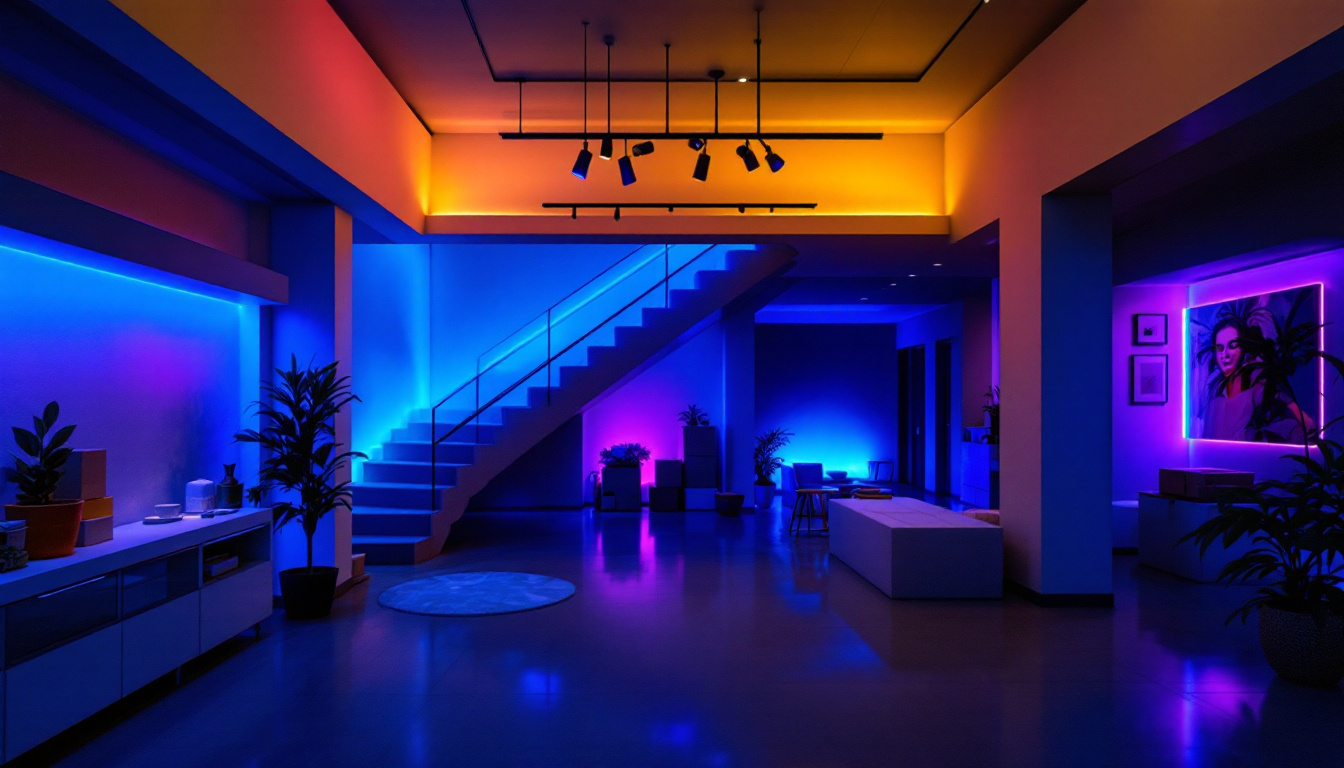
In the world of outdoor lighting, lighted canopies stand out as a popular choice for enhancing visibility and aesthetics. For lighting contractors, understanding the intricacies of lighted canopies is essential for delivering high-quality installations that meet client expectations. This article delves into the key aspects of lighted canopies, providing valuable insights for contractors looking to excel in this niche.
Understanding Lighted Canopies
Lighted canopies serve a dual purpose: they provide shelter and enhance illumination. Commonly found in commercial settings such as gas stations, parking lots, and retail spaces, these structures are designed to offer safety and visibility during nighttime hours. The integration of lighting into canopies not only improves functionality but also elevates the overall aesthetic appeal of the space. In addition, lighted canopies can create a welcoming atmosphere, encouraging customers to engage with the business after dark. This is particularly important for establishments that operate late into the evening, as well-lit areas can significantly reduce the risk of accidents and crime, making patrons feel more secure.
Types of Lighted Canopies
There are several types of lighted canopies, each designed to cater to specific needs and environments. The most common types include:
- Fixed Canopies: These are permanently installed structures that provide consistent coverage and lighting.
- Retractable Canopies: These can be opened or closed based on weather conditions, offering flexibility in usage.
- Portable Canopies: Ideal for temporary setups, these can be easily transported and installed as needed.
Each type has its own set of advantages and considerations, making it crucial for contractors to assess the client’s requirements before recommending a solution. For instance, fixed canopies are perfect for businesses that require year-round protection, while retractable options are favored by those who want to maximize natural light during the day. Portable canopies, on the other hand, are often used for events or seasonal promotions, allowing businesses to adapt quickly to changing circumstances.
Materials and Design Considerations
The materials used in constructing lighted canopies play a significant role in their durability and performance. Common materials include aluminum, steel, and various types of fabric. Each material has its benefits, such as resistance to weather conditions or ease of maintenance. For example, aluminum is lightweight and resistant to rust, making it ideal for outdoor applications, while steel offers greater strength and durability for high-traffic areas. Fabrics can provide a softer aesthetic and can be treated for UV resistance, making them suitable for sunny climates.
Design is equally important. The canopy should complement the existing architecture while ensuring that the lighting is effective. Factors such as height, shape, and color can influence both the functional and aesthetic aspects of the installation. Moreover, incorporating energy-efficient LED lighting not only reduces operational costs but also aligns with sustainability goals, appealing to environmentally conscious consumers. Thoughtful design can also include features like integrated signage or branding opportunities, further enhancing the visibility and identity of the business. Ultimately, a well-designed lighted canopy can transform an ordinary space into a vibrant hub of activity, drawing in customers and enhancing their experience.
Lighting Options for Canopies
Choosing the right lighting fixtures is crucial for maximizing the effectiveness of a lighted canopy. Various options are available, each with distinct features and benefits.
LED Lighting
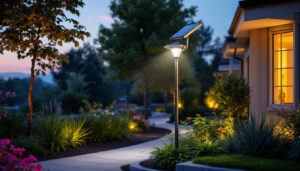
LED lights have become the go-to choice for many contractors due to their energy efficiency and long lifespan. They provide bright illumination while consuming less power, making them an environmentally friendly option. Additionally, LED fixtures are available in various color temperatures, allowing for customization based on the desired ambiance. For instance, warmer tones can create a cozy atmosphere for outdoor gatherings, while cooler tones are ideal for workspaces or events that require focus and clarity. Furthermore, the durability of LED lights makes them suitable for outdoor use, as they are less prone to breakage and can withstand various weather conditions.
Fluorescent and HID Lights
Fluorescent lights are another option, known for their ability to cover large areas with even lighting. However, they may not be as energy-efficient as LEDs. High-Intensity Discharge (HID) lights, while powerful, can be less favored due to their higher energy consumption and shorter lifespan compared to LEDs. Nonetheless, HID lights are often praised for their ability to produce a high lumen output, making them effective for illuminating large outdoor spaces, such as parking lots or sports fields. It’s important to consider the specific application when choosing between these options, as the right choice can significantly impact both performance and operational costs.
Smart Lighting Solutions
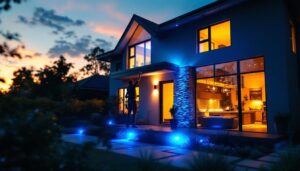
Incorporating smart lighting technology into lighted canopies is an emerging trend that offers numerous benefits. Smart lighting systems allow for remote control, scheduling, and even integration with security systems. This technology not only enhances convenience but also optimizes energy usage, which can be a selling point for clients. Additionally, many smart lighting solutions come equipped with sensors that adjust brightness based on ambient light levels, ensuring that the canopy is always adequately lit without wasting energy. This adaptability can be particularly beneficial for businesses that operate during varying hours or have fluctuating customer traffic. As smart home technology continues to evolve, the integration of these systems into outdoor spaces is likely to become increasingly popular, providing both functionality and a modern touch to traditional canopy setups.
Installation Best Practices
Successful installation of lighted canopies requires careful planning and execution. Contractors should adhere to best practices to ensure safety, functionality, and longevity of the installation.
Site Assessment
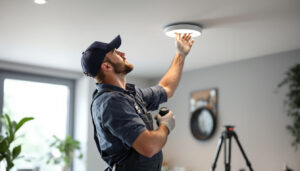
Before installation, a thorough site assessment is essential. This includes evaluating the existing infrastructure, determining the optimal placement of the canopy, and understanding the local regulations regarding lighting and structures. A comprehensive assessment helps in identifying potential challenges and streamlining the installation process.
Electrical Considerations
Proper electrical planning is crucial for the safe operation of lighted canopies. Contractors must ensure that the electrical system can handle the load of the lighting fixtures. Additionally, using weatherproof and durable wiring is essential to withstand outdoor conditions.
Compliance with Regulations
Adhering to local building codes and regulations is non-negotiable. This includes obtaining the necessary permits and ensuring that the installation meets safety standards. Failure to comply can result in fines or the need for costly modifications.
Maintenance and Upkeep
Post-installation, maintenance is vital for ensuring the longevity and performance of lighted canopies. Regular upkeep not only extends the lifespan of the fixtures but also maintains the safety and aesthetic appeal of the installation.
Regular Inspections
Conducting regular inspections allows contractors to identify potential issues before they escalate. This includes checking for damaged fixtures, ensuring that wiring is intact, and assessing the overall condition of the canopy. A proactive approach to maintenance can save clients money in the long run.
Cleaning and Upkeep
Keeping the canopy clean is essential for maintaining its appearance and functionality. Dust, debris, and weather-related grime can accumulate over time, affecting the lighting quality. Contractors should advise clients on proper cleaning techniques and schedules to ensure optimal performance.
Client Education and Communication
Educating clients about the features and benefits of lighted canopies is crucial for fostering a positive relationship. Clear communication helps set expectations and ensures that clients understand the value of their investment.
Demonstrating Value
Contractors should take the time to explain the advantages of different lighting options, maintenance requirements, and potential energy savings. This not only helps clients make informed decisions but also reinforces the contractor’s expertise.
Providing Support
Offering ongoing support after installation can enhance client satisfaction. This may include providing maintenance tips, answering questions, or offering service packages for regular upkeep. Building a rapport with clients can lead to repeat business and referrals.
Challenges and Solutions
While lighted canopies offer numerous benefits, they also present challenges that contractors must navigate. Identifying potential issues and having solutions at hand is essential for successful installations.
Weather-Related Challenges
Outdoor installations are inherently susceptible to weather conditions. Heavy rain, snow, or extreme temperatures can impact both the installation process and the longevity of the materials used. Contractors should select weather-resistant materials and consider the local climate when planning installations.
Budget Constraints
Clients often have budget constraints that can limit the scope of a project. Contractors should be prepared to offer flexible solutions that meet the client’s needs without compromising on quality. This may involve suggesting alternative materials or lighting options that fit within the budget.
Future Trends in Lighted Canopies
The lighting industry is continually evolving, and staying ahead of trends is crucial for contractors. Understanding emerging technologies and design concepts can provide a competitive edge.
Sustainability Initiatives
As environmental awareness grows, more clients are seeking sustainable solutions. This includes energy-efficient lighting options, recyclable materials, and environmentally friendly installation practices. Contractors who embrace sustainability can attract a broader client base and contribute positively to the environment.
Integration with Smart City Concepts
As urban areas evolve into smart cities, the integration of lighting solutions with city infrastructure is becoming increasingly important. Contractors should explore opportunities to incorporate smart technologies that enhance safety, efficiency, and connectivity within urban environments.
Conclusion
Lighted canopies are a valuable addition to outdoor spaces, providing safety, visibility, and aesthetic appeal. For lighting contractors, understanding the various aspects of lighted canopies—from design and installation to maintenance and emerging trends—is essential for success. By staying informed and adapting to client needs, contractors can excel in this dynamic field, delivering high-quality installations that stand the test of time.
Illuminate Your Projects with LumenWholesale
Ready to elevate your lighted canopy installations with the finest lighting solutions on the market? Look no further than LumenWholesale, where we provide lighting contractors with the highest quality, spec-grade lighting products at unmatched wholesale prices. Our commitment to excellence ensures that you have access to a vast selection of reliable and efficient lighting options, designed to meet the most rigorous industry standards. Take advantage of our hassle-free bulk buying experience, complete with free shipping, and secure premium lighting for your projects at the best value — without any hidden costs. Discover the ideal fusion of quality, affordability, and convenience at LumenWholesale and make your next lighted canopy project shine.