Lighting contractors play a crucial role in ensuring that spaces are not only illuminated but also safe and aesthetically pleasing. One area that often requires special attention is stairway lighting. Proper stairway lighting is essential for safety, functionality, and visual appeal. This article delves into the science behind stairway lighting, offering valuable insights for lighting contractors.
The Importance of Stairway Lighting
Stairways are often considered transitional spaces, yet they serve a vital function in any building. The importance of adequate lighting in these areas cannot be overstated. Insufficient lighting can lead to accidents, injuries, and even legal liabilities for property owners.
Moreover, well-designed stairway lighting enhances the overall aesthetic of a space. It can highlight architectural features, guide occupants safely, and create a welcoming atmosphere. Understanding the nuances of stairway lighting is essential for lighting contractors who aim to deliver high-quality installations.
Safety Considerations
Safety is the primary concern when it comes to stairway lighting. Poorly lit staircases can result in missteps, falls, and other accidents. The Illuminating Engineering Society (IES) recommends specific light levels for stairways to ensure visibility. Typically, a minimum of 5 to 10 foot-candles is recommended at the tread level.
In addition to brightness, the placement of lights is crucial. Lighting should be evenly distributed to avoid shadows, which can obscure steps and create hazards. Furthermore, contractors should consider using motion sensors or timers to ensure that lights are activated when needed, enhancing safety during late-night or early-morning hours. Incorporating features such as illuminated handrails or step lights can also provide additional guidance for users, particularly in residential settings where family members may navigate the stairs in dim light.
Design Aesthetics
Beyond safety, stairway lighting offers an opportunity for creative expression. The design of lighting fixtures can complement the architectural style of the building. For instance, modern staircases may benefit from sleek, minimalist fixtures, while traditional spaces might call for ornate chandeliers or sconces.
Lighting contractors should also consider color temperature when selecting bulbs. Warmer temperatures can create a cozy atmosphere, while cooler temperatures may lend a more contemporary feel. The choice of lighting can significantly impact the overall ambiance of the stairway. Additionally, integrating dimmable options allows occupants to adjust the lighting based on the time of day or occasion, providing versatility in how the space is experienced. Accent lighting can also be strategically placed to draw attention to artwork or decorative elements along the stairway, further enhancing the visual appeal and making the staircase a focal point of the interior design.
Types of Stairway Lighting
There are various types of lighting options available for stairways, each with its unique advantages and applications. Understanding these options allows lighting contractors to make informed decisions that best suit the specific needs of their clients.
Recessed Lighting
Recessed lighting is a popular choice for stairways due to its unobtrusive design. These fixtures are installed into the ceiling, providing a clean, modern look. When strategically placed, recessed lights can illuminate each step effectively while minimizing glare.
However, it is essential to consider the spacing and angle of recessed lights. If placed too far apart or at the wrong angle, they may create dark spots. Contractors should also ensure that the fixtures are rated for damp locations if the stairway is exposed to moisture. Additionally, incorporating dimmable options can enhance the versatility of recessed lighting, allowing homeowners to adjust the brightness according to the time of day or mood, further enhancing the stairway’s ambiance.
Wall Sconces
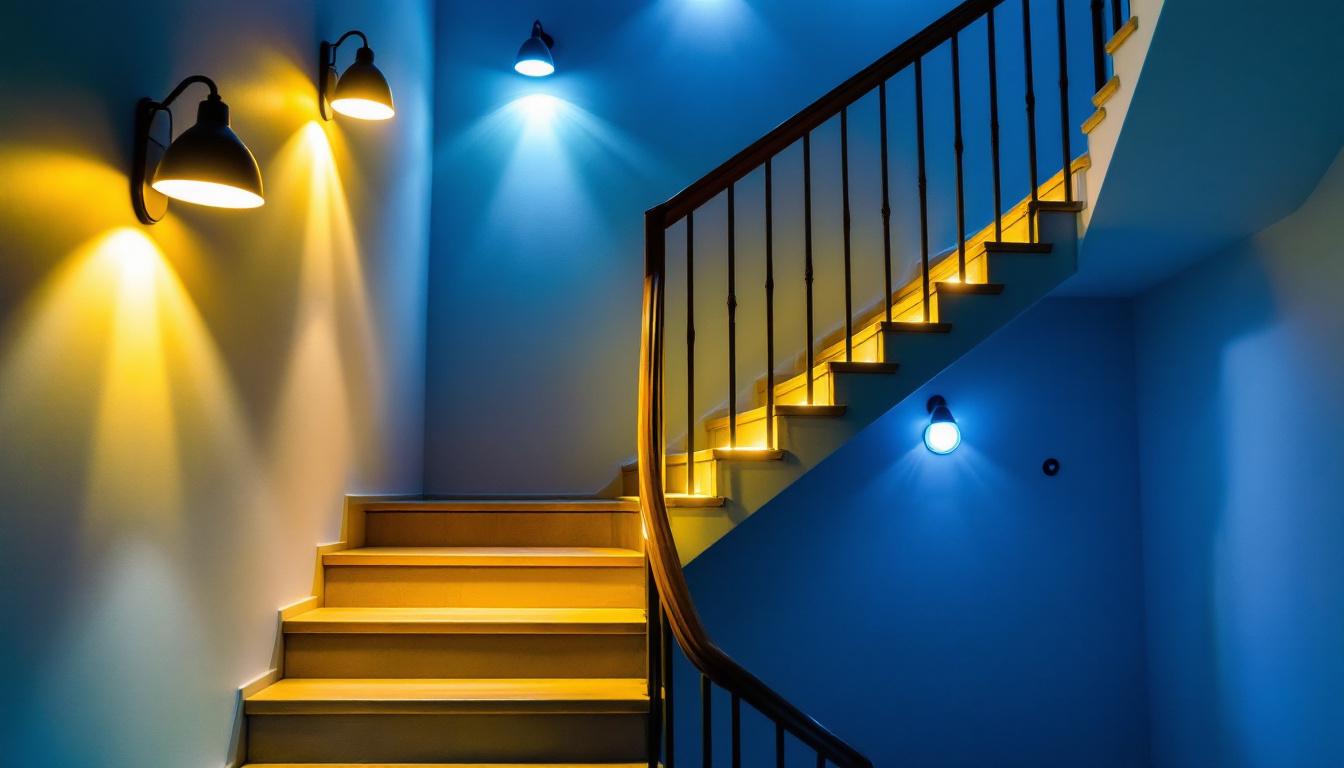
Wall sconces are another excellent option for stairway lighting. These fixtures can be mounted on the walls adjacent to the staircase, providing both functional and decorative lighting. Sconces can be used to highlight artwork or architectural features, adding to the overall aesthetic appeal.
When selecting sconces, it is vital to choose fixtures that provide adequate light without creating excessive shadows. The height at which sconces are installed can also affect their effectiveness. Generally, sconces should be mounted at a height that allows for optimal illumination of the stair treads. Furthermore, the choice of bulb can significantly impact the quality of light emitted; warm white bulbs tend to create a welcoming atmosphere, while cooler tones can offer a more contemporary feel. Exploring different styles and finishes can also help homeowners find sconces that complement their interior design while ensuring safety and visibility.
Step Lights
Step lights are specifically designed for illuminating individual steps. These fixtures can be recessed into the risers or installed on the side of the steps. Step lights provide direct illumination, helping to prevent accidents by clearly defining each step.
While step lights enhance safety, they can also contribute to the overall design of the stairway. Available in various styles and finishes, they can seamlessly blend into the staircase or stand out as a design feature. Contractors should consider the brightness and color temperature of step lights to ensure they meet safety requirements while enhancing the visual appeal. Additionally, integrating smart lighting technology can allow for motion sensors or programmable settings, ensuring that the lights activate automatically when someone approaches the stairs, thus further improving safety and convenience in high-traffic areas.
Lighting Controls and Technology
Advancements in lighting technology have introduced various controls that can enhance the functionality and efficiency of stairway lighting. Understanding these technologies allows lighting contractors to offer modern solutions that meet their clients’ needs. The integration of innovative controls not only improves the aesthetic appeal of stairways but also contributes to energy savings and increased safety, making them an essential consideration in contemporary design.
Smart Lighting Systems
Smart lighting systems allow for greater control over stairway lighting. These systems can be programmed to adjust brightness based on the time of day or occupancy. For instance, lights can dim during the day and brighten at night, providing optimal illumination when needed. Furthermore, many smart lighting systems can be controlled remotely via smartphone apps, enabling users to manage their stairway lighting from anywhere in their home. This feature is particularly beneficial for those who may forget to turn off the lights after leaving the house or for families with children who may need assistance navigating the stairs at night.
Additionally, smart systems can be integrated with motion sensors, ensuring that lights are activated as individuals approach the stairs. This not only enhances safety but also conserves energy by ensuring lights are only on when necessary. Some advanced systems even offer customizable settings, allowing users to create specific lighting scenes that can be activated with a single command. For example, a “welcome home” scene could illuminate the stairway in a warm glow as soon as the front door is opened, creating a welcoming atmosphere while ensuring safety during entry.
Dimming Options
Dimming options provide flexibility in stairway lighting. By incorporating dimmers, contractors can allow users to adjust the brightness according to their preferences or the time of day. This feature can be particularly useful in residential settings, where different activities may require varying levels of illumination. For example, softer lighting may be preferable during late-night hours to create a calming environment, while brighter settings can enhance visibility during daytime activities or gatherings.
Moreover, dimming can extend the lifespan of bulbs, as lower brightness levels reduce wear and tear. Contractors should ensure that the dimming systems used are compatible with the chosen lighting fixtures to avoid flickering or other issues. Additionally, modern dimmers often come with smart technology that allows for seamless integration with home automation systems, enabling users to schedule dimming cycles or adjust settings based on their daily routines. This level of customization not only enhances user experience but also promotes energy efficiency, making stairway lighting a key component of sustainable home design.
Energy Efficiency in Stairway Lighting
Energy efficiency is a growing concern in the lighting industry. As lighting contractors, understanding energy-efficient options is essential for providing sustainable solutions to clients. This not only benefits the environment but can also lead to cost savings for property owners.
LED Lighting
LED lighting has revolutionized the lighting industry due to its energy efficiency and longevity. Compared to traditional incandescent bulbs, LEDs consume significantly less energy and last much longer. This makes them an ideal choice for stairway lighting, where fixtures are often left on for extended periods.
In addition to energy savings, LED lights are available in a variety of color temperatures and styles, allowing for creative design possibilities. Contractors should educate clients about the benefits of LED lighting and help them select the best options for their stairway projects.
Daylight Harvesting
Daylight harvesting is another energy-efficient strategy that can be employed in stairway lighting design. This approach involves using natural light to reduce reliance on artificial lighting during the day. By strategically placing windows or skylights, contractors can maximize natural light in stairwells.
In conjunction with smart lighting systems, daylight harvesting can significantly reduce energy consumption. Lights can be programmed to dim or turn off when sufficient natural light is available, creating a more sustainable lighting solution.
Regulatory Standards and Guidelines
Lighting contractors must be aware of the various regulatory standards and guidelines governing stairway lighting. Compliance with these regulations ensures safety and can protect contractors from potential liabilities.
Building Codes
Building codes often outline specific requirements for stairway lighting, including minimum illumination levels, fixture placement, and emergency lighting provisions. Familiarity with local codes is essential for contractors to ensure compliance during installation.
In many jurisdictions, stairways must also have emergency lighting that activates during power outages. This requirement is crucial for ensuring safety during emergencies, and contractors should be prepared to integrate these systems into their designs.
Accessibility Standards
Accessibility standards, such as those outlined by the Americans with Disabilities Act (ADA), also influence stairway lighting design. These standards ensure that stairways are accessible to individuals with disabilities, including adequate lighting for those with visual impairments.
Contractors should consider these standards when designing stairway lighting systems, ensuring that all occupants can navigate the space safely and comfortably. This may involve additional lighting features or modifications to existing designs.
Conclusion
In conclusion, understanding the science behind stairway lighting is essential for lighting contractors aiming to deliver safe, functional, and aesthetically pleasing solutions. From safety considerations to energy efficiency, various factors must be taken into account when designing stairway lighting systems.
By staying informed about the latest technologies, design trends, and regulatory standards, contractors can provide high-quality installations that meet the needs of their clients. Ultimately, effective stairway lighting enhances not only the safety of occupants but also the overall ambiance of the space.
Illuminate Your Projects with LumenWholesale
Ready to elevate your stairway lighting projects with the highest quality fixtures at the best value? Look no further than LumenWholesale. Our spec-grade lighting products are designed to meet the most rigorous industry standards, ensuring that your installations are not only safe and beautiful but also energy-efficient. With our direct-to-contractor pricing and free shipping on bulk orders, you can access premium lighting solutions without the extra costs. Don’t compromise on quality or price. Discover the unbeatable value of wholesale lighting with LumenWholesale today and light up your stairways with confidence and style.