In the ever-evolving world of lighting design, the emergence of designer light bulbs has transformed the way both contractors and consumers approach illumination. While traditional bulbs have served their purpose for decades, designer options offer unique aesthetics and functionalities that can enhance spaces in innovative ways. However, like any product, they come with their own set of advantages and disadvantages. This article explores the pros and cons of designer light bulbs, providing lighting contractors with essential insights to make informed decisions.
Understanding Designer Light Bulbs
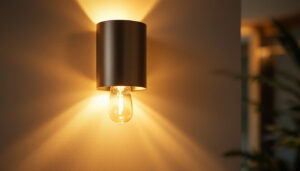
Designer light bulbs are not just functional; they are also an integral part of interior design. These bulbs often feature unique shapes, colors, and finishes that contribute to the overall ambiance of a space. From vintage-inspired Edison bulbs to sleek, modern LED designs, the variety available caters to diverse tastes and design themes. The right light bulb can transform a mundane room into a captivating environment, setting the mood for everything from cozy family gatherings to sophisticated dinner parties.
Moreover, the technology behind these bulbs has advanced significantly. Many designer bulbs now incorporate energy-efficient technologies, such as LED and smart capabilities, allowing for greater control over lighting environments. This blend of aesthetics and functionality makes them appealing to both contractors and clients. The ability to adjust brightness and color temperature not only enhances comfort but also allows for creative expression, enabling homeowners to tailor their lighting to suit different occasions and activities.
The Aesthetic Appeal
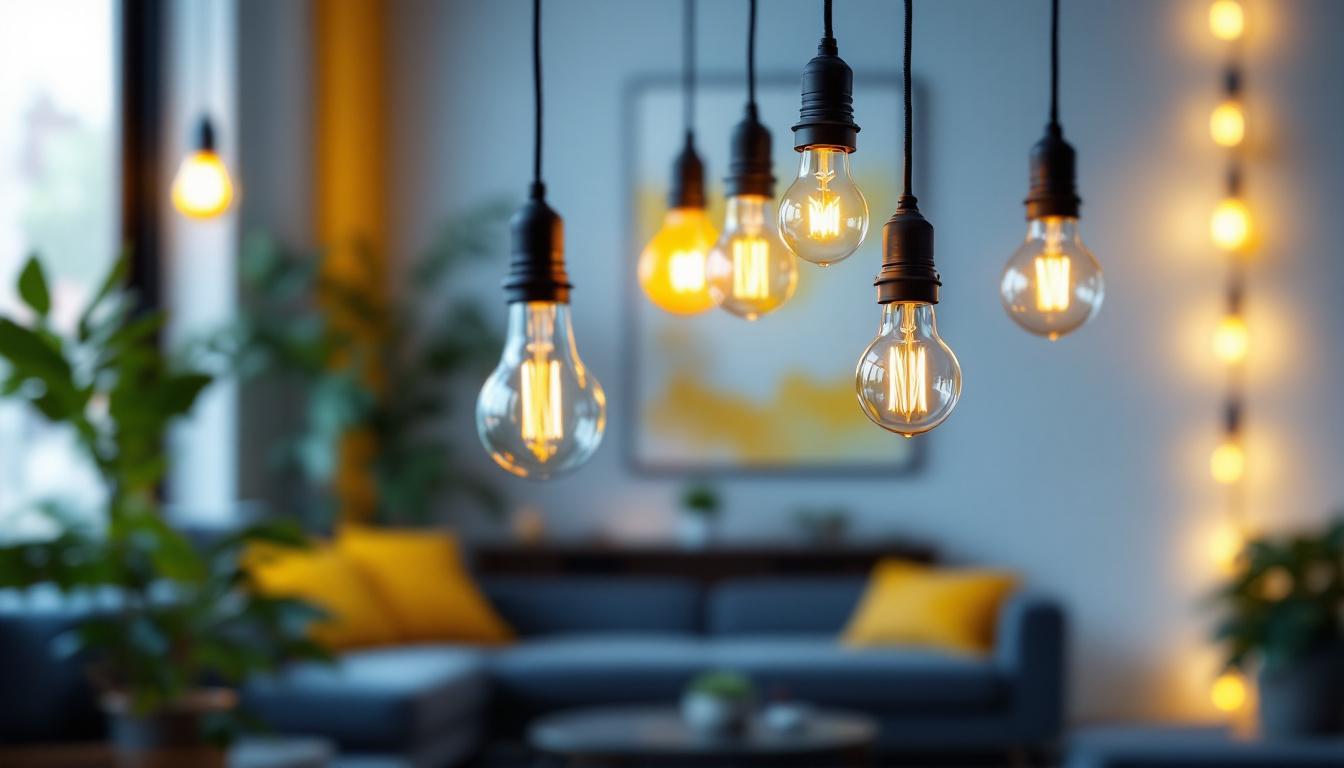
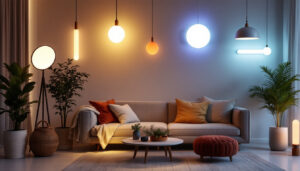
One of the primary advantages of designer light bulbs is their aesthetic appeal. Unlike standard bulbs, which often prioritize functionality over form, designer options can serve as statement pieces. They can complement a room’s decor, enhance architectural features, and create focal points that draw the eye. For instance, a cluster of beautifully designed pendant bulbs can act as a stunning centerpiece in a dining area, while sculptural floor lamps can add a touch of artistry to a living room.
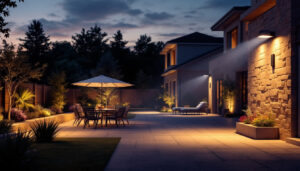
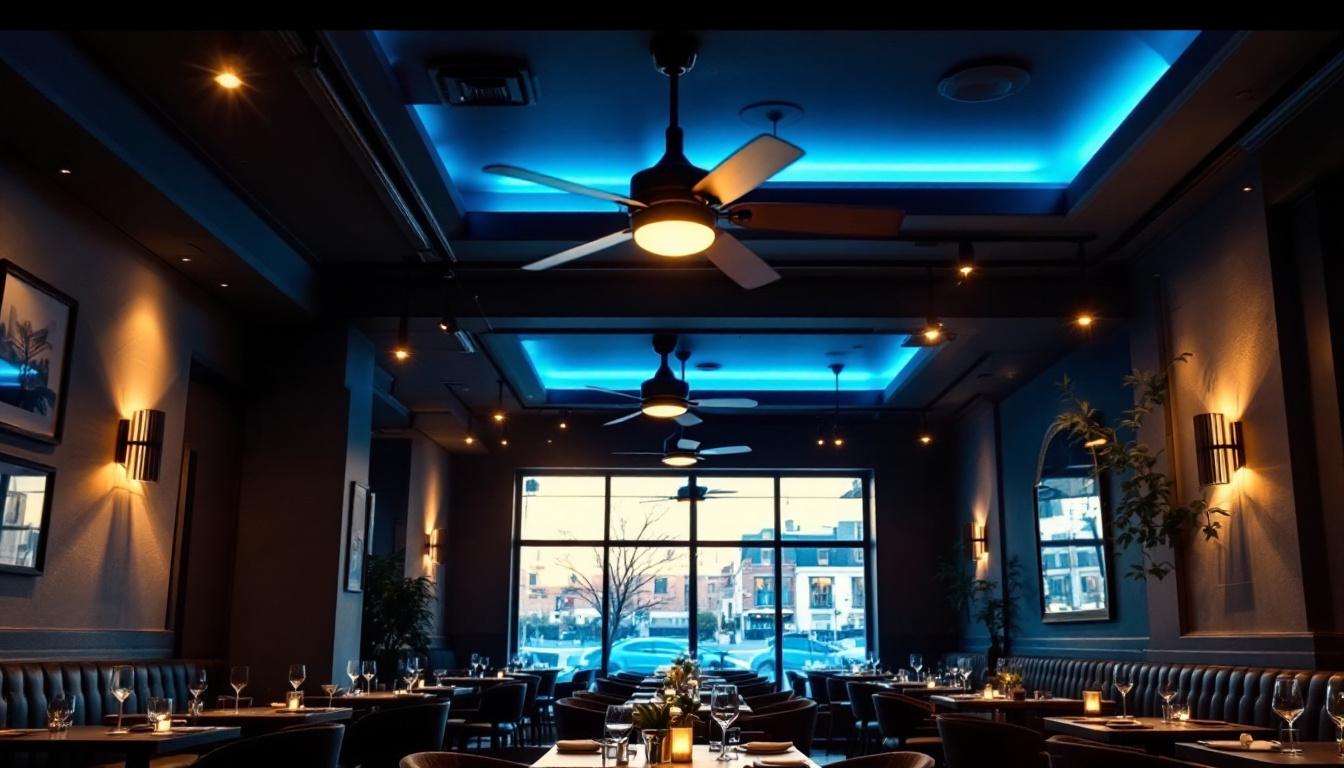
For lighting contractors, this presents an opportunity to offer clients customized solutions that align with their vision. Whether it’s a rustic restaurant looking for vintage charm or a modern office seeking sleek minimalism, designer bulbs can elevate the overall design. Furthermore, the increasing popularity of open-concept living spaces means that lighting choices are more visible than ever, making the selection of designer bulbs a crucial aspect of the design process. The interplay of light and shadow created by these unique bulbs can also enhance textures and colors in a space, adding depth and interest.
Energy Efficiency and Technology
Many designer light bulbs are designed with energy efficiency in mind. LED technology, in particular, has made significant strides in recent years, offering long-lasting bulbs that consume less energy than traditional incandescent options. This not only benefits the environment but also reduces energy costs for clients. The lifespan of LED bulbs can exceed 25,000 hours, making them a practical choice for both residential and commercial applications, where frequent bulb replacements can be a hassle.
Additionally, smart designer bulbs are gaining popularity, allowing users to control lighting through mobile apps or voice commands. This integration of technology can enhance the user experience, making it a selling point for contractors looking to provide cutting-edge solutions. With features like programmable schedules, color-changing capabilities, and integration with home automation systems, these smart bulbs offer unparalleled convenience and flexibility. Imagine being able to set the perfect lighting for movie night with a simple voice command or adjusting the ambiance as the sun sets, all while relaxing on the couch. This level of control not only enhances comfort but also encourages energy savings by allowing users to turn off lights remotely or set timers for when they’re not at home.
The Drawbacks of Designer Light Bulbs
While the benefits of designer light bulbs are compelling, there are also drawbacks that lighting contractors should consider. Understanding these limitations can help in making balanced recommendations to clients.
Cost Considerations
One of the most significant disadvantages of designer light bulbs is their cost. Compared to standard bulbs, designer options can be significantly more expensive. This price disparity can be a barrier for clients with tight budgets, especially when outfitting larger spaces.
Contractors must weigh the aesthetic and energy-saving benefits against the initial investment. It may be necessary to educate clients on the long-term savings associated with energy-efficient bulbs, but the upfront costs can still be a sticking point for many.
Compatibility Issues
Another potential drawback is compatibility with existing fixtures and systems. Some designer bulbs may not fit standard sockets or may require specific dimmers or controls to function properly. This can lead to additional costs for retrofitting or replacing fixtures, which may deter clients from choosing designer options.
Contractors should conduct thorough assessments of existing lighting systems before recommending designer bulbs. Understanding the technical requirements can help avoid unexpected complications down the line.
Limited Availability and Variety
While the market for designer light bulbs is expanding, availability can still be an issue. Not all suppliers carry a wide range of designer options, which can limit choices for contractors and clients alike. Additionally, some unique designs may have longer lead times for ordering, potentially delaying projects.
Contractors should establish relationships with multiple suppliers to ensure access to a diverse array of designer bulbs. This can enhance their ability to meet client needs and preferences effectively.
Choosing the Right Designer Bulbs
Given the pros and cons outlined, selecting the right designer light bulbs for a project requires careful consideration. Contractors must evaluate various factors to ensure that the chosen bulbs align with both the design vision and practical requirements.
Assessing Client Needs and Preferences
Understanding the client’s vision is paramount. Engaging in discussions about their aesthetic preferences, functional needs, and budget constraints can provide valuable insights. This dialogue can help contractors recommend designer bulbs that resonate with the client’s style while remaining within financial limits.
Additionally, it’s essential to consider the intended use of the space. Different environments—such as residential, commercial, or hospitality—may require different lighting solutions. Tailoring recommendations based on these factors can enhance client satisfaction and project success.
Evaluating Technical Specifications
Before making a final decision, it’s crucial to evaluate the technical specifications of the designer bulbs under consideration. Factors such as wattage, lumens, color temperature, and compatibility with existing fixtures play a significant role in performance.
For example, a warm color temperature may be ideal for residential spaces to create a cozy atmosphere, while cooler temperatures may be better suited for work environments. Contractors should be well-versed in these specifications to guide clients effectively.
Staying Informed on Trends
The lighting industry is constantly evolving, with new trends and technologies emerging regularly. Staying informed about the latest designer bulb offerings can give contractors a competitive edge. Attending trade shows, subscribing to industry publications, and participating in online forums can provide valuable insights into current trends and innovations.
Moreover, understanding design trends can help contractors make recommendations that not only meet client needs but also align with contemporary aesthetics. This knowledge can enhance their reputation as knowledgeable professionals in the field.
Case Studies: Successful Implementations
Examining real-world examples of successful implementations of designer light bulbs can provide valuable insights for lighting contractors. These case studies highlight the impact of thoughtful lighting design on various projects.
Residential Transformation
In a recent residential project, a contractor was tasked with renovating a mid-century modern home. The client desired to maintain the home’s original charm while incorporating modern amenities. By selecting designer Edison bulbs for the dining area and kitchen, the contractor was able to create a warm, inviting atmosphere that complemented the home’s architectural style.
The result was a harmonious blend of old and new, showcasing how designer bulbs can enhance the character of a space. The client was thrilled with the outcome, and the contractor gained valuable referrals as a result of the project’s success.
Commercial Space Revitalization
A lighting contractor was approached by a local café looking to revitalize its ambiance to attract more customers. By incorporating designer pendant lights with unique shapes and finishes, the contractor transformed the space into a trendy hotspot. The warm glow of the bulbs created an inviting atmosphere, encouraging patrons to linger longer.
This project not only improved the café’s aesthetics but also increased foot traffic and sales. The contractor’s ability to deliver a tailored lighting solution showcased the power of designer bulbs in commercial settings.
Conclusion: Weighing the Options
Designer light bulbs offer a unique blend of aesthetics and functionality that can elevate any space. For lighting contractors, understanding the pros and cons of these bulbs is crucial to making informed recommendations to clients. While the aesthetic appeal and energy efficiency are compelling benefits, considerations such as cost, compatibility, and availability must also be addressed.
By engaging clients in meaningful discussions about their needs and preferences, evaluating technical specifications, and staying informed on industry trends, contractors can successfully navigate the world of designer light bulbs. Ultimately, the goal is to provide lighting solutions that enhance the beauty and functionality of spaces while meeting client expectations.
As the market for designer light bulbs continues to grow, contractors who embrace this trend will likely find themselves at the forefront of innovative lighting design, ready to meet the evolving demands of their clients.
Illuminate Your Projects with LumenWholesale
Ready to enhance your lighting projects with the perfect blend of design and efficiency? At LumenWholesale, we provide lighting contractors with an exceptional range of designer light bulbs that marry form and function, all at unbeatable wholesale prices. Our commitment to quality and affordability means you can access spec-grade lighting products that meet the highest industry standards, ensuring your projects shine without breaking the bank. Plus, with free shipping on bulk orders, you can stock up on premium lighting solutions with ease. Elevate your lighting designs today and experience the best value in wholesale lighting by visiting Wholesale Lighting at the Best Value.