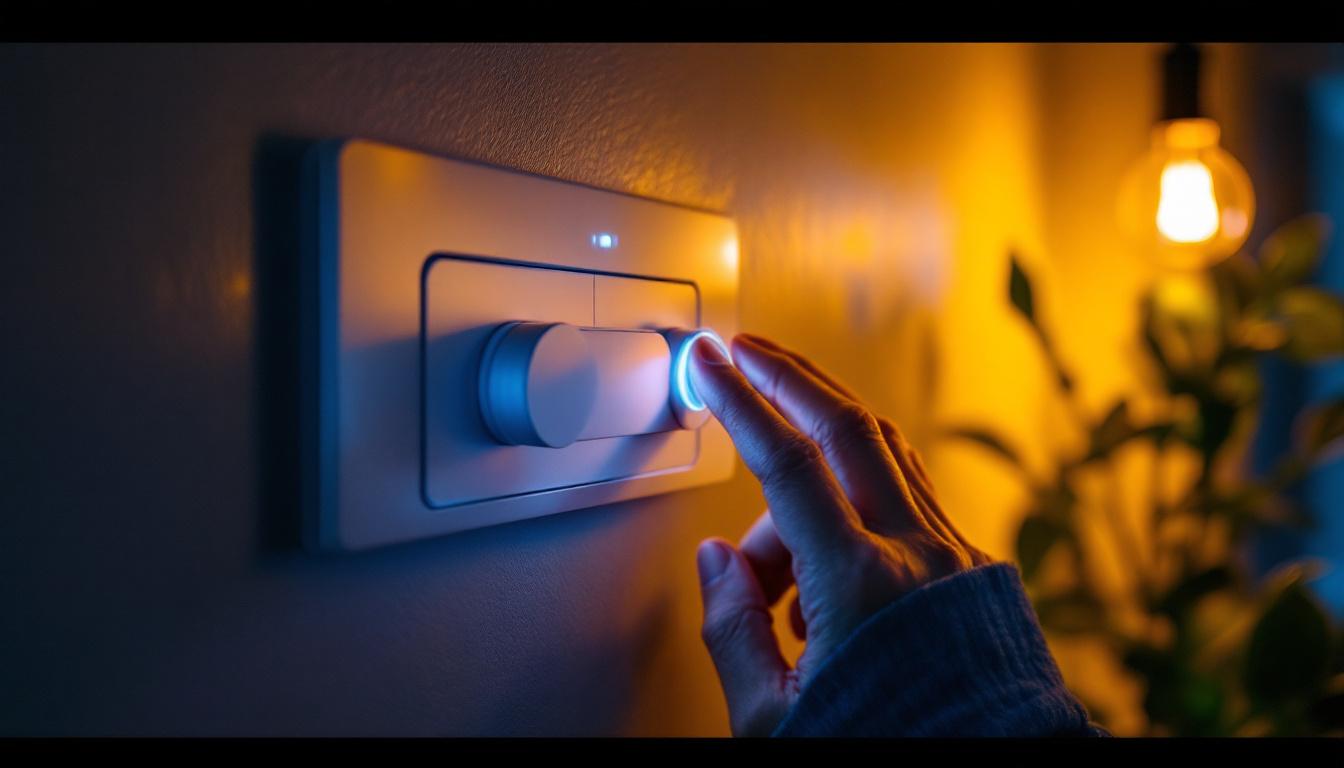
In the world of electrical installations, understanding the various types of outlets is crucial for lighting contractors. Each outlet type serves a specific purpose and comes with its own set of installation requirements, safety standards, and compatibility considerations. This article aims to provide a comprehensive overview of different outlets, helping contractors navigate their options and make informed decisions.
Understanding Electrical Outlets
Electrical outlets, also known as receptacles, are the points where electrical devices connect to the power supply. They come in various shapes and sizes, designed to accommodate different plug types and voltage requirements. For lighting contractors, knowledge of these outlets is essential for ensuring safe and efficient installations.
Types of Outlets
There are several types of outlets commonly used in residential and commercial settings. The most prevalent include standard duplex outlets, GFCI outlets, and dedicated circuits. Each type has its own unique features and applications.
Standard Duplex Outlets
The standard duplex outlet is the most recognizable type, featuring two receptacles that can accept a variety of plugs. These outlets are typically rated for 15 or 20 amps and are found in nearly every room of a home or office. For lighting contractors, understanding the amp rating is essential for ensuring that the outlet can handle the load of connected devices. Additionally, duplex outlets can come with various features such as tamper-resistant designs, which are particularly beneficial in homes with young children, as they prevent accidental insertion of foreign objects.
Ground Fault Circuit Interrupter (GFCI) Outlets
GFCI outlets are designed to protect against electrical shock in areas where moisture is present, such as kitchens and bathrooms. These outlets monitor the electrical current flowing through them and will shut off power if an imbalance is detected. For lighting contractors, it is essential to install GFCI outlets in compliance with local codes to ensure safety in wet locations. Furthermore, GFCI outlets often come with a test and reset button, allowing users to easily check their functionality and ensure ongoing protection. This feature is particularly important in maintaining safety standards, as regular testing can help prevent potential hazards in high-risk areas.
Dedicated Circuits
Dedicated circuits are specifically designed to supply power to a single appliance or device, ensuring that it receives the necessary voltage and amperage without being affected by other devices on the same circuit. This is particularly important for high-demand appliances such as refrigerators, washers, and dryers. For lighting contractors, understanding the requirements for dedicated circuits is crucial, as improper installation can lead to circuit overloads and potential fire hazards. Additionally, dedicated circuits can improve the overall efficiency of electrical systems by reducing the risk of tripped breakers and ensuring that critical devices operate smoothly without interruptions.
Specialty Outlets for Lighting Applications
In addition to standard outlets, there are specialty outlets designed specifically for lighting applications. These outlets provide unique features that enhance functionality and safety in lighting installations. The evolution of technology in this field has led to innovative solutions that not only improve the efficiency of lighting systems but also contribute to energy savings and user convenience.
Dimmer Switch Outlets
Dimmer switch outlets allow users to adjust the brightness of connected lighting fixtures. This feature is particularly valuable in settings where ambiance is essential, such as restaurants or theaters. When installing dimmer switches, contractors must ensure compatibility with the type of lighting being used, as some LED fixtures may require specific dimmers to function correctly. Additionally, modern dimmers often come equipped with features such as preset lighting scenes, which can be programmed for different times of day or events, enhancing the overall user experience. The ability to create a tailored atmosphere can significantly impact the mood and comfort level of a space, making dimmer switches an essential component in both residential and commercial lighting design.
Smart Outlets
Smart outlets have gained popularity in recent years, offering advanced features such as remote control and automation. These outlets can be integrated with home automation systems, allowing users to control lighting through smartphones or voice commands. For lighting contractors, understanding the installation process and compatibility with existing systems is vital for successful integration. Furthermore, smart outlets often include energy monitoring capabilities, providing users with insights into their energy consumption patterns. This information can be invaluable for making informed decisions about energy use and identifying opportunities for savings. As smart home technology continues to evolve, the integration of smart outlets with other devices, such as motion sensors and timers, can create a seamless and efficient lighting experience that adapts to the user’s lifestyle and preferences.
Voltage and Amperage Considerations
When selecting outlets for lighting installations, it is important to consider voltage and amperage ratings. Outlets are designed to handle specific electrical loads, and exceeding these limits can lead to overheating and potential hazards.
Understanding Voltage Ratings
Most residential outlets operate at 120 volts, but some specialized applications may require 240-volt outlets. Lighting contractors should be aware of the voltage requirements for the specific fixtures being installed. Using the incorrect voltage can result in malfunctioning equipment or even damage to the electrical system. Additionally, understanding the implications of voltage drop is essential, especially in longer runs of wiring. Voltage drop can affect the performance of lighting fixtures, leading to dimming or flickering lights, which can be particularly problematic in commercial settings where consistent illumination is critical for both aesthetics and safety.
Amperage Ratings and Load Calculations
Amperage ratings indicate the maximum current an outlet can safely handle. Standard outlets are typically rated for 15 or 20 amps, while dedicated circuits for larger appliances may require higher ratings. Contractors must perform load calculations to ensure that the total amperage of connected devices does not exceed the outlet’s rating. This is crucial for maintaining safety and preventing circuit overloads. Furthermore, it is essential to consider the cumulative effect of multiple devices on the same circuit. For instance, if several high-wattage fixtures are connected to a single outlet, the risk of tripping breakers or causing electrical fires increases significantly. Therefore, implementing a well-planned circuit design that distributes the load evenly across multiple outlets can enhance both safety and efficiency in lighting installations.
Installation Best Practices
Proper installation of electrical outlets is essential for ensuring safety and functionality. Following best practices can help lighting contractors avoid common pitfalls and deliver high-quality work.
Adhering to Local Codes
Every region has specific electrical codes and regulations that govern outlet installation. Lighting contractors must familiarize themselves with these codes to ensure compliance. Failure to adhere to local regulations can result in fines, project delays, or safety hazards.
Using Quality Materials
Investing in high-quality outlets and wiring materials is crucial for long-lasting installations. Cheap or substandard components can lead to frequent failures, posing safety risks to users. Contractors should prioritize reputable brands and products that meet industry standards.
Testing and Verification
After installation, testing outlets for proper functionality is a critical step. This includes verifying that outlets are wired correctly and that they are functioning as intended. Using a multimeter or outlet tester can help identify any issues before the project is completed, ensuring a safe and reliable installation.
Common Issues and Troubleshooting
Even with careful planning and installation, issues can arise with electrical outlets. Being prepared to troubleshoot common problems can save time and enhance customer satisfaction.
Identifying Circuit Overloads
Circuit overloads occur when too many devices draw power from a single outlet or circuit. Signs of an overload include tripped circuit breakers or flickering lights. Lighting contractors should educate clients about the importance of not overloading outlets and consider installing additional circuits if necessary.
Dealing with Faulty Outlets
Faulty outlets can manifest as intermittent power loss, sparks, or unusual odors. When encountering these issues, contractors should first turn off the power to the affected outlet and inspect for loose connections or damaged wiring. If the problem persists, replacing the outlet may be necessary.
Future Trends in Outlet Technology
The electrical industry is constantly evolving, with new technologies emerging to enhance functionality and safety. Staying informed about these trends can help lighting contractors remain competitive and offer innovative solutions to clients.
Wireless Charging Outlets
Wireless charging technology is becoming increasingly popular, allowing users to charge devices without the need for cables. Outlets equipped with wireless charging pads are being integrated into residential and commercial spaces, providing convenience and reducing clutter. Contractors should consider incorporating these outlets into their designs to meet modern consumer demands.
Enhanced Safety Features
As safety remains a top priority, manufacturers are developing outlets with enhanced safety features, such as tamper-resistant designs and built-in surge protection. These innovations can help prevent accidents and protect sensitive electronic devices. Lighting contractors should stay updated on these advancements to provide clients with the safest options available.
Conclusion
Understanding the various types of outlets and their applications is essential for lighting contractors. From standard duplex outlets to advanced smart technology, each option has its own unique benefits and considerations. By staying informed about electrical codes, installation best practices, and emerging trends, contractors can ensure successful lighting installations that meet client needs and enhance safety.
As the industry continues to evolve, lighting contractors must adapt and embrace new technologies to remain competitive. By prioritizing quality, safety, and innovation, contractors can build a reputation for excellence and deliver outstanding results in every project.
Get the Best in Lighting with LumenWholesale
Ready to elevate your lighting installations with superior products that promise quality and affordability? Look no further than LumenWholesale. Our extensive selection of spec-grade lighting products is designed to meet the needs of discerning lighting contractors like you. With unbeatable wholesale prices and the convenience of free shipping on bulk orders, you can trust us to provide the high-performance lighting solutions your projects deserve. Don’t compromise on quality or value—choose LumenWholesale for the perfect blend of excellence and cost-effectiveness. Wholesale Lighting at the Best Value is just a click away.